Neptune
Overview
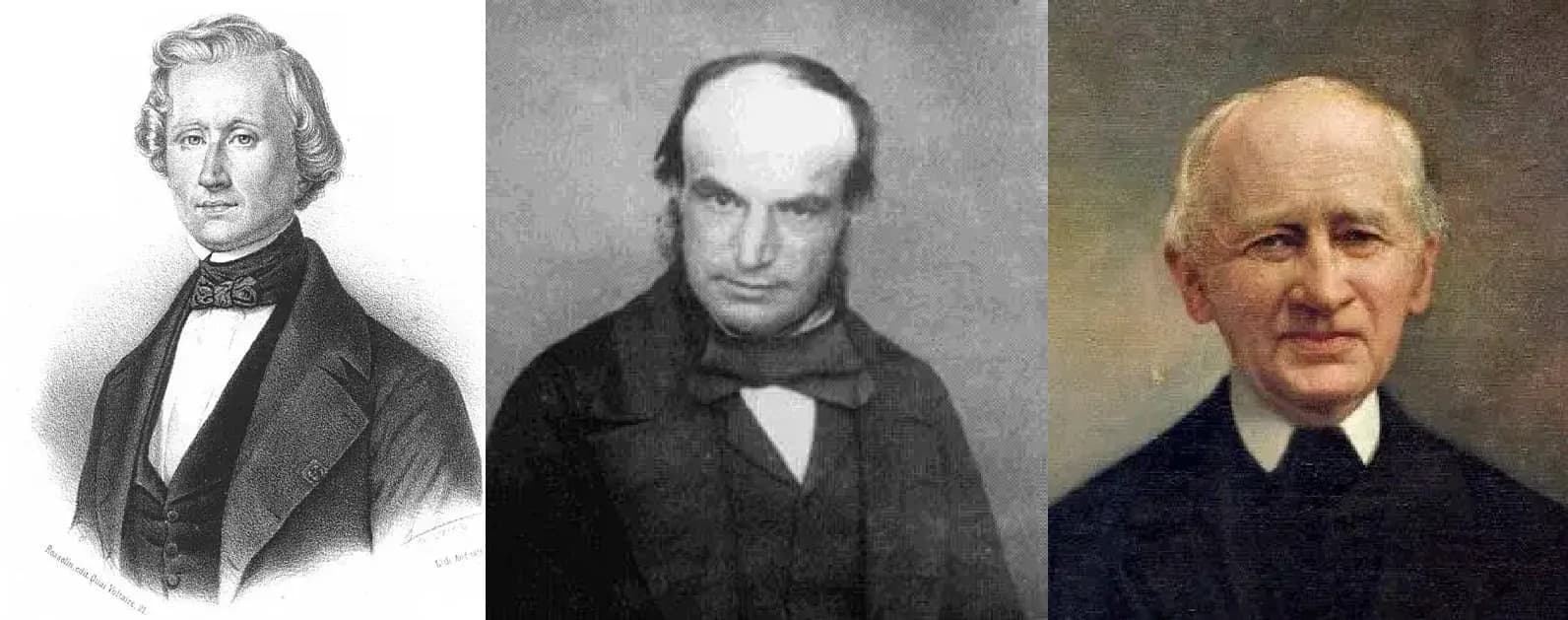
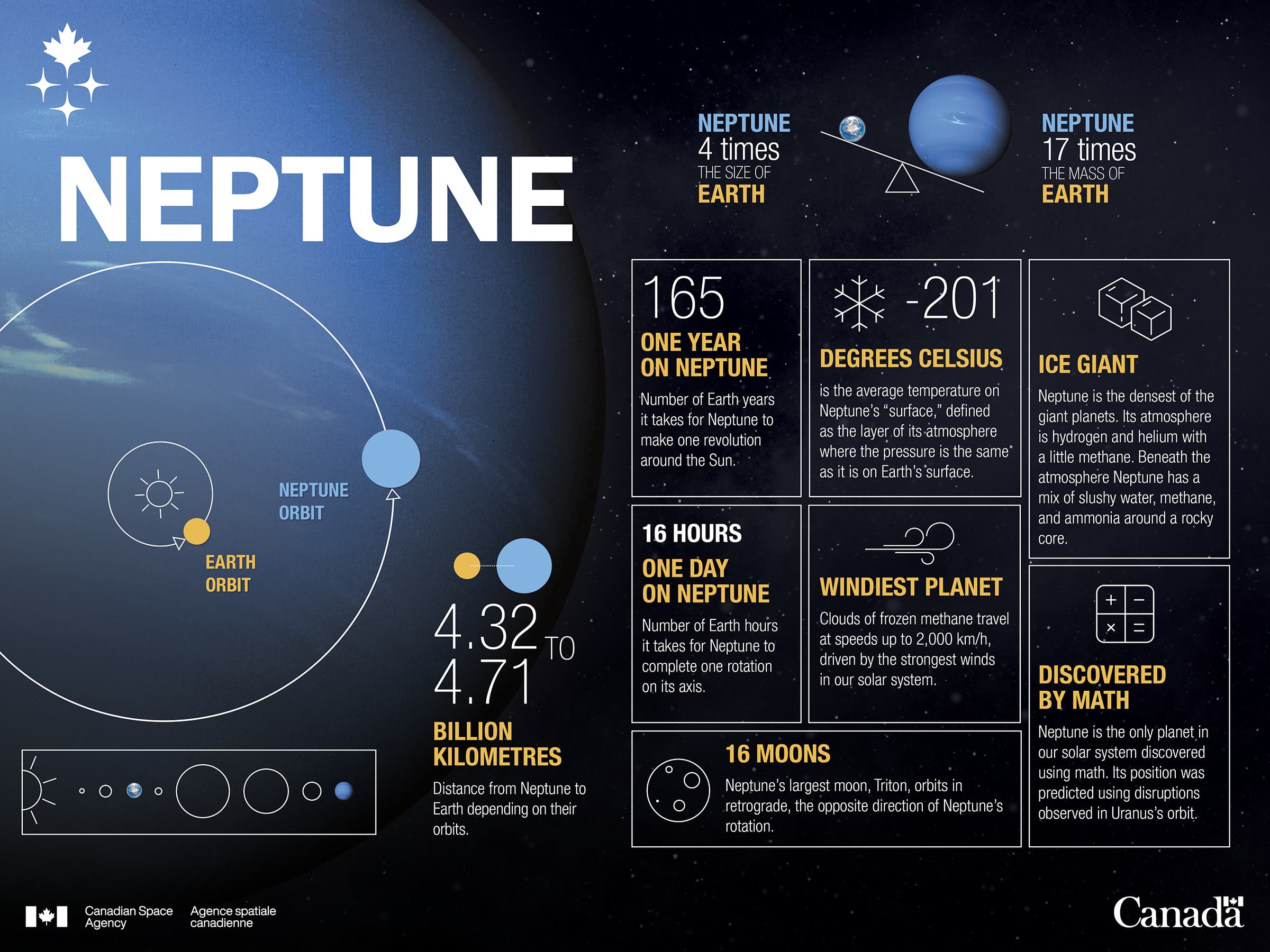
Neptune is the eighth-closest and the farthest planet from the sun. Seeking explanations for irregularities in Uranus's orbit, astronomers predicted Neptune's existence before it was observed in 1846, making it the only planet discovered through mathematics. For its appearance, Neptune was named after the Roman god of the sea, while its moons have been named after mythological figures associated with Poseidon, the Greek god of the sea.
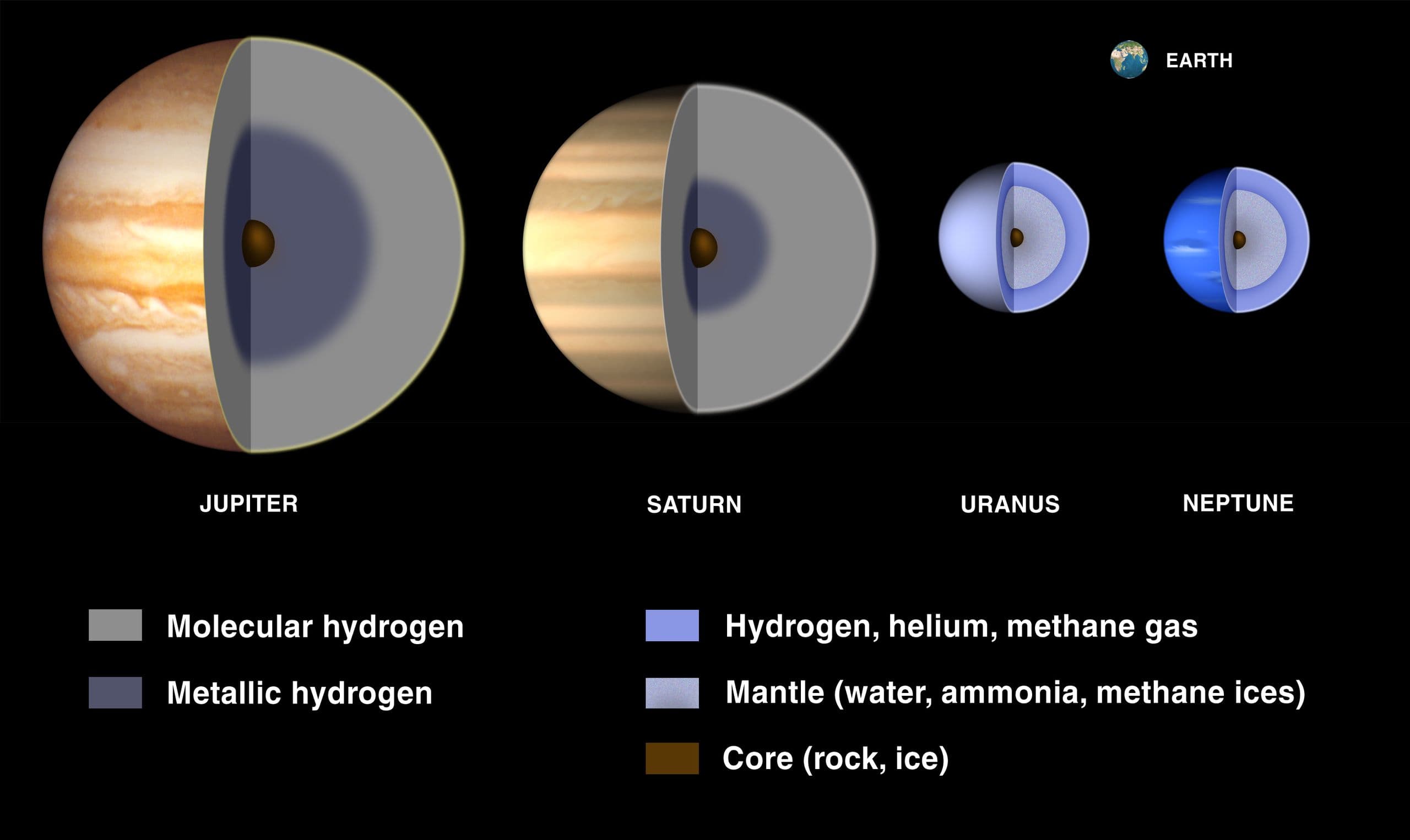
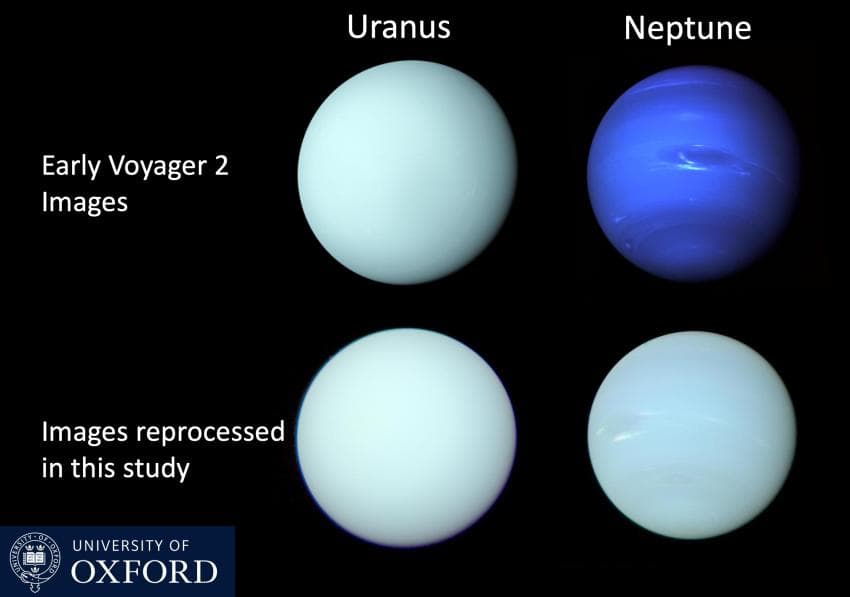
Like the other planets of the solar system, Neptune formed about 4.5 billion years ago from the remains of the gas cloud that became the sun and protoplanetary disk. Current models describe Neptune as possessing an Earth-sized, rocky core surrounded by a mantle of water, ammonia, and methane in a hot, dense, supercritical state. Its atmosphere is mostly hydrogen, some helium, and trace amounts of methane, which absorbs red light and reflects blue light, giving Neptune its color.
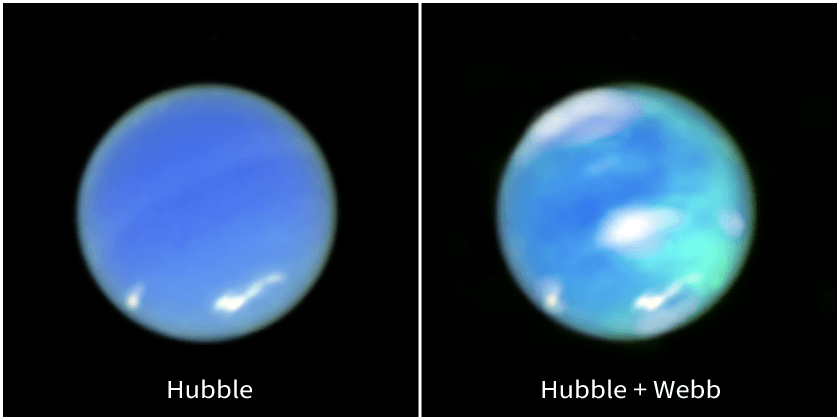
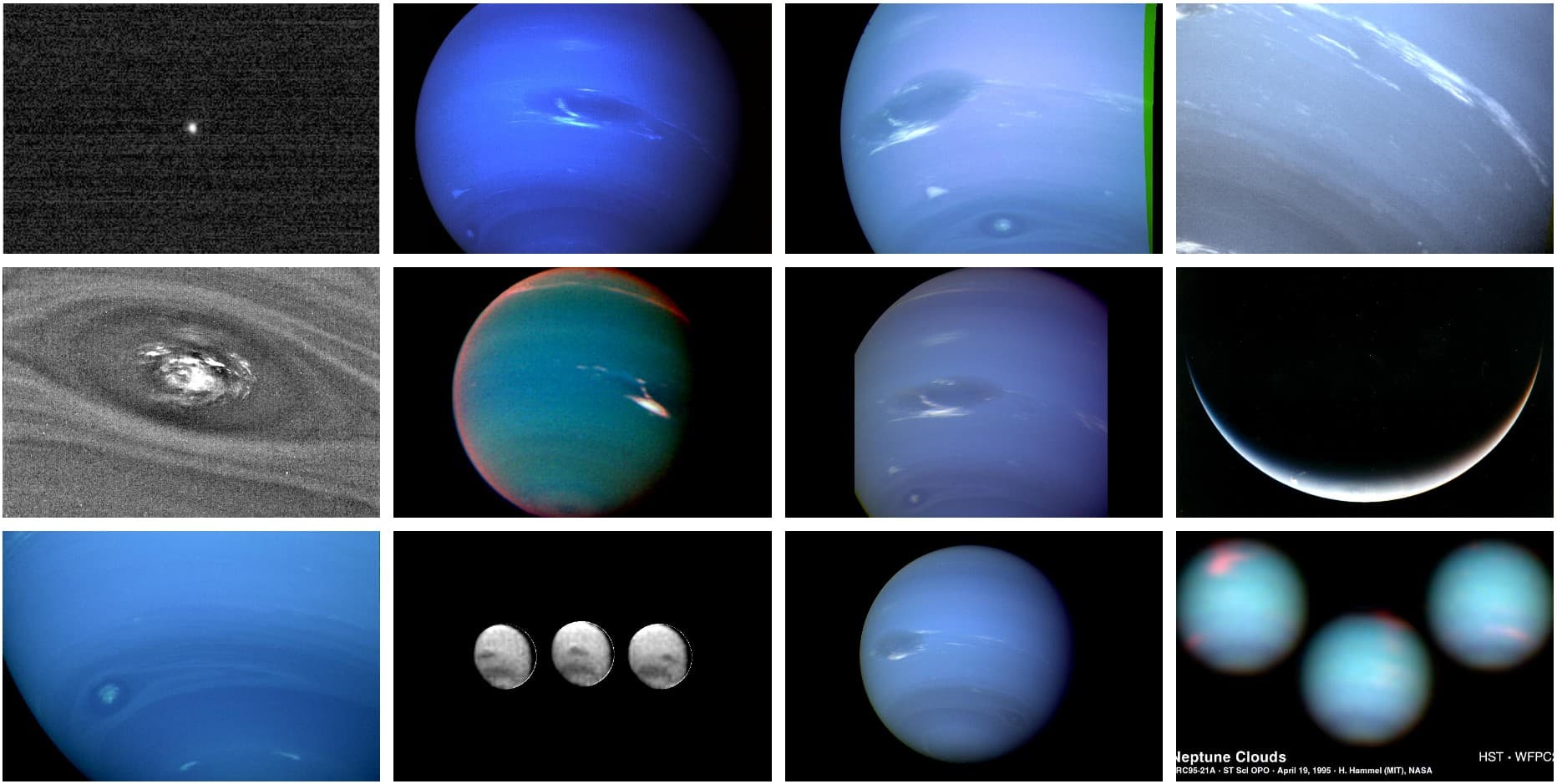
Neptune has the fastest sustained winds of any planet, with some exceeding the speed of sound, and occasionally features short-lived dark spots resembling Jupiter's Great Red Spot. Neptune emits 2.6 times more energy than it receives from sunlight, which is hypothesized to come from leftover formation energy and gravitational contraction in its interior.
1440 Findings
Hours of research by our editors, distilled into minutes of clarity.

Explore Science & Technology
Dive into the dynamic world of science and technology, where curiosity has brought about extraordinary understandings of the universe and creativity has led to the breakthroughs and innovations that have transformed our world. Explore a wide range of topics, from the natural and physical sciences to cutting-edge technologies and the people who shaped them, each of which is accompanied by carefully curated resources meant to inform, engage, and inspire those eager to uncover the nature of reality.
Featured Topics
- 3D Printing
- Algae
- Algorithms
- Asteroids
- Atoms
- Auroras
- Batteries
- Big Bang
- Bill Nye
- Biological Cells
- Bioluminescence
- Bioremediation
- Biosphere 2
- Black Holes
- Calculators
- Chaos Theory
- Climatology
- Comets
- Computer Viruses
- Coral Reefs
- Critical Minerals
- Crude Oil
- Cryptography
- Dark Energy
- Dark Matter
- Dark Web
- Data Centers
- David Attenborough
- Deep-Sea Mining
- Deepfakes
- Dinosaurs
- DNA
- Earth
- Earth's Atmosphere
- Earthquakes
- Eclipses
- El Niño-Southern Oscillation
- Electric Grids
- Electric Vehicles
- Electricity
- Environmental Protection Agency
- Extremophiles
- Fireworks
- Fracking
- General Relativity
- Generative AI
- Geothermal Power
- Grace Hopper
- Graphics Processing Unit
- Greenhouse Gases
- Helium
- Hubble Space Telescope
- Hurricanes
- International Space Station
- Internet
- Invasive Species
- James Webb Space Telescope
- Jupiter
- Keystone Species
- Large Hadron Collider
- Large Language Models
- Lasers
- Light
- Lightning
- LIGO
- Marie Curie
- Mars
- Memory
- Microchips
- Microplastics
- Mixed Reality
- Molecular Gastronomy
- Nancy Roman
- NASA
- National Science Foundation
- Neutron Stars
- Nikola Tesla
- Nobel Prize
- Nuclear Power
- Particle Accelerators
- Photosynthesis
- Plate Tectonics
- Pollinators
- Pontifical Academy of Sciences
- Quantum Computing
- Quantum Mechanics
- Radioactivity
- Rosalind Franklin
- Scientific Theory
- Self-Driving Cars
- Smart Cities
- Solar Power
- Sound
- Space Shuttle
- Space Tourism
- Space Trash
- Standard Model
- Stephen Hawking
- Sun
- Tardigrades
- Tesla
- Time
- Tornadoes
- Tsunamis
- Turbulence
- Viking Project
- Volcanoes
- Voyager Mission
- Water
- Wikipedia
- Wind Power