Crude Oil
Overview
Crude oil is the world's primary energy resource. Predominantly composed of molecules of hydrogen and carbon, the mixture formed when microorganisms, such as algae and plankton, were compressed and heated under layers of sediment for millions of years. Although used as early as 3,000 BCE to waterproof boats, crude oil was not widely extracted and refined until the mid-19th century, when it increasingly transformed society as a raw material for fuels, plastics, cosmetics, pharmaceuticals, and more.
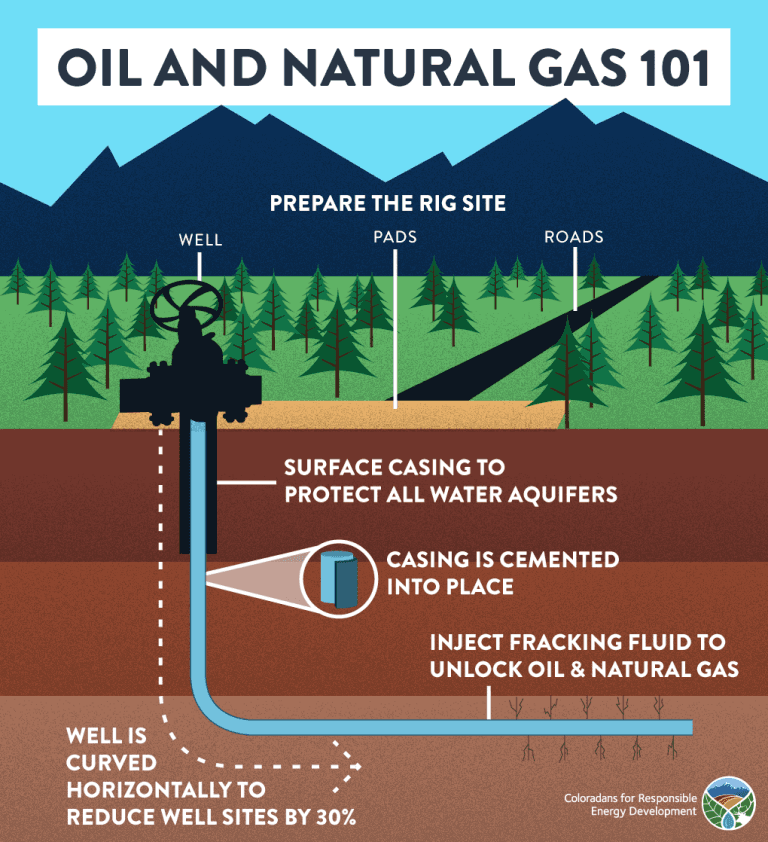
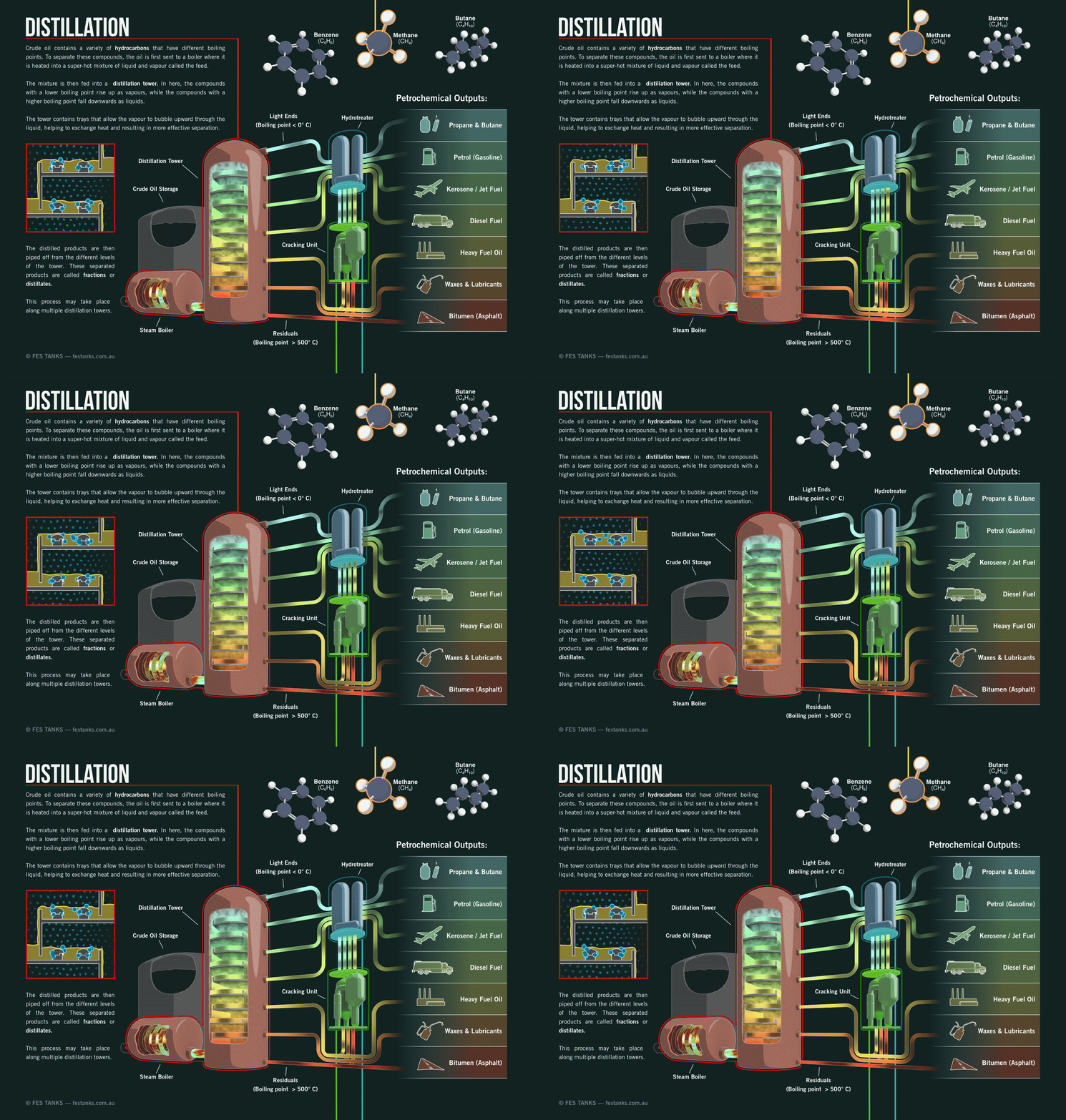
Geoscientists find oil reservoirs by mapping subterranean contents using a variety of techniques—including gravity, magnetic, and seismic reflection surveys—before drilling a well for extraction. Because the extracted oil is "crude"—an unsorted mix of hydrocarbons—refineries typically boil it to produce a vapor mixture. In a fractional distillation tower, where temperature decreases with altitude, these vapors are sorted into layers as they condense back into liquid at distinct heights.
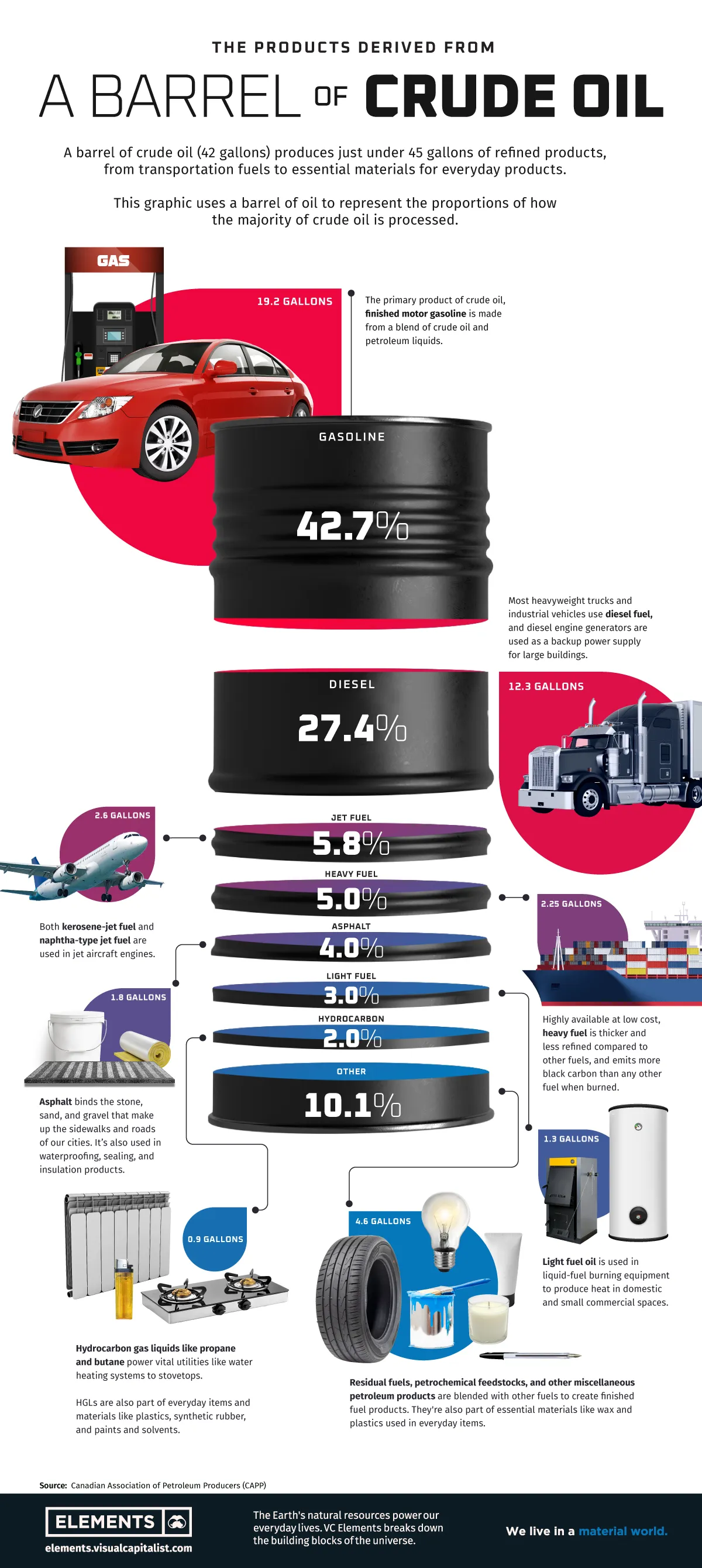
Once distilled, the sorted hydrocarbons are processed separately into useful petroleum products. This includes cracking, which breaks larger molecules into smaller ones, such as the building blocks of plastics, and reforming, which produces the various octane blends available at gas stations. These processes, along with leaks and spills, are sources of toxic pollutants that can cause significant environmental damage and adverse health effects for those living near refineries.
1440 Findings
Hours of research by our editors, distilled into minutes of clarity.










Explore Science & Technology
Dive into the dynamic world of science and technology, where curiosity has brought about extraordinary understandings of the universe and creativity has led to the breakthroughs and innovations that have transformed our world. Explore a wide range of topics, from the natural and physical sciences to cutting-edge technologies and the people who shaped them, each of which is accompanied by carefully curated resources meant to inform, engage, and inspire those eager to uncover the nature of reality.
Featured Topics
- 3D Printing
- Algae
- Algorithms
- Asteroids
- Atoms
- Auroras
- Batteries
- Big Bang
- Bill Nye
- Biological Cells
- Bioluminescence
- Bioremediation
- Biosphere 2
- Black Holes
- Calculators
- Chaos Theory
- Climatology
- Comets
- Computer Viruses
- Coral Reefs
- Critical Minerals
- Crude Oil
- Cryptography
- Dark Energy
- Dark Matter
- Dark Web
- Data Centers
- David Attenborough
- Deep-Sea Mining
- Deepfakes
- Dinosaurs
- DNA
- Earth
- Earth's Atmosphere
- Earthquakes
- Eclipses
- El Niño-Southern Oscillation
- Electric Grids
- Electric Vehicles
- Electricity
- Environmental Protection Agency
- Extremophiles
- Fireworks
- Fracking
- General Relativity
- Generative AI
- Geothermal Power
- Grace Hopper
- Graphics Processing Unit
- Greenhouse Gases
- Helium
- Hubble Space Telescope
- Hurricanes
- International Space Station
- Internet
- Invasive Species
- James Webb Space Telescope
- Jupiter
- Keystone Species
- Large Hadron Collider
- Large Language Models
- Lasers
- Light
- Lightning
- LIGO
- Marie Curie
- Mars
- Memory
- Microchips
- Microplastics
- Mixed Reality
- Molecular Gastronomy
- Nancy Roman
- NASA
- National Science Foundation
- Neutron Stars
- Nikola Tesla
- Nobel Prize
- Nuclear Power
- Particle Accelerators
- Photosynthesis
- Plate Tectonics
- Pollinators
- Pontifical Academy of Sciences
- Quantum Computing
- Quantum Mechanics
- Radioactivity
- Rosalind Franklin
- Scientific Theory
- Self-Driving Cars
- Smart Cities
- Solar Power
- Sound
- Space Shuttle
- Space Tourism
- Space Trash
- Standard Model
- Stephen Hawking
- Sun
- Tardigrades
- Tesla
- Time
- Tornadoes
- Tsunamis
- Turbulence
- Viking Project
- Volcanoes
- Voyager Mission
- Water
- Wikipedia
- Wind Power