CRISPR
Overview
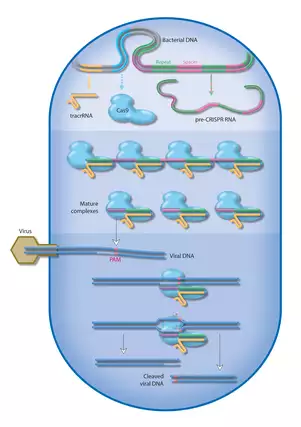
CRISPR is a molecular tool that can make precise changes to a gene's DNA. An acronym for "clustered regularly interspaced short palindromic repeats," the tool was discovered in single-celled organisms, where it acts as an immune system to attack invasive viruses. Scientists have since used it to target and manipulate precise sections of DNA—the genetic blueprints for living things.
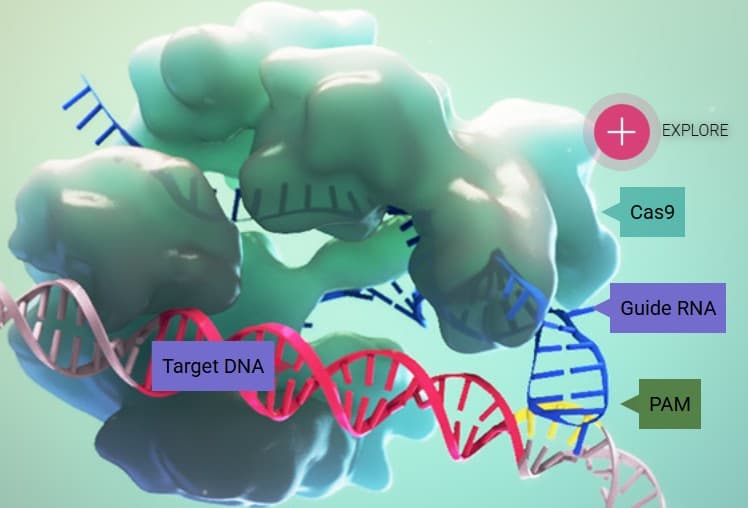
Each CRISPR has two parts—a "guide RNA" designed to latch onto a specific region of the DNA molecules and a Cas protein that cuts the targeted area. Cells try to repair the cut but often do so incorrectly, effectively deactivating that part of the blueprint. These deactivations can be used as medical treatments by selecting problematic genetic blueprints, such as those that cause an increased likelihood of getting cancer.
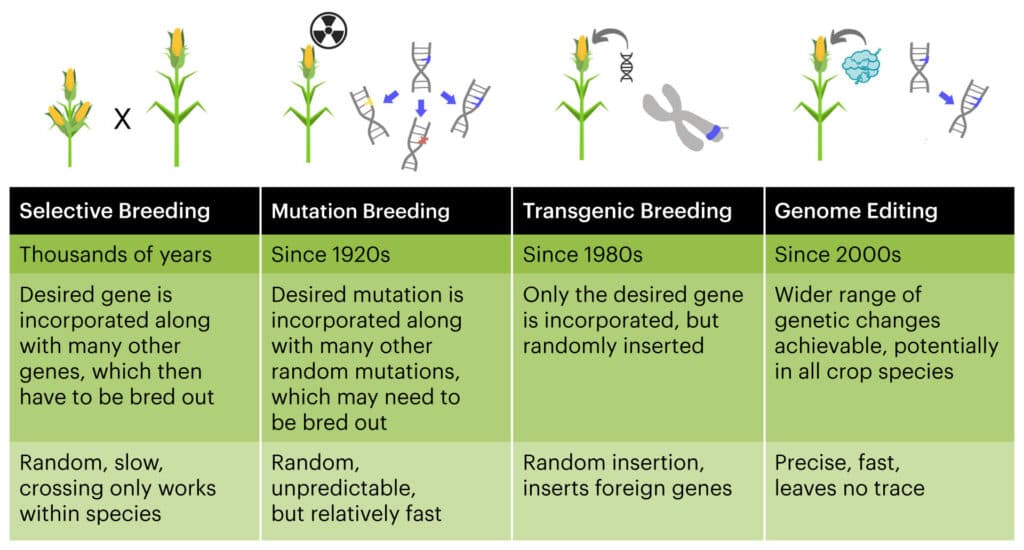
Dozens of clinical trials are underway for treatments that utilize CRISPR to address a range of diseases and allergies. Scientists are also utilizing CRISPR to develop new crops for food production, enhance the resilience of existing crops, and improve the sustainability of farming practices.
1440 Findings
Hours of research by our editors, distilled into minutes of clarity.




Explore Health & Medicine
Indulge your curiosity, from the inner workings of our bodies and minds to the latest in medical research and treatments, all aimed at enhancing your understanding of health, wellness, and medicine. Our resources are meticulously curated to offer precise and pertinent information to anyone interested in learning more about the medical sciences.