Overview

Our bodies are made up of trillions of cells. The instruction manual for how our cells grow and divide is dictated by our genetic material, or DNA. Occasionally, when a cell splits, it can make a mistake, or mutation, in its DNA that causes it to begin dividing abnormally.

1440 Findings

Hours of research by our editors, distilled into minutes of clarity.

  • Cancer is runaway growth of abnormal, mutated cells

    Cancer cells have mutations in their DNA that allow uncontrolled growth and division, dodge usual mechanisms of cell death, and can often spread throughout the body. This is, in part, why the disease is so difficult to treat, with a wide variety of mechanisms and types that poses unique challenges.

  • Alcohol is responsible for 5% of cancer cases and 4% of cancer deaths in the US

    Alcohol consumption is linked to at least eight different types of cancer, including liver, breast, and throat. The risk comes from ethanol, which turns into DNA-damaging acetaldehyde. Experts recommend limiting intake or quitting altogether to reduce long-term health risks.

  • Calculate your risk of developing cancer

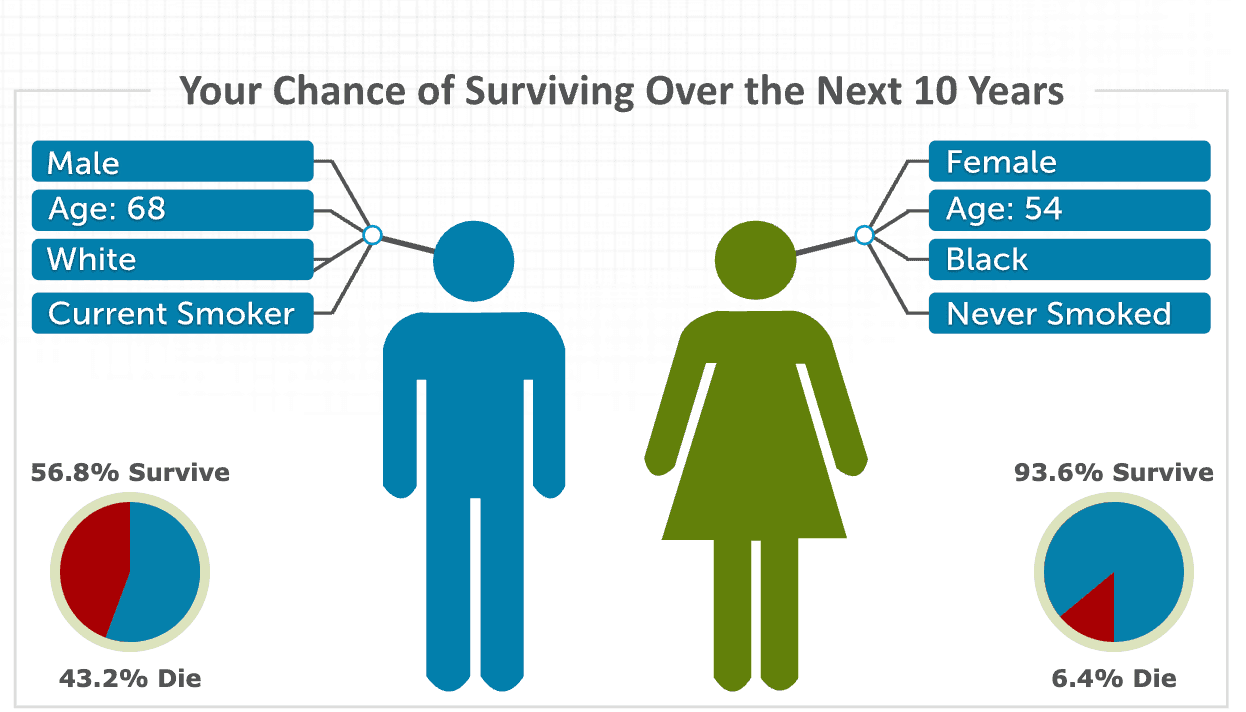
    Hosted by the National Cancer Institute, this tool provides interactive charts that display the likelihood of dying from various causes—including cancer—based on factors like age, sex, race, and smoking status. By contextualizing cancer risk among other potential health threats, users can create custom charts.

  • Chemotherapy slows cancer by interfering with cell division

    Cancer cells divide much more frequently than most normal cells. Most chemotherapy drugs are designed to interfere with cell division, thereby targeting harmful cells while attempting to leave healthy cells alone.

  • Cancer is typically described by one of five stages

    Stage 0 is in situ, meaning abnormal cells haven’t spread, while Stage 1 is further progressed but remains localized to the origin. Stage 2 and 3 show increasing tumor size and spread to nearby lymph nodes or tissues. Stage 4 indicates metastasis, meaning cancer has spread to distant organs.

  • Explore the National Cancer Institute's archive on treatments

    Cancer is a complex disease with many different types, each with its own pathology. The best treatment may depend on characteristics specific to each person—even if two people share the same type of cancer. No single overview of treatments exists, but this resource from the National Cancer Institute lets you explore different options, side effects, an A-to-Z library of cancer drugs, and much more.

  • The immune system is in a constant fight against mutations

    At the heart of cancerous cells is the development of mutations—an ongoing and continuous process that happens frequently. So why don’t we get cancer immediately? The body’s immune system has developed intricate methods to detect and destroy cancer cells, catching the vast majority before they get the chance to evolve into tumors.

Explore Health & Medicine

Discover a broad spectrum of topics, from fundamental anatomy to the latest in medical research and treatments, all aimed at enhancing your understanding of health, wellness, and our bodies. Our resources are meticulously curated to offer precise and pertinent information to students, professionals, and anyone interested in learning more about the medical sciences. Dive in to stay informed, make well-informed health decisions, and explore the intriguing world of medicine.

View All Health & Medicine