In Vitro Fertilization
Overview
In vitro fertilization is a method of fertilizing a woman's egg cells outside the human body in a laboratory setting. Also called IVF, this approach can be used to treat infertility or provide options for individuals trying to avoid passing on genetic disorders to their children.
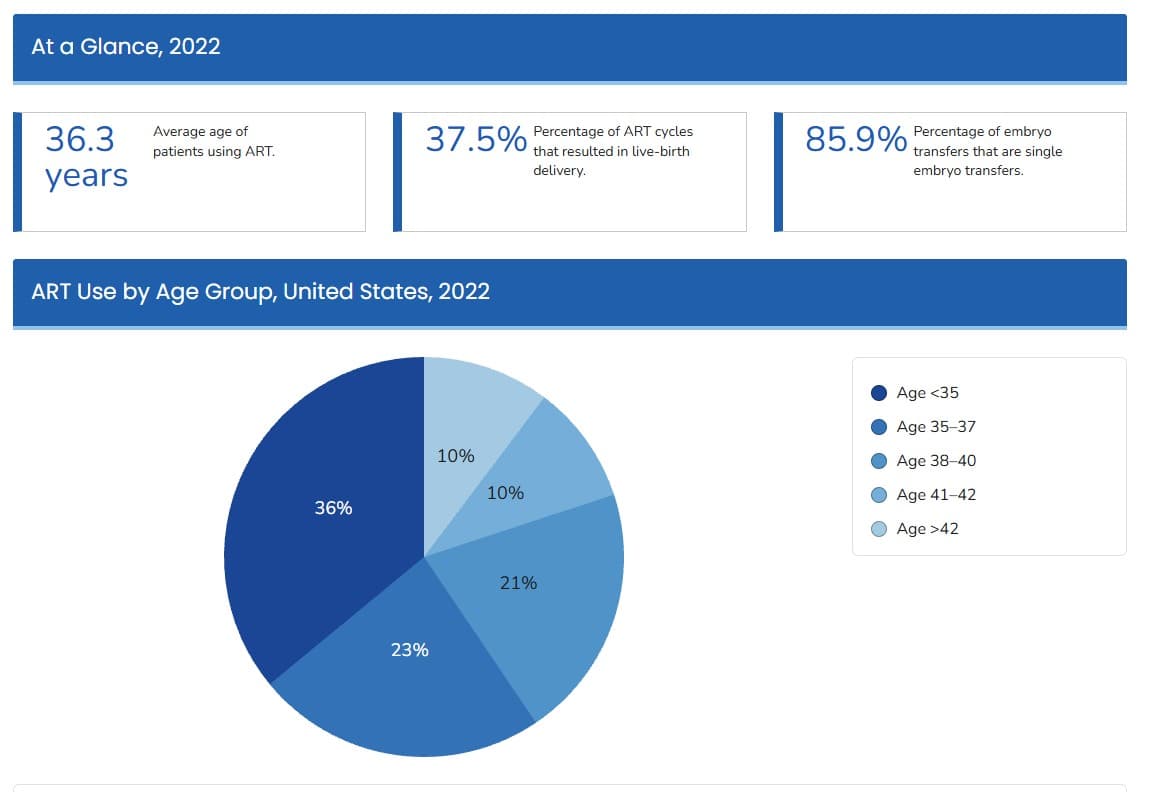
In 2022, roughly 250,000 US patients accessed assisted reproductive technologies—most commonly IVF—resulting in more than 98,000 infants. That count represents about 2.6% of all the babies born in the US that year. Globally, over 10 million children have been conceived using the technology since it became available.
Today, costs for a single cycle of IVF can range from $15K to $30K, with many families paying out of pocket. The average number of cycles to induce pregnancy is 2.5, leaving the procedure out of reach for low-income families. IVF isn't usually covered by insurance and is primarily used by white patients and those with higher education levels who are more likely to have higher income levels.
1440 Findings
Hours of research by our editors, distilled into minutes of clarity.




Explore Health & Medicine
Indulge your curiosity, from the inner workings of our bodies and minds to the latest in medical research and treatments, all aimed at enhancing your understanding of health, wellness, and medicine. Our resources are meticulously curated to offer precise and pertinent information to anyone interested in learning more about the medical sciences.