Addiction

Overview

Addiction is a disorder characterized by a pattern of persistent behavior that continues despite growing negative consequences. While often discussed in the context of drugs or alcohol, addiction can involve any substance or behavior that creates rewarding effects for an individual.

1440 Findings

Hours of research by our editors, distilled into minutes of clarity.

  • Chronic drug use can cause neurological changes in the brain

    Neuroscientist Judy Grisel breaks down the biology of addiction, examining how drugs hijack the brain’s natural reward system and create lasting neural changes. The physiological and neurological impacts of chronic drug use require a multifaceted treatment approach.

  • Trauma is a primary risk factor for substance use disorder later in life

    Studies indicate 75% of people with substance use disorder have experienced at least one traumatic experience in their life. These experiences alter brain function, leading to heightened stress and emotional pain. Substances offer temporary relief, but this often results in dependency.

  • Drug tolerance and withdrawals are consequences of overloading dopamine circuits

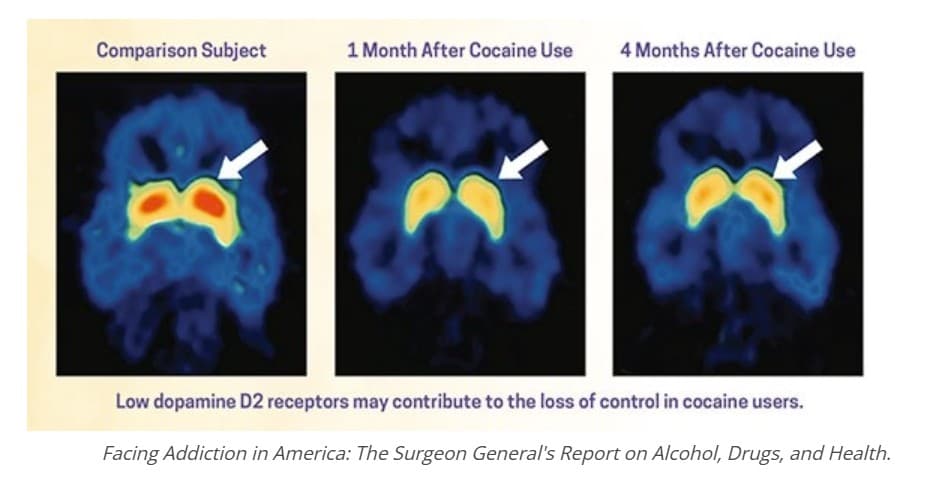
    Addictive substances or behaviors will typically flood our brains with more dopamine than usual. In response to the overstimulation, our brains will decrease the number of available dopamine receptors. This results in the need for more stimulus for the same response (tolerance) and a rise in negative feelings when the stimulus is absent (withdrawal).

  • 'Susan's Brain': what happens to the brain during addiction

    This engaging animation from Harvard Online breaks down the neuroscience of addiction through the story of “Susan’s brain,” demonstrating how addictive substances hijack normal reward pathways. Through clear visual metaphors and approachable narration, it explains complex brain chemistry in understandable terms.

  • Naltrexone blocks the reward effects of alcohol and opioids

    Naltrexone is used to treat alcohol and opioid dependence, blocking opioid receptors in the brain, reducing cravings, and preventing the euphoric effects of alcohol or opioids. It is nonaddictive and works best as part of a comprehensive treatment plan, including counseling or therapy, to support long-term recovery.

Explore Health & Medicine

Discover a broad spectrum of topics, from fundamental anatomy to the latest in medical research and treatments, all aimed at enhancing your understanding of health, wellness, and our bodies. Our resources are meticulously curated to offer precise and pertinent information to students, professionals, and anyone interested in learning more about the medical sciences. Dive in to stay informed, make well-informed health decisions, and explore the intriguing world of medicine.

View All Health & Medicine