Superbugs

Overview

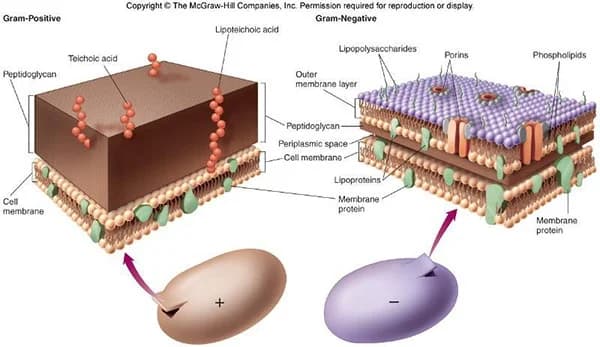
There are many kinds of bacteria, and the human body is home to an estimated 39 trillion of them—more than the number of cells—of all types. The vast majority are harmless and even provide important functions, but some can cause infections responsible for ailments from strep throat and whooping cough to Salmonella and tetanus.

1440 Findings

Hours of research by our editors, distilled into minutes of clarity.

  • Superbugs are bacteria and pathogens that rapidly evolve defenses against medication

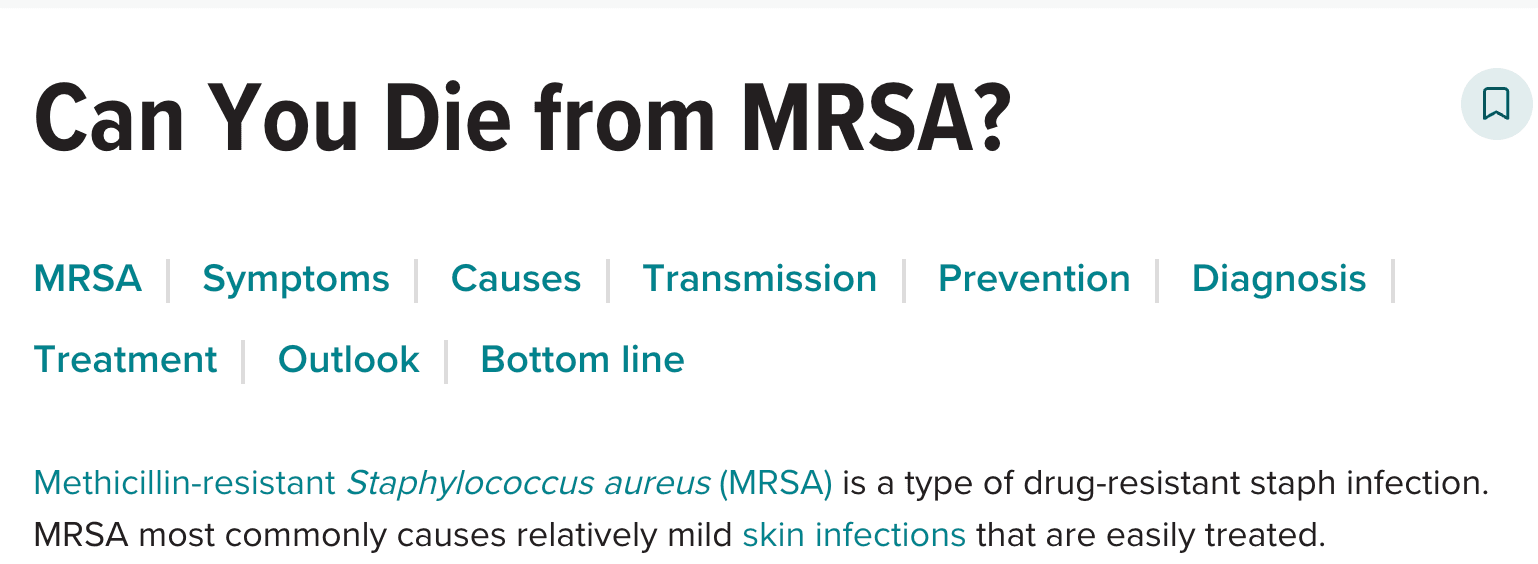
    Superbugs, or antibiotic-resistant bacteria, infect millions and pose a threat to global health. Developing new antibiotics is costly, offers limited profits, and struggles to outpace bacteria’s rapid evolution.

  • Superbugs evolve defenses against medication, then share them with neighbors

    One reason antibiotic resistance spreads so quickly is that bacteria have multiple mechanisms allowing them to share genetic material. This short video offers a concise explanation for each of these mechanisms, and animation that helps viewers understand how antimicrobial resistance can quickly spread from one organism to another.

  • Penicillin’s discoverer predicted antibiotic resistance

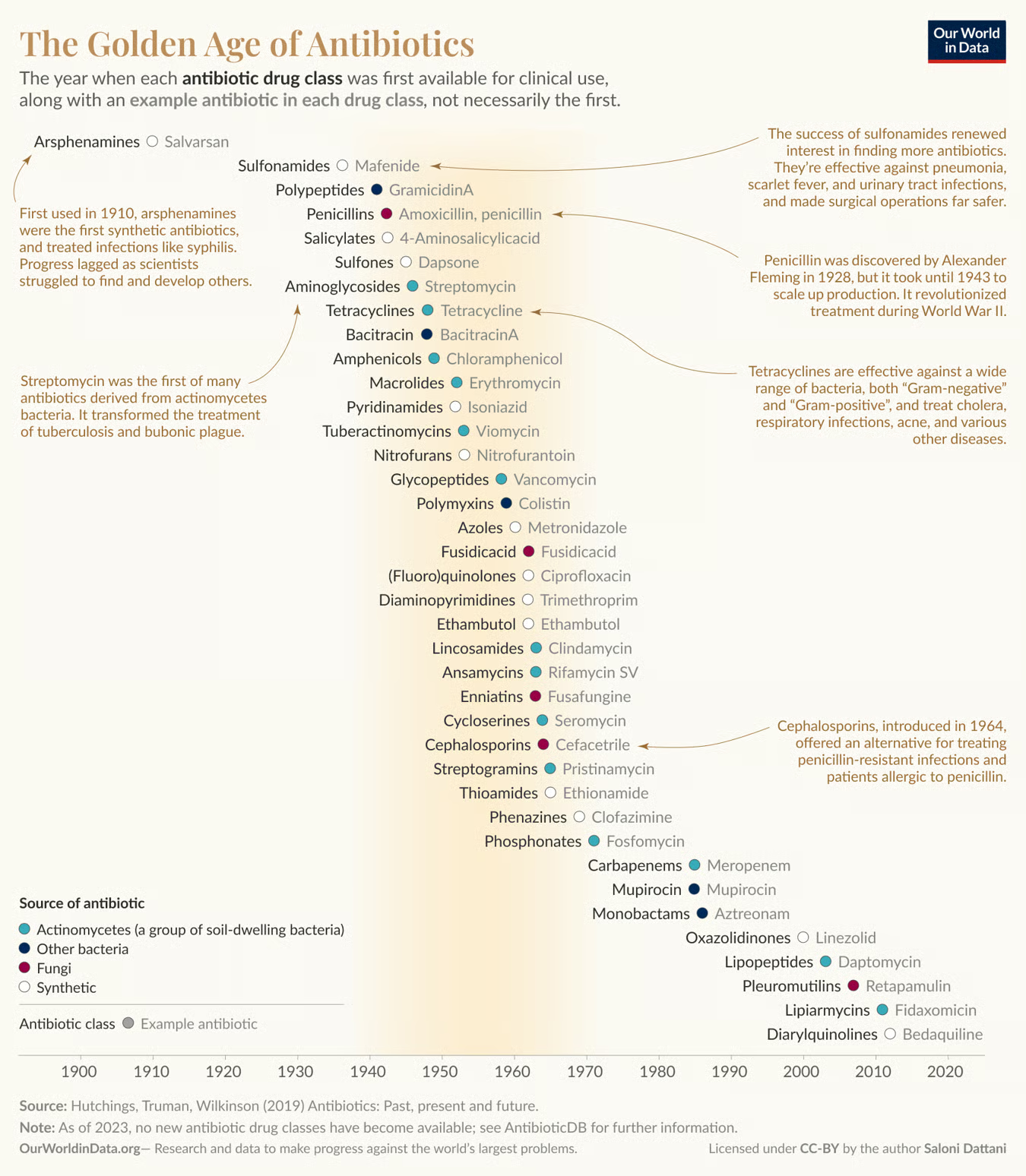
    Alexander Fleming’s discovery of penicillin revolutionized modern medicine. But the same man who pioneered the development of antibiotics also recognized that bacteria could make sntibiotics obsolete if they were used irresponsibly. This story sheds light on Fleming’s discovery—and on his prophetic warning about antibiotic resistance.

  • An estimated 1% of DNA mutations can lead to dangerous mutations in bacteria

    Mutations in bacteria—changes in their DNA—can lead to new, more dangerous strains. Researchers have developed a technique to monitor these mutations in real time. Using the technology, scientists found that mutations occur at a steady, regular rate, with 1% of these mutations leading to potentially deadly changes.

  • Roughly 80% of US antibiotics sold each year go to agricultural use

    Antibiotics have long been used in agriculture to treat diseases in animals and plants. However, antibiotics are also often misused, to treat non-bacterial diseases, to encourage growth in animals, and more. This expansive use of antibiotics has become one of the primary sources of the emergence of new superbugs.

Explore Health & Medicine

Discover a broad spectrum of topics, from fundamental anatomy to the latest in medical research and treatments, all aimed at enhancing your understanding of health, wellness, and our bodies. Our resources are meticulously curated to offer precise and pertinent information to students, professionals, and anyone interested in learning more about the medical sciences. Dive in to stay informed, make well-informed health decisions, and explore the intriguing world of medicine.

View All Health & Medicine