Dreams
Overview
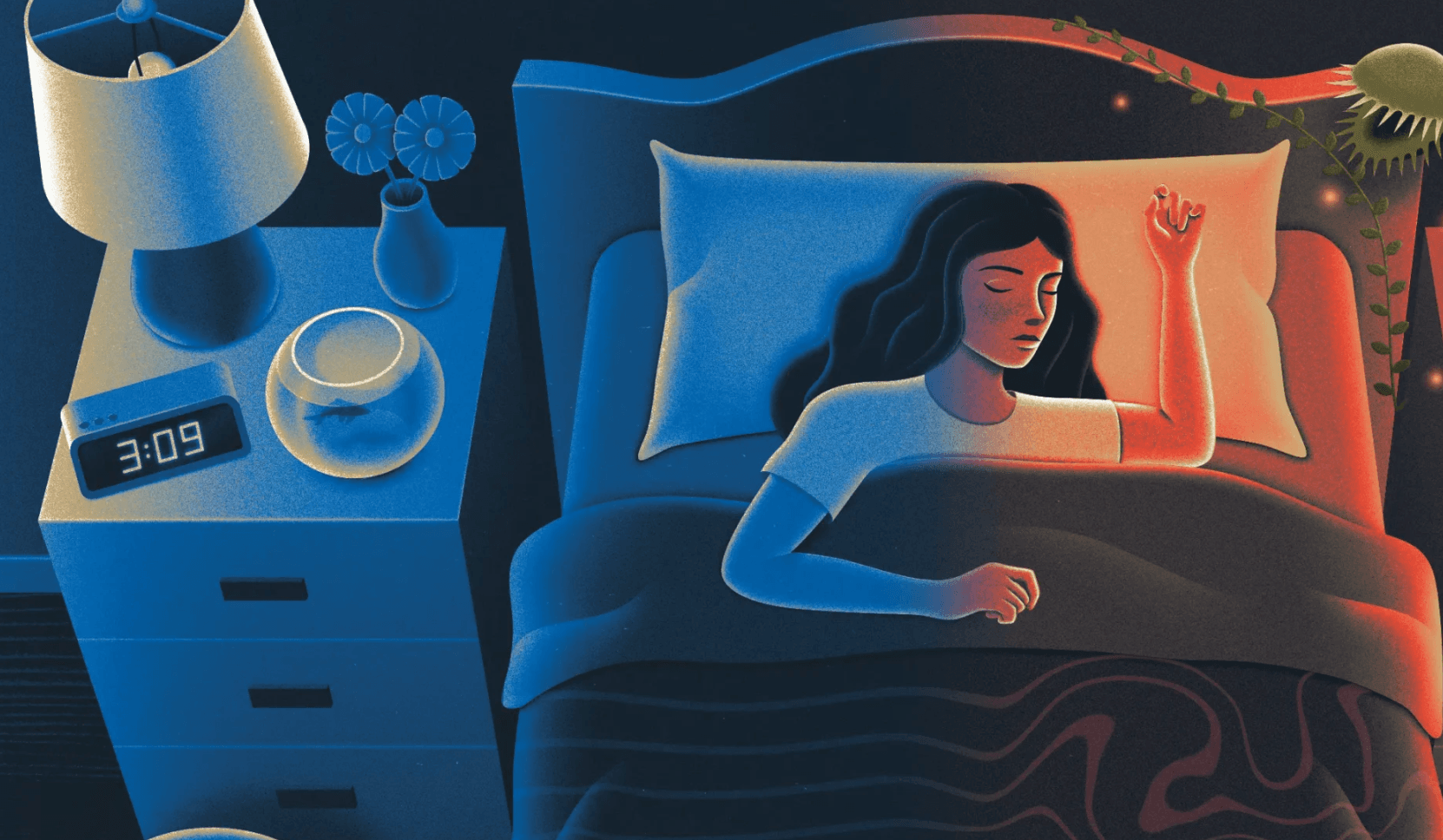
Each night, we spend about two hours dreaming, inhabiting worlds that may feel indistinguishable from waking life—whether we remember them or not.
The origin, meaning, and mechanisms of dreams have long spurred speculation, with references dating back to the dawn of recorded history. Yet despite the ubiquity of the experience—and the advent of modern medical technology—questions about the purpose of dreams and how they're constructed remain largely unanswered.
Dreaming occurs across all sleep stages, but many dreams appear to unfold during our REM (rapid eye movement) phases, when the body is paralyzed, and brain waves closely resemble those of waking periods. Roughly one in 250 people report never having dreamed at all, though researchers believe such sleepers functionally dream but are prevented from remembering them for still-unknown reasons.
1440 Findings
Hours of research by our editors, distilled into minutes of clarity.












Explore Health & Medicine
Indulge your curiosity, from the inner workings of our bodies and minds to the latest in medical research and treatments, all aimed at enhancing your understanding of health, wellness, and medicine. Our resources are meticulously curated to offer precise and pertinent information to anyone interested in learning more about the medical sciences.