Posted by Dina Fine MaronJun 8An estimated 1 in 250 people—a small subset of the population—reports they've never remembered a single dream.Show 3 more findings ZoomWhy Can Some of Us Remember Dreams, While Others Rarely Do?Discover Magazinehttps://www.discovermagazine.com/mind/why-do-some-people-always-remember-their-dreams-while-others-almost-never
Posted by Drew SteigerwaldApr 10We dream for around two hours each night, on average, but the exact purposes of dreams remains under investigation.Show 3 more findings 3:32Dreams Explained1440 Originalshttps://www.youtube.com/watch?v=tym1bbD10vI
Posted by Teddy BurkhardtJan 30, 2025Why don’t you remember all your dreams?Despite being a near-nightly occurrence, we remember very few of our dreams. Researchers believe reduced activity in regions where memories are stored, a different neurochemical environment during sleep, and rapid transition during waking contribute to this phenomenon. ZoomWhy don’t you remember all your dreams?Popular Sciencehttps://www.popsci.com/science/why-dont-i-remember-my-dreams/
Posted by Teddy BurkhardtDec 16, 2023How dreams affect your memoryIn 1999, scientists conducted a study in which participants were asked to recall images flashed before them for milliseconds. They found that participants who slept before recalling the information performed better than those who had been asked to recall the same information that same day. This was some of the earliest convincing evidence of how crucial sleep is for learning and memory, findings that current research continues to strengthen. ZoomSleep Melds MemoriesHarvard Universityhttps://magazine.hms.harvard.edu/articles/sleep-melds-memories
Posted by Marco Daniel MachadoJun 9Modern media exposure may impact whether people dream in color or black and white.Show 1 more finding ZoomDo people dream in color or black and white?Live Sciencehttps://www.livescience.com/health/dreams/do-people-dream-in-color-or-black-and-white
Posted by Dina Fine MaronJun 9Dreams largely occur during REM sleep (but not entirely).Show 2 more findingsWhy and How Do We Dream? | Quanta MagazineQuanta Magazinehttps://open.spotify.com/episode/57o0CHNTQ231GKyrvV85a3
Posted by Dina Fine MaronJun 9The hippocampus, located deep inside the temporal lobe, appears to play a central role in dreaming and memory, according to recent research on dreaming and damage to that area of the brain.Show 2 more findings ZoomDreaming with hippocampal damage - PMCeLifehttps://pmc.ncbi.nlm.nih.gov/articles/PMC7279885/
Posted by August MoonJun 9Roughly 1 in 5 people experience lucid dreaming at least once a month—that's the ability to control or influence your dream environment.Show 1 more finding 0:59Lucid Dreaming Explained1440 Originalshttps://youtube.com/shorts/dK-NA0jC8ps
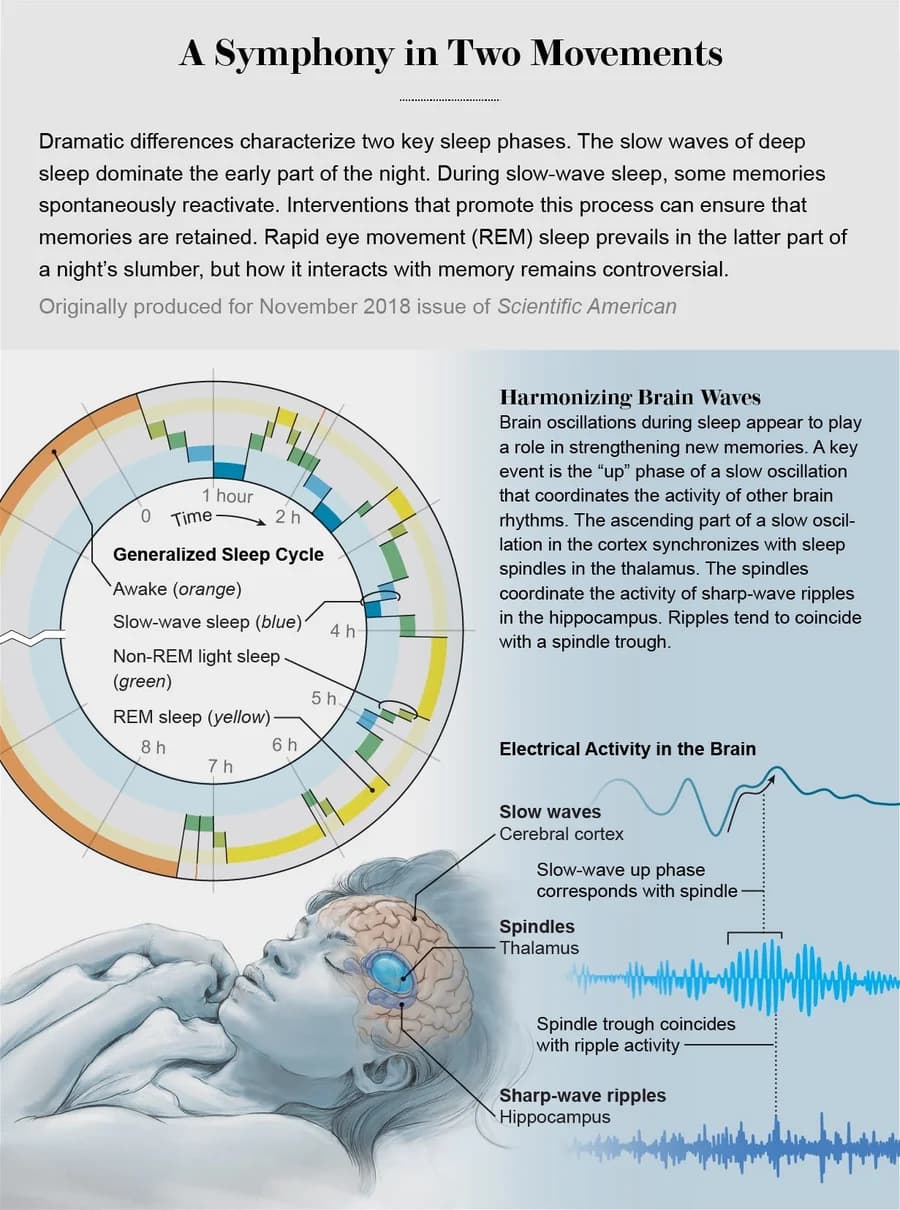
Posted by Dina Fine MaronJun 8The REM cycle—named for the 'Rapid Eye Movement' that occurs during this stage of intense dreaming—happens around four to six times per night.Show 3 more findings ZoomBrain Basics: Understanding SleepNational Institutes of Healthhttps://www.nhlbi.nih.gov/health/sleep/stages-of-sleep
Posted by Teddy BurkhardtJan 8, 2024The dreaming brain, as understood by scientistsTechnology has advanced to where the seemingly separate fields of psychology and neuroscience are asking the same questions about dreams, such as whether they're more closely related to perception or visualization. Some field-intersecting findings include research that shows people with impaired face perception don't dream of faces, those with brain legion-related cognition difficulties deal with similar issues in dreams, and children's dreams change in parallel to their cognitive development. ZoomDreaming and the brain: from phenomenology to neurophysiologyhttps://www.cell.com/trends/cognitive-sciences/fulltext/S1364-6613(09)00267-8?_returnURL=https%3A%2F%2Flinkinghub.elsevier.com%2Fretrieve%2Fpii%2FS1364661309002678%3Fshowall%3Dtrue
Posted by Dina Fine MaronJun 9Dream interpretation has evolved from ancient mystical explanations, to dream reports, to tracking electrical activity in the brain and more.Show 1 more finding 31:24The science of dreams | PODCASThttps://www.youtube.com/watch?v=wHI4MAfq-eg
Posted by Dina Fine MaronJun 9During dream sleep, the brain connects new information learned during the day with information already stored in the mind, creating a revised mind-wide web of associations. 4:02What Happens To Your Brain When You DreamInsider Techhttps://www.youtube.com/watch?v=rBby0RJw3Dc
Posted by Meher QazilbashJun 3The brain consolidates memories during sleep During sleep, the brain appears to process memories from the day and encode them into long-term storage. At the same time, the brain prunes old memories out of the brain that are no longer useful. Understanding this process also sheds light a various neurodegenerative diseases. ZoomSleep’s Crucial Role in Preserving MemoryYale e360https://medicine.yale.edu/news-article/sleeps-crucial-role-in-preserving-memory/
Posted by Dina Fine MaronFeb 26Sleeping on a problem does seem to help—in fact research published in 2026 suggests scientists can seed people's dreams with sound cues about a difficult puzzle during REM sleep and they'll be better able to solve it.Show 5 more findings ZoomCan Dreams Help You Solve Problems?TIMEhttps://time.com/7381398/can-dreams-help-you-solve-problems/
Posted by August MoonApr 30, 2025Your brain moves through four distinct sleep stages every nightEach stage plays a key role in memory, repair, restoration, and other key biological functions. The full cycle generally proceeds from light sleep and deep rest into vivid REM dreaming, which repeats between three and five times nightly. 1:34How Sleep Works1440 Originalshttps://www.youtube.com/shorts/R1UIvqdQmnM
Posted by Dina Fine MaronJun 8The study of dreams, formally called oneirology, has evolved over the centuries, from anecdotal interpretations to advanced brain imaging.Show 2 more findingsOneirology Part 1 (DREAMS) with G. William DomhoffOlogies with Alie Wardhttps://open.spotify.com/episode/1B8THYg4BJ8jghDX6sAdbV
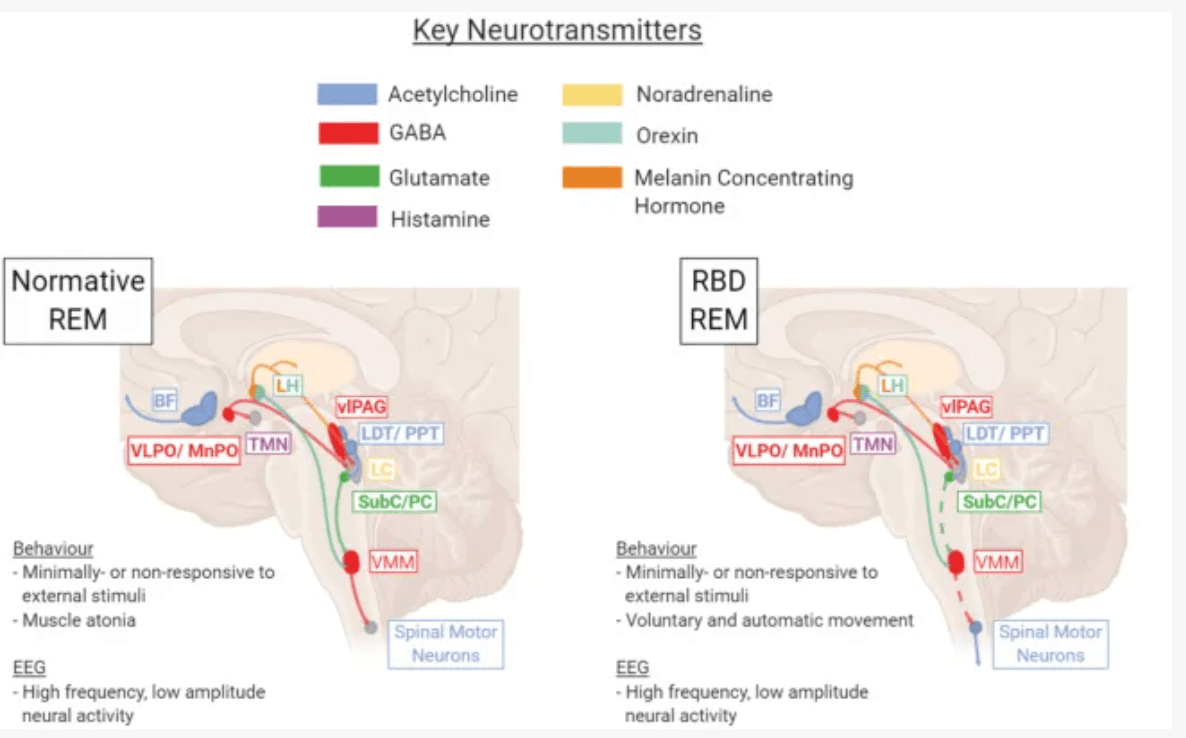
Posted by Dina Fine MaronJun 9People with a sleep disorder called REM Sleep without Atonia don't experience the temporary paralysis of skeletal muscles that typically occurs during REM sleep—instead, they have vivid dreams that they act out during sleep.Show 2 more findings ZoomA Neurologist’s Guide to REM Sleep Behavior DisorderFrontiershttps://www.frontiersin.org/journals/neurology/articles/10.3389/fneur.2020.00610/full
Posted by Marco Daniel MachadoJun 30Consistency and emotional engagement can improve the formation of memoriesWhile sleep lets the brain re-trigger neurons associated with our experiences to cement them in long-term memory, repeating actions, like storing one's keys in the same location, can mimic these benefits. Emotionally charged memories are often ruminated upon, improving their future recall.Memory: How to Boost It - Science Vs | Podcast on SpotifyScience Vshttps://open.spotify.com/episode/0MeYlobqLvWbazrailtiZp
Posted by Dina Fine MaronDec 16, 2023Why do dreamers twitch?This thought-provoking piece highlights newer research suggesting sleep twitches may not be random dream leftovers, but instead a crucial way our brains map and understand our bodies. From sleeping rat pups to dreaming octopi, this biological mapping system appears universal across animal species. ZoomWhat Are Dreams For?The New Yorkerhttps://www.newyorker.com/science/elements/what-are-dreams-for
Posted by Dina Fine MaronMar 5Scientists are learning to guide your dreams using sound and touch.Show 2 more findings ZoomMeet the Researchers Who Can Engineer Your Dreams | The WalrusThe Walrushttps://thewalrus.ca/dream-engineering/
Posted by Dina Fine MaronJul 23Emerging research suggests that cannabis, used by about 9% of American adults as a sleep aid, may suppress rapid eye movement and lead to worse quality sleep and fewer remembered dreams.Show 2 more findings ZoomThe hidden way cannabis changes your brain while you sleepLimited AccessThe Washington Posthttps://www.washingtonpost.com/health/2026/07/23/hidden-way-cannabis-changes-your-brain-while-you-sleep/
Posted by Dina Fine MaronJun 9How your subconscious influences your decisionsHow much of your desires and daily choices are truly yours? One of the most effective ways to influence someone's subconscious is when they're asleep. To study this possibility, researchers trained participants to be able to dream lucidly, a phenomenon that occurs when a dreamer knows they're dreaming. 14:35Dream Hacking: 3 Groundbreaking ExperimentsNOVA PBS Officialhttps://www.youtube.com/watch?v=7M06fJxiayo
Posted by Dina Fine MaronAug 19Four in 10 CPR patients report consciousness not captured by standard measures.Show 2 more findings ZoomPatients Recall Death Experiences After Cardiac ArrestNYU Langonehttps://nyulangone.org/news/patients-recall-death-experiences-after-cardiac-arrest
Posted by Teddy BurkhardtSep 25, 2023The benefits of lucid dreamingLucid dreams happen when the dreamer knows they've stepped out of the bounds of waking life. Studies show it can help dreamers cultivate creativity, process grief, and work through trauma. A 2021 study found that 85% of participants with PTSD no longer qualified for the diagnosis after a week of trauma-informed lucid dreaming in which they intentionally witnessed (and therefore integrated) recurring nightmares or changed the outcome completely. ZoomThe sleep secret: how lucid dreams can make us fitter, more creative and less anxiousThe Guardianhttps://www.theguardian.com/lifeandstyle/2023/sep/20/the-sleep-secret-how-lucid-dreams-can-make-us-fitter-more-creative-and-less-anxious
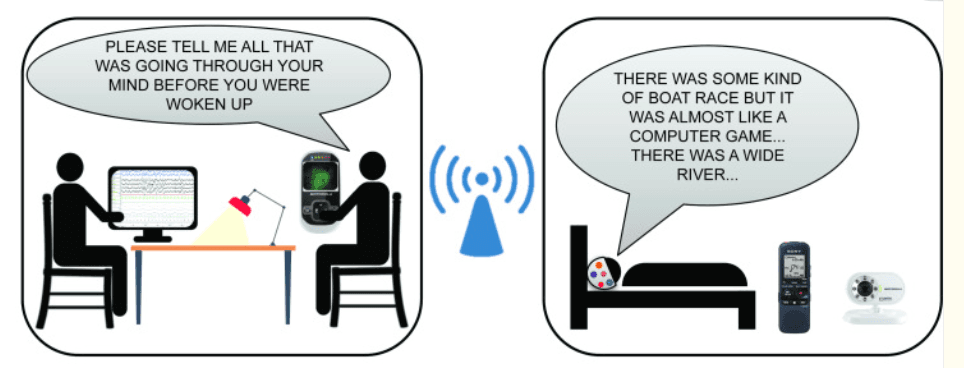
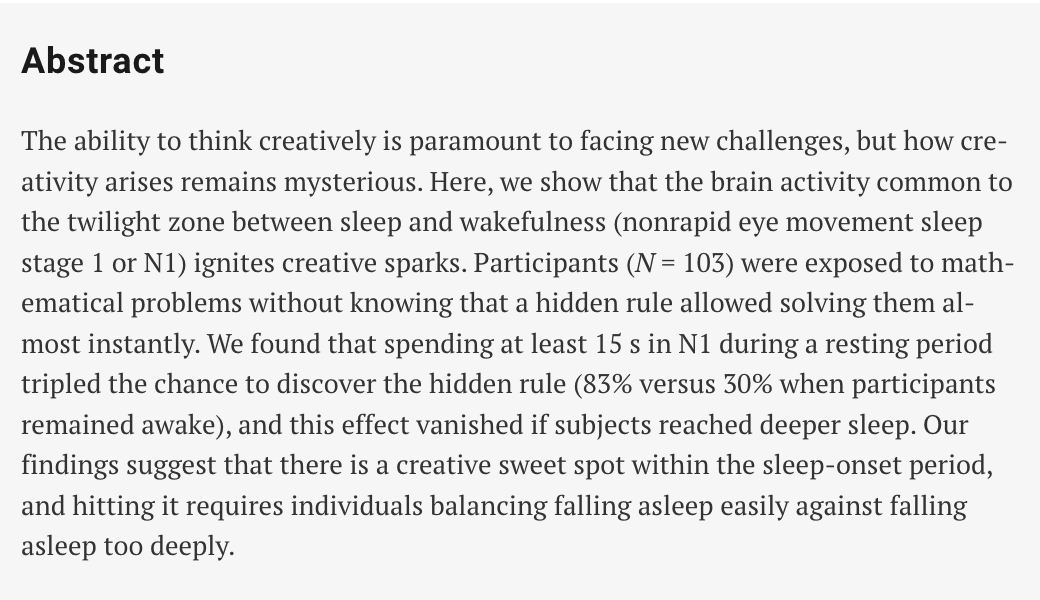
Posted by Dina Fine MaronJun 8Sleep research published in 2021 confirmed that there is a 'creative sweet spot' when people are drifting off to sleep, and that if they wake up at that point to work, it can boost their creative problem-solving.Show 1 more finding ZoomSleep onset is a creative sweet spotScience Advanceshttps://www.science.org/doi/10.1126/sciadv.abj5866
Posted by Marco Daniel MachadoJun 30Photographic memory isn't real, but other rare memory types do existWhile 2% of children can recall sensory experiences with extreme detail (eidetic memory) and some adults can remember life events or dates with high accuracy (hyperthymesia), there is no scientific evidence for the flawless recall popularized in fiction. Most memory feats instead rely on training and memorization techniques.Is photographic memory a real thing?Stuff You Should Knowhttps://open.spotify.com/episode/547SgslDrfbeLtTnhUGDd9
Posted by Teddy BurkhardtJan 2, 2024What do your dreams mean, according to scienceHumans have been interpreting dreams as signs from deities, spirits, or the psyche for ages, and research shows that reflecting on and analyzing one's dreams can be beneficial. In alignment with dreams' elusive nature, they have no objective or clearly assigned meaning. However, variations of common dreams, such as a surprise exam in a forgotten class, are rife with shared primal fears. ZoomWhat Your Dreams Actually Mean, According to ScienceTIMEhttps://time.com/4921605/dreams-meaning/
Posted by Dina Fine MaronJun 9Dreams have long been used for religious and political power.Show 2 more findings ZoomWhy are dreams such potent vehicles for the supernatural? | Aeon EssaysAeonhttps://aeon.co/essays/why-are-dreams-such-potent-vehicles-for-the-supernatural
Posted by Dina Fine MaronJun 9Animal brain studies show brain activity similar to what we'd expect during dreams, but parsing whether animals are truly dreaming depends on how one defines dreaming and how scientists could prove it.Show 3 more findings ZoomAnimals dream too—here's what we knowNational Geographichttps://www.nationalgeographic.com/animals/article/animals-dream-too-heres-what-we-know
Posted by Teddy BurkhardtSep 23, 2024Visualizing how we dream via Google search trendsWhen dreams perplex us, we often want to understand them—and in the age of Google, millions go to its search engine to find answers. Now, researchers have compiled a decade's worth of dream-related queries to glean dream trends across seven languages. See what dream was most commonly searched in Arabic in 2015, or what fears and hopes are specific to one culture and time alone with this unique visual essay. ZoomThe Shape of Dreams — by Federica Fragapane and Google News Labhttps://the-shape-of-dreams.com/#/
Posted by Marco Daniel MachadoJun 27, 2025Sharp wave ripples in the brain tag experiences for long-term memory storageThese ripples were known to quickly replay neuronal sequences during sleep for consolidation. While awake, they help the brain prioritize memories to remember, and their disruption can impair memory formation. ZoomElectric ‘Ripples’ in the Resting Brain Tag Memories for Storage | Quanta MagazineQuanta Magazinehttps://www.quantamagazine.org/electric-ripples-in-the-resting-brain-tag-memories-for-storage-20240521/
Posted by Meher QazilbashMar 5, 2025Forty to 110 minutes of deep sleep is recommended per nightAdults typically spend 10% to 20% of the night in deep sleep, also known as slow-wave sleep, with the rest of the night spent either in light sleep or REM states. ZoomHow Much Deep Sleep Do You Need?https://www.sleepfoundation.org/stages-of-sleep/deep-sleep
Posted by August MoonJul 23Humans may have evolved to need less sleep.Show 2 more findings 0:57Have Humans Evolved to Need Less Sleep?1440 Originalshttps://youtube.com/shorts/eq4XLk-3XbA
Posted by Marco Daniel MachadoJun 8Sleep research indicates dogs likely dream about their toys, food, and owners.Show 2 more findings ZoomDogs Do Dream, and It’s Most Likely About Their Toys, Food, and YouDiscover Magazinehttps://www.discovermagazine.com/planet-earth/dogs-do-dream-and-its-most-likely-about-their-toys-food-and-you
Posted by Teddy BurkhardtJun 25, 2025How to remember everythingOn average, people can remember seven different things using their working memory. To better retain all the things we need to remember, Tiago Forte developed the Second Brain method: a simple approach for immediately capturing, organizing, and storing the myriad tasks, learnings, and resources we collect throughout the day. ZoomHow to remember everything — Tiago Forte and his Second Brainhttps://undo.fm/secondbrain/?utm_source=listennotes.com&utm_campaign=Listen+Notes&utm_medium=website
Posted by Teddy BurkhardtOct 16, 2025Sleep is often viewed individually, when its impact and meaning may be more communalAt any given point, roughly 2 billion people may be asleep on Earth. The typical scientific description of sleep focuses on its individual impact, but the phenomenon shapes whole cultures and eons. This essay prompts a fresh rethinking of the importance of sleep for humanity.Two billion humans are doing something bizarre right now: sleeping | Aeon EssaysAeonhttps://aeon.co/essays/two-billion-humans-are-doing-something-bizarre-right-now-sleeping
Posted by Drew SteigerwaldJun 28, 2024About 10%-15% of people experience chronic insomniaHow often would you say you struggle to stay or fall asleep? If it's more than three times per week (and has been going on for at least one month), then you might have one of the most common sleep disorders: insomnia. 1:51Insomnia Explained1440 Originalshttps://www.youtube.com/watch?v=Inw3dkIO3u0
Posted by Dina Fine MaronJun 8For most of recorded history dreams were considered divine in origin.Show 2 more findings ZoomSleep, dreaming, and mental health: A review of historical and neurobiological perspectivesSleep Medicine Reviewshttps://www.sciencedirect.com/science/article/abs/pii/S1087079210000699
Posted by Dina Fine MaronJun 8Sleep is no longer considered a binary state—scientists are seeking to map a variety of liminal states between sleep and waking, including the hypnagogic state associated with boosts of creativity.Show 5 more findings ZoomHow the Brain Moves From Waking Life to Sleep (and Back Again) | Quanta MagazineQuanta Magazinehttps://www.quantamagazine.org/how-the-brain-moves-from-waking-life-to-sleep-and-back-again-20251017/