Posted by Dina Fine MaronAug 18Narcolepsy occurs when the brain loses its ability to control its sleep-wake cycle.Show 3 more findings 4:57Here’s What Causes NarcolepsySeekerhttps://www.youtube.com/watch?v=KV6HvzNf_jM
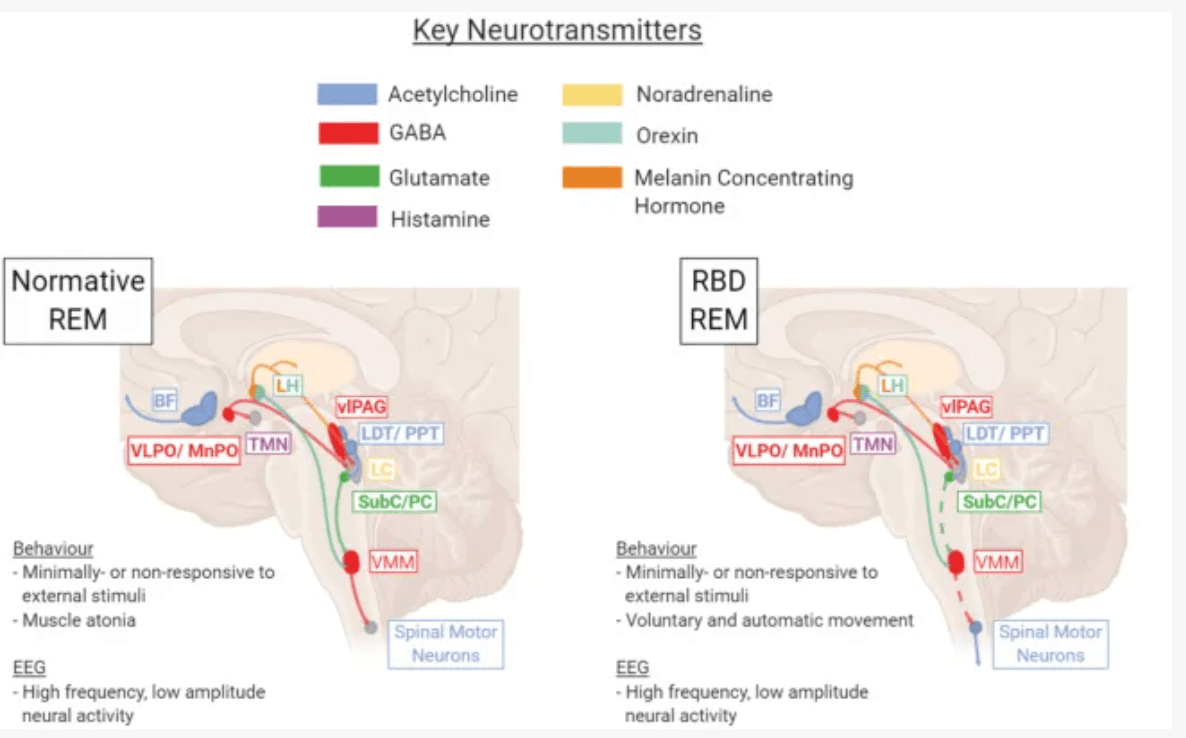
Posted by Dina Fine MaronJun 9People with a sleep disorder called REM Sleep without Atonia don't experience the temporary paralysis of skeletal muscles that typically occurs during REM sleep—instead, they have vivid dreams that they act out during sleep.Show 2 more findings ZoomA Neurologist’s Guide to REM Sleep Behavior DisorderFrontiershttps://www.frontiersin.org/journals/neurology/articles/10.3389/fneur.2020.00610/full
Posted by Dina Fine MaronJun 10Sleep paralysis occurs when the body fails to 'unfreeze' in sync with waking.Show 2 more findingsEpisode 6: Sleep and the SupernaturalAre You Sleeping?https://open.spotify.com/show/77hFpNocKTrejXD6qD0cbc
Posted by Dina Fine MaronJun 8Sleepwalking, or somnambulism, is a bit of a misnomer since many things can occur during this state, including speaking, using the bathroom, and more.Show 2 more findings 5:32Gibberish, urine, and utter chaos: What happens when you sleepwalk - Emmanuel DuringTED-Edhttps://www.youtube.com/watch?v=o_JLTmIFq_A
Posted by Dina Fine MaronNov 18, 2024Why do we sometimes jolt awake before falling asleep?Around 70% of people are estimated to experience the sensation of falling and jerking awake right as they're about to drift to sleep. That mysterious phenomenon is called hypnic jerking. As common as it is, hypnotic jerking remains disconcerting and hard to explain. While we don't yet have clear answers, peruse this article in Popular Science for some possible explanations as to why this happens. ZoomWhat causes you to jolt awake right before falling asleep?Popular Sciencehttps://www.popsci.com/science/why-do-legs-jerk-when-falling-asleep/?utm_source=join1440&utm_medium=email&utm_placement=newsletter
Posted by Meher QazilbashMar 5, 2025What happens when we sleepSleep is a highly specialized and complex process that begins via signals from a region of the brain called the hypothalamus. As explained in this overview video from The Economist, the hypothalamus maintains our circadian rhythm by using light cues from our environment to regulate sleep via a compound known as melatonin. Once asleep, the brain begins the "sleep cycle" and progresses through the four stages of sleep over and over again each night. 2:45What happens when we sleep?The Economisthttps://www.youtube.com/watch?app=desktop&v=eTgNgGO_bLs&t=1230s
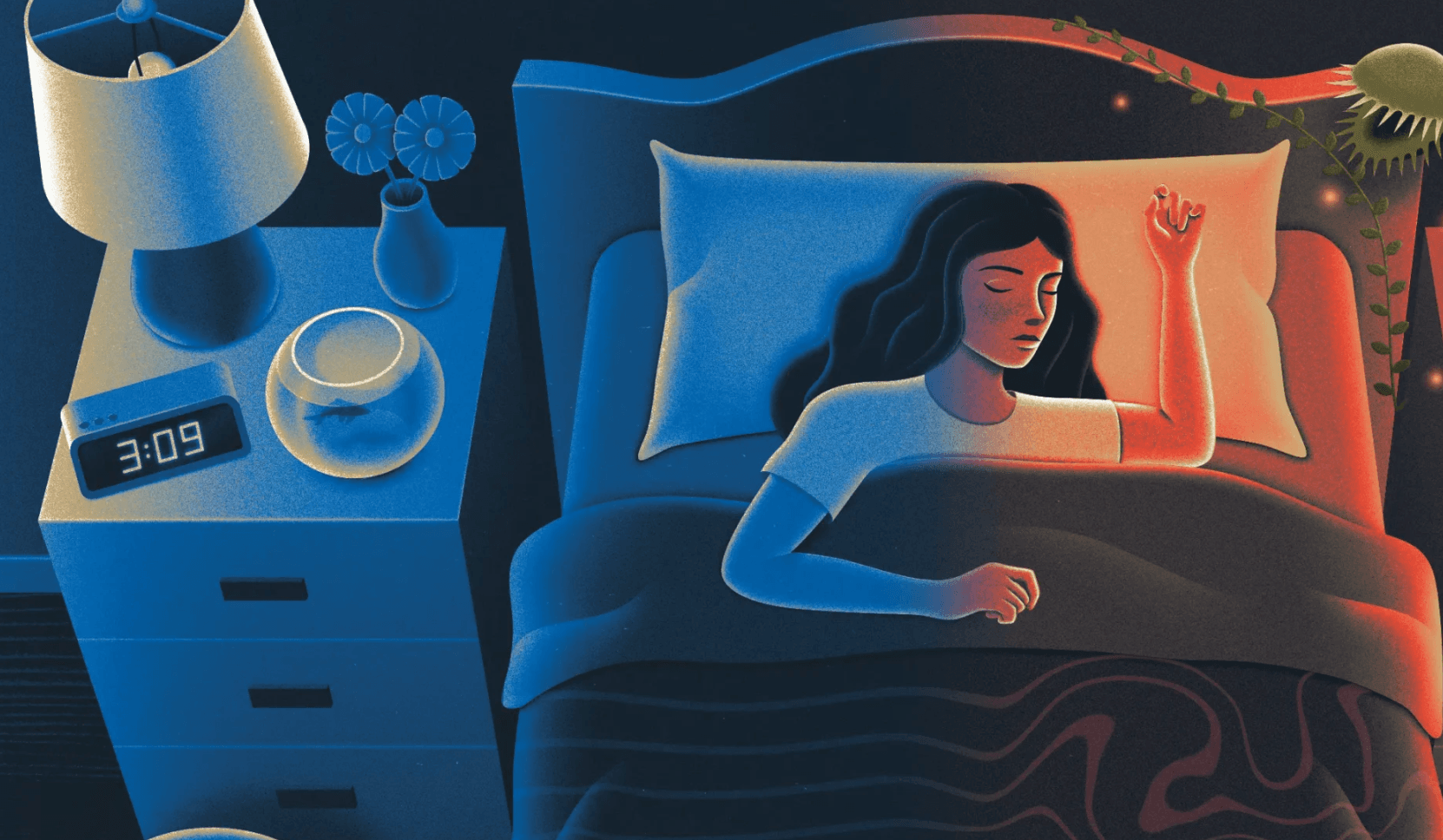
Posted by Dina Fine MaronFeb 23, 2024What it's like to live with insomniaThe biological process Shakespeare referred to as the chief nourisher of life's feast is necessary for the body and mind to rest and repair from the activities of daily life. As sleep evades the exhausted, sufferers also lose emotional stability, mental clarity, social connections, and more while simultaneously gaining waves of interrupted biological processes that can lead to disease and death. 1:12:41THE QUEST FOR SLEEP | Full Documentary Filmhttps://www.youtube.com/watch?v=sYCUjcNEZU8
Posted by Dina Fine MaronFeb 23, 2024Sleep disorders can exacerbate neurological and other health conditionsBrain regions that control sleep sit adjacent to those that regulate the autonomic nervous system, which controls involuntary bodily functions like heart and breathing rates. These neighbors influence each other, meaning poor sleep can impair or negatively impact the ANS, further disturbing sleep. ZoomAutonomic Dysfunction in Sleep Disorders: From Neurobiological Basis to Potential Therapeutic ApproachesNational Institutes of Healthhttps://www.ncbi.nlm.nih.gov/pmc/articles/PMC8926769/
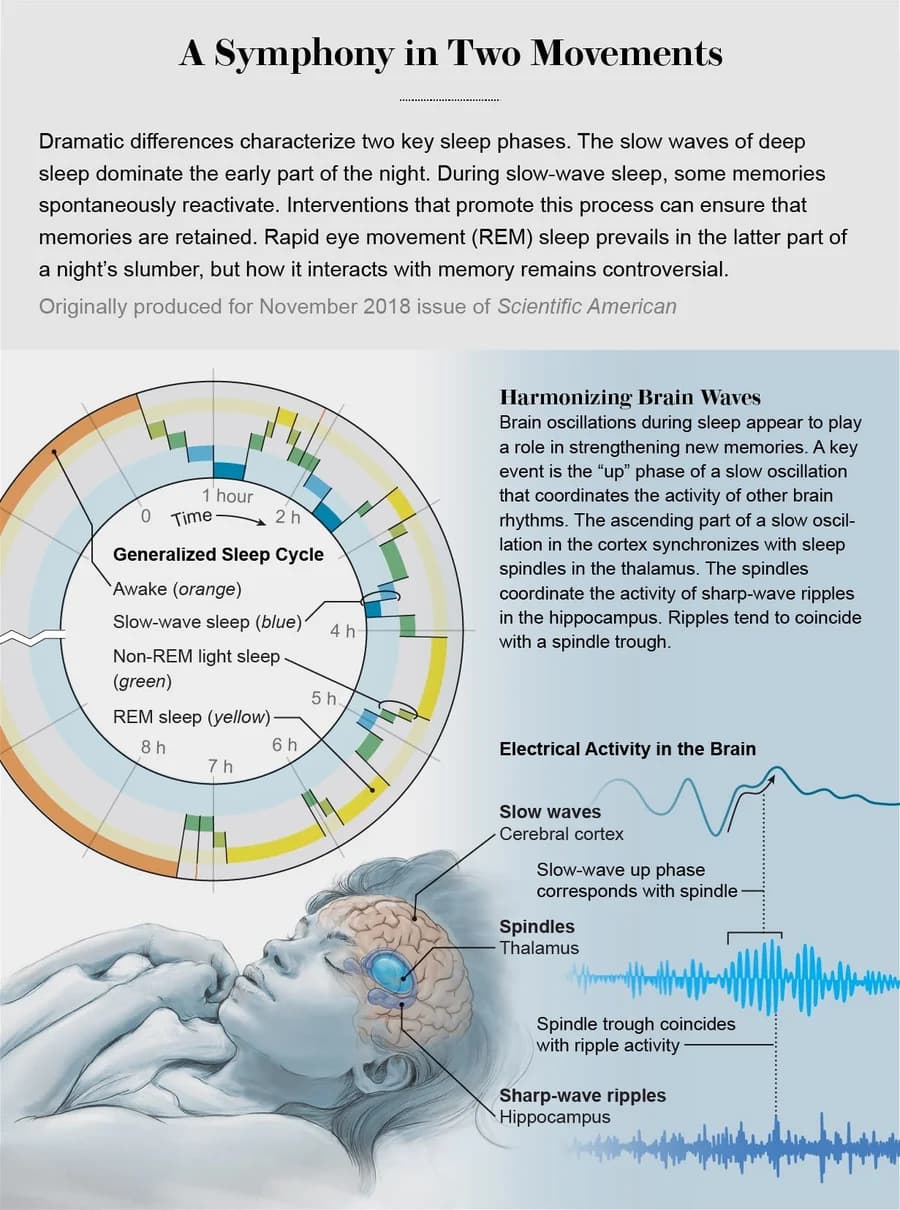
Posted by Dina Fine MaronJun 8The REM cycle—named for the 'Rapid Eye Movement' that occurs during this stage of intense dreaming—happens around four to six times per night.Show 3 more findings ZoomBrain Basics: Understanding SleepNational Institutes of Healthhttps://www.nhlbi.nih.gov/health/sleep/stages-of-sleep
Posted by Dina Fine MaronJun 30The brain will attempt to rest itself in periods of chronic sleep deprivationSkimping on sleep lengthens reaction times and blunts decision-making skills. At a certain point, the brain will try to sneak sleep where it can, shifting sections offline even as you remain awake. Going without sleep raises blood pressure, undermines the immune system, and increases one's risk of dementia.Sleep: All Aboard the Snooze Cruise!Science Vshttps://open.spotify.com/episode/3mTk1lZ9x41lqpy0NviaGe?si=6d208f5fb1084e1e&nd=1&dlsi=935a9be92c9f45d8
Posted by Teddy BurkhardtJan 30, 2025Why don’t you remember all your dreams?Despite being a near-nightly occurrence, we remember very few of our dreams. Researchers believe reduced activity in regions where memories are stored, a different neurochemical environment during sleep, and rapid transition during waking contribute to this phenomenon. ZoomWhy don’t you remember all your dreams?Popular Sciencehttps://www.popsci.com/science/why-dont-i-remember-my-dreams/
Posted by Dina Fine MaronJan 7SAD disrupts melatonin secretion, producing it longer in the morningThe hormone is secreted from the pineal gland in the brain and is key to the timing of sleep. However, the substance does not generate sleep itself. With seasonal affective disorder, the body misperceives the photoperiod—the time with light—and the cycle of sleeping and waking gets off-phase, leading to issues with circadian rhythms. 2:21What is melatonin -- and should you take it to fall asleep? | Sleeping with Sciencehttps://www.youtube.com/watch?v=f-yWJoJltoo
Posted by Teddy BurkhardtApr 17, 2025The overlooked physical causes of insomniaPersistent lack of sleep is dangerous for anyone, but women are especially unlikely to have their symptoms taken seriously. This article highlights the physical causes of insomnia—a condition often written off as solely psychological—and the importance of early diagnosis. The writer, Courtney Maum, was diagnosed with an anterior nasal valve collapse as the source of her insomnia. ZoomI spent four decades not sleeping a wink – until a doctor took my insomnia seriously | Well actually | The GuardianThe Guardianhttps://www.theguardian.com/lifeandstyle/2025/apr/02/chronic-insomnia-cause-experience
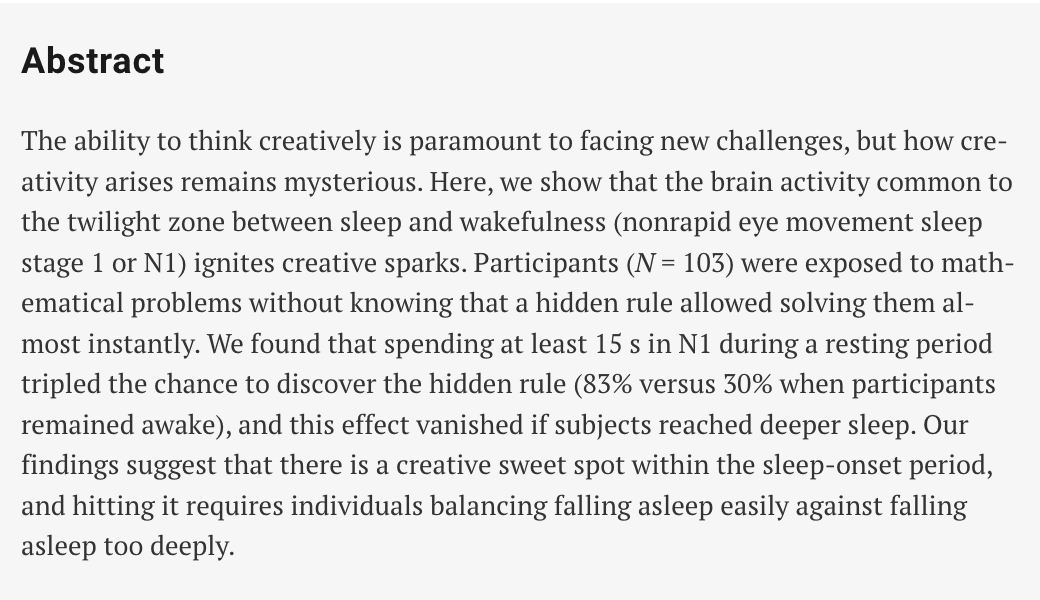
Posted by Dina Fine MaronJun 8Sleep is no longer considered a binary state—scientists are seeking to map a variety of liminal states between sleep and waking, including the hypnagogic state associated with boosts of creativity.Show 5 more findings ZoomHow the Brain Moves From Waking Life to Sleep (and Back Again) | Quanta MagazineQuanta Magazinehttps://www.quantamagazine.org/how-the-brain-moves-from-waking-life-to-sleep-and-back-again-20251017/
Posted by Dina Fine MaronFeb 23, 2024The deadly genetic disease that steals shut-eyeFew are haunted by fatal familial insomnia. This neurodegenerative disease is typically carried through bloodlines via genetic mutation of the prion protein gene, forcing the body to create abnormal and pathological protein variations that can corrupt normal versions. This article follows a musician as they attempt to come to terms with the FFI plaguing their family (and, possibly, their future). ZoomThe Washington Posthttps://wapo.st/3T9N8t5
Posted by Dina Fine MaronFeb 23, 2024A quick technical overview of insomniaInsomnia is one of the world's most common sleep disorders. Characterized by difficulties falling and staying asleep, long-term struggles with insomnia can prelude or contribute to health difficulties. Treatments range from sleep hygiene management and relaxation therapy, and medication, including antidepressants and melatonin. ZoomChronic Insomnia - StatPearls - NCBI BookshelfNational Institutes of Healthhttps://www.ncbi.nlm.nih.gov/books/NBK526136/
Posted by Drew SteigerwaldJun 28, 2024About 10%-15% of people experience chronic insomniaHow often would you say you struggle to stay or fall asleep? If it's more than three times per week (and has been going on for at least one month), then you might have one of the most common sleep disorders: insomnia. 1:51Insomnia Explained1440 Originalshttps://www.youtube.com/watch?v=Inw3dkIO3u0
Posted by Dina Fine MaronFeb 23, 2024What sleep loss does to the brainProteins in the brain perform various critical functions, such as helping neurotransmitters function or enabling electrical activity in the organ. These proteins must fold in specific ways to perform their duties, similar to paper airplanes. Sleep deprivation contributes to the gathering of misfolded proteins that aren't shaped correctly for their roles and so accumulate in undesired spaces, such as in the gaps between neurons. 4:20The importance of sleephttps://www.youtube.com/watch?v=fLxzcDsoPUU
Posted by Teddy BurkhardtJun 27, 2023Sleep apnea explainedWhile sleep apnea is directly tied to an increased risk of cardiovascular and metabolic health problems, many affected people are unaware of their problem. Sleep apnea occurs when upper airway muscles relax during sleep and pinch off the airway, which can cause breathing to pause for 10 seconds or more at a time. Sleep partners (rather than those inflicted) are often the first to notice breathing pauses or loud snoring in their bedmates. ZoomThe Dangers of Uncontrolled Sleep Apneahttps://www.hopkinsmedicine.org/health/wellness-and-prevention/the-dangers-of-uncontrolled-sleep-apnea
Posted by Teddy BurkhardtJun 30The body's sleep-wake cycle is one of its many circadian rhythmsThe body's sleep-wake cycle is one of its many circadian rhythms, which are behaviors or biological processes that exhibit 24-hour patterns. These rhythms are deeply impacted by light exposure, food availability, and much more, meaning where you live impacts your sleep. Chronobiology (CIRCADIAN RHYTHMS) Encore + 2023 Updates with Dr. Katherine Hatcher — alie wardOlogies with Alie Wardhttps://open.spotify.com/episode/675e4MxgAsSAlivxeeVhBw
Posted by Dina Fine MaronFeb 23, 2024Genetics play a role in the reliability of the body's biological clocksGrowing evidence suggests genetics influence when, how long, and how well one sleeps, meaning insomnia may have a genetic component. While exact insomnia biomarkers have yet to be determined, some genes, including those related to psychiatric disorders, have been implicated. ZoomThe Insomnia Geneshttps://protomag.com/genetics/insomnia-genes/
Posted by Dina Fine MaronJun 20, 2022What sleep is for and why you can’t live without itSleep is one of the most important needs that humans have. The body uses sleep as a time of restoration and rejuvenation, as body tissues repair themselves, growth hormones are released, and the process continues. Brain plasticity theorists believe that sleep is also used for the processing and consolidating of new memories. 8:37Sleep: Why We Need It and What Happens Without ItSciShowhttps://www.youtube.com/watch?v=pwNMvUXTgDY
Posted by Teddy BurkhardtJan 12, 2024Are you hypnotizable?What causes some people to genuinely fall under the spell of hypnosis and others not? The technique only appears to work easily on about 10% of people, and a variety of both genetic and psychological factors determines one's susceptibility. Researchers suggest effective hypnosis has more to do with a person's self-control than with external influence—and the technique can have tangible benefits. ZoomAre You Hypnotizable?https://nautil.us/are-you-hypnotizable-486905/
Posted by Dina Fine MaronJun 9Nightmares are unpredictable, but are linked to stress, anxiety, trauma, and more. Show 2 more findings 6:05Science of Dreams: What Are Nightmares?Healthlinehttps://www.youtube.com/watch?v=trAS-qhJfVU
Posted by Dina Fine MaronDec 16, 2023Why do dreamers twitch?This thought-provoking piece highlights newer research suggesting sleep twitches may not be random dream leftovers, but instead a crucial way our brains map and understand our bodies. From sleeping rat pups to dreaming octopi, this biological mapping system appears universal across animal species. ZoomWhat Are Dreams For?The New Yorkerhttps://www.newyorker.com/science/elements/what-are-dreams-for
Posted by Meher QazilbashJun 3The brain consolidates memories during sleep During sleep, the brain appears to process memories from the day and encode them into long-term storage. At the same time, the brain prunes old memories out of the brain that are no longer useful. Understanding this process also sheds light a various neurodegenerative diseases. ZoomSleep’s Crucial Role in Preserving MemoryYale e360https://medicine.yale.edu/news-article/sleeps-crucial-role-in-preserving-memory/
Posted by Dina Fine MaronJul 23Emerging research suggests that cannabis, used by about 9% of American adults as a sleep aid, may suppress rapid eye movement and lead to worse quality sleep and fewer remembered dreams.Show 2 more findings ZoomThe hidden way cannabis changes your brain while you sleepLimited AccessThe Washington Posthttps://www.washingtonpost.com/health/2026/07/23/hidden-way-cannabis-changes-your-brain-while-you-sleep/
Posted by Drew SteigerwaldApr 10We dream for around two hours each night, on average, but the exact purposes of dreams remains under investigation.Show 3 more findings 3:32Dreams Explained1440 Originalshttps://www.youtube.com/watch?v=tym1bbD10vI
Posted by Dina Fine MaronMar 7, 2024Narcan is an opioid antagonist that can rapidly reverse overdosesNaloxone, also known by the brand name Narcan, is an opioid-overdose reversal medication that typically begins working within a few minutes. An opioid antagonist, the treatment attaches to opioid receptors without activating them, forcing opioid molecules out of their respective receptors and allowing users' breathing rates to normalize. 3:15What is Naloxone?https://www.youtube.com/watch?v=RcAaZQQqd50
Posted by Teddy BurkhardtFeb 19Olympians view sleep as a performance tool, prioritizing routine and environmentElite athletes emphasize consistent sleep routines, dark and cool environments, the well-placed nap, and tools like eye masks, white noise machines, and supplements like melatonin (particularly for jet lag). This priority belies a core principle: recovery and performance are inseparable. Read more ways Olympians "sleepmaxx" here. Zoom12 Sleepmaxxing Tips To Steal From Olympianshttps://www.bustle.com/wellness/olympians-sleep-tips-winter-olympics-jet-lag-naps-melatonin
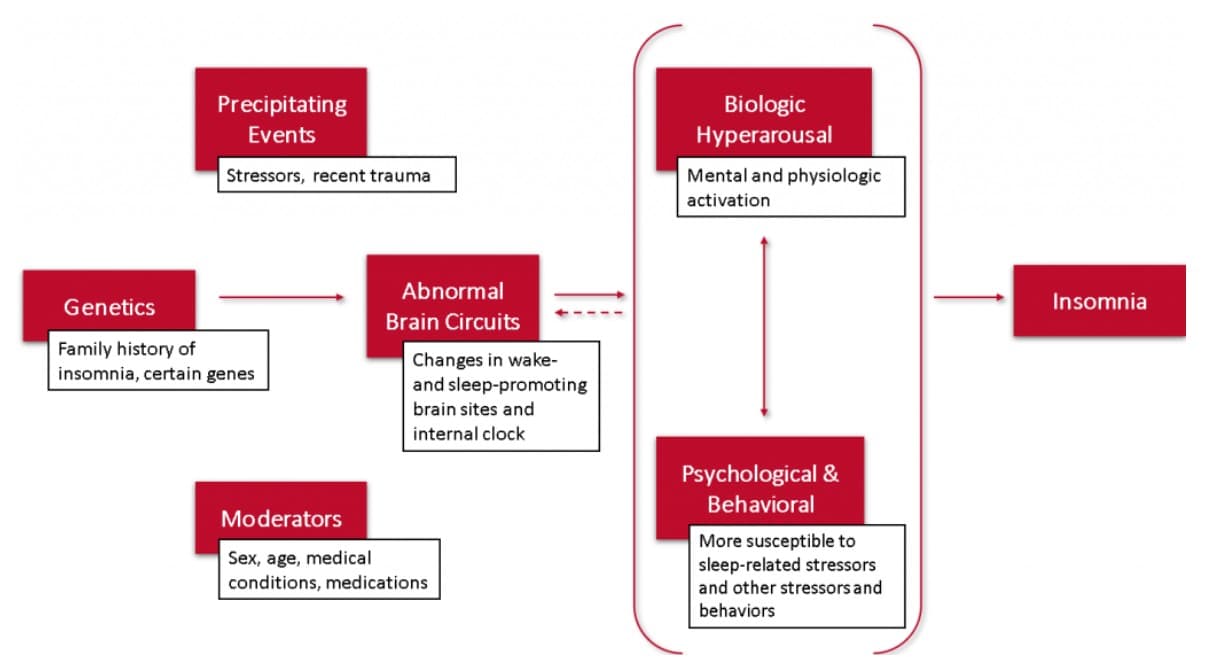
Posted by Dina Fine MaronFeb 23, 2024A framework for the various potential causes of insomniaInsomnia typically occurs in people dealing with life stressors and physical or mental health conditions, though the exact cause continues to elude researchers. Generally, the factors can be broken down into external (such as stress, medication, etc.) or internal (neurological) factors. ZoomWhat Causes InsomniaHarvard Universityhttps://sleep.hms.harvard.edu/education-training/public-education/sleep-and-health-education-program/sleep-health-education-20
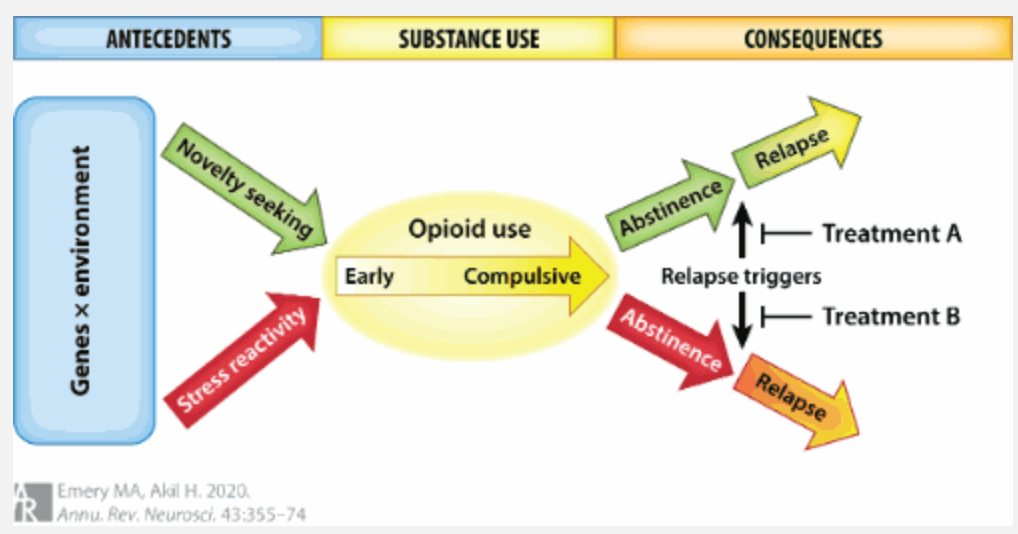
Posted by Dina Fine MaronJun 10The body produces its own opioids that act on several receptor types throughout the body, triggering the release of dopamine and suppression of noradrenaline, neurotransmitters associated with reward and alertness, respectively.Show 1 more finding ZoomEndogenous Opioids at the Intersection of Opioid Addiction, Pain, and Depression: The Search for a Precision Medicine Approach Annual Review of Neurosciencehttps://www.annualreviews.org/content/journals/10.1146/annurev-neuro-110719-095912
Posted by Dina Fine MaronJun 23, 2023External factors, not aging itself, lead to sleep loss in older adultsThough it is often believed that people need less sleep as they age, the recommended sleep guidelines for all adult age groups are almost identical. However, factors such as medication use, lack of physical activity, and loneliness can lead to sleep problems, and thereby lead older people to believe that they actually need less sleep than they do. 5:35How Aging Affects SleepYale Medicinehttps://www.youtube.com/watch?v=1RE08qza9es
Posted by Dina Fine MaronDec 6, 2023Poor sleep increases the risk of developing Alzheimer'sBrain imaging studies reveal poor sleep leads to production of amyloid beta proteins—molecules linked to Alzheimer’s—which are cleaned from the brain during high-quality sleep. These findings suggest conditions like sleep apnea and insomnia increase the risk of developing the disease. 3:08Matt Walker: What’s the connection between sleep and Alzheimer’s disease?TED-Edhttps://www.youtube.com/watch?v=6G3UIrqiFLw
Posted by Dina Fine MaronFeb 23, 2024Clinical insomnia is defined as trouble sleeping for three nights per week for at least one monthThe term "insomnia" is often used in popular culture to refer to general difficulty sleeping or staying asleep. In the US, insomnia transitions to a clinical disorder when symptoms—dissatisfying, nonrestful, and life-disrupting sleep—occur at least three nights per week for at least one month and cause "clinically significant" distress in important areas of life. ZoomInsomnia Disorderhttps://www.psychdb.com/sleep/2-insomnia-disorder
Posted by August MoonApr 30, 2025Your brain moves through four distinct sleep stages every nightEach stage plays a key role in memory, repair, restoration, and other key biological functions. The full cycle generally proceeds from light sleep and deep rest into vivid REM dreaming, which repeats between three and five times nightly. 1:34How Sleep Works1440 Originalshttps://www.youtube.com/shorts/R1UIvqdQmnM
Posted by Dina Fine MaronApr 23Studies suggest when you sleep is as important as how much you get.Show 4 more findings ZoomMany of us fight sleep. Here’s why we should stopReutershttps://www.reuters.com/graphics/HEALTH-SLEEP/mopakyjmnpa/
Posted by Dina Fine MaronJun 9Dreams largely occur during REM sleep (but not entirely).Show 2 more findingsWhy and How Do We Dream? | Quanta MagazineQuanta Magazinehttps://open.spotify.com/episode/57o0CHNTQ231GKyrvV85a3
Posted by Dina Fine MaronJun 8An estimated 1 in 250 people—a small subset of the population—reports they've never remembered a single dream.Show 3 more findings ZoomWhy Can Some of Us Remember Dreams, While Others Rarely Do?Discover Magazinehttps://www.discovermagazine.com/mind/why-do-some-people-always-remember-their-dreams-while-others-almost-never