Zoonotic Diseases
Overview
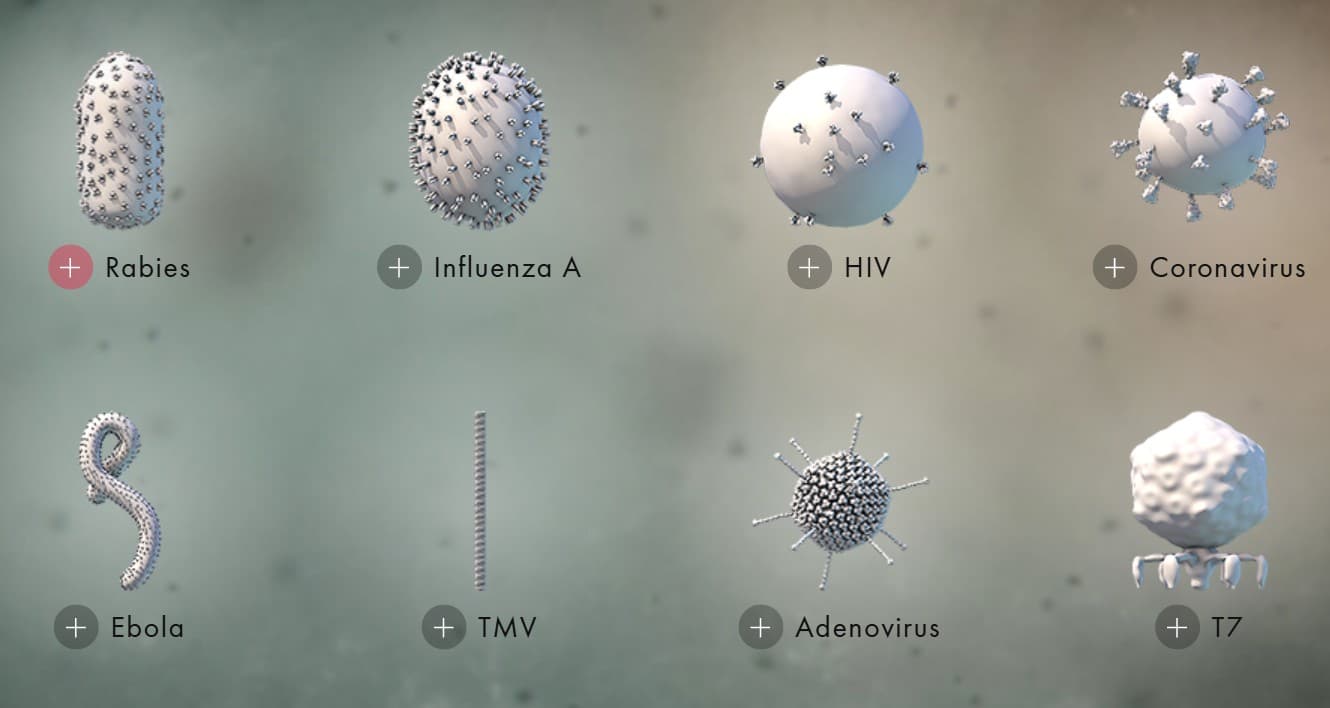
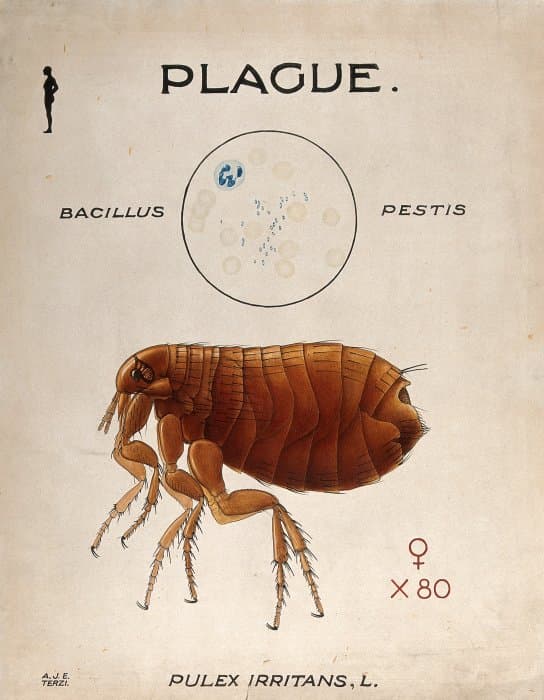
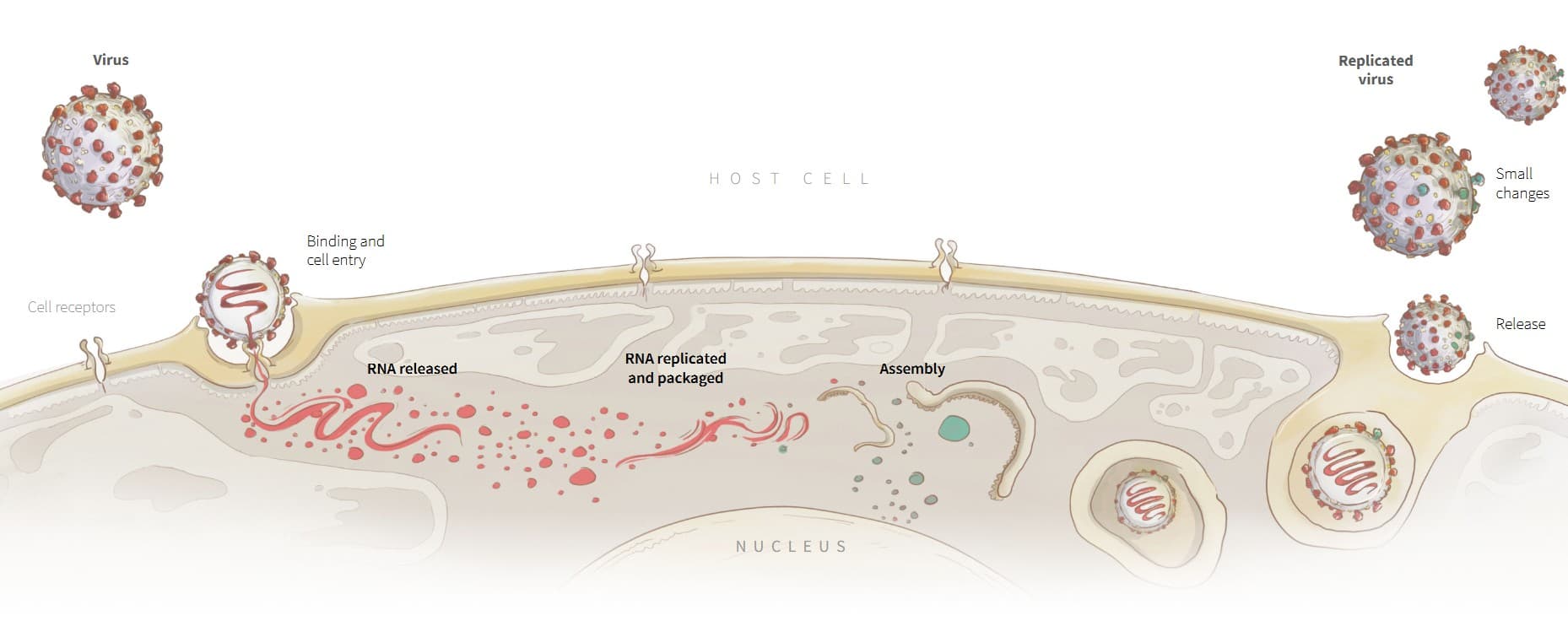
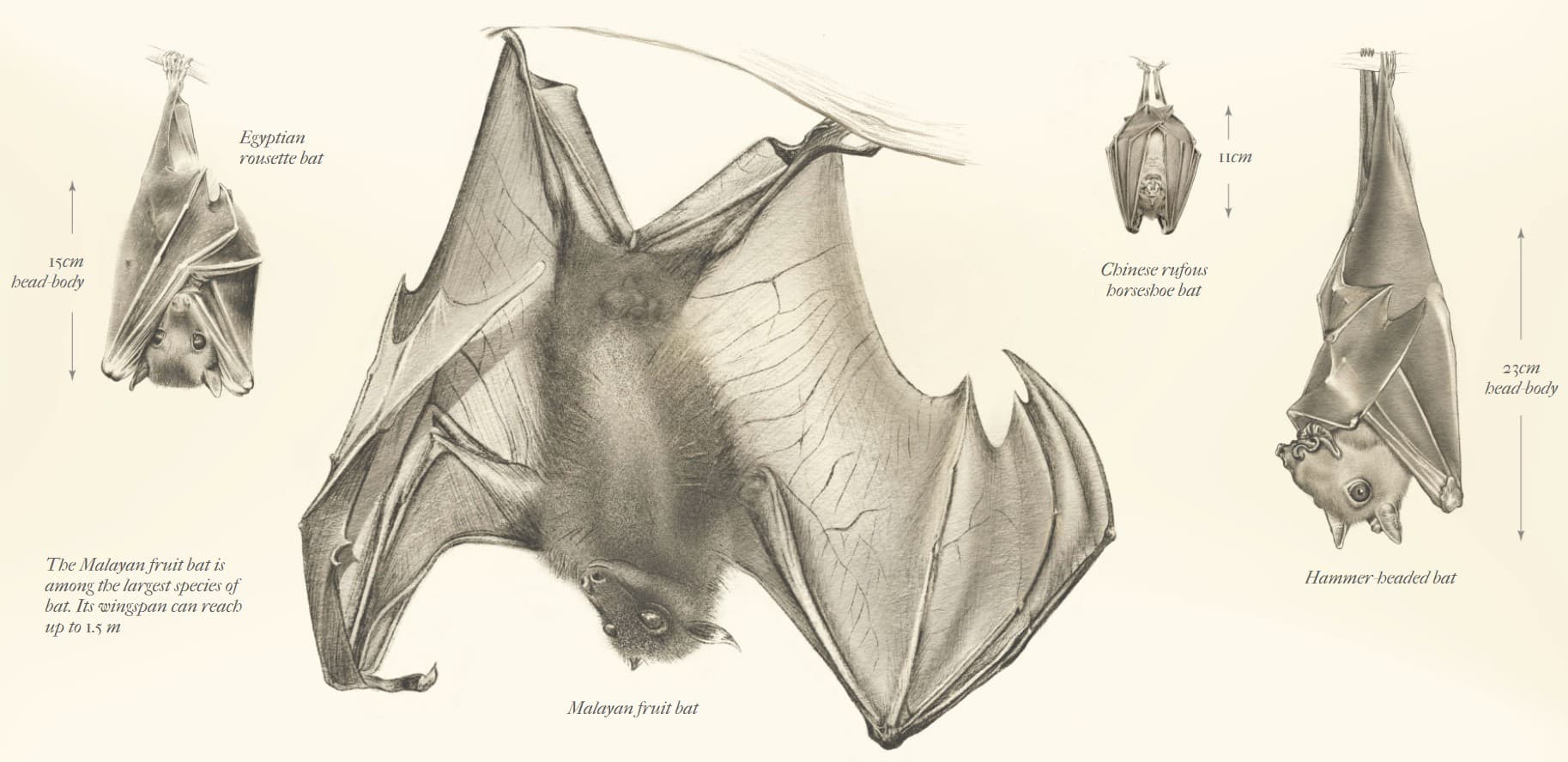
Zoonotic diseases are infections that spread between animals and people. They are the source of some of the world’s most devastating and deadly illnesses. The diseases may be caused by various pathogens—viruses, bacteria, fungi, or parasites—and can originate in creatures ranging from ticks and mosquitoes to pigs and bats.
Because animals may serve as natural reservoirs for pathogens to mutate and evolve, many emerging diseases have never been seen before. This means they're less likely to have existing treatments and may pose greater dangers to humans. Deforestation increases our contact with animals, boosting the chances of animal-human interactions and potential disease transmission. When researchers venture into unexplored environments, such as cave systems, they may also encounter new pathogens. And market conditions where live animals are kept in jammed quarters awaiting sale are also a known transmission risk.
While animals host a vast number of pathogens, only a small number successfully jump to humans and cause illness. More than 200 zoonotic diseases have been identified to date.
1440 Findings
Hours of research by our editors, distilled into minutes of clarity.






Explore Health & Medicine
Indulge your curiosity, from the inner workings of our bodies and minds to the latest in medical research and treatments, all aimed at enhancing your understanding of health, wellness, and medicine. Our resources are meticulously curated to offer precise and pertinent information to anyone interested in learning more about the medical sciences.