Posted by Meher QazilbashJul 30Drug-resistant staph infection is one of the deadliest superbugs.Show 2 more findings ZoomBeware: Under the Wrong Conditions, You Can Die from MRSAHealthlinehttps://www.healthline.com/health/can-you-die-from-mrsa
Posted by August MoonJun 24Superbugs are pathogens that have proved resistant to medications designed to combat them, rendering standard treatments ineffective.Show 2 more findings 1:23Why Scientists Struggle to Combat Superbugs1440 Originalshttps://youtube.com/shorts/JS8n_xeG_oU
Posted by Meher QazilbashJan 15, 2025Antimicrobial resistance is responsible for 1.3 million deaths each yearAntimicrobial resistance is a global health threat, driven by the misuse and overuse of antimicrobials in humans, animals, and more. Estimates suggest superbugs could lead to $1T in healthcare costs by 2050, and the world faces a shortage of new drug development to meet the challenge. ZoomAntimicrobial resistanceWorld Health Organizationhttps://www.who.int/news-room/fact-sheets/detail/antimicrobial-resistance?gad_source=1&gclid=Cj0KCQiA3sq6BhD2ARIsAJ8MRwVbkzSZjeVjl_hBT491TAfbKG8WjJcmj0zzBB5Go9fYsLfRPMEa0WAaAhrZEALw_wcB
Posted by Meher QazilbashJan 15, 2025The most critical superbug strains (as of 2024)The World Health Organization updated its list of the highest priority pathogens known to have developed antimicrobial resistance. Topping the 2024 update is Acinetobacter baumannii, carbapenem-resistant ("CRAB"), which has a mortality rate close to 50% and has evolved defenses against last-line medications. Download the full report here. Zoom10 of the deadliest superbugs that scientists are worried aboutWorld Health Organizationhttps://www.who.int/news/item/17-05-2024-who-updates-list-of-drug-resistant-bacteria-most-threatening-to-human-health
Posted by Meher QazilbashJan 15, 2025Drug-resistant infections worldwide have increased by about 65% since 2000Since 1990, antibiotic resistance has claimed at least one million lives annually and is projected to account for 39 million deaths between now and 2050 if current trends continue. The expanded use of antibiotics, particularly in agriculture, combined with a slowing pipeline of new drugs has led to the crisis. 7:20Be Smart | Antibiotic Resistance and the Rise of Superbugs | Season 3 | Episode 25PBShttps://www.youtube.com/watch?v=fyRyZ1zKtyA
Posted by Meher QazilbashJan 15, 2025More than 39 million people are expected to die from antimicrobial resistance by 2050In 2024, researchers published an incredibly detailed study aimed at predicting the real-world impact of antimicrobial resistance over the next 25 years. The key findings were clear: the superbug crisis is poised to get much worse and needs to be addressed. This article offers a clear, concise overview of the study, which was published in The Lancet. ZoomSuperbugs could jeopardise food security for over two billion people and increase annual health care costs by US$ 159 billion annually by 2050, finds most extensive modelling to datehttps://www.healthdata.org/news-events/newsroom/news-releases/superbugs-could-jeopardise-food-security-over-two-billion-people
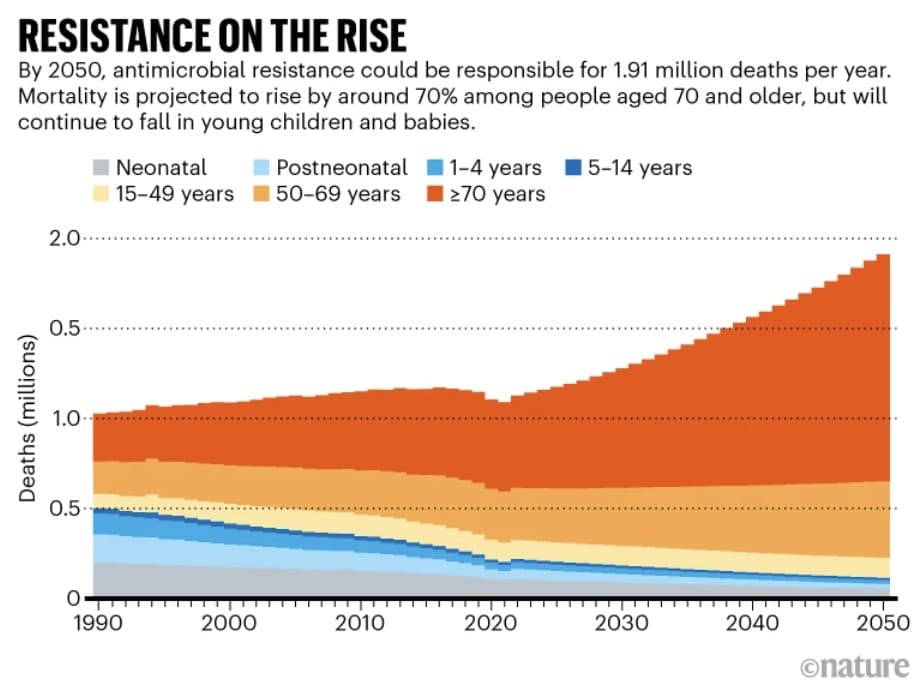
Posted by Drew SteigerwaldOct 14, 2025Superbugs could claim 1.9 million lives per year by 2050The increased use of antibiotics combined with an aging population, is projected to result in an almost 50% increase in global deaths from antimicrobial resistance each year. At the same time, antibiotic use for livestock is expected to increase by 30% over the same time frame. ZoomThe rise of ‘nightmare bacteria’: antimicrobial resistance in five chartsNaturehttps://www.nature.com/articles/d41586-025-03218-x
Posted by Teddy BurkhardtSep 24, 2025Antibiotic resistance is a growing global health problemOver decades, bacteria have grown increasingly resistant to antibiotics. This resistance now causes an estimated 1.27 million deaths each year and is associated with nearly 5 million deaths worldwide, according to the World Health Organization. 13:07The Antibiotic Resistance WarReactionshttps://www.youtube.com/watch?v=OCR5wFWSGlA
Posted by Dina Fine MaronJan 26Candida auris spreads easily in healthcare facilities and causes high death ratesThis fungus has spread rapidly in healthcare settings since the first US case was reported in 2016, and it has grown increasingly resistant to echinocandins, the antifungal medicine most commonly used to treat it. Often, it’s resistant to multiple antifungal drugs, contributing to its high death toll. It can most readily infect those with invasive medical devices like intravenous catheters and those with frequent or long-duration stays in healthcare facilities.US Centers for Disease Control and Preventionhttps://www.cdc.gov/media/releases/2023/p0320-cauris.html
Posted by Meher QazilbashJan 15, 2025Tips for reducing the risk of antimicrobial resistanceAntimicrobial resistance is bad news. But there are lots of things you can do to both protect yourself from superbugs and help keep the problem of antimicrobial resistance from getting worse. This page from the CDC offers clear, straightforward guidelines that can help keep you—and your loved ones—healthy. ZoomControlling the Emergence and Spread of Antimicrobial ResistanceUS Centers for Disease Control and Preventionhttps://www.cdc.gov/antimicrobial-resistance/prevention/index.html
Posted by Drew SteigerwaldOct 14, 2025Sepsis is the leading cause of death in hospitalsSepsis is the result of an overly aggressive immune system trying to combat infection, triggering inflammation throughout the body. After it begins, each passing hour increases the risk of death by 4% to 9%, and an estimated 350,000 people die from the condition in the US each year. 2:07What Is Sepsis?Cleveland Clinichttps://www.youtube.com/watch?v=CZRpFapTtlo
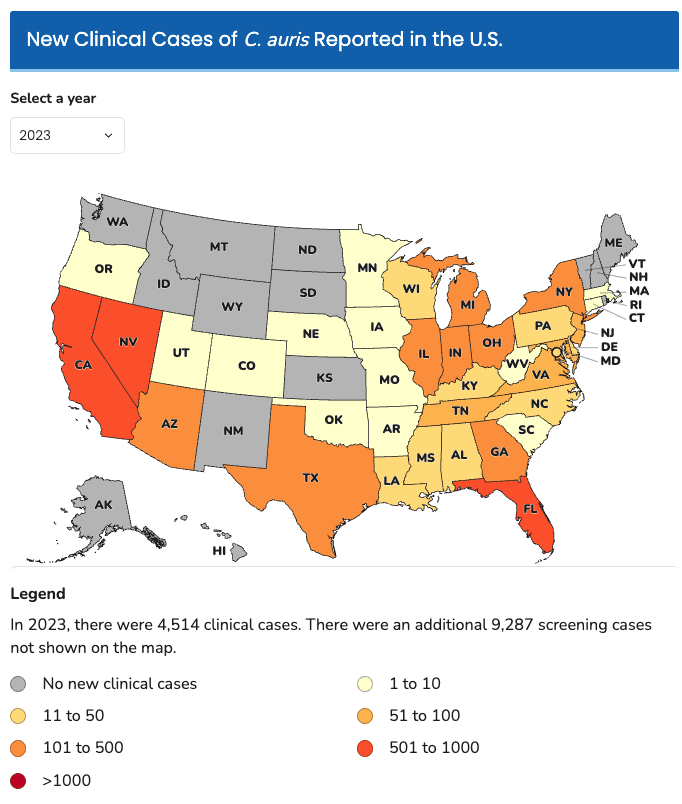
Posted by Dina Fine MaronJan 26Mapping the spread of a dangerous fungus growing in US healthcare facilitiesExplore the data showing how the fungus C. auris has spread in the US, with more than 10,000 reported cases since 2016. Recommended steps to prevent infections and limit their spread have been successful in some areas, but infection control remains complicated because the fungus is often now multidrug-resistant. ZoomUS Centers for Disease Control and Preventionhttps://www.cdc.gov/candida-auris/tracking-c-auris/index.html
Posted by Meher QazilbashJan 15, 2025Resistant infections are no longer isolated and can spread worldwideWhat does the rise of antibiotic resistance mean in practical terms? Maryn McKenna is a journalist at the forefront of covering antibiotic resistance since 2007. In this TED talk, McKenna lays out the very real consequences of antibiotic resistance—and what needs to be done to address the problem. 16:50What do we do when antibiotics don’t work any more?TEDhttps://www.youtube.com/watch?v=o3oDpCb7VqI
Posted by Meher QazilbashJan 15, 2025Overuse of antibiotics gives bacteria more opportunity to evolve their defensesThe overuse and misuse of antibiotics are significant contributors to the rise of antibiotic resistant bacteria. Experts say antibiotics should only be used for specific medical problems, and patients need to be sure to take antibiotics exactly as prescribed in order to reduce the risk of antibiotic resistance. ZoomAntibiotics: Are you misusing them?Mayo Clinichttps://www.mayoclinic.org/healthy-lifestyle/consumer-health/in-depth/antibiotics/art-20045720
Posted by Meher QazilbashJan 15, 2025Superbugs evolve defenses against medication, then share them with neighborsOne reason antibiotic resistance spreads so quickly is that bacteria have multiple mechanisms allowing them to share genetic material. This short video offers a concise explanation for each of these mechanisms, and animation that helps viewers understand how antimicrobial resistance can quickly spread from one organism to another. 1:34How antibiotic resistance spreads between bacteriahttps://www.youtube.com/watch?v=Sqr39xbDPS4
Posted by Meher QazilbashJan 15, 2025The international agreement to address antimicrobial resistanceAntimicrobial resistance has become an increasingly glaring problem for both health and agriculture. In 2024, the United Nations announced a new suite of clear actions and targets that—taken together with existing efforts—can help address superbugs in a meaningful way and on a global scale. This page from the UN lays out these efforts, with links to additional information on the many aspects of the initiative. ZoomWorld leaders commit to decisive action on antimicrobial resistancehttps://www.unep.org/news-and-stories/press-release/world-leaders-commit-decisive-action-antimicrobial-resistance
Posted by Meher QazilbashJun 30Scientists from the frontline discuss the future of antibiotics and superbugsSuperbugs are a very real problem, but researchers around the world are working to advance our understanding of these pathogens and develop new medicines. This podcast talks with several scientists on the frontier of superbug research, offering insight into what we know—and what the future of medicine may look like.Superbugs: Apocalypse … Now? | Science VsScience Vshttps://open.spotify.com/episode/2dQUvk9nvwsvOGPFFPf189
Posted by Dina Fine MaronAug 17Bedbug problems have been increasing, and some 2023 research suggests the tiny insects may be capable of spreading 'superbug' MRSA. Show 7 more findings ZoomBedbugs can cause people to lose sleep — and blood. Here's what to do about themAP Newshttps://apnews.com/article/bedbugs-control-prevention-mrsa-d4a6a560fff7bbf193d78df21009fc17?_hsenc=p2ANqtz-_HyIHSk4VcdbzOeoQP0WJeokraqFlBvA0yBwAeXrBG_xOFLz-lCI_EF6tVKeqklQ4f_COQmGz7QMePWUWDnI8j89yHCA&_hsmi=433530189
Posted by Marco Daniel MachadoAug 6Bacteriophages—viruses that infect bacteria before multiplying within them—exist on Earth in numbers greater than all other living organisms combined.Show 5 more findings 7:09The Deadliest Being on Planet Earth – The BacteriophageKurzgesagt – In a Nutshellhttps://www.youtube.com/watch?v=YI3tsmFsrOg
Posted by Meher QazilbashJan 15, 2025COVID accelerated antibiotic resistanceThe COVID-19 pandemic was caused by a virus, and viruses can’t be treated with antibiotics. But recent research finds that COVID patients were given a tremendous amount of antibiotics, contributing to the problem of antibiotic-resistant bacteria. Why? This NPR feature sheds light on an unexpected side effect of the pandemic. ZoomHow the pandemic gave power to superbugsNPRhttps://www.npr.org/sections/goats-and-soda/2024/05/29/g-s1-1647/covid-pandemic-superbugs-antibiotic-resistance
Posted by Meher QazilbashJan 15, 2025The new antibiotic killing drug-resistant bacteriaA new class of antibiotics had not been discovered in more than 50 years—until late 2023, when MIT researchers announced a new antibiotic called Zosurabalpin. In animal testing, Zosurabalpin was able to treat at least one type of superbug. While the drug still needs to go through clinical trials, it is a significant advance at a time when new antibiotics are in great demand. ZoomScientists hail new antibiotic that can kill drug-resistant bacteriaThe Guardianhttps://www.theguardian.com/science/2024/jan/03/scientists-new-class-antibiotic-kill-drug-resistant-bacteria
Posted by Dina Fine MaronJan 2919 fungal pathogens are of key concern to world health officialsIn 2022, this global health body issued its first-ever list of top fungal threats to human health. It said fungal threats are spreading and occurring more frequently. The WHO’s list included 19 fungal pathogens to watch, and said that the most dangerous ones to public health are Cryptococcus neoformans, Aspergillus fumigatus, Candida albicans, and Candida auris. There are only a handful of classes of medication currently available to combat fungal pathogens, with few others in the pipeline even though antimicrobial resistance is growing.World Health Organizationhttps://www.who.int/news/item/25-10-2022-who-releases-first-ever-list-of-health-threatening-fungi
Posted by Meher QazilbashApr 23An estimated 1% of DNA mutations in bacteria can produce more dangerous strainsResearchers have developed a technique to monitor these mutations in real time. Using this technology, scientists found that mutations occur at a steady rate, with 1% leading to potentially deadly changes. 1:56Mutating DNA caught on filmhttps://www.youtube.com/watch?v=Vi38IqxkW68
Posted by Meher QazilbashJun 30Roughly 80% of US antibiotics sold each year go to agricultural useAntibiotics have long been used in agriculture to treat diseases in animals and plants. However, antibiotics are also often misused, to treat non-bacterial diseases, to encourage growth in animals, and more. This expansive use of antibiotics has become one of the primary sources of the emergence of new superbugs. 9:38What is it? | www.fao.orgPBShttps://www.youtube.com/watch?v=F9b4KTJM8ps
Posted by Dina Fine MaronMar 13Vector-borne diseases kill more than 700,000 people globally each year—and are growingThe diseases with the greatest potential to spread widely aren't the ones that quickly kill human hosts. Instead, the best hosts or reservoirs for vector-borne diseases would be chronically ill over the long term, increasing the likelihood that the pathogen could be transmitted to others.https://open.spotify.com/episode/22xpvi20j6GgN7B8gQLXsj
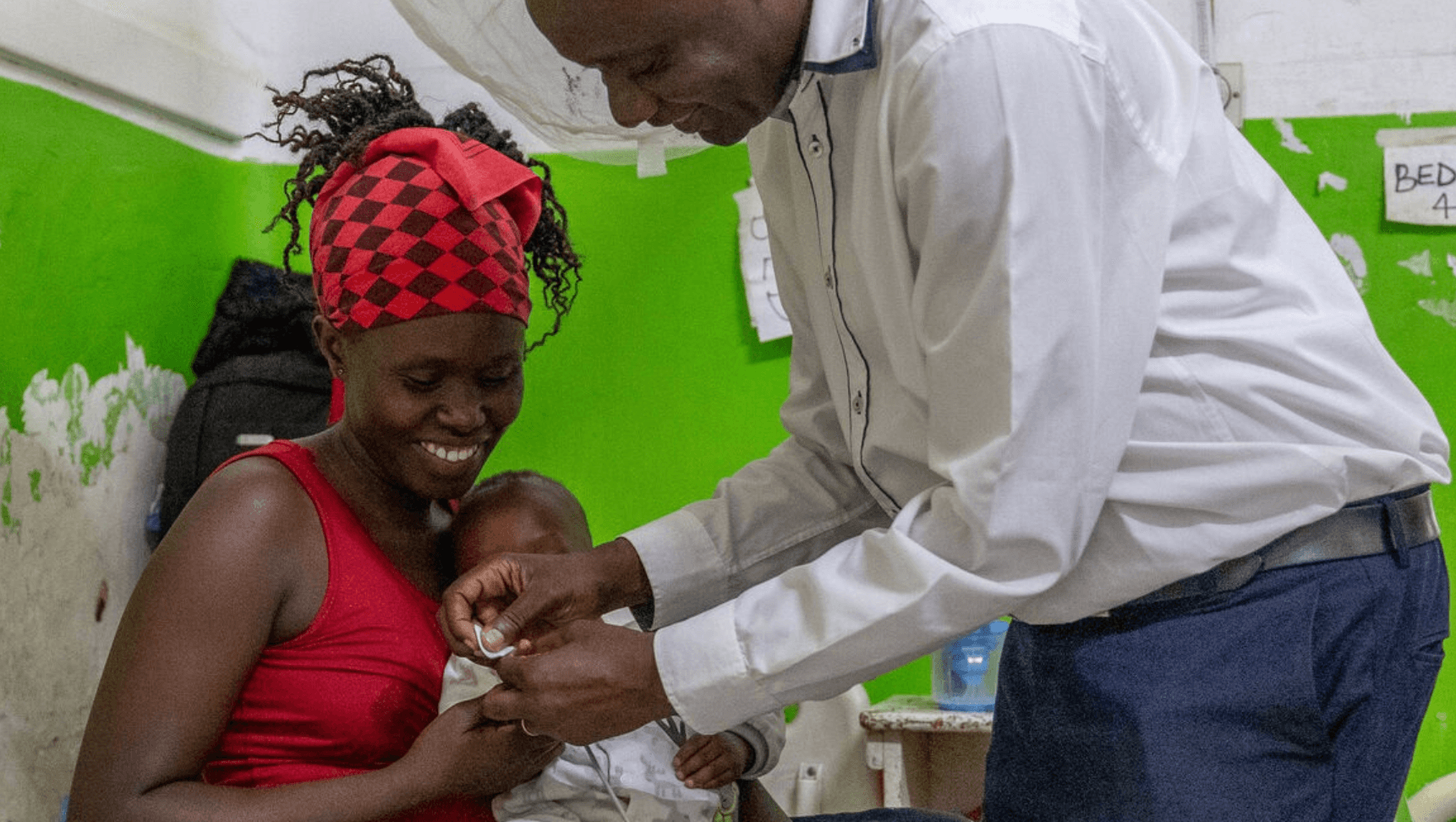
Posted by Dina Fine MaronJan 5Measles, eliminated in the US in 2000 but now making a resurgence, is one of the most contagious preventable diseases.Show 2 more findings 7:44Measles is one of the most contagious preventable diseasesSciShowhttps://www.youtube.com/watch?v=hduTH7yNG9s
Posted by Dina Fine MaronFeb 17Corynebacterium species are particularly responsible for our funky smellMyriad bacteria contribute to our body odor, but research suggests that Corynebacterium species are strongly associated with the bad smells emanating from adults. Staphylococcus and Cutibacterium genera may also play leading roles.National Library of Medicinehttps://pmc.ncbi.nlm.nih.gov/articles/PMC6267001/
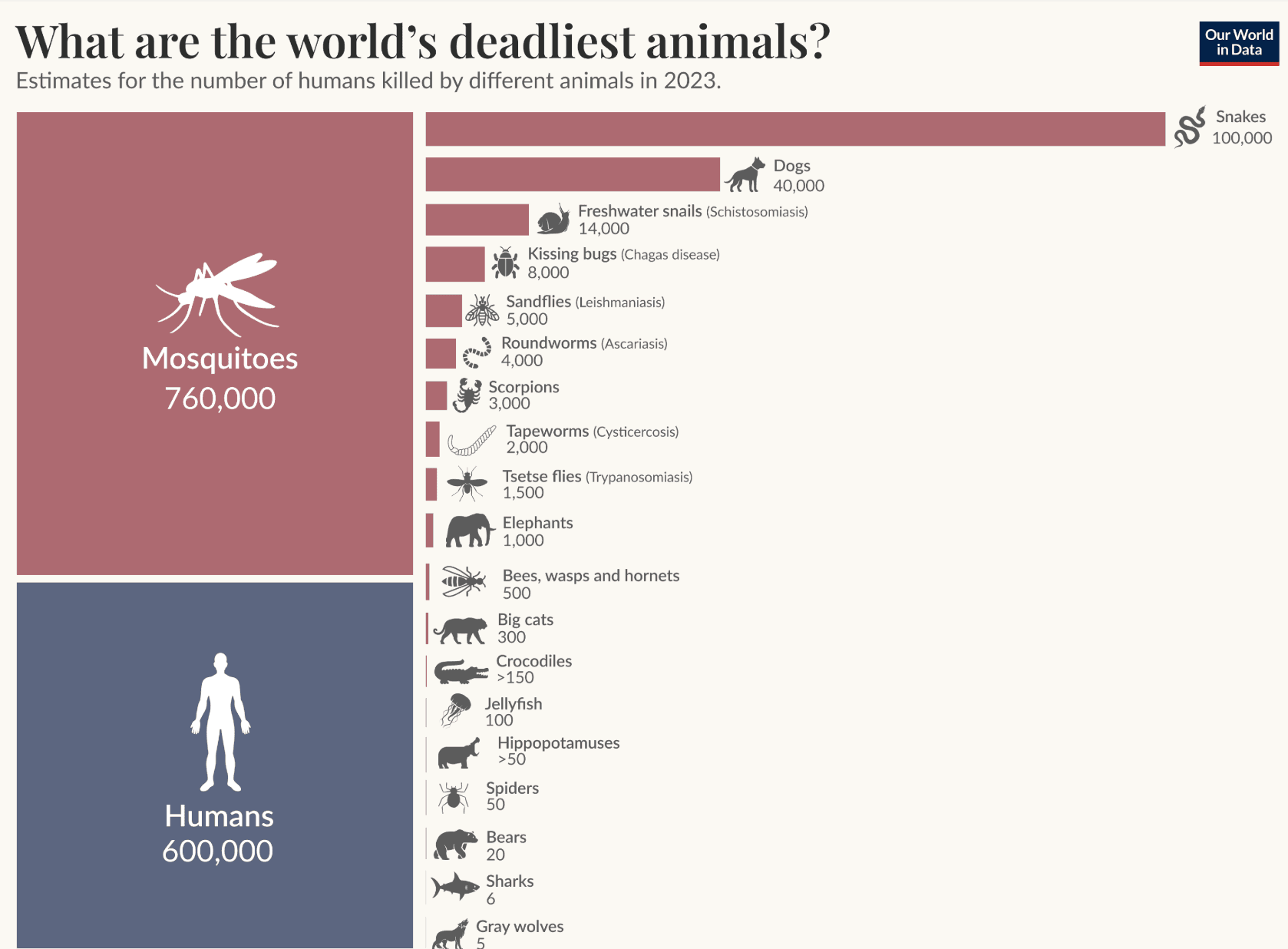
Posted by Dina Fine MaronMar 10Mosquitoes top the ranking of the world's deadliest animals.Show 3 more findings ZoomWhat are the world’s deadliest animals, and can we protect ourselves against them?Our World in Datahttps://ourworldindata.org/deadliest-animals
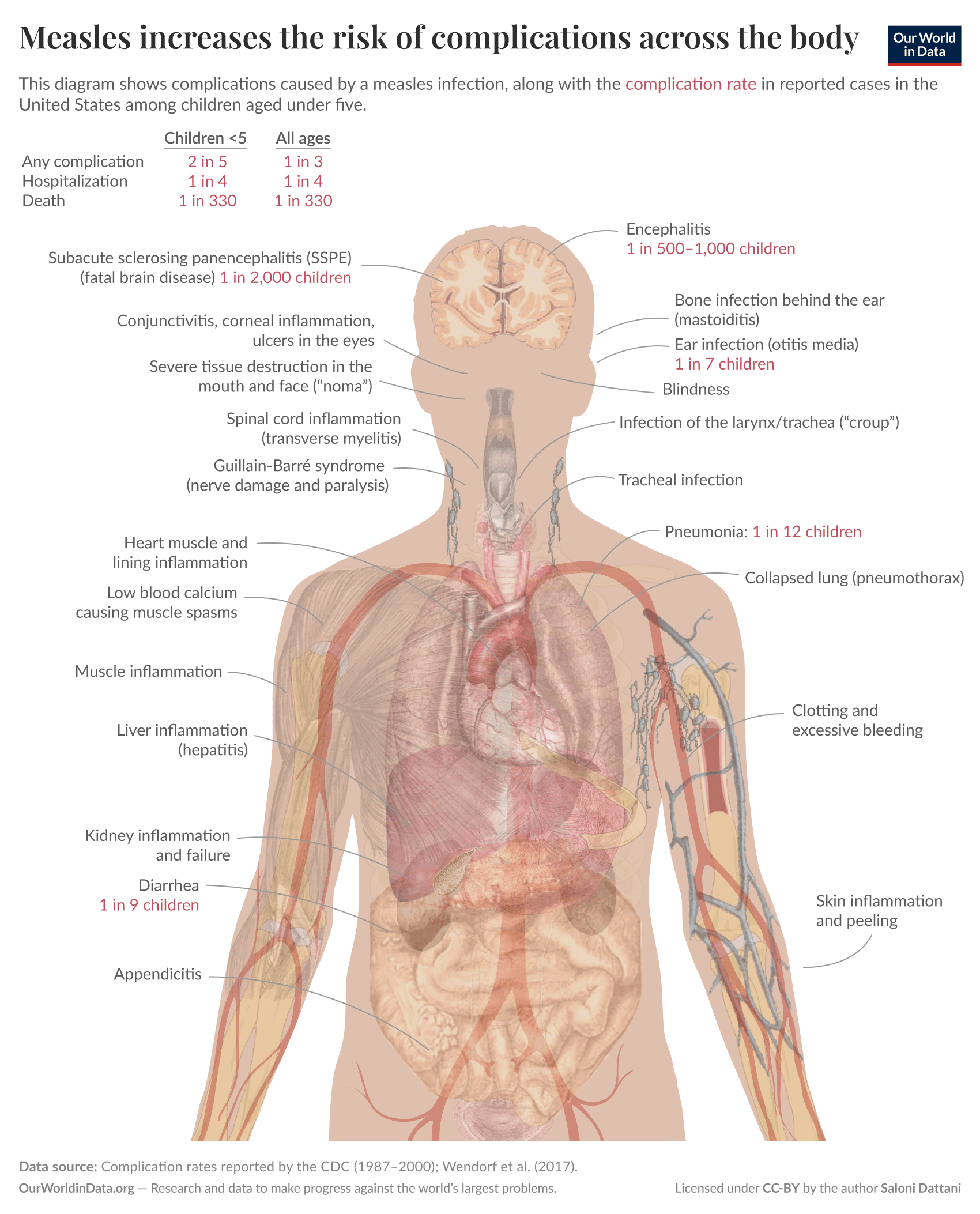
Posted by Drew SteigerwaldJan 5Measles attacks the body's immune system, leaving it vulnerable to secondary complications.Show 4 more findings 5:34Measles Explained — Vaccinate or Not?Kurzgesagt – In a Nutshellhttps://www.youtube.com/watch?v=y0opgc1WoS4
Posted by Teddy BurkhardtSep 24, 2025Pneumonia was once a leading killer before penicillin treatments In the early 20th century, pneumonia was a top cause of death worldwide, often fatal without effective treatment. Penicillin turned a once deadly infection into one of the most treatable bacterial diseases. Pneumonia Historyhttps://www.news-medical.net/health/Pneumonia-History.aspx
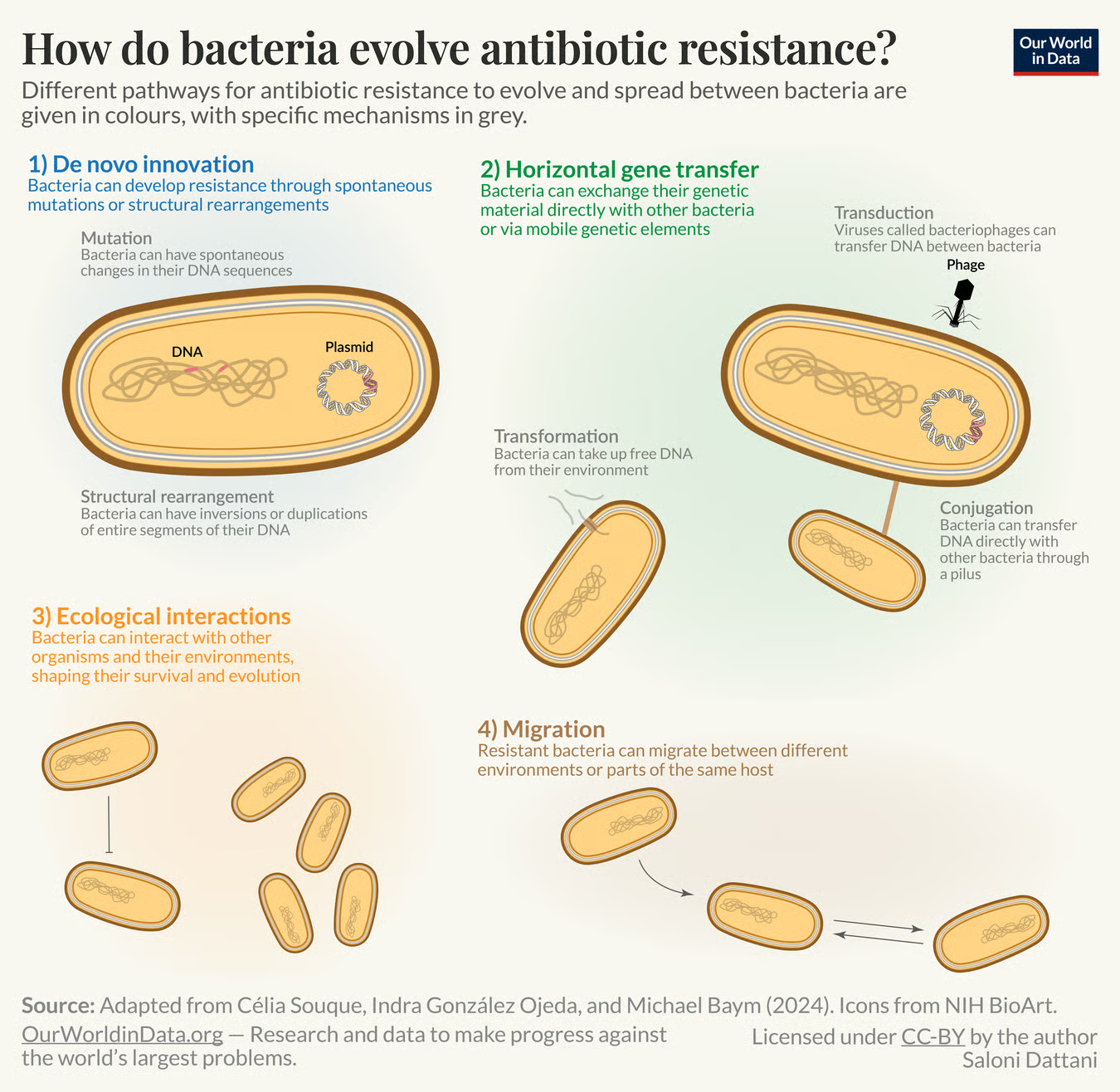
Posted by Drew SteigerwaldApr 30Bacteria rapidly evolve (and share) new defenses against drugs they encounterUnlike humans, bacteria rapidly make genetic changes in response to their environment, including creating defense against antibiotics. Furthermore, these defenses are passed on to their future generations and can even be shared with neighboring bacteria through horizontal gene transfer. ZoomHow do antibiotics work, and how does antibiotic resistance evolve?Our World in Datahttps://ourworldindata.org/how-do-antibiotics-work
Posted by Dina Fine MaronJan 26Cryptococcus neoformans, a growing threat, causes infections in the brain and lungsThis inhalable, microscopic pathogen is found worldwide. It rarely causes illness, but it can take root in those with compromised immune systems, including people with advanced HIV/AIDS. Symptoms of cryptococcal infection—such as a stiff neck, vomiting, and confusion—can begin weeks or months after breathing in spores, though sometimes symptoms won’t appear for years. There are no known cases of transmission between people or between people and animals.US Centers for Disease Control and Preventionhttps://www.cdc.gov/cryptococcosis/causes/index.html
Posted by Teddy BurkhardtSep 24, 2025Penicillin ended scarlet fever’s deadly threat to children Between 1840 and 1883, scarlet fever was among the leading causes of childhood death in the United States, with case fatality rates ranging from 15% to 30%. Today, thanks to antibiotics like penicillin, the mortality rate is below 1%. Why We Don't Worry About Scarlet Fever Anymorehttps://www.cato.org/commentary/why-we-dont-worry-about-scarlet-fever-anymore
Posted by Dina Fine MaronMar 17Anopheles mosquitoes are developing resistance to insecticides.Show 2 more findings ZoomNew tools saved a million lives from malaria last year but progress under threat as drug resistance risesWorld Health Organizationhttps://www.who.int/news/item/04-12-2025-new-tools-saved-a-million-lives-from-malaria-last-year-but-progress-under-threat-as-drug-resistance-rises
Posted by Teddy BurkhardtAug 15, 2023A 101 on the 'Death Cap,' the world's deadliest mushroomThe Death Cap, also known as amanita phalloides, is the most fatal mushroom on the planet, responsible for roughly 90% of the world's mushroom deaths per year. Ingestion of the mushroom wreaks havoc on the liver and kidneys, frequently leading to... ZoomDeath Cap –Amanita phalloideshttps://www.rbg.vic.gov.au/science/herbarium/death-cap/
Posted by Dina Fine MaronJul 28Scientists have found that kitchen sponges that don't appear dirty or greasy may still harbor bacteria that can cause foodborne illness, and the cleaning items should be discarded regularly, including after wiping surfaces that have come into contact with raw meat.Show 2 more findings ZoomIs Your Kitchen Sponge A Hidden Bacteria Farm? Even The Smell Test Can't Save YouIFLSciencehttps://www.iflscience.com/is-your-kitchen-sponge-a-hidden-bacteria-farm-even-the-smell-test-cant-save-you-84224
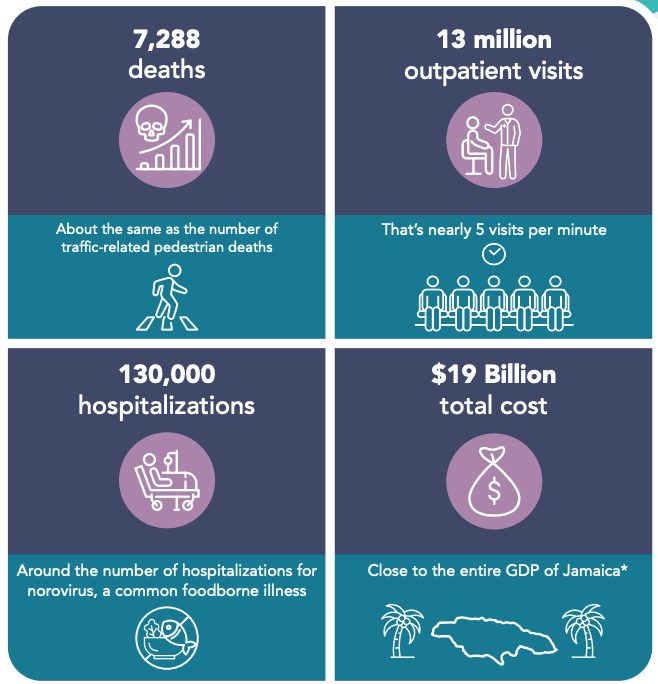
Posted by Dina Fine MaronJan 26Fungal diseases cost the US around $19B annually.Show 3 more findings ZoomFungal Disease Burden by the NumbersUS Centers for Disease Control and Preventionhttps://www.cdc.gov/fungal/data-research/facts-stats/by-the-numbers.html
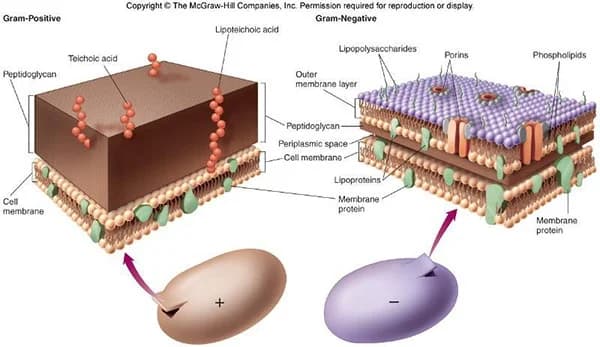
Posted by Meher QazilbashJan 15, 2025'Gram-negative' bacteria: Bugs with extra defenses along their cell wallsThe term 'Gram-negative' bacteria refers to bugs which react a certain way under a Gram stain test. These bacteria are harder to kill due to their double-layer cell walls with a thin peptidoglycan layer in between. This structure makes the delivery of drugs into the bacterial cell substantially more difficult. ZoomOverview of Gram-Negative Bacteria - Infections - MSD Manual Consumer Versionhttps://microbiologyinfo.com/differences-between-gram-positive-and-gram-negative-bacteria/
Posted by Meher QazilbashJan 15, 2025Penicillin’s discoverer predicted antibiotic resistanceAlexander Fleming’s discovery of penicillin revolutionized modern medicine. But the same man who pioneered the development of antibiotics also recognized that bacteria could make sntibiotics obsolete if they were used irresponsibly. This story sheds light on Fleming’s discovery—and on his prophetic warning about antibiotic resistance. ZoomPenicillin’s discoverer predicted our coming post-antibiotic era 70 years agohttps://www.nobelprize.org/the-unseen-enemy-navigating-antimicrobial-resistance/