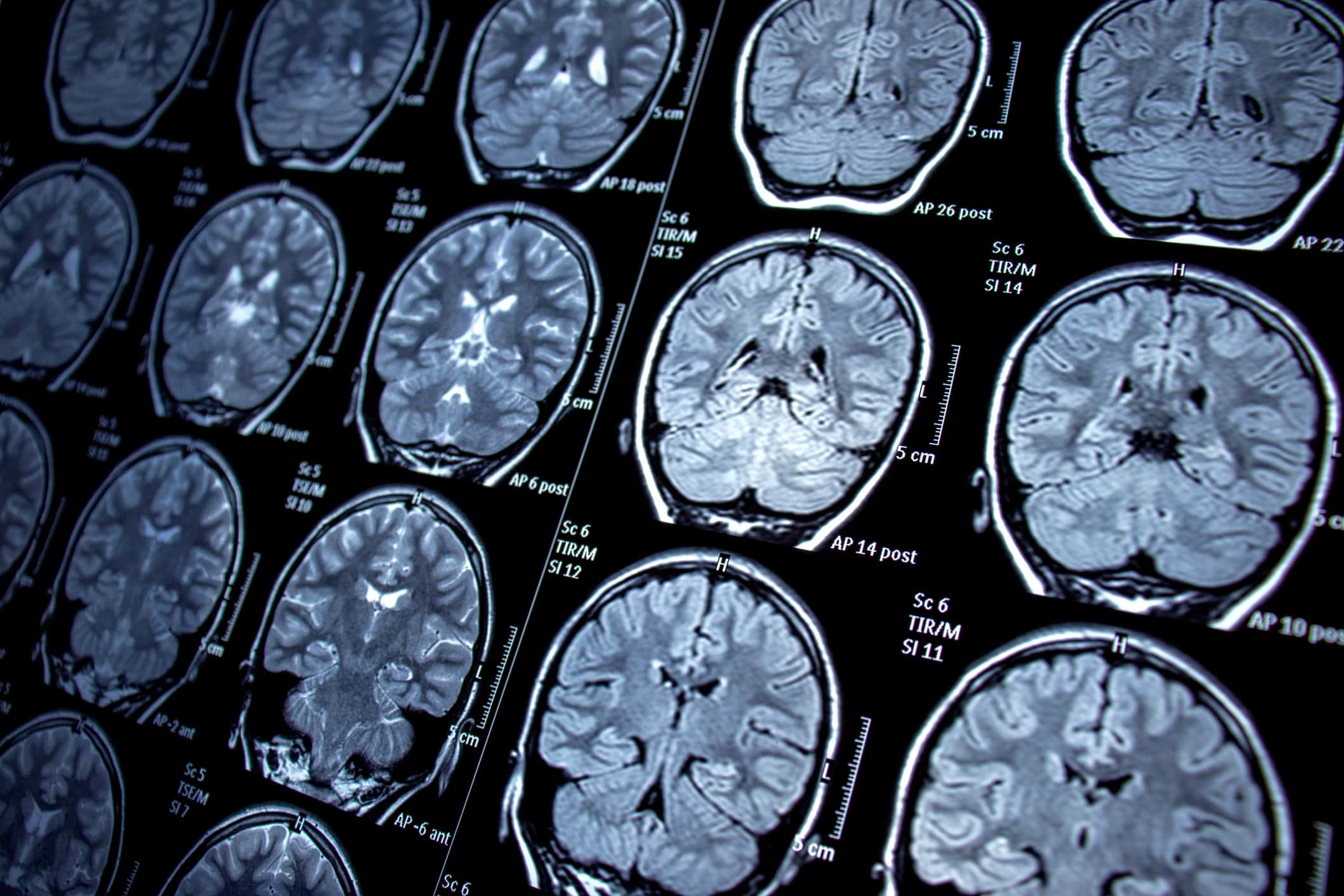
Multiple brain CT scan images arranged in rows showing cross-sectional views of the head and brain tissue.

Health & Medicine

Edited by Dina Fine Maron

Indulge your curiosity, from the inner workings of our bodies and minds to the latest in medical research and treatments, all aimed at enhancing your understanding of health, wellness, and medicine. Our resources are meticulously curated to offer precise and pertinent information to anyone interested in learning more about the medical sciences.

Content on 1440 is curated and distilled by our team of human editors.
Read our use of AI for more details.

Posted by

Explore the current landscape for patient consent with this 1440 Original video tied to Henrietta Lacks' legacy.

Posted by

Small genetic changes that accumulate over time force flu vaccines to be updated regularly.

Posted by

Explore a technical look at the measles virus and its toll on humanity through the ages.

Posted by

'Weight cycling'—when someone repeatedly loses and gains weight—can harm an individual's metabolism.

Posted by

Discover how strength training may help your brain and what happens inside your cells when you work out with this original '1440 Explores' podcast.

Posted by

A rare complication of measles is that, although a patient may appear to recover, the virus can linger in the body and continue to replicate, leading to a progressive and fatal breakdown of the central nervous system that occurs years or decades after initial infection.

Posted by

Without the option of modern blood transfusions, some doctors in the mid-1800s tried to help save cholera patients by injecting them with cow's milk, hoping it would boost their nutrition and hydration.

Posted by

Scientists are using CRISPR to genetically modify felines so they don't trigger allergies in humans.

Posted by

Repeated head injuries, which may occur in collision sports at the youth, amateur, and professional levels, can lead to CTE and early dementia.

Posted by

'Golden blood' is the rarest blood type in the world—fewer than 50 people are known to have it.

Posted by

Scientists are using CRISPR to genetically modify felines so they don't trigger allergies in humans.

Posted by

Narcolepsy occurs when the brain loses its ability to control its sleep-wake cycle.

Posted by

Hear what it's like to have malaria from a patient who suffered from the mosquito-borne disease.

Posted by

Gut microbiome experiments involving transfers of gut microbes from depressed people to rodents indicate that the rodents may then display depression-like symptoms.

Posted by

Farts are tiny status reports from our gut microbiome, with American adults typically passing gas more than 30 times daily.

Posted by

Jaundice, which can make the skin and eyes appear yellow, is a buildup of bilirubin, a waste product that forms when old red blood cells break down.

Posted by

Tommy John surgery, which can save a pitcher's career, reconstructs a torn ligament in the inner side of the elbow that would otherwise stabilize the elbow during throws.

Posted by

A rare complication of measles is that, although a patient may appear to recover, the virus can linger in the body and continue to replicate, leading to a progressive and fatal breakdown of the central nervous system that occurs years or decades after initial infection.

Posted by

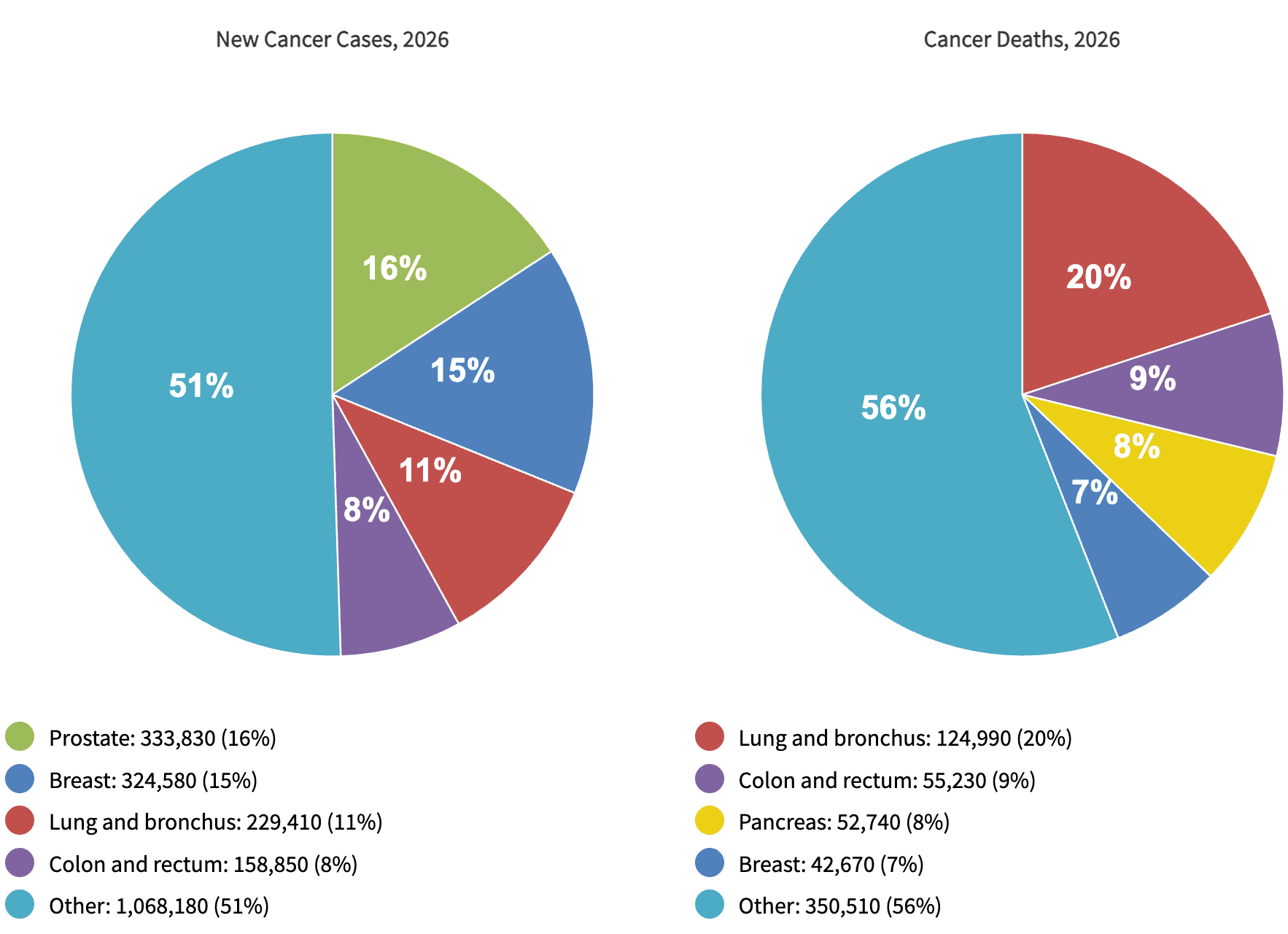
The additive effects of smoking, diabetes, and poor diet are the biggest risk factors for developing pancreatic cancer.