Blue Zones
Overview
Blue zones are regions around the world that appear to have high concentrations of healthy older people—including centenarians—and low rates of chronic disease, potentially due to factors such as genetics, diet, social connections, and more.
The term "blue zones" was first used in an academic paper in 2004 that sought to verify if there were truly pockets of very healthy agers in Sardinia, Italy. The elevated centenarian concentration there was first described in a 1999 research paper. Blue zones were literal—they referred to the blue dots demographers marked on a map to indicate that ages had been verified in those locations through painstaking methods, including cross-checking against civil records and conducting interviews about historical events.
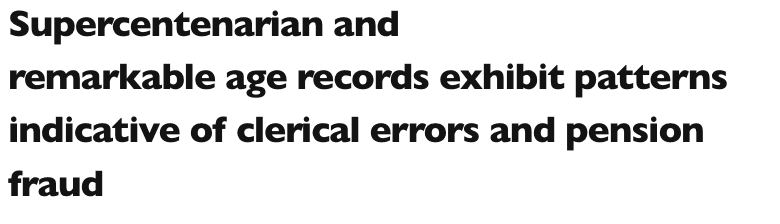
A 2005 National Geographic article by journalist Dan Buettner popularized the term blue zones, and Buettner went on to produce a related Netflix documentary series, pen numerous books on blue zones, and to launch cooking courses on blue-zone eating, among other related commercial efforts. There are blue zone-inspired retreats, meals, and more. In recent years, blue zones have sparked controversy as some critics have questioned the original record-keeping in those areas and noted that the number of healthy seniors in the original blue zone regions is now declining.
1440 Findings
Hours of research by our editors, distilled into minutes of clarity.









You've reached the end
Explore Health & Medicine
Indulge your curiosity, from the inner workings of our bodies and minds to the latest in medical research and treatments, all aimed at enhancing your understanding of health, wellness, and medicine. Our resources are meticulously curated to offer precise and pertinent information to anyone interested in learning more about the medical sciences.