Peptides
Overview
Peptides are defined as short chains of amino acids—the building blocks of proteins. They act as hormones, neurotransmitters, and signaling molecules in the human body, circulating in the blood and binding to receptors on targeted organs and tissues. They may also be synthetically produced or extracted from animal sources.
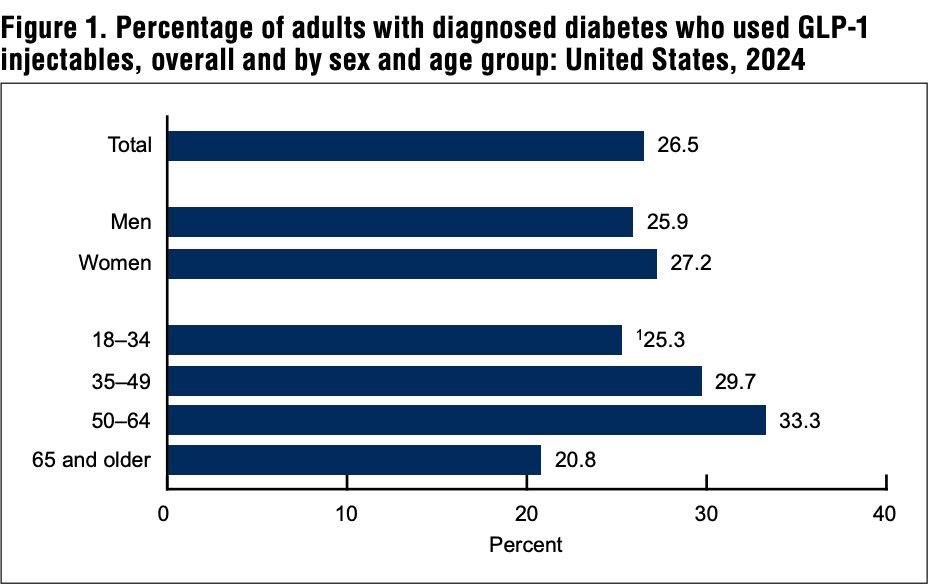
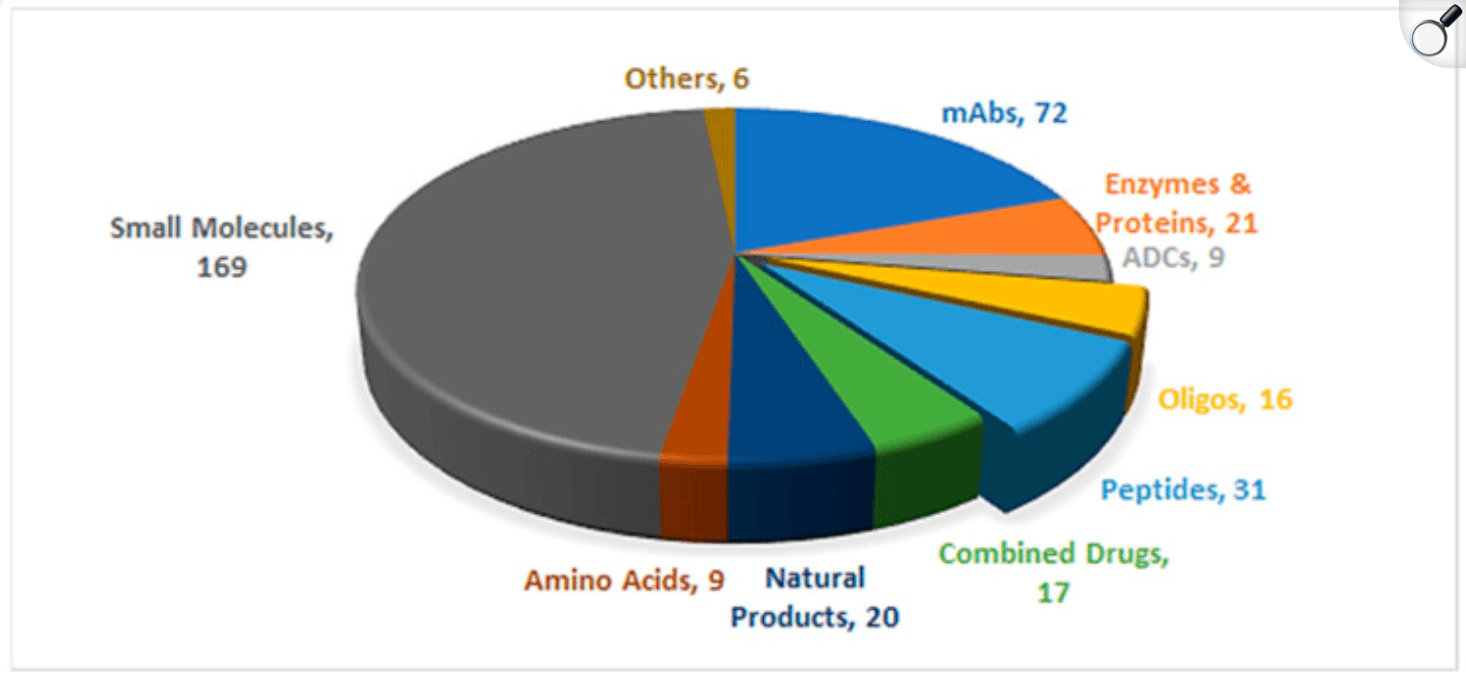
Insulin, endorphins, and semaglutide are all peptides. Commercially produced peptides like GLP-1 (glucagon-like peptide-1) are considered drugs and require US Food and Drug Administration approval before use or marketing. As of early 2026, dozens of approved peptides were on the US market, treating conditions as varied as cancer, diabetes, and thyroid disorders.
In recent years, peptides have attracted interest for purported uses such as antiaging, skin care, and building strength. They can be rubbed on, injected, or swallowed. Those products are largely made by compounding pharmacies—facilities that produce small-batch drugs—using peptide components, and have typically not been reviewed by the FDA for their safety or efficacy. They're technically sold for "research use only." Many of them are marketed largely on the basis of animal studies and lack rigorous human safety data, including BPC-157 (used to accelerate healing of musculoskeletal injuries) and TB-500 (used for muscle growth and healing).
1440 Findings
Hours of research by our editors, distilled into minutes of clarity.






Explore Health & Medicine
Indulge your curiosity, from the inner workings of our bodies and minds to the latest in medical research and treatments, all aimed at enhancing your understanding of health, wellness, and medicine. Our resources are meticulously curated to offer precise and pertinent information to anyone interested in learning more about the medical sciences.