Hearing Loss
Overview
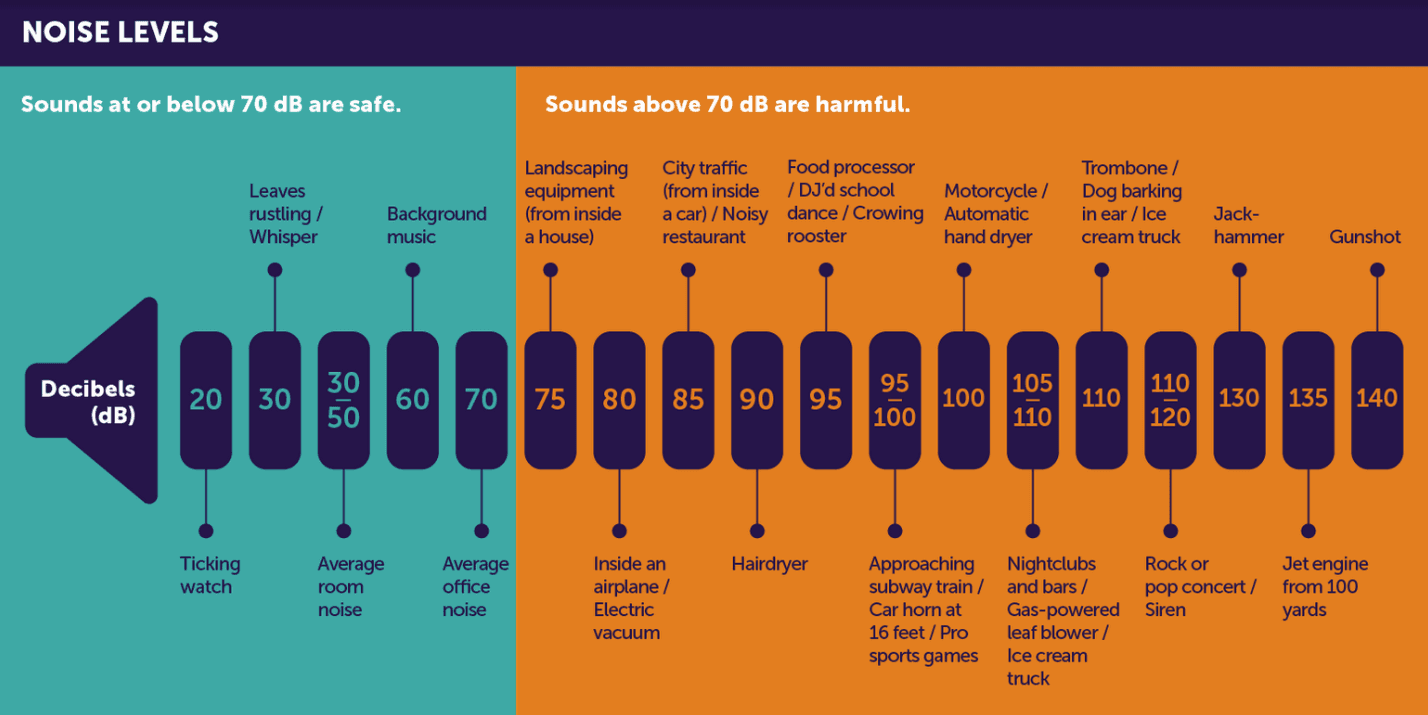
Hearing loss is the partial or total inability to hear sound from one or both ears. The condition has grown increasingly common in recent years due to population aging, increased noise exposure, and unsafe listening habits. Loud sounds can cause inner ear hair cells to bend and eventually die over time. More than 5% of the world's population, or some 430 million people, have disabling hearing loss.
For many people with hearing loss, hearing aids can amplify sound and help improve quality of life. These electronic devices can also stave off other injuries since untreated hearing loss amplifies the risk of dementia, cognitive decline, and falls.
Deaf people, meaning those with little or no hearing, may use one of the more than 300 global sign languages to communicate. Cochlear implants are another option, and they have become increasingly affordable. They help deaf people experience the sensation of sound by converting it into electrical impulses that are sent on to the auditory nerve (bypassing inner ear cells entirely). The auditory nerve then transmits those impulses to the brain. The implant uptake has sparked controversy about maintaining aspects of deaf culture and promoting sign language education.
1440 Findings
Hours of research by our editors, distilled into minutes of clarity.




Explore Health & Medicine
Indulge your curiosity, from the inner workings of our bodies and minds to the latest in medical research and treatments, all aimed at enhancing your understanding of health, wellness, and medicine. Our resources are meticulously curated to offer precise and pertinent information to anyone interested in learning more about the medical sciences.