Hair Loss
Overview
Hair loss, the thinning and loss of hair on the head or the body, is formally known as alopecia and has been viewed as a medical issue for thousands of years. A 3500-year-old papyrus from ancient Egypt even listed purported treatments such as applying mixtures containing wasp dung.
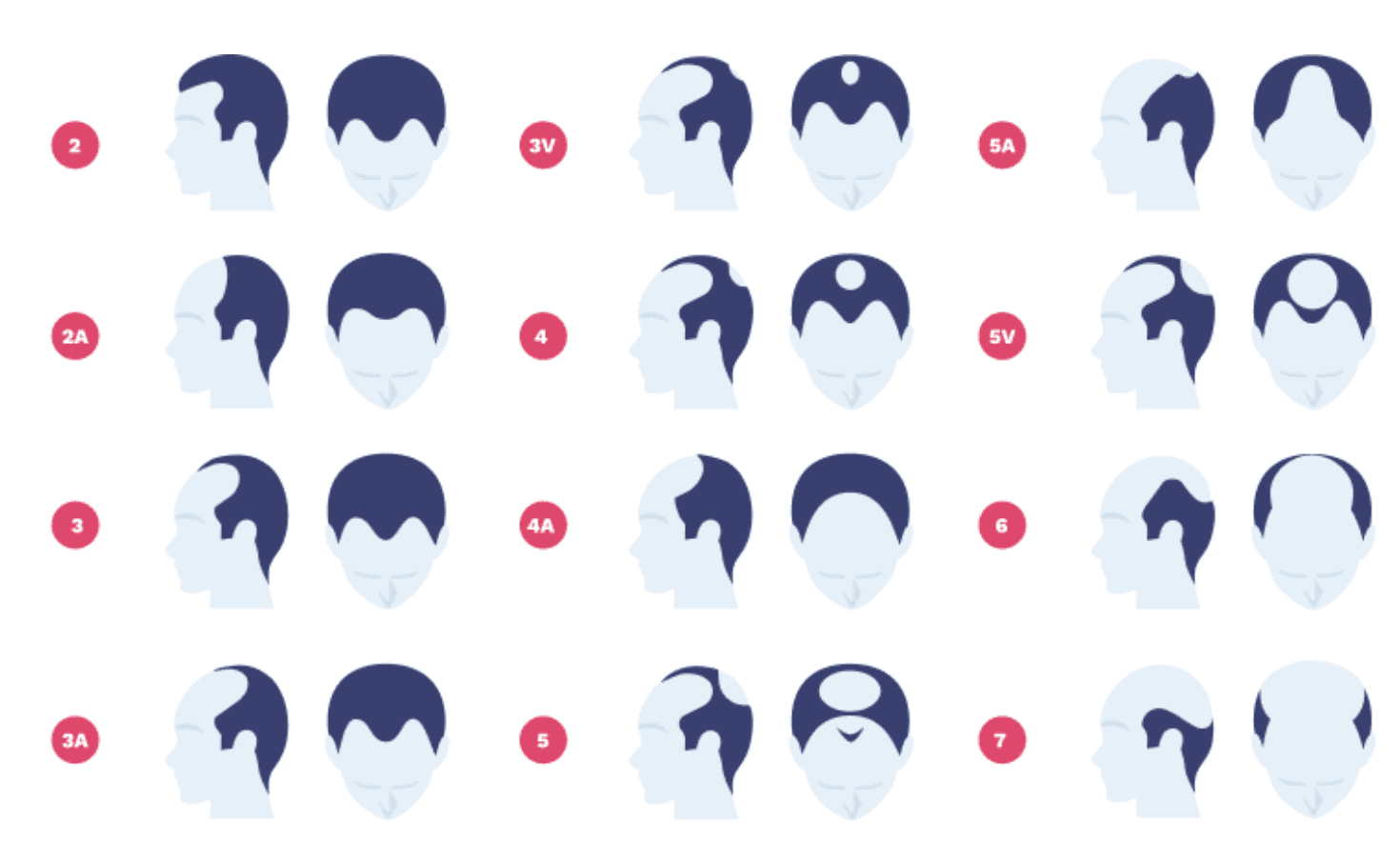
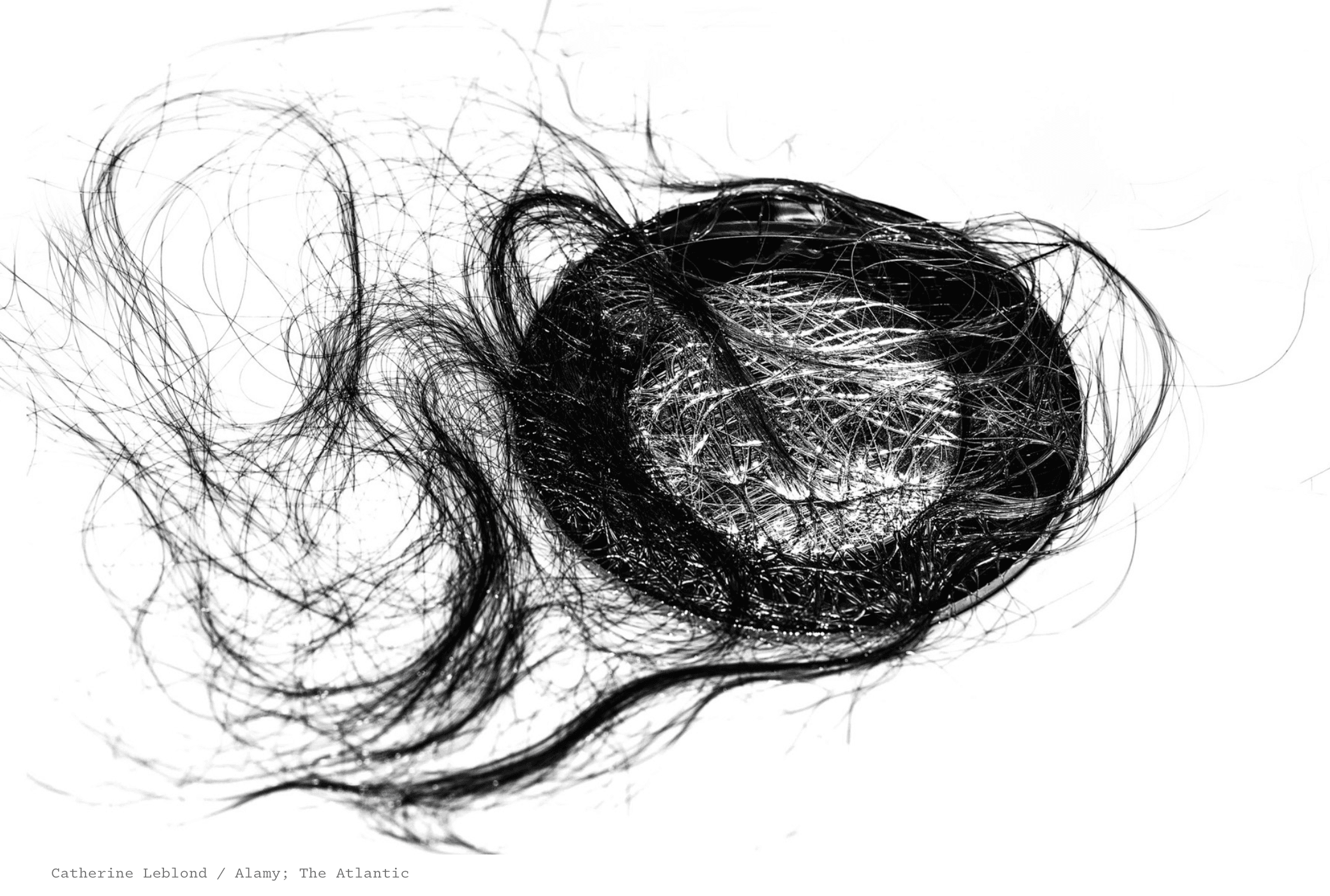
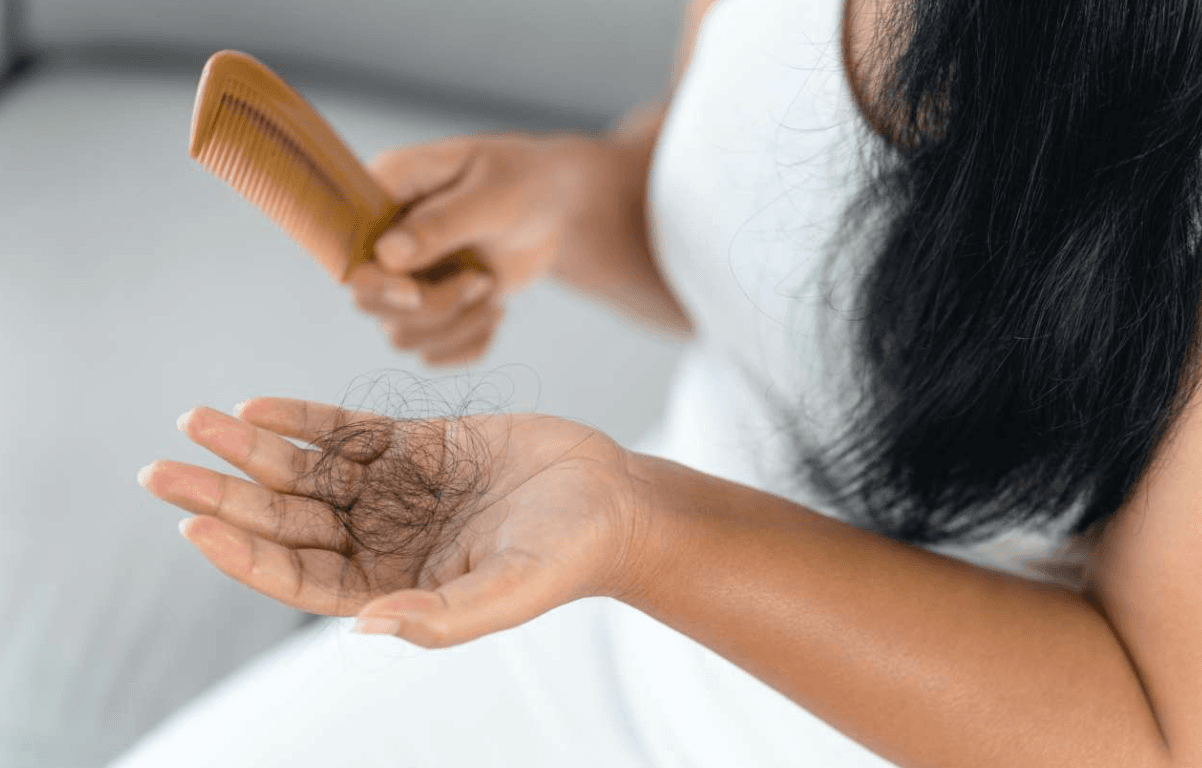
Research suggests some daily hair loss is normal, typically between 50 and 100 strands of hair. But in modern times, roughly two-thirds of American men experience noticeable hair loss by age 35, and 40% of women by age 50. Male and female pattern hair loss results from a combination of genetics, hormones, and lifestyle factors. Temporary forms of hair loss can also be influenced by stress, medication, illness, and body changes such as childbirth.
Human hair cycles typically have three distinct phases: a multi-year growing phase, a short clumping phase, and a resting phase when hair is shed. Treatments targeting early-stage hair loss, including oral medications and applied foams, generally aim to return hair to its growth phase by improving blood flow, oxygen, and nutrient delivery to hair roots.
1440 Findings
Hours of research by our editors, distilled into minutes of clarity.






Explore Health & Medicine
Indulge your curiosity, from the inner workings of our bodies and minds to the latest in medical research and treatments, all aimed at enhancing your understanding of health, wellness, and medicine. Our resources are meticulously curated to offer precise and pertinent information to anyone interested in learning more about the medical sciences.