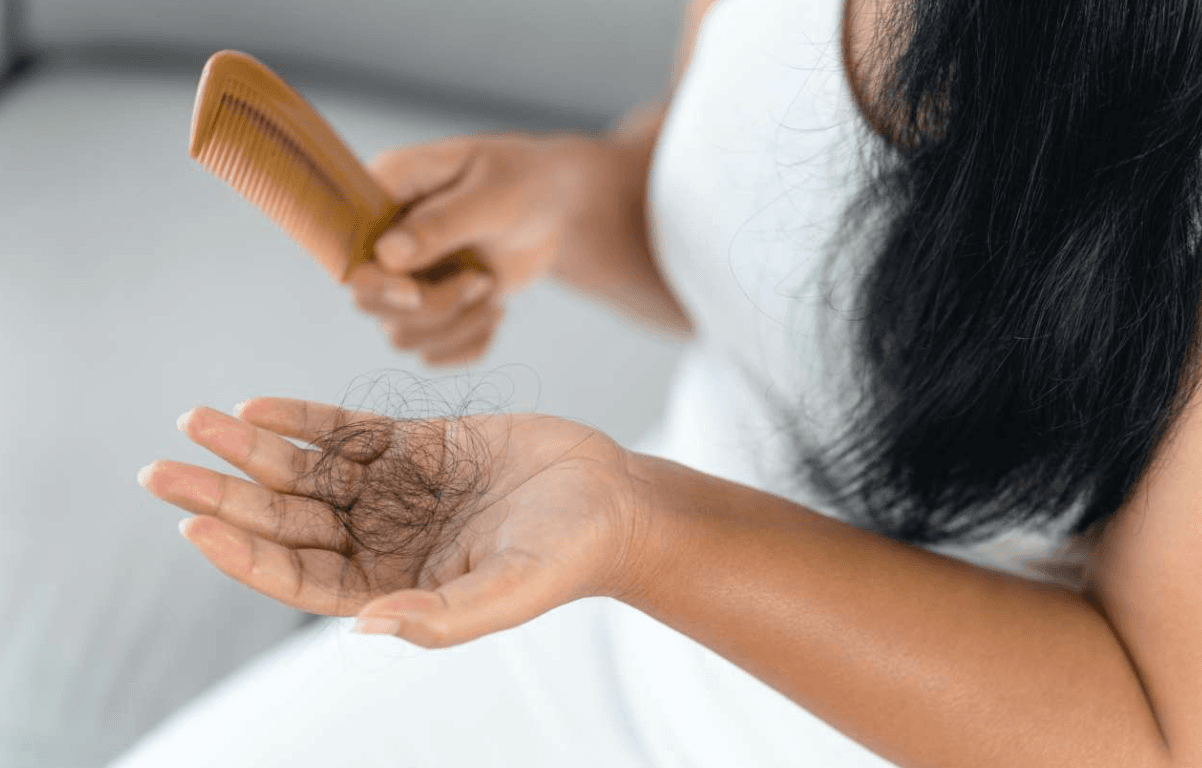
Posted by Dina Fine MaronAug 440% of women will have noticeable hair loss by age 50. Show 4 more findings ZoomWhat causes female hair loss?UCLA Healthhttps://www.uclahealth.org/news/article/what-causes-female-hair-loss
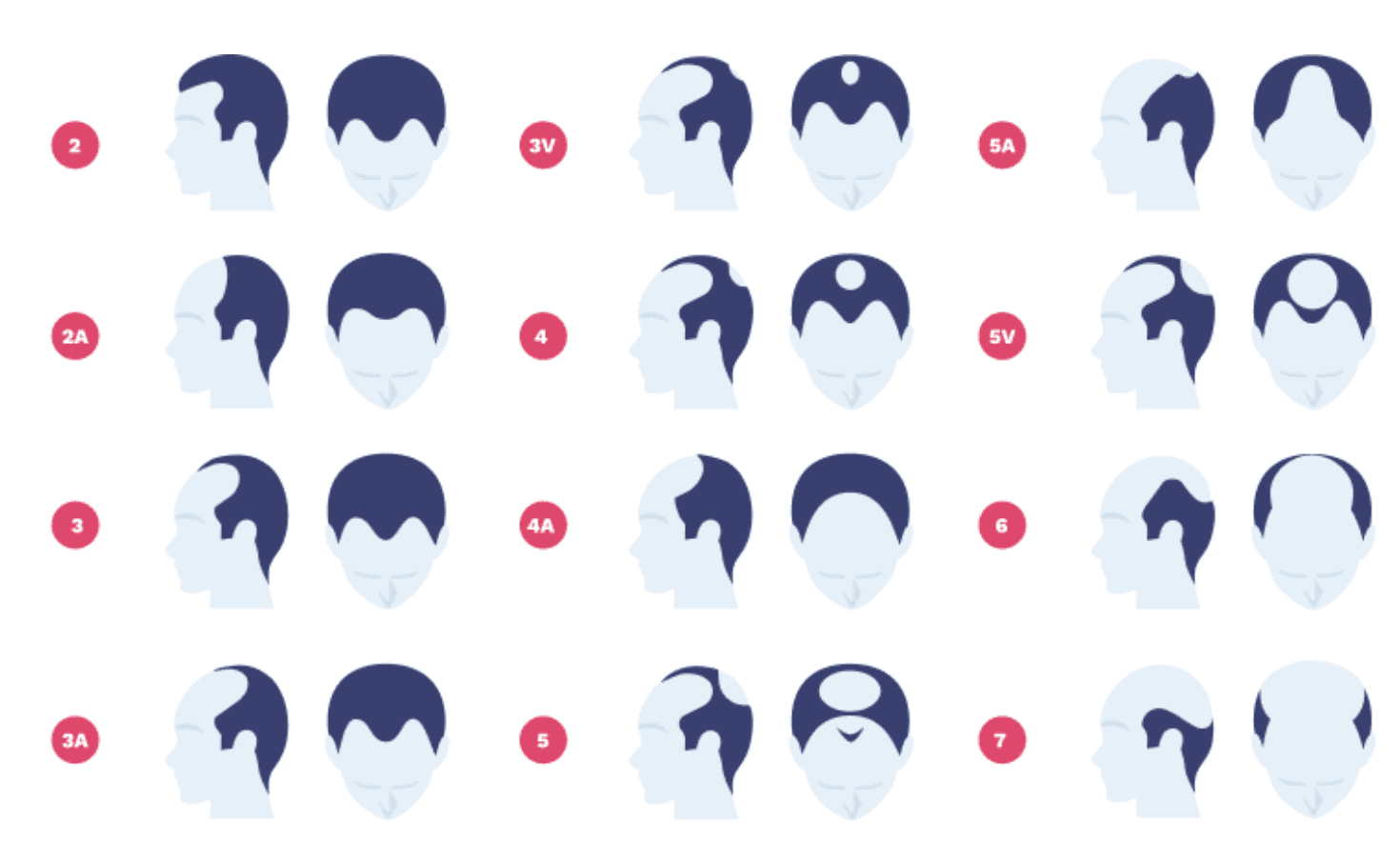
Posted by Dina Fine MaronJul 20Male pattern baldness accounts for more than 95% of hair loss in men and is characterized by thinning hair, hair loss, and a receding hairline. Show 4 more findings ZoomMen’s Hair Loss - American Hair Loss AssociationAmerican Hair Loss Associationhttps://www.americanhairloss.org/mens-hair-loss/
Posted by Dina Fine MaronAug 4Male pattern baldness is not solely inherited from the maternal side; its causes are still under investigation, but scientists think the genetic component of this type of hair loss involves multiple genes.Show 3 more findings 0:44Do You Inherit Hair Loss From Your Mother? Doctor Gary Linkovhttps://www.youtube.com/watch?v=jmFo79mq03w
Posted by Dina Fine MaronAug 4Humans may have as many as 100,000 to 150,000 individual hairs on our scalps, growing at a rate of roughly 1 centimeter per month. Show 3 more findings 4:49Why do some people go bald? - Sarthak SinhaTED-Edhttps://www.youtube.com/watch?v=8diYLhl8bWU
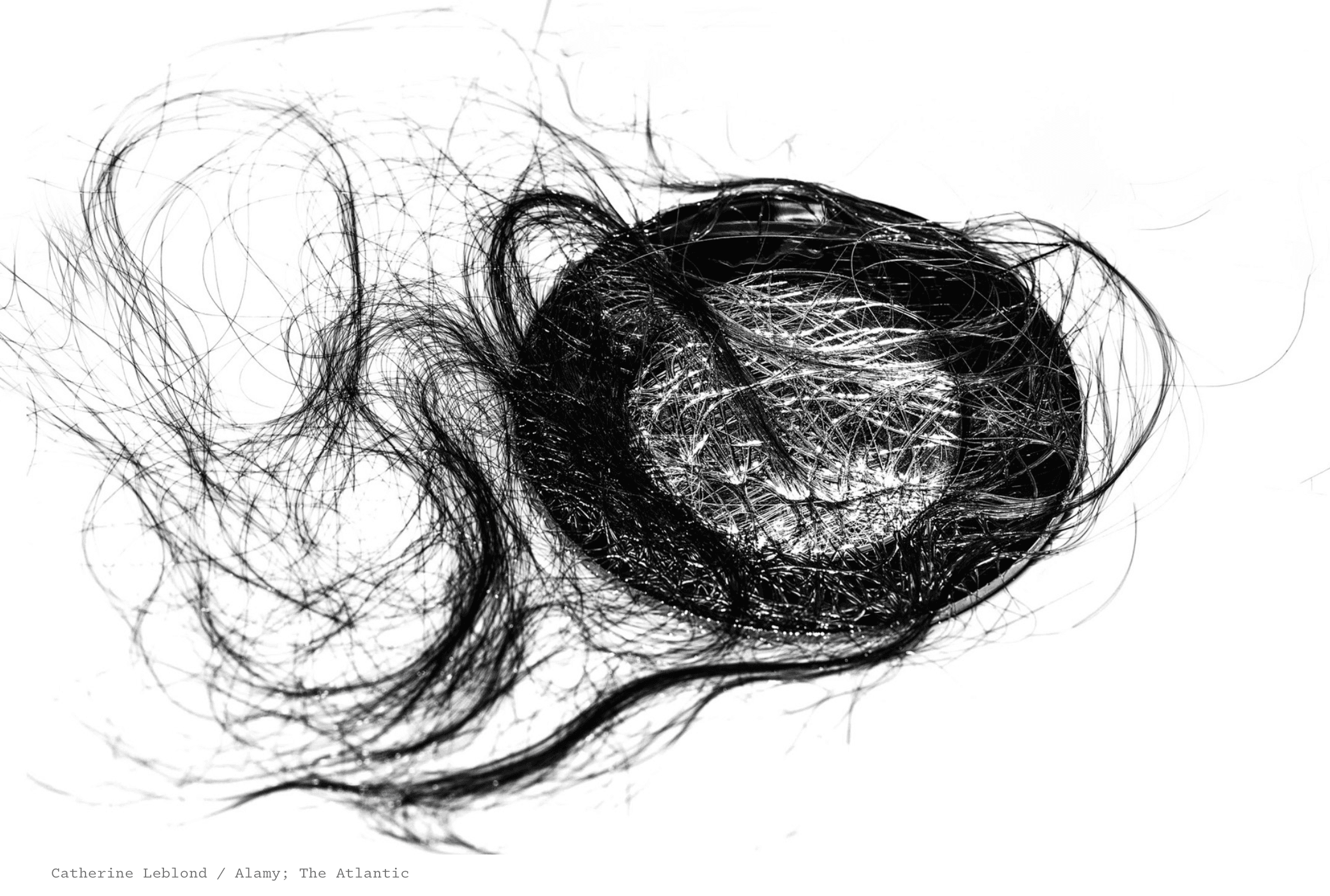
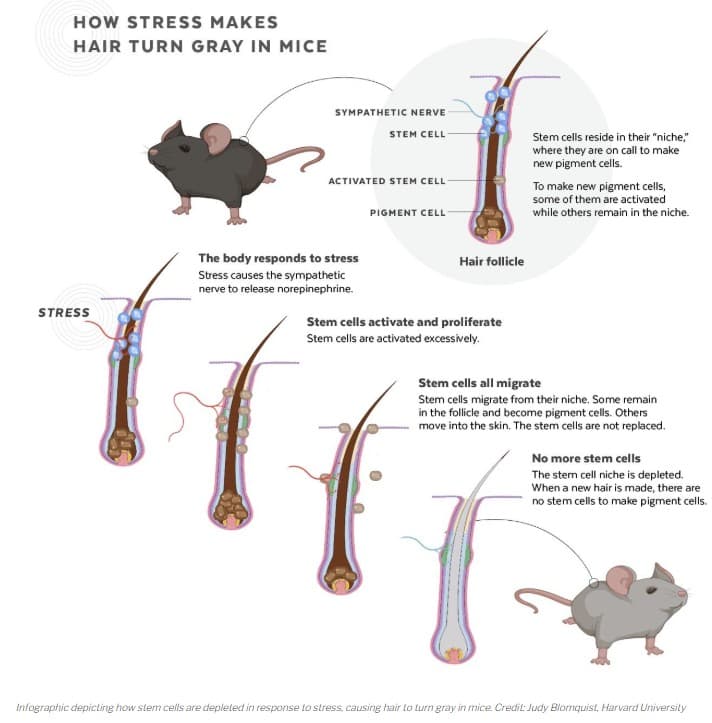
Posted by Dina Fine MaronAug 4Telogen effluvium is a common, temporary type of hair loss that can be triggered by severe stress, illness, or other body changes like childbirth—it pushes as much as 70% of hair into its resting phase, causing hair to fall out.Show 3 more findings ZoomThe Year America’s Hair Fell OutLimited AccessThe Atlantichttps://www.theatlantic.com/health/archive/2021/11/pandemic-hair-loss-treatment-products/620696/?gift=KA3KGfYfSJuXahz57d8Ku6m0VFV6fbZhPWeaA2I1T-A&utm_source=copy-link&utm_medium=social&utm_campaign=share
Posted by Dina Fine MaronAug 4It's been about 30 years since a new hair loss drug was approved in the US, and women currently have no approved pills for hair loss.Show 5 more findings ZoomBuzzy Veradermics shows its oral minoxidil can tackle female pattern hair loss, tooFierce Pharmahttps://www.fiercepharma.com/pharma/buzzy-veradermics-shows-its-oral-minoxidil-can-tackle-female-pattern-hair-loss-too
Posted by Dina Fine MaronMay 12Women experience heightened bone loss after menopauseBoth women and men begin to lose some bone density after age 35, on average, but for the first decade after menopause women lose bone more rapidly due to the significantly decreased levels of estrogen, putting women at heightened risk of osteoporosis and related bone fractures.American College of Obstetricians and Gynecologistshttps://www.acog.org/womens-health/faqs/the-menopause-years
Posted by Dina Fine MaronAug 4Hair loss after childbirth happens because pregnancy hormones paused the normal hair shedding process during pregnancy, so the hair loss is actually your hair cycle 'catching up' with its normal process several months postpartum.Show 3 more findingsEp 220. Why Is My Hair Falling Out? The Science Behind Postpartum Hair LossThe Science of Motherhoodhttps://open.spotify.com/episode/38zK5bKPfURlifdE83189t
Posted by Dina Fine MaronAug 14Late-stage clinical trials indicate that a common arthritis drug may be a promising treatment for a leading cause of hair loss.Show 3 more findings ZoomA common drug offers new hope to people with severe hair lossNewsweekhttps://www.newsweek.com/a-common-drug-offers-new-hope-to-people-with-severe-hair-loss-12318978
Posted by Dina Fine MaronMay 12By 2030, roughly 6% of the world's population will be in menopauseAn estimated 25 million women pass through menopause annually, with a projected increase in the number of women in menopause in both lower-resource and higher-income populations in the years ahead, highlighting the social and economic value of focusing on menopause care. ZoomFP Analyticshttps://impactsofmenopause.com/
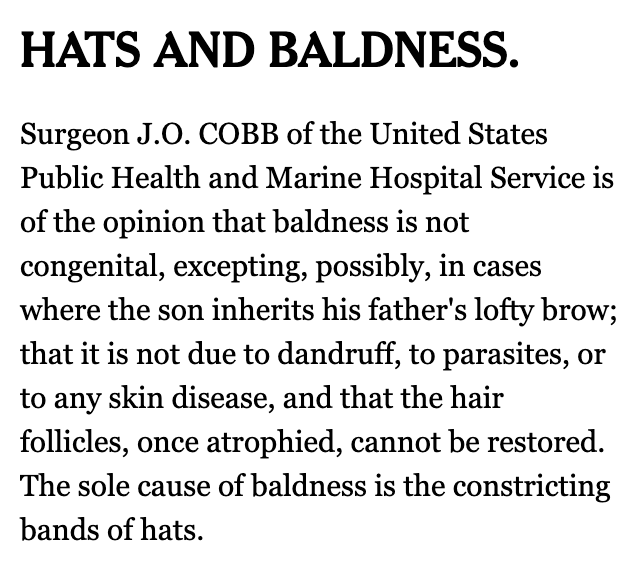
Posted by Dina Fine MaronAug 4In 1909, a top public health official in America wrote in an academic journal that baldness was caused almost exclusively by snug-fitting hats. Show 3 more findings ZoomHATS AND BALDNESS. (Published 1909)The New York Timeshttps://www.nytimes.com/1909/06/30/archives/hats-and-baldness.html
Posted by Meher QazilbashMay 6Menopause and perimenopause symptoms may affect both the mind and bodyWomen going through these aging transitions may experience some common physical and mental symptoms to varying degrees, including hot flashes, bladder control issues, brain fog, and vaginal dryness. This article dives into some of the most common symptoms women might expect during perimenopause, plus what they can do to relieve them. ZoomMenopause symptoms and relief | Office on Women’s Healthhttps://womenshealth.gov/menopause/menopause-symptoms-and-relief
Posted by Dina Fine MaronMay 1227% of US menopausal women used estrogen in 1999, but by 2020 that number was under 5%The fallout of studies in the early 2000s linking hormone therapy for menopause and elevated cancer, stroke, and other health risks meant that even decades later—yet before the FDA removed its black box warning in 2025—use of HRT remained extremely uncommon. (Some users may experience a paywall.) ZoomSTAThttps://www.statnews.com/2024/12/03/menopause-hormone-replacement-therapy-advocates-say-health-concerns-overblown/
Posted by Dina Fine MaronAug 4Cleopatra purportedly recommended grinding up fly heads and rubbing them on areas experiencing hair loss as a treatment.Show 2 more findings ZoomA “hair‐raising” history of alopecia areataExperimental Dermatologyhttps://onlinelibrary.wiley.com/doi/10.1111/exd.14073
Posted by Dina Fine MaronAug 4We're typically born with all the hair follicles we'll ever have, just as women are born with all their eggs.Show 3 more findings ZoomSix things you may not know about hair - Wellcome Sanger Institute BlogSanger Institutehttps://sangerinstitute.blog/2026/07/21/six-things-you-may-not-know-about-hair/
Posted by Meher QazilbashMay 6Early menopause, occurring before age 45, can be triggered by certain risk factorsSome potential causes of early menopause include autoimmune disorders, chemotherapy, smoking, and certain surgeries that cause the body to produce lower levels of estrogen and progesterone. ZoomRisk Factors of Early MenopauseHealthlinehttps://www.healthline.com/health/menopause/risk
Posted by Dina Fine MaronAug 4Real-time tracking of individual hair cells has revealed that hairs don't actually get pushed out from the root—instead, hair cells are tugged upward by surrounding tissues that act like tiny motors.Show 3 more findings ZoomHair growth revelation challenges decades of textbook biologyNewsweekhttps://www.newsweek.com/hair-growth-revelation-challenges-decades-textbook-biology-pushing-pulling-11163491
Posted by Meher QazilbashFeb 12, 2025What to know about early and premature menopauseAlthough it's rare, some women may experience menopause early. Early menopause describes women that are menopausal between the ages of 40 and 45. Women that go through menopause before age 40 experience premature menopause. Early experiences of menopause impact under 6% of women, and doctors can’t point to a specific reason why it happens. Learn about what we do know about the conditions here. Zoom4 Things to Know About Early and Premature MenopauseYale Medicinehttps://www.yalemedicine.org/news/early-and-premature-menopause
Posted by Phoebe BainDec 5, 2025Women tend to tip more often than menFor instance, among people who visit hair salons or barber shops, 62% of female respondents said they always tipped. Only 45% of men said the same. This article includes more takeaways and stats about how Americans tip, and who receives them.Women tend to tip more often than menBankratehttps://www.bankrate.com/credit-cards/news/tipping-culture-survey/#insights
Posted by Meher QazilbashFeb 12, 2025The gaps in menopause research and their effectsNearly all studies (99%) researching the biology of aging don’t consider menopause in their setup. A Harvard professor noted that about 75% of aging-related diseases are likely influenced by menopause. In this article, she discusses how gaps in research are negatively impacting how the medical system can effectively treat aging women. Read her analysis of the issue here. ZoomHow Gaps in Research Lead to Gaps in Care for Aging WomenHarvard Universityhttps://hms.harvard.edu/news/how-gaps-scientific-data-lead-gaps-care-aging-women#:~:text=On%20average%2C%20females%20will%20live,significant%20gap%20in%20clinical%20practice.
Posted by Dina Fine MaronJun 24A 40-something science journalist was getting more winded during workouts, and experiencing night sweats, forgetfulness and tiredness—she thought it was perimenopause, but these common symptoms turned out to be signs of her blood cancer.Show 2 more findings ZoomWhat We Don’t Know About Women’s Health Can Kill Us - Science PoliticsScience Politicshttps://sciencepolitics.org/2026/06/16/what-we-dont-know-about-womens-health-can-kill-us/
Posted by Dina Fine MaronMay 12Perimenopause can last as long as 8 yearsTypically lasting around four years, beginning around age 45, some women experience it as early as their 30s. Smoking and thyroid disease are factors that can trigger early perimenopause. Early menopause, which can increase health risks, occurs in about 5% of women. Researchers are still investigating why it occurs. ZoomCleveland Clinichttps://my.clevelandclinic.org/health/diseases/21608-perimenopause
Posted by Teddy BurkhardtMay 1, 2025Humanity's reduced body hair slows down wound healingCuts to human skin take twice as long to heal compared to chimps and other mammals. Scientists argue this is due to the reduced number of hair follicles on human bodies. Hair follicles contain stem cells which help repair skin cells faster, so as humanity shed its hair over time, so to speak, it also slowed its wound healing. ZoomHuman Evolution Traded Fur for Sweat Glands—and Now, Our Wounds Take Longer to Heal Than Those of Other MammalsSmithsonian Magazinehttps://www.smithsonianmag.com/smart-news/human-evolution-traded-fur-for-sweat-glands-and-now-our-wounds-take-longer-to-heal-than-those-of-other-mammals-180986533/
Posted by Meher QazilbashMay 6Late-onset menopause lowers osteoporosis risks, but heightens the risks for certain cancersDefined as when a woman starts to experience perimenopause after age 55, this delayed menopause onset is linked to elevated risk of developing breast, ovarian, and uterine cancers. ZoomCauses of Late-Onset MenopauseHealthlinehttps://www.healthline.com/health/menopause/late-onset
Posted by Meher QazilbashMay 6Postmenopause is a stage lasting roughly a third of a woman's lifePostmenopause is the final stage of menopause, occurring once a woman hasn't had any bleeding for a full year. She is then considered postmenopausal for the rest of her life. While some of the intense symptoms she might experience during perimenopausal will decline, her risk for certain conditions and diseases will increase. ZoomWhat Is Postmenopause?Cleveland Clinichttps://my.clevelandclinic.org/health/diseases/21837-postmenopause
Posted by Dina Fine MaronApr 3This is what happens to your body during menopauseThe menopause transition may begin in one's mid-40s with erratic periods and a decrease in estrogen. It can trigger health complications, including hot flashes, palpitations, and elevated risks of osteoporosis. 5:03TEDhttps://www.youtube.com/watch?v=cheqkrcHkrI
Posted by August MoonJan 17, 2025How menopause affects mental healthMenopause, a natural biological process, occurs in three stages: perimenopause (hormone fluctuations), menopause (end of menstrual cycles), and postmenopause (12 months without menstruation). Hormonal shifts during this time can affect neurotransmitters, increasing the risk of mood disorders. 1:28How Menopause Impacts Mental Healthhttps://www.youtube.com/shorts/m6wNS-eeBDs
Posted by Dina Fine MaronMay 28Almost 80% of people diagnosed with autoimmune diseases are womenYet it's still unanswered what may account for that difference. To better understand this disparity researchers are exploring factors including hormonal changes that occur around puberty, pregnancy, and menopause, as well as gut microbe differences, and aspects of X-chromosome protein-coding genes. (Some users may encounter a paywall.) ZoomWhy nearly 80 percent of autoimmune sufferers are femaleScientific Americanhttps://www.scientificamerican.com/article/why-nearly-80-percent-of-autoimmune-sufferers-are-female/
Posted by Meher QazilbashMay 6Perimenopause, which typically occurs in a woman's mid-40s, precedes menopauseSometimes referred to as the menopausal transition, this time period often lasts around 4 years as the ovaries' production of the reproductive hormones progesterone and estrogen decline. It may be accompanied by mental and physical symptoms including irregular periods, hot flashes, sleep issues, mood swings, and alterations to a woman's sex drive.Management of the Perimenopause - PMCNational Institutes of Healthhttps://pmc.ncbi.nlm.nih.gov/articles/PMC6082400/
Posted by Dina Fine MaronMay 12Adults may lose roughly 3% of their muscle mass each decade after 30.Show 2 more findingsUS Department of Health and Humans Services - Office on Women's Healthhttps://womenshealth.gov/sarcopenia
Posted by Dina Fine MaronJul 26, 2022A man’s genes can predict his hairlineThere’s actually some truth to the idea that you should look at your mother’s father. But genetic research tells us that the full picture is somewhat more complicated. An interesting read on how to use genetics to figure out if you'll go bald (with illustrations). ZoomWhat genetics says about your risk of going baldVoxhttps://www.vox.com/2014/7/30/5948661/male-pattern-baldness-genetics-heritability
Posted by Dina Fine MaronMay 28Autoimmune disorders are one of the top 10 killers of young and middle-aged womenStudies in the US and the UK, though conducted decades ago, have underscored that autoimmune diseases, when grouped together, are a top killer of women. ZoomIs autoimmune disease a leading cause of death? — Autoimmune RegistryAutoimmune Registryhttps://www.autoimmuneregistry.org/newsletters/2023/2/9/is-autoimmune-disease-a-leading-cause-of-death
Posted by Dina Fine MaronMay 12Within months of a landmark 2002 study that indicated HRT harms, sales dropped by about halfIn the early 2000s, Women's Health Initiative studies indicated HRT increased risk of breast cancer, heart disease, and stroke in some women—so many physicians stopped prescribing it to help with menopause symptoms. But further research has concluded that much of the elevated risk was overblown and that it was also disproportionately seen in women in their 70s who had been taking an older HRT formulation. ZoomNPRhttps://www.npr.org/sections/health-shots/2013/10/04/229171477/the-last-word-on-hormone-therapy-from-the-womens-health-initiative
Posted by Dina Fine MaronMay 12America doesn't have enough estradiol patches for menopause and perimenopause demandFueled in part by the lifting of the FDA's black box warning about HRT risks, sales of estradiol patches in the US have shot upward. More than 142 million units of the patches were sold in 2025 versus 46.5 million in 2020. Suppliers are failing to keep up with demand—11 patch products were in short supply in early 2026. (Some users may experience a paywall.)The Wall Street Journalhttps://www.wsj.com/health/healthcare/menopause-estradiol-patch-shortage-d558d82b?mod=Searchresults&pos=7&page=1
Posted by Dina Fine MaronMay 12Less than 1% of aging studies consider menopause and its effectsNearly all studies researching the biology of aging don't consider menopause in their setup, in part because menopause is difficult to emulate in animal models. Menopause is uncommon in the animal world beyond humans and whales. This presents a problem for medicine and science because about 75% of aging-related diseases are likely influenced by menopause. ZoomHarvard Medical Schoolhttps://hms.harvard.edu/news/how-gaps-scientific-data-lead-gaps-care-aging-women
Posted by Dina Fine MaronMay 12Women are born with all the eggs they will ever produce in their lifetimeGirls are born with an estimated 1 million to 2 million eggs in their bodies, but around 10,000 die monthly before puberty. Scientists have not yet figured out why there's such an excessive number of eggs prior to menstruation, but they've calculated that there are roughly 300,000 to 400,000 eggs left at puberty.Healthlinehttps://www.healthline.com/health/womens-health/how-many-eggs-does-a-woman-have