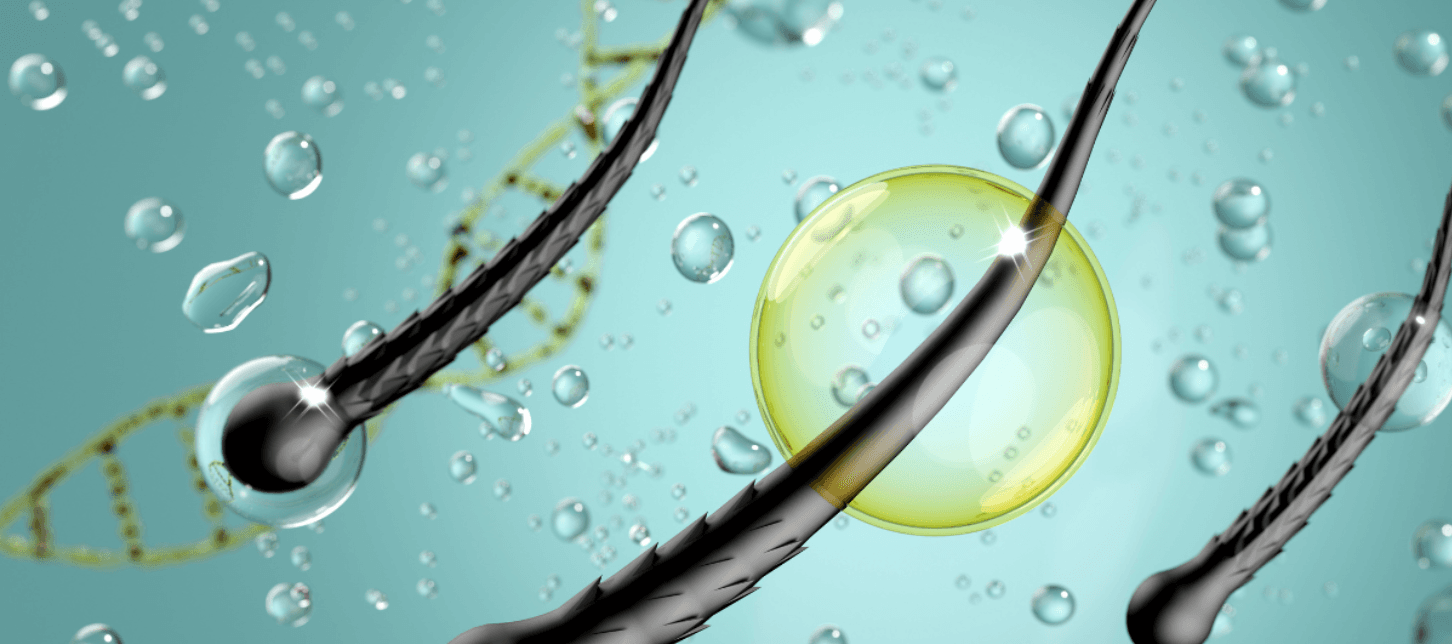
Posted by Dina Fine MaronAug 4We're typically born with all the hair follicles we'll ever have, just as women are born with all their eggs.Show 3 more findings ZoomSix things you may not know about hair - Wellcome Sanger Institute BlogSanger Institutehttps://sangerinstitute.blog/2026/07/21/six-things-you-may-not-know-about-hair/
Posted by Dina Fine MaronAug 4Humans may have as many as 100,000 to 150,000 individual hairs on our scalps, growing at a rate of roughly 1 centimeter per month. Show 3 more findings 4:49Why do some people go bald? - Sarthak SinhaTED-Edhttps://www.youtube.com/watch?v=8diYLhl8bWU
Posted by Dina Fine MaronAug 4Real-time tracking of individual hair cells has revealed that hairs don't actually get pushed out from the root—instead, hair cells are tugged upward by surrounding tissues that act like tiny motors.Show 3 more findings ZoomHair growth revelation challenges decades of textbook biologyNewsweekhttps://www.newsweek.com/hair-growth-revelation-challenges-decades-textbook-biology-pushing-pulling-11163491
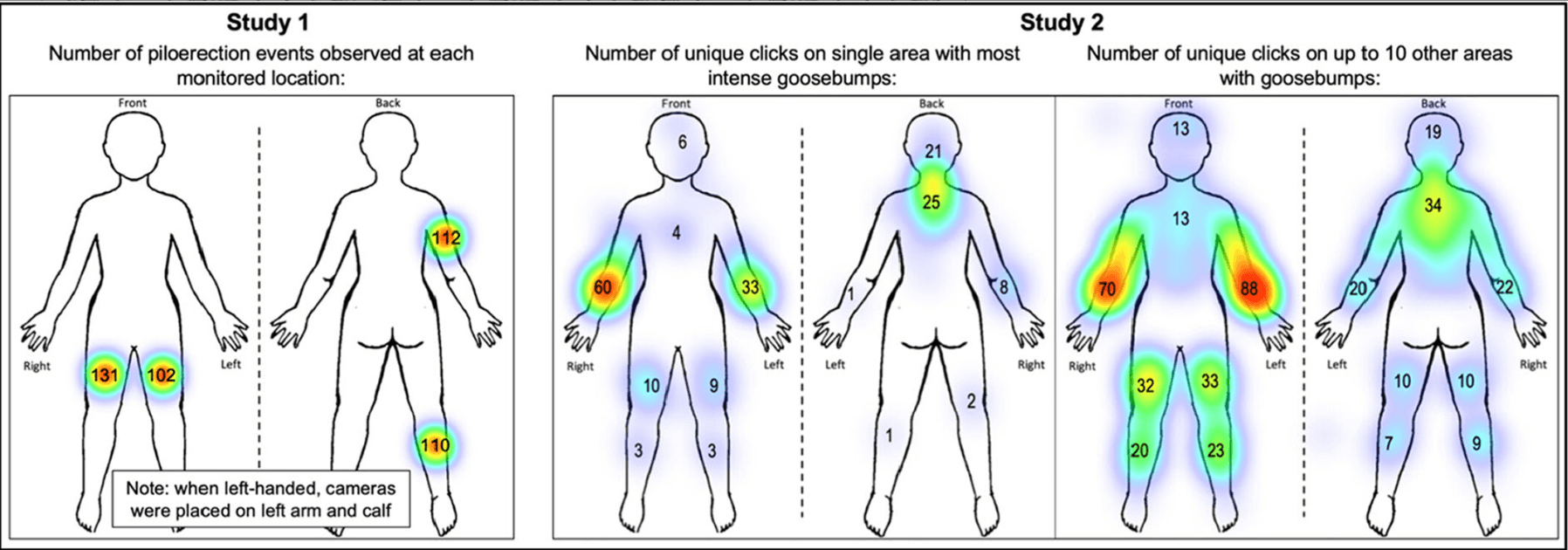
Posted by Dina Fine MaronJan 12The anatomy of our hair follicles explains goose bumpsThe arrector pili muscle contracts when we're cold or scared, causing hairs to stand up and the skin to form the bumps known as goose bumps. This reaction is typically involuntary. 0:49https://www.youtube.com/shorts/VZ7qgSpBYHY
Posted by Dina Fine MaronAug 4Male pattern baldness is not solely inherited from the maternal side; its causes are still under investigation, but scientists think the genetic component of this type of hair loss involves multiple genes.Show 3 more findings 0:44Do You Inherit Hair Loss From Your Mother? Doctor Gary Linkovhttps://www.youtube.com/watch?v=jmFo79mq03w
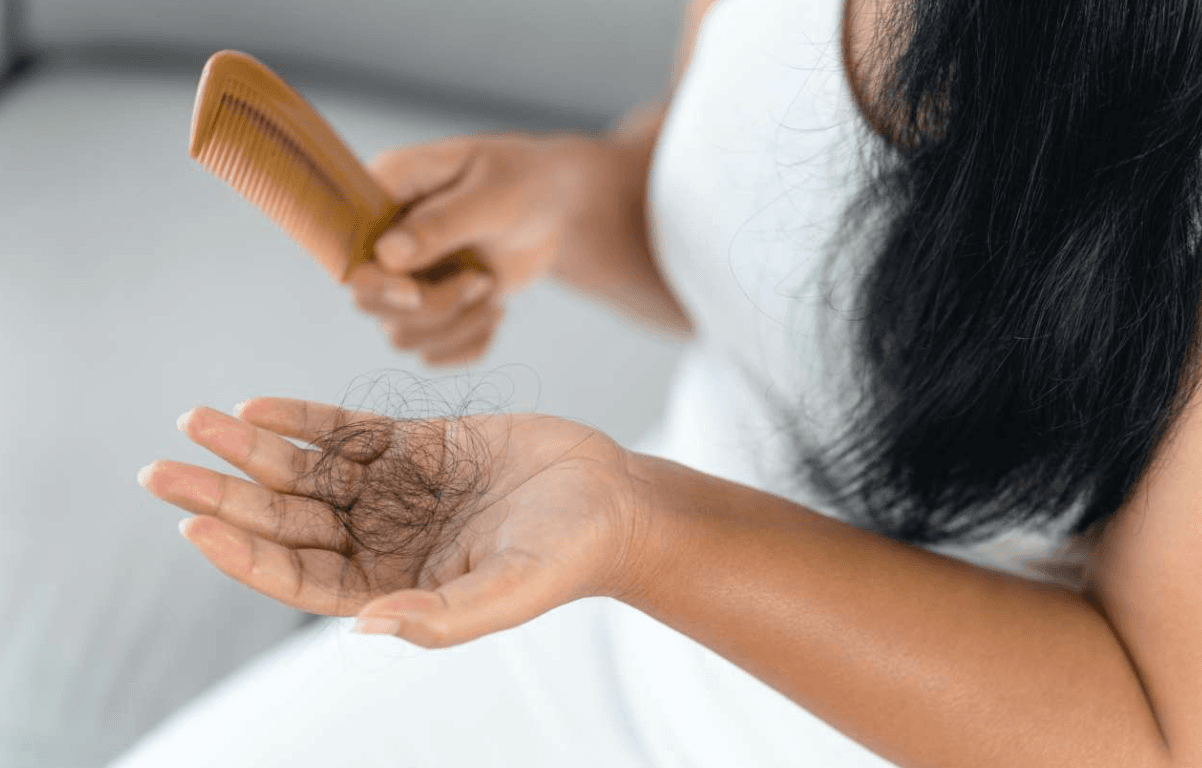
Posted by Dina Fine MaronAug 4Hair loss after childbirth happens because pregnancy hormones paused the normal hair shedding process during pregnancy, so the hair loss is actually your hair cycle 'catching up' with its normal process several months postpartum.Show 3 more findingsEp 220. Why Is My Hair Falling Out? The Science Behind Postpartum Hair LossThe Science of Motherhoodhttps://open.spotify.com/episode/38zK5bKPfURlifdE83189t
Posted by Teddy BurkhardtMay 1, 2025Humanity's reduced body hair slows down wound healingCuts to human skin take twice as long to heal compared to chimps and other mammals. Scientists argue this is due to the reduced number of hair follicles on human bodies. Hair follicles contain stem cells which help repair skin cells faster, so as humanity shed its hair over time, so to speak, it also slowed its wound healing. ZoomHuman Evolution Traded Fur for Sweat Glands—and Now, Our Wounds Take Longer to Heal Than Those of Other MammalsSmithsonian Magazinehttps://www.smithsonianmag.com/smart-news/human-evolution-traded-fur-for-sweat-glands-and-now-our-wounds-take-longer-to-heal-than-those-of-other-mammals-180986533/
Posted by Dina Fine MaronMay 12Women are born with all the eggs they will ever produce in their lifetimeGirls are born with an estimated 1 million to 2 million eggs in their bodies, but around 10,000 die monthly before puberty. Scientists have not yet figured out why there's such an excessive number of eggs prior to menstruation, but they've calculated that there are roughly 300,000 to 400,000 eggs left at puberty.Healthlinehttps://www.healthline.com/health/womens-health/how-many-eggs-does-a-woman-have
Posted by Dina Fine MaronJan 12Rodent research suggests goose bumps may play a role in hair growth—raising questions about if this knowledge could be used to reactive sympathetic nerves in hair follicles to boost hair growth in people.Show 1 more finding ZoomNational Institutes of Healthhttps://www.nih.gov/news-events/nih-research-matters/what-goosebumps-are
Posted by Dina Fine MaronAug 440% of women will have noticeable hair loss by age 50. Show 4 more findings ZoomWhat causes female hair loss?UCLA Healthhttps://www.uclahealth.org/news/article/what-causes-female-hair-loss
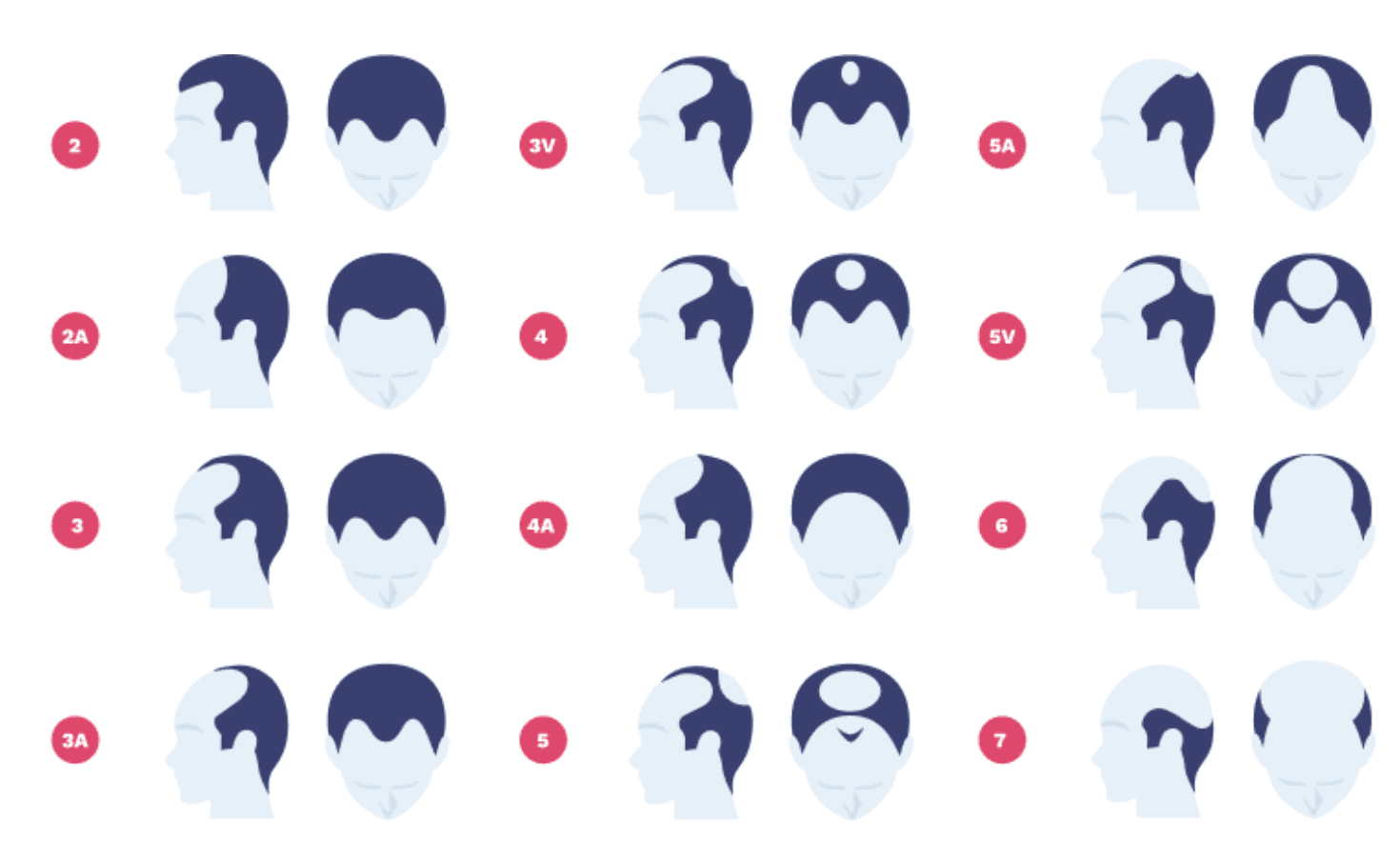
Posted by Dina Fine MaronJul 26, 2022A man’s genes can predict his hairlineThere’s actually some truth to the idea that you should look at your mother’s father. But genetic research tells us that the full picture is somewhat more complicated. An interesting read on how to use genetics to figure out if you'll go bald (with illustrations). ZoomWhat genetics says about your risk of going baldVoxhttps://www.vox.com/2014/7/30/5948661/male-pattern-baldness-genetics-heritability
Posted by Dina Fine MaronAug 4Telogen effluvium is a common, temporary type of hair loss that can be triggered by severe stress, illness, or other body changes like childbirth—it pushes as much as 70% of hair into its resting phase, causing hair to fall out.Show 3 more findings ZoomThe Year America’s Hair Fell OutLimited AccessThe Atlantichttps://www.theatlantic.com/health/archive/2021/11/pandemic-hair-loss-treatment-products/620696/?gift=KA3KGfYfSJuXahz57d8Ku6m0VFV6fbZhPWeaA2I1T-A&utm_source=copy-link&utm_medium=social&utm_campaign=share
Posted by Marco Daniel MachadoOct 29, 2025Some female tardigrades reabsorb their eggs if no male fertilizes themThe eggs are laid in skin that has detached after molting. These species undergo sexual reproduction, but others reproduce asexually, with females producing clones from unfertilized eggs. Some hermaphrodite species have both male and female reproductive organs and can self-fertilize.Some female tardigrades reabsorb their eggs if no male fertilizes themHowStuffWorkshttps://animals.howstuffworks.com/animal-facts/tardigrade-mating-footage.htm
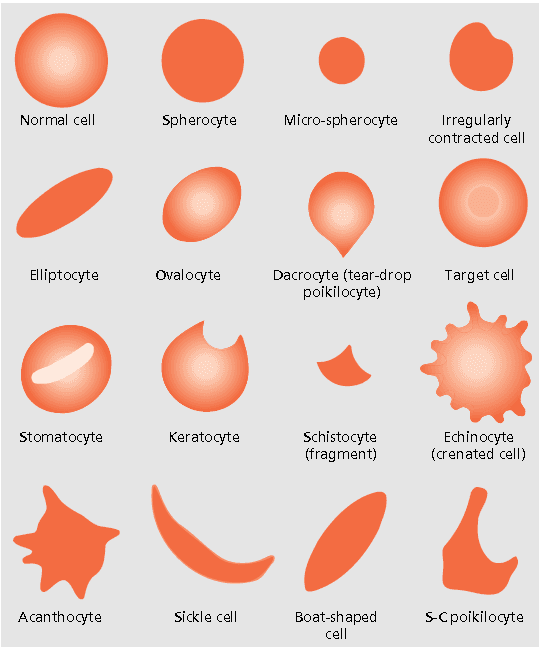
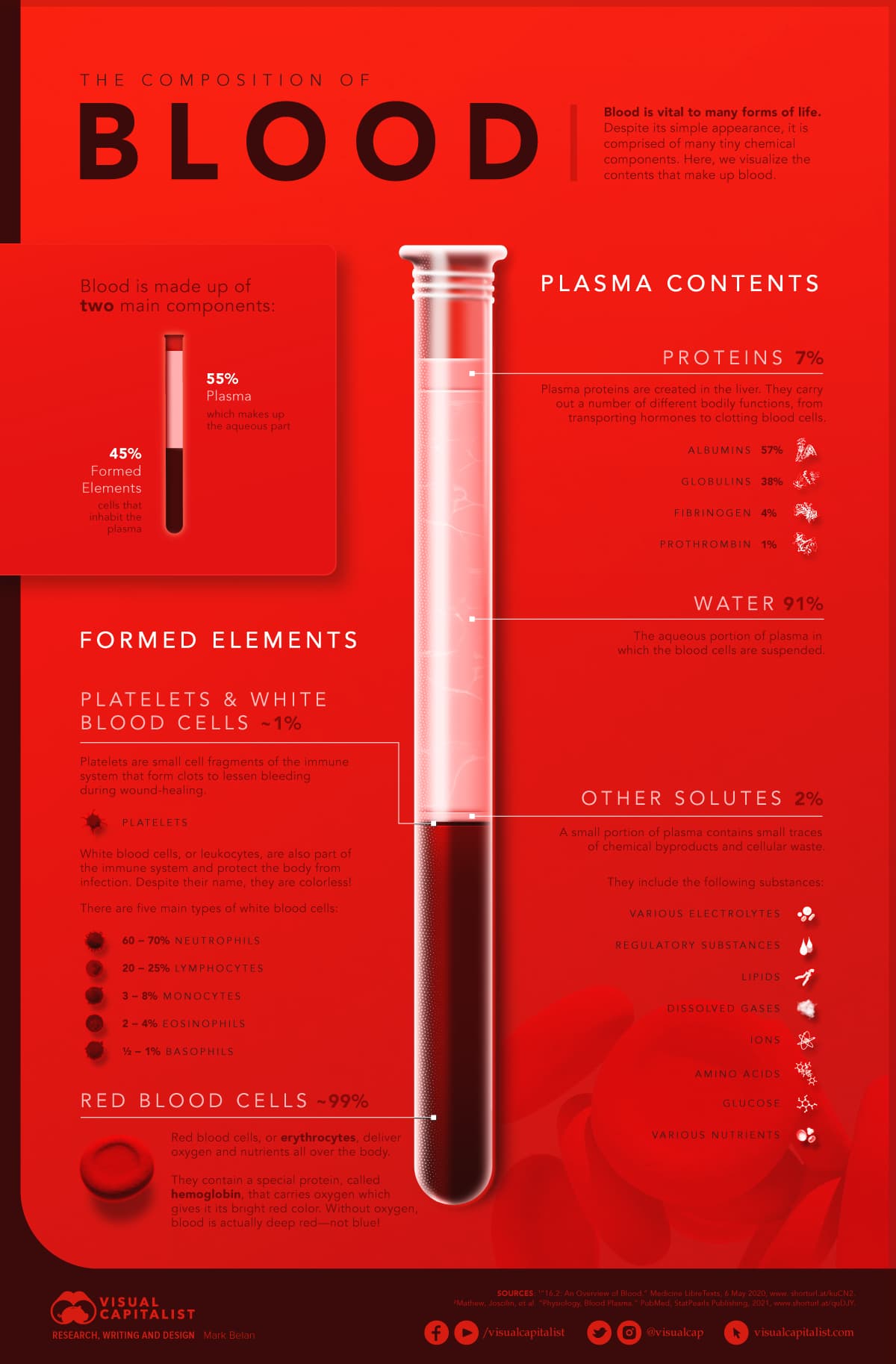
Posted by Marco Daniel MachadoJan 27While most cells possess DNA, red blood cells destroy their nuclei to maximize the amount of oxygen they carry and more easily alter their shape to fit through narrow blood capillaries.Show 2 more findings ZoomWhy does every cell in our body contain DNA?West Texas A&M Universityhttps://www.wtamu.edu/~cbaird/sq/2013/08/22/why-does-every-cell-in-our-body-contain-dna/
Posted by Dina Fine MaronMar 24Nasal hairs, called vibrissae, help protect the body from particulate matter and other dirtThe nose structure plays a key role in filtering air before it enters our lungs and makes sure that the air temperature and humidity are also suitable for the body. 9:38https://www.youtube.com/watch?v=oqTzrgzv3-8
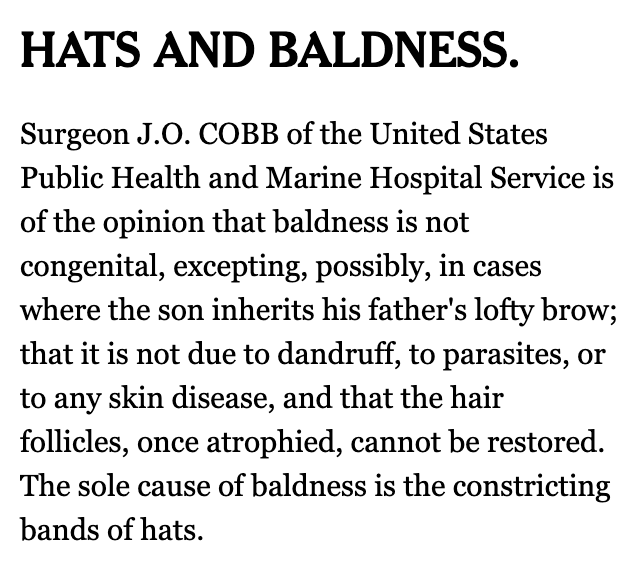
Posted by Dina Fine MaronAug 4In 1909, a top public health official in America wrote in an academic journal that baldness was caused almost exclusively by snug-fitting hats. Show 3 more findings ZoomHATS AND BALDNESS. (Published 1909)The New York Timeshttps://www.nytimes.com/1909/06/30/archives/hats-and-baldness.html
Posted by Dina Fine MaronJul 20Male pattern baldness accounts for more than 95% of hair loss in men and is characterized by thinning hair, hair loss, and a receding hairline. Show 4 more findings ZoomMen’s Hair Loss - American Hair Loss AssociationAmerican Hair Loss Associationhttps://www.americanhairloss.org/mens-hair-loss/
Posted by Dina Fine MaronAug 14, 2022Embryonic stem cells can develop into any other cell type in the bodyEmbryonic stem cells emerge around five days after fertilization, during the blastocyst stage of embryonic development. At this point, the embryo consists of about 100 to 150 cells and forms a hollow structure, and these cells are the ultimate source of all other cell types during fetal development. ZoomEverything you need to know about embryonic stem cellshttps://ipscell.com/2021/03/what-are-embryonic-stem-cells-where-do-they-come-from/
Posted by Dina Fine MaronApr 20Understand the complex, biological journey of pregnancy with this science explainer.Show 3 more findings 10:45CrashCoursehttps://www.youtube.com/watch?v=BtsSbZ85yiQ
Posted by Drew SteigerwaldMar 19Only about 0.0001% of sperm, on average, successfully reach the uterine cavityWe've evolved to make pregnancy a complex and difficult process. From the initial development of the blastocyst, to the energy and nutrients needed to grow a new human, our bodies are both fighting and supporting fetal development. 13:16Pregnancy is Insanehttps://www.youtube.com/watch?v=Zpq1GbPqhy4
Posted by Dina Fine MaronJan 12Goose bumps require a surprisingly complex series of stepsWatch an anatomical breakdown of how goose bumps work—featuring real skin from a human cadaver, a segmented brain, and a detailed anatomical model of the skin—to learn about all the jargon behind goose bump science. (Warning: Includes graphic footage of cadaver skin.) 10:17https://www.youtube.com/watch?v=_WH8ISdxVkQ
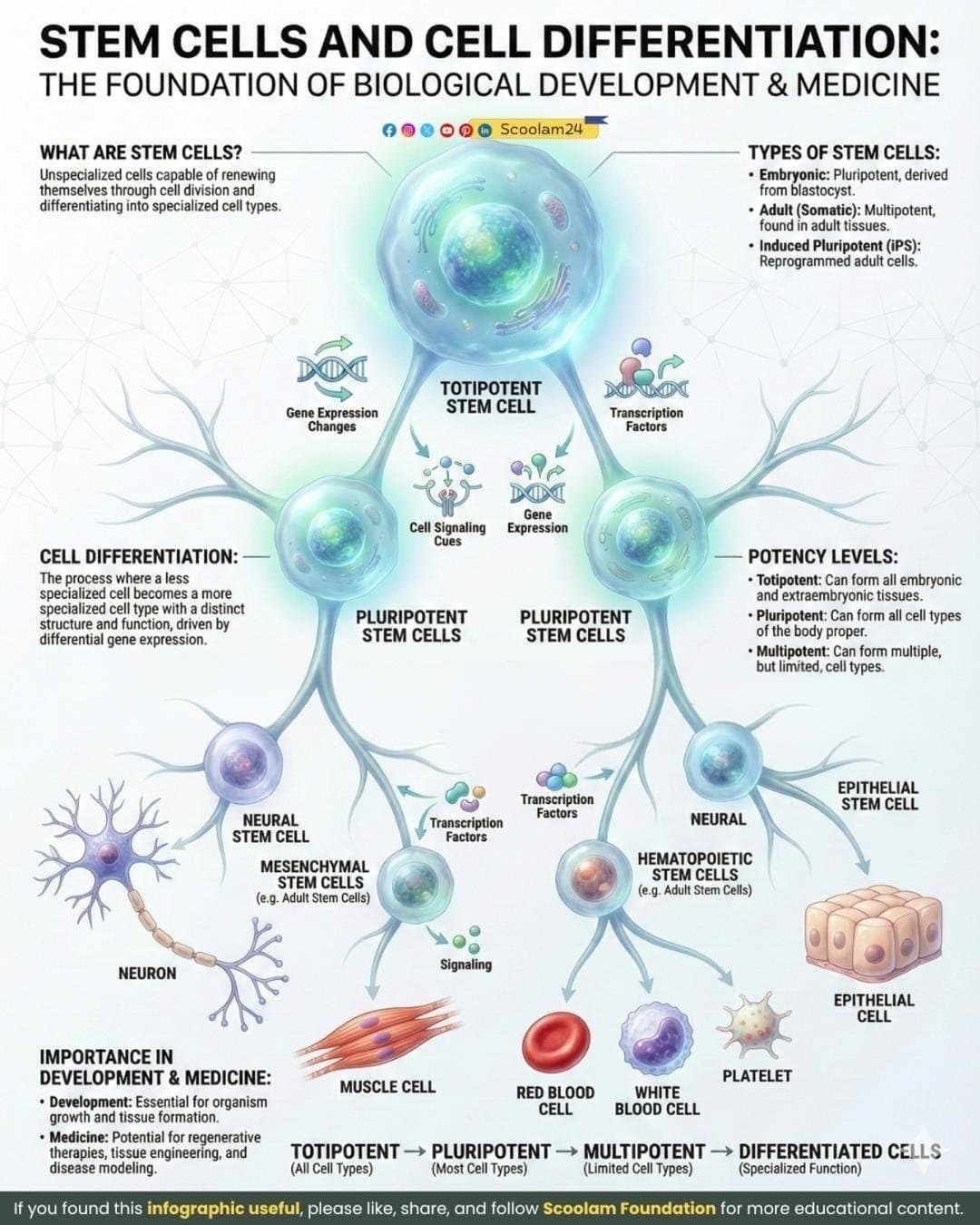
Posted by Marco Daniel MachadoMar 3Stem cells become specialized cells through the activation or silencing of specific genesAfter fertilization, when a sperm cell fuses with an egg, the resulting stem cell is described as totipotent—capable of transforming into any type of body cell or embryonic structures (e.g., placenta). Once differentiated into multipotent cells, they can only specialize further within specific cell type families, such as hematopoietic cells that become platelets and red and white blood cells. Zoomhttps://www.facebook.com/scoolam24/photos/the-cells-that-can-become-anythingstem-cells-are-the-original-builders-of-the-hu/122205234032332298/
Posted by Marco Daniel MachadoMar 3The syncytiotrophoblast is the outer layer of the placenta and the largest human cell, spanning an area about twice that of a king-sized bedsheet.Show 2 more findings 19:32- YouTubeSciShowhttps://www.youtube.com/watch?v=RuN5HxSew7w
Posted by Teddy BurkhardtJun 30Human origins 101Learn about the over 20 early human species that belong in our family tree and how the natural selection of certain physical and behavioral traits defined what it means to be human. 3:48Human Origins 101 | National GeographicNational Geographichttps://www.youtube.com/watch?v=ehV-MmuvVMU
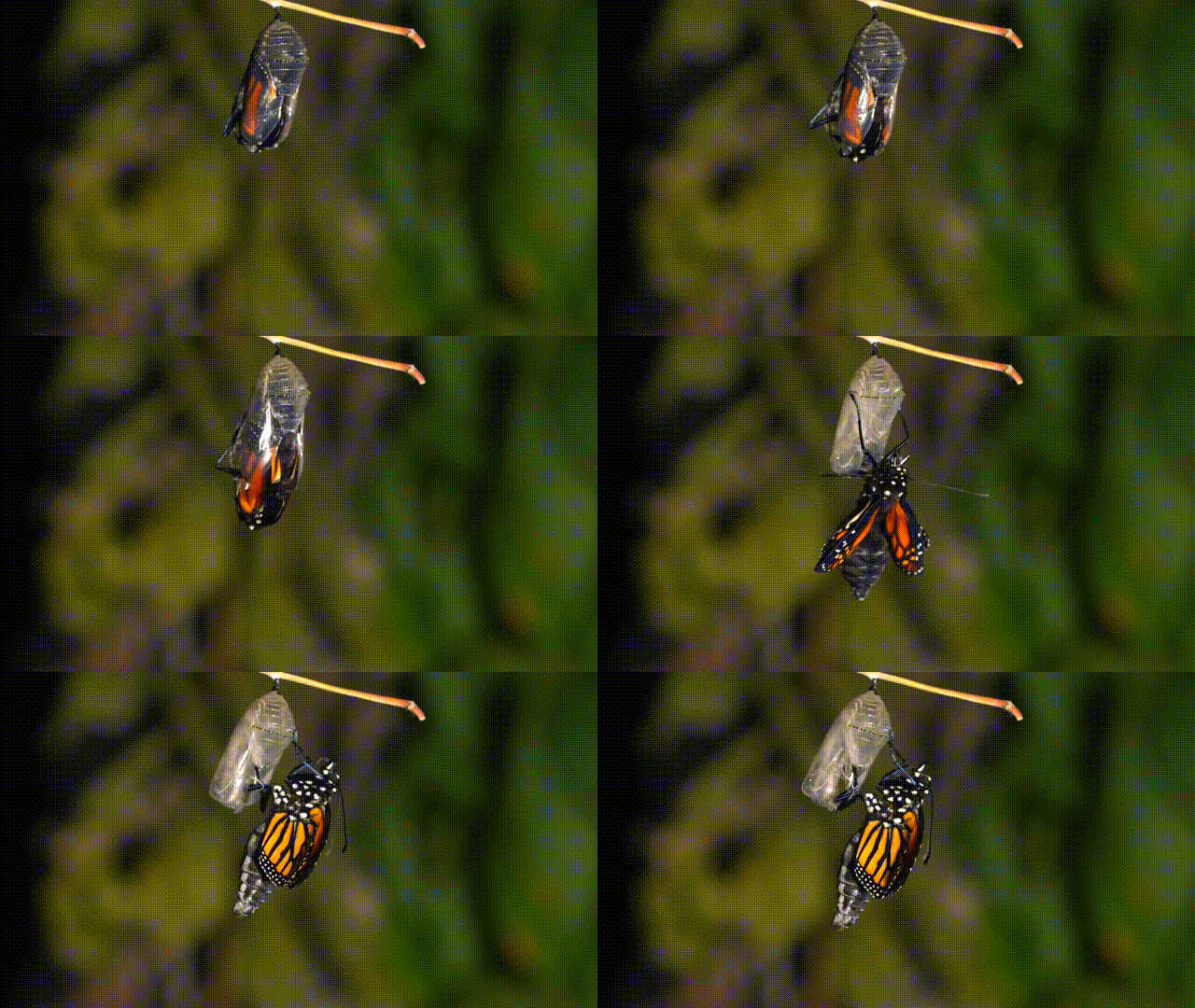
Posted by Marco Daniel MachadoJun 11Metamorphosis evolved over millions of years as species that hatched as smaller versions of adults started exhibiting genetic mutations that differentiated juvenile and adult bodies.Show 3 more findings ZoomHow did metamorphosis evolve?Live Sciencehttps://www.livescience.com/animals/insects/how-did-metamorphosis-evolve
Posted by Dina Fine MaronJan 12Humans accurately detect their goose bumps only about one-third of the time.Show 3 more findings Zoom<em>Psychophysiology</em> | SPR Journal | Wiley Online LibraryPsychophysiologyhttps://onlinelibrary.wiley.com/doi/10.1111/psyp.14605
Posted by Dina Fine MaronJan 12Artificial goose bumps could theoretically be used for information storageInspired by how fine hairs stand on the skin with goose bumps, researchers have recently created artificial skin that raises artificial goose bumps when exposed to a laser. This type of precise, localized, and controllable system could potentially fuel later development of programmable machines that could be used for information storage.Naturehttps://www.nature.com/articles/s41563-024-01810-6
Posted by Teddy BurkhardtMay 3, 2023How do genetics work?Perhaps you have your mother’s hair or your grandfather’s eyes. How did you get these traits and not others? Learn how genetics work in this online video game. ZoomPigeoneticshttps://learn.genetics.utah.edu/content/pigeons/pigeonetics/
Posted by Meher QazilbashApr 18Scientists first observed a sperm and an egg uniting in 1876Throughout human history, scholars and researchers have speculated on the origin of human reproduction. It wasn't until the late-19th century that the physical process of egg fertilization via sperm cells was observed (in sea urchins), forming the basis for modern fertility research.The Birth and History of IVF | RMA Network - Fertility Clinichttps://www.cam.ac.uk/stories/reproduction
Posted by Marco Daniel MachadoDec 28, 2021DNA carries the unique instructions that shape how each person grows and functionsThe human genome contains over six billion DNA letters, organized into 46 chromosomes inherited from both parents. Genes—sections of DNA—serve as templates for making proteins, and variations in these sequences can affect how our bodies work or respond to the environment. 2:13DNA, genes and genomeshttps://www.youtube.com/watch?v=ictAm2wSwtY
Posted by Teddy BurkhardtMay 23, 2023Like fingerprints, brain anatomy is unique tooResearchers have discovered that a combination of experiences and genetic factors shape the anatomy of the human brain. They found even quick experiences affect the brain’s genetic makeup, which—over time—means every person develops a completely unique brain anatomy. While brain imaging could be used to identify individuals, it remains much more expensive than fingerprinting for now. Read to found out more about this study from the University of Zurich. ZoomEvery Person’s Brain Is Unique: StudyNewsweekhttps://www.newsweek.com/every-person-has-unique-brain-anatomy-1017120
Posted by Marco Daniel MachadoMar 3Cells can last in the human body from days to a person's entire lifeDespite claims that a person's body replaces itself every seven to 10 years, the rate at which cells die and are replaced varies by cell type. Gastrointestinal cells that line the digestive tract and stomach last only a few days, while some heart muscle cells and most neurons are around from birth until death. 3:09NPR's Skunk Bearhttps://www.youtube.com/watch?v=Nwfg157hejM
Posted by Marco Daniel MachadoJan 27Half of human DNA is inherited from each parentWithin most cells reside 23 pairs of chromosomes made of tightly wound DNA, and half of each pair is inherited from each parent. The 23rd pair consists of two X-shaped chromosomes, or one such chromosome paired with a Y chromosome, and determines biological sex.Sano Geneticshttps://sanogenetics.com/blog/will-dna-be-the-same-for-siblings
Posted by Teddy BurkhardtJun 30A history of belly buttons, from dinosaurs to modern dogsCould dinosaurs have had belly buttons, just like you and me? Some researchers believe they've found evidence the ancient reptiles had the cute scar, a common feature among placental mammals (but which is also found in many more kinds of animals). Dive into their peculiar findings with this fascinating video. 7:14Did Dinosaurs Have Belly Buttons?SciShowhttps://www.youtube.com/watch?v=2r8QCs2yBts
Posted by Marco Daniel MachadoJan 27Organisms can possess multiple unique sets of DNA in one bodyGenetic chimeras can result when cells with different DNA combine, such as when two sperm cells fertilize two egg cells, creating two embryos that then merge. In mosaicism, mutations arise within an organism after conception and can spread through cell division, resulting in diseases and forming genetically distinct anatomy. 10:00Be Smarthttps://www.youtube.com/watch?v=8WsF9Z4B7T8
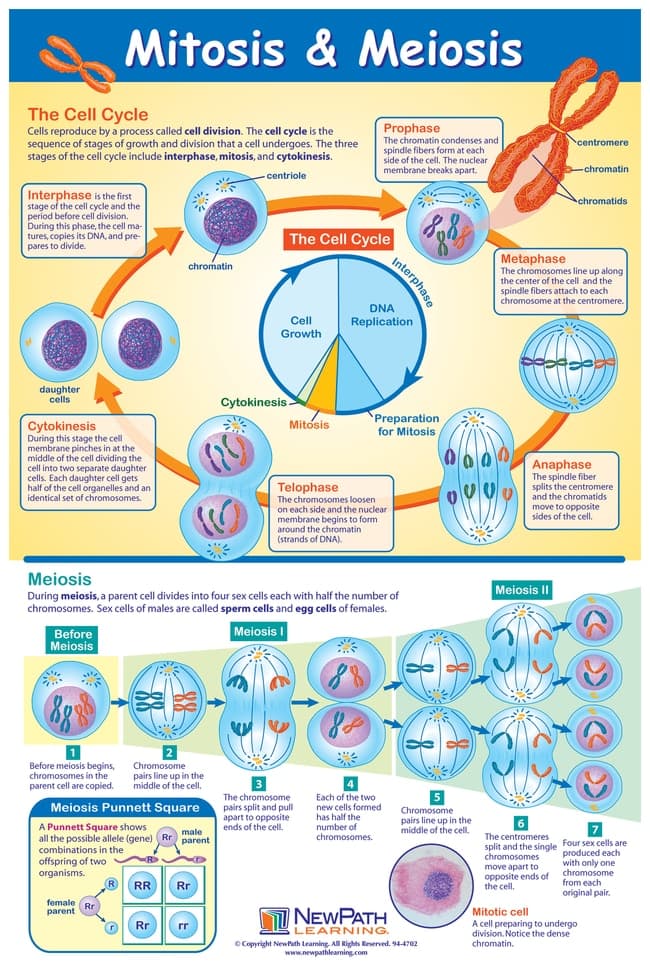
Posted by Marco Daniel MachadoMar 3Cells create more organelles and duplicate their genetic material before dividingAs part of the cell cycle, this ensures that after mitosis—the process of cell division—the two resulting daughter cells possess the tools necessary to complete the functions of their parent cell, including accumulating energy and making proteins. During meiosis, four egg or sperm cells are created, each with half the parent cell's DNA. Zoomhttps://assets.fishersci.com/TFS-Assets/CCG/product-images/F63436~p.eps-650.jpg