Human Interest

1440 Findings

Hours of research by our editors, distilled into minutes of clarity.

  • Tigers emerged much earlier as a species than lions

    Both lions and tigers are iconic big cats known for their size and power, but they remain distinct species. Beyond just looking different, they can exhibit very different behaviors. For example, tigers are significantly less social than lions, who live in social matriarchal groups. Tigers and lions are unlikely to ever interact in the wild, but humans have artificially bred them in captivity, creating a "liger."

  • Nine different studies exploring animals' relationship to music

    Researchers have conducted multiple studies attempting to answer a certain question: do animals like human music? Across species, they observed different results and no clear pattern. Primates appear to prefer silence, and cockatoos appear to dance to funky beats.

  • Explore an interactive map showing what makes people happy

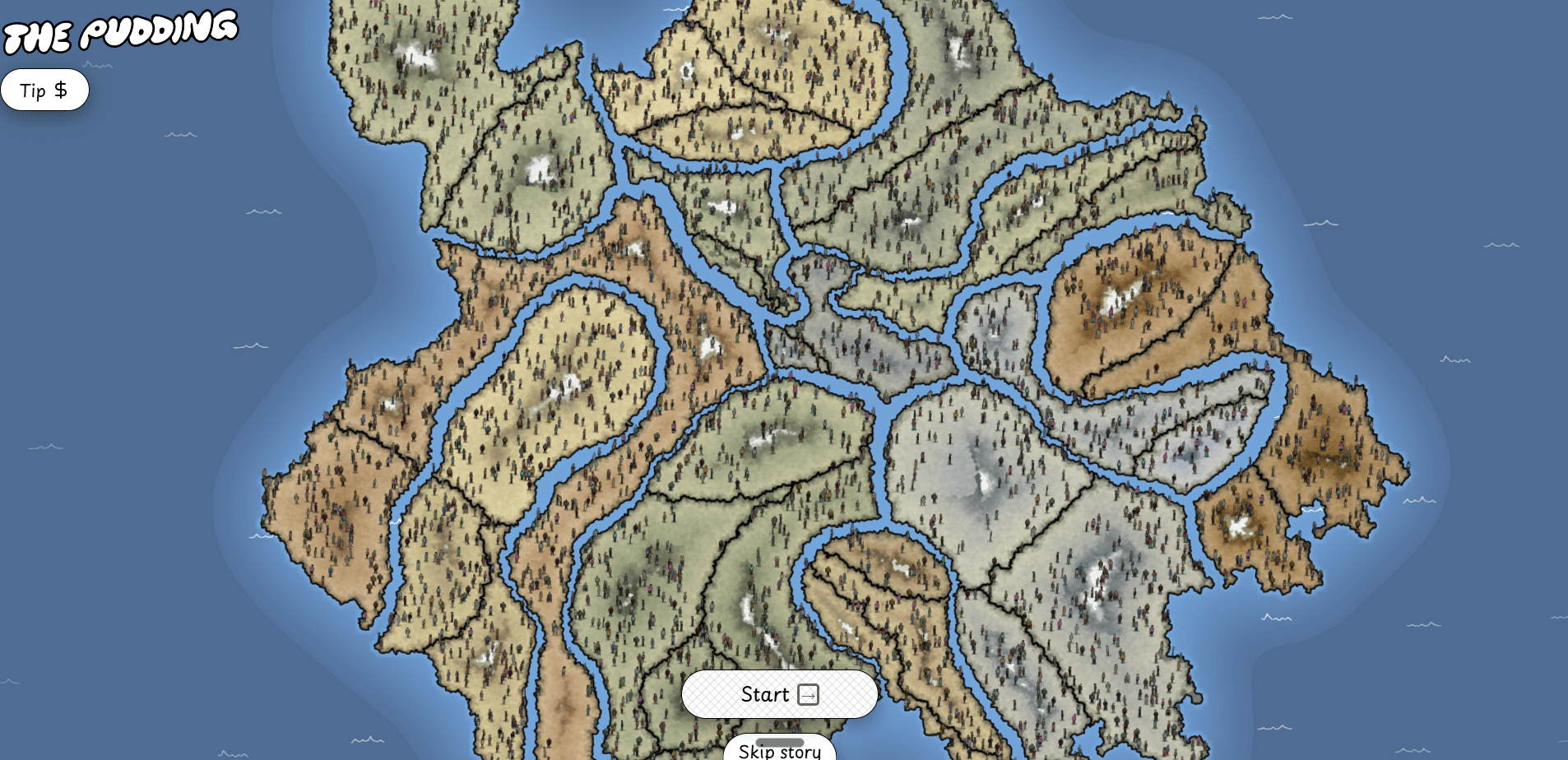
    Using 10,000 responses collected from people around the world about what makes them happy, this map offers insights into how relationships, finances, purpose, and small treats all contribute to a person's contentment. Recent data suggests that young people today are less happy than those in previous generations, indicating a need to reflect on what really matters in life.

  • How snake biology allows them to eat prey larger than they are

    Possessing flexible skulls with elastic ligaments and unfused jaw bones, snakes can open their mouths to engulf much larger prey, and adjustable airways enable them to continue breathing while their teeth grip onto their food. Through slow digestion and specialized cells that decompose bones, some snakes can survive on a single large meal for over a year.

  • The wife and mother of two of the Titan submersible victims shares her life since the tragic accident

    The loss of the Titan submersible amid its June 2023 dive to explore the wreckage of the Titanic captured headlines worldwide. Christine Dawood had given up her seat on the trip of a lifetime to her 19-year-old son, Suleman, so he could experience the dive with his father. She has since written a book about her experience of the tragedy and about life in its aftermath.