American Civil War
Overview
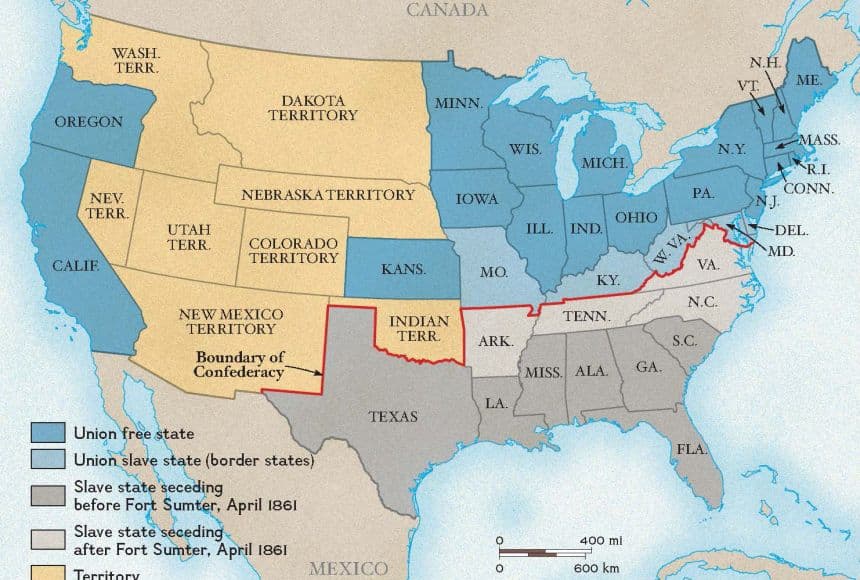
The American Civil War, fought from 1861 to 1865 between the Union and 11 Southern states that had seceded to form the Confederacy, remains the nation's deadliest conflict, with an estimated 700,000 soldiers killed—more than in all other US wars combined. About two-thirds of those deaths resulted from disease rather than combat.
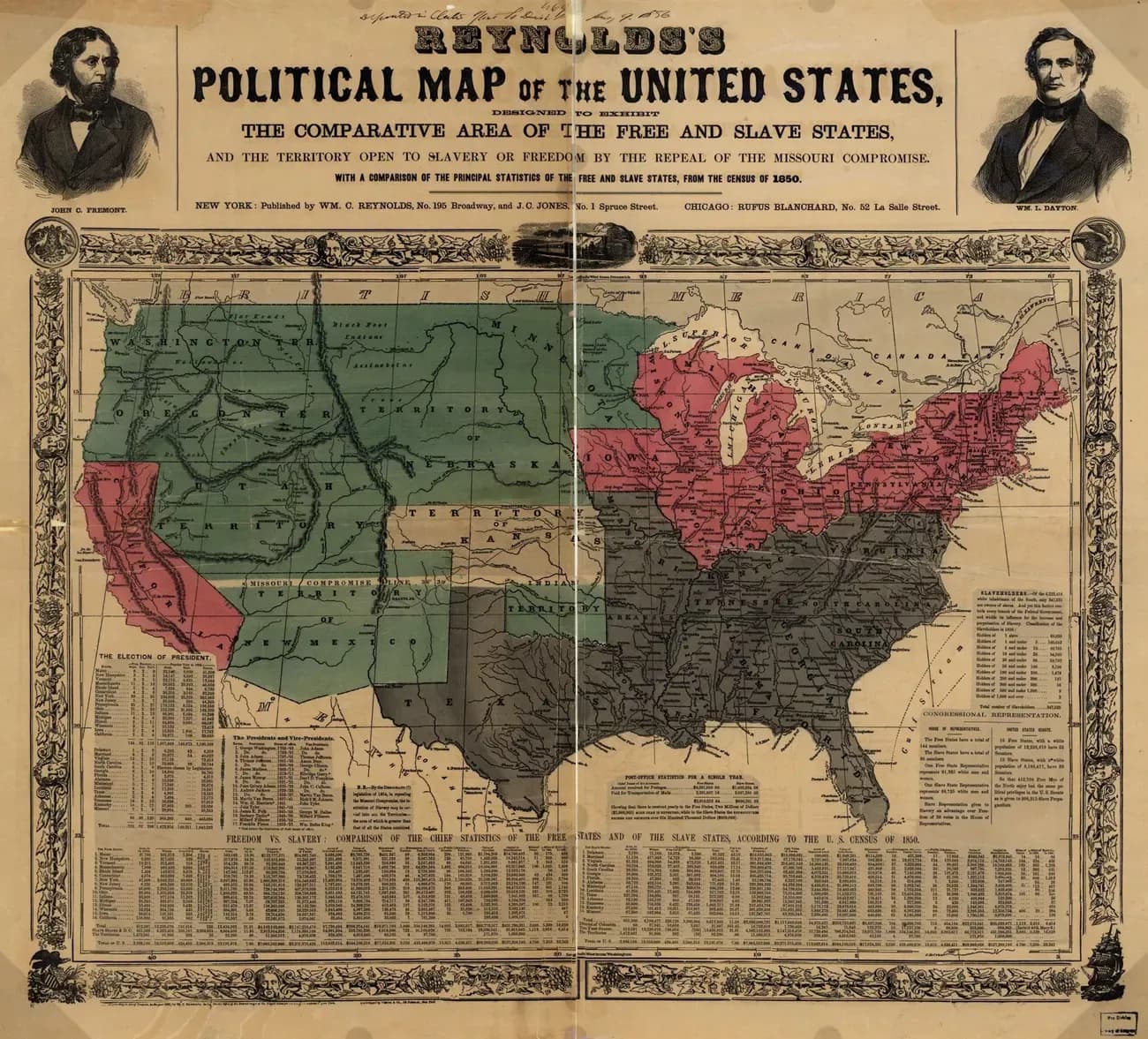
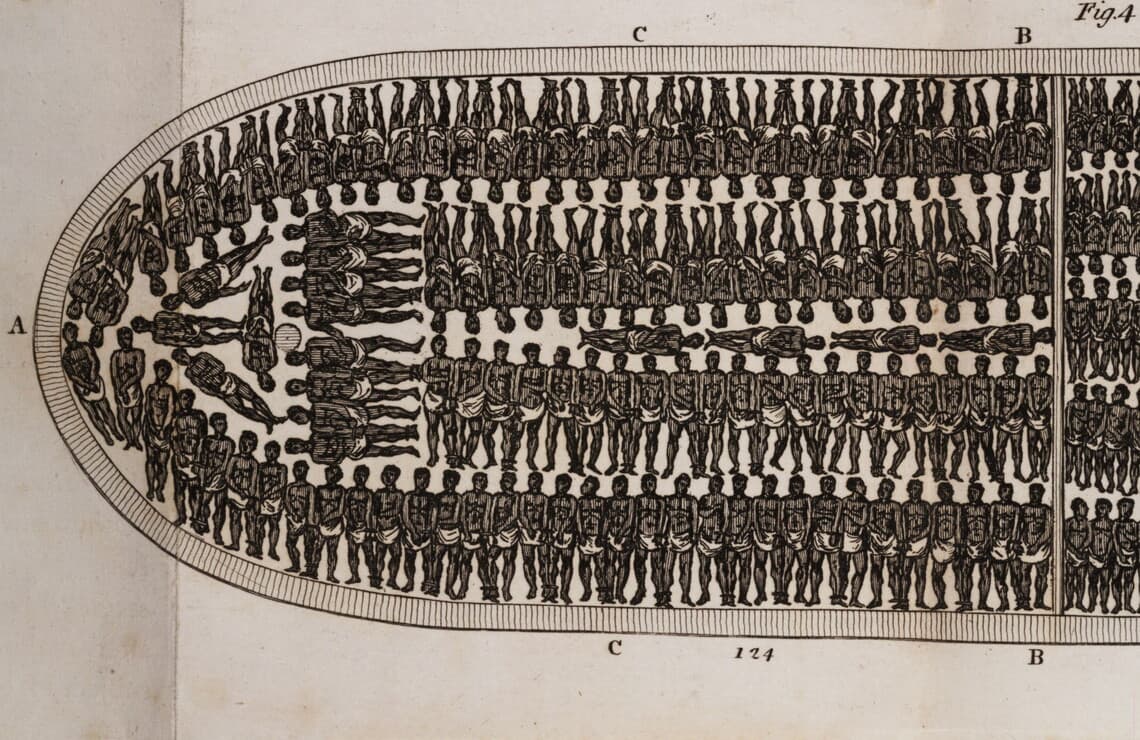
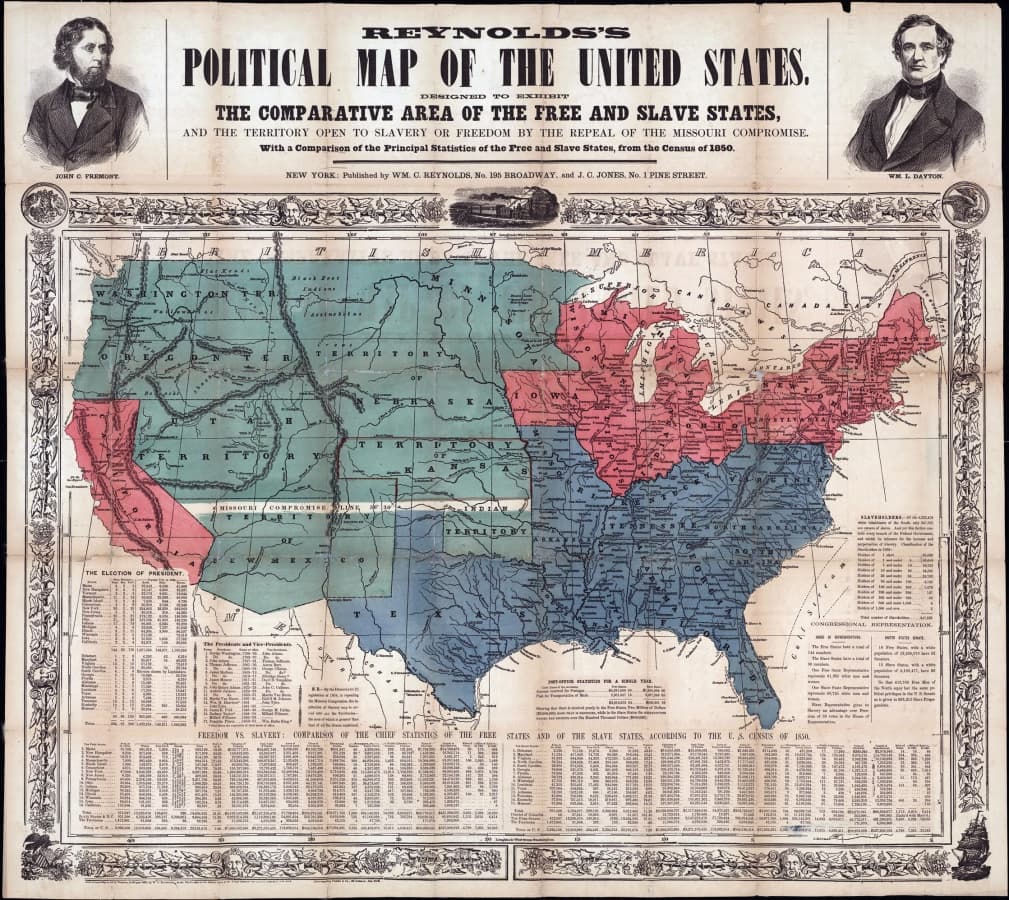
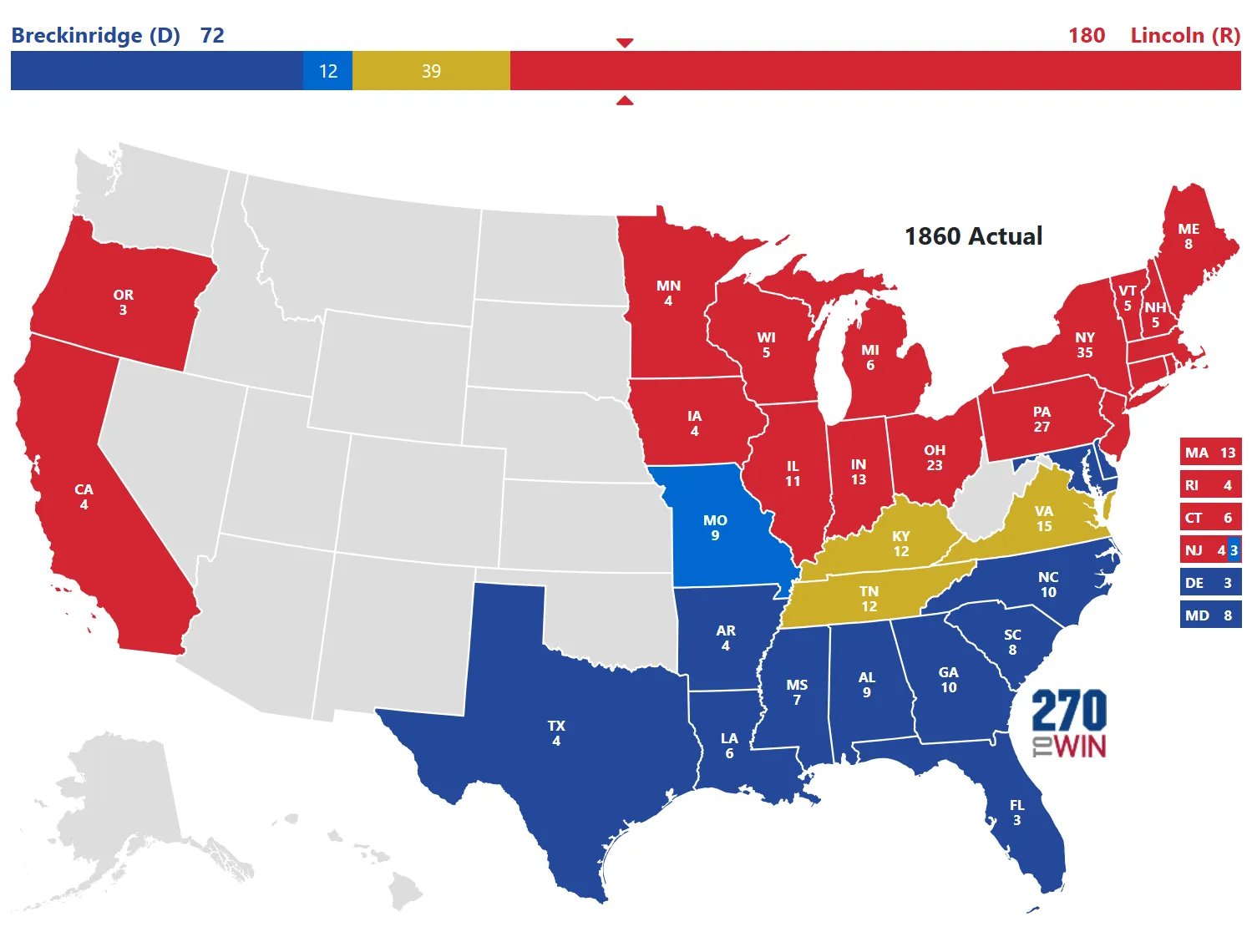
The war's root cause was slavery—particularly its expansion into new territories—and the South's effort to preserve a system built on enslaved labor. Abraham Lincoln's 1860 election on a platform opposing the spread of slavery triggered secession and open conflict after Confederate forces attacked Fort Sumter in April 1861.
Early Confederate victories gave the South initial momentum, but Union military strength and resources gradually turned the tide. The Battle of Gettysburg in July 1863 marked a decisive shift, ending Confederate advances into the North. The war ended in April 1865 when Confederate General Robert E. Lee surrendered to Union General Ulysses S. Grant in Virginia—just days before Lincoln's assassination.
The conflict and its aftermath reshaped America socially and technologically. It accelerated industrialization by expanding railroads and spurring advances in communication and medicine. By the war's end, the country had abolished slavery, expanded federal authority, and begun Reconstruction—though the conflict's divisions remain visible today.
1440 Findings
Hours of research by our editors, distilled into minutes of clarity.







Explore Civics
An informed citizenry is the backbone and bulwark of a vibrant democracy. From the principles behind the founding of the country to the forces that shaped our modern institutions, explore the most illuminating and insightful Civics resources from across the internet.