Apollo Program
Overview
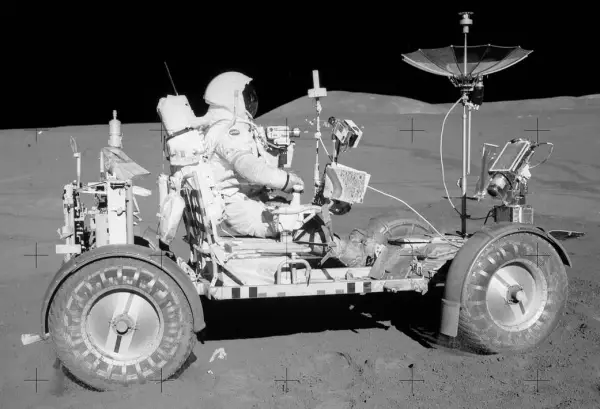
The Apollo program was an American space initiative in the 1960s and early 1970s led by the National Aeronautics and Space Administration to land humans on the moon.
Named after the Greek god associated with the sun, the program started in 1961 in response to the Soviet Union's launch of the first artificial satellite and the first human into space.
Eight years later, Apollo 11 would achieve the program's goal—a first in human history—when Neil Armstrong and Edwin “Buzz” Aldrin touched down on the moon, while Michael Collins piloted their command module.
The program cost over $200B in today's dollars, launched 11 crewed missions, and saw 12 American astronauts walk on the moon. It generated several technological advancements, laid the foundation for today's microelectronics, and influenced the development of the Global Positioning System, or GPS.
1440 Findings
Hours of research by our editors, distilled into minutes of clarity.



Explore World History
Weave together the many narratives of world history with our highly curated and expanding selection of diverse, fascinating resources designed to showcase the breadth and richness of Earth's story, from the earliest traces of human civilization to the dramatic developments of contemporary cultures.