The Space Race
Overview
The space race was an intense rivalry between the US and the Soviet Union to establish dominance in space exploration during the early Cold War. Both countries aimed to showcase technological skill and gain prestige by reaching milestones in a field once seen as science fiction.
The competition was also a consequence of the larger struggle for political and nuclear dominance, as the US and the Soviet Union each feared the other would gain a military edge through space technology.
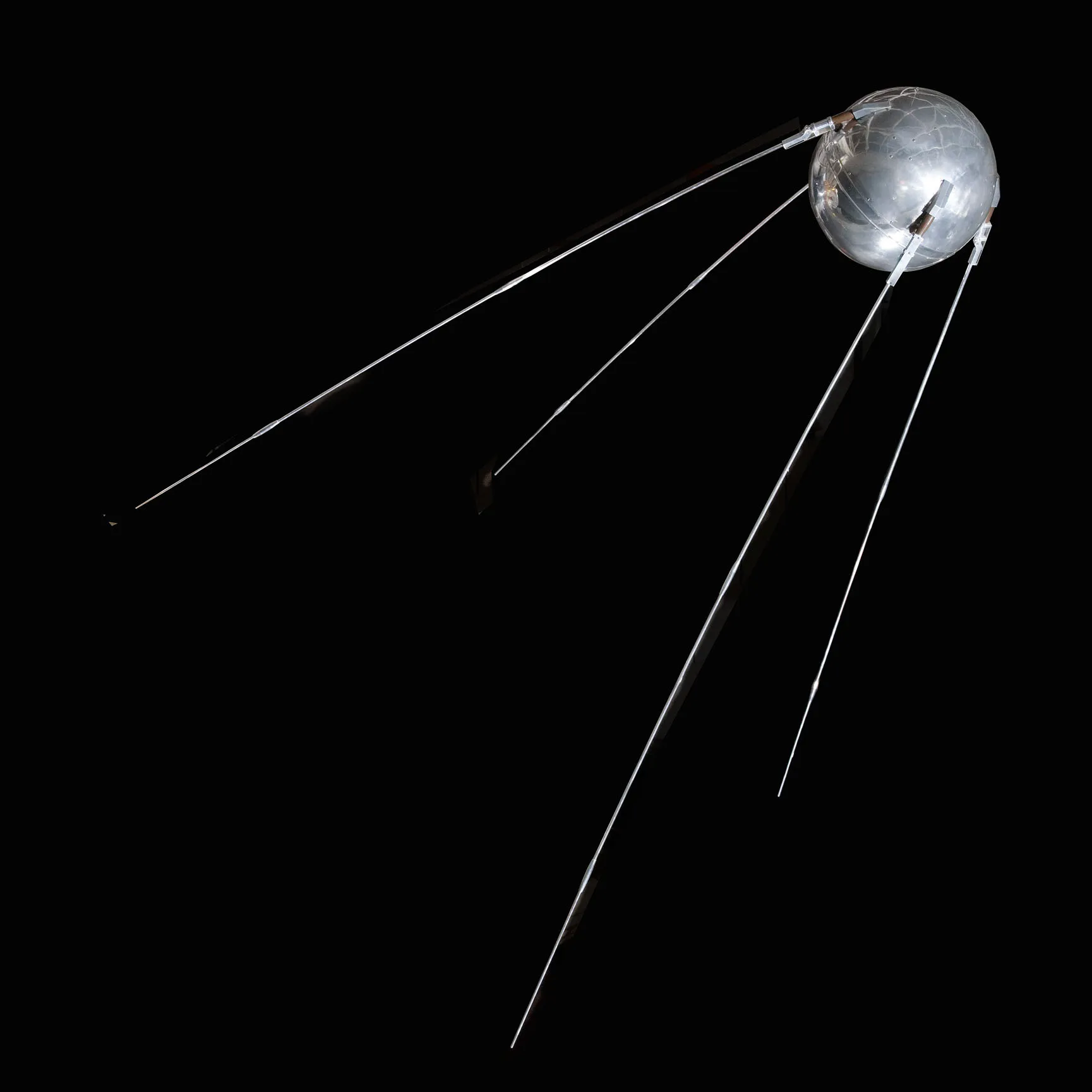
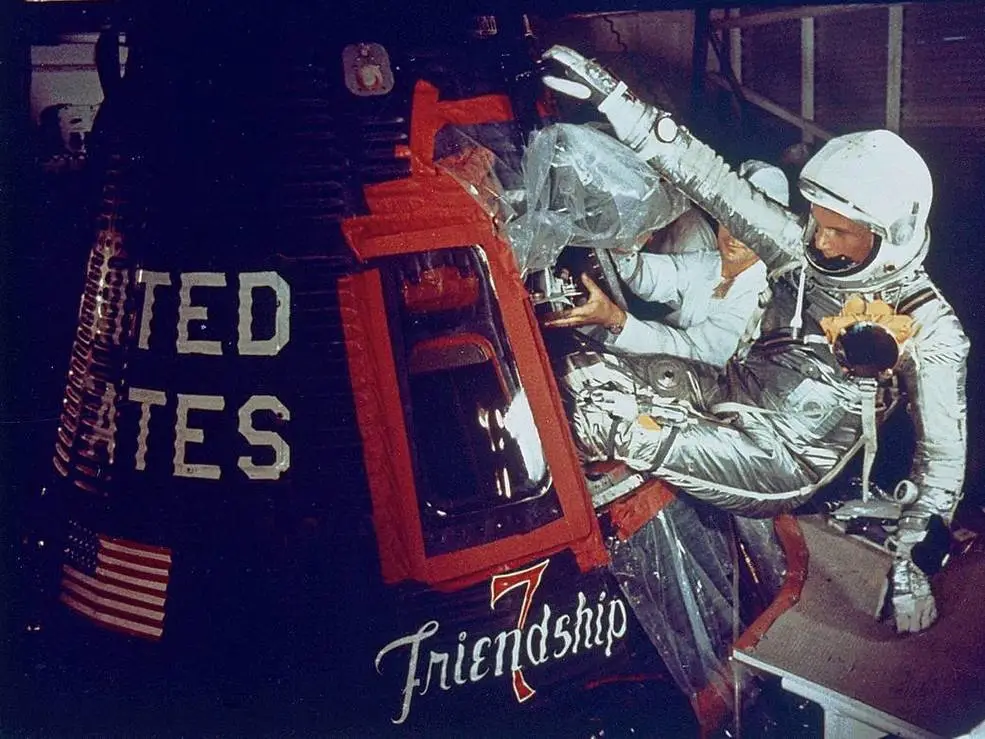
The Soviet Union took an early lead with a series of firsts: launching the first artificial satellite, sending the first animal into space, sending the first human into space, and performing the first spacewalk. The United States then recovered through significant investment and renewed political focus. In 1969, the US reached the race's pivotal milestone when Apollo 11 landed astronauts on the moon—widely regarded as the ultimate victory in the space race.
1440 Findings
Hours of research by our editors, distilled into minutes of clarity.






Explore World History
Weave together the many narratives of world history with our highly curated and expanding selection of diverse, fascinating resources designed to showcase the breadth and richness of Earth's story, from the earliest traces of human civilization to the dramatic developments of contemporary cultures.