Panama Canal
Overview
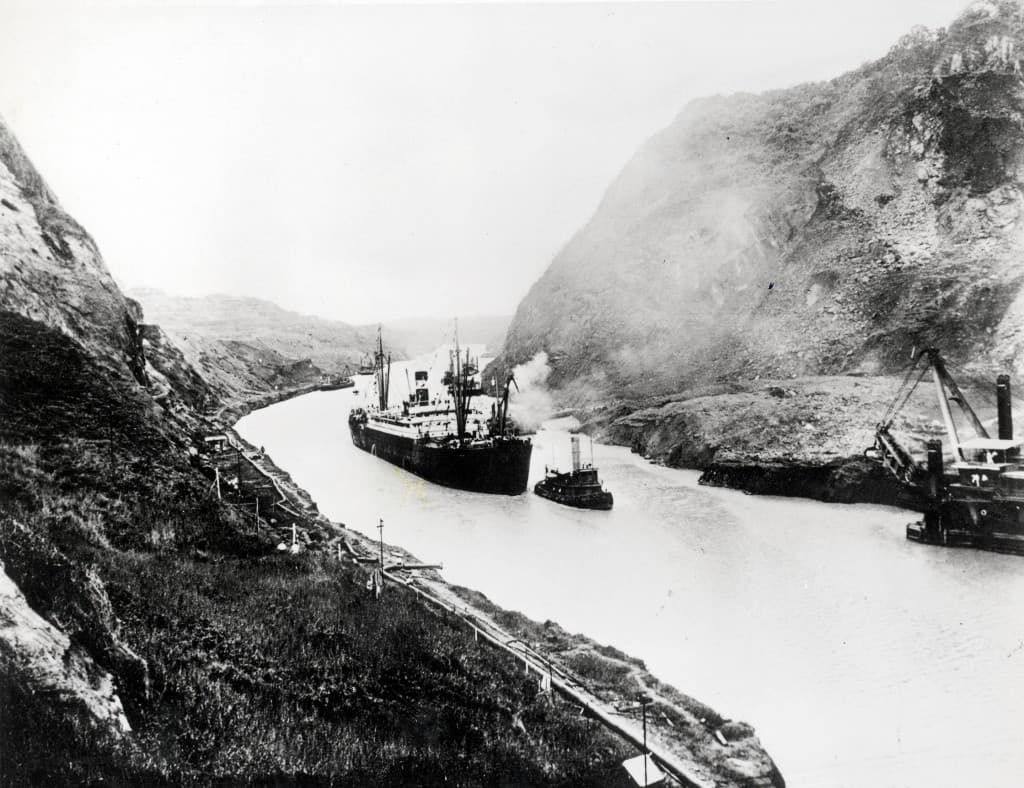
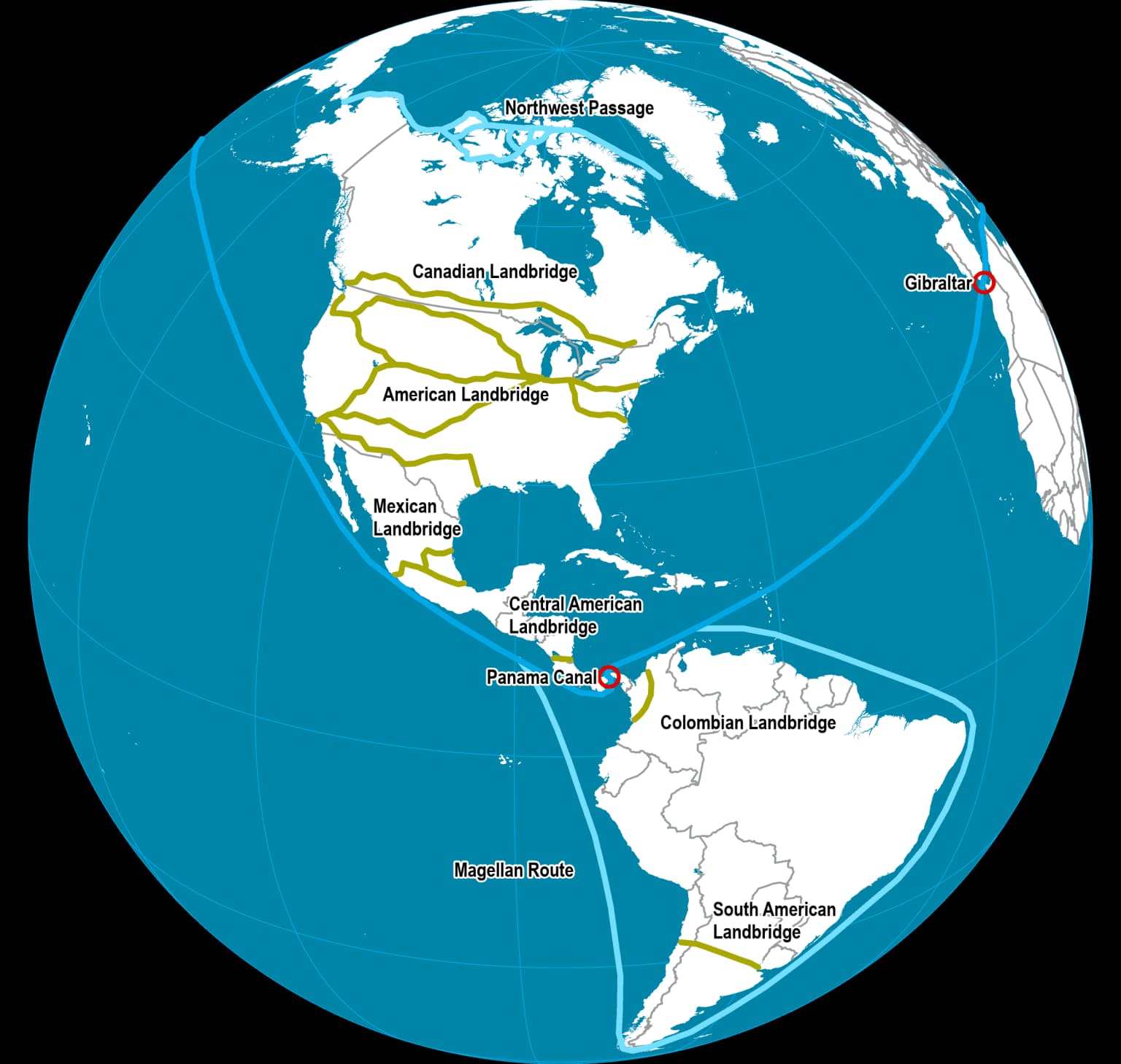
The Panama Canal is a 51-mile-long waterway across the Isthmus of Panama in Central America. Each year, it allows as many as 14,000 vessels to travel between the Pacific and Atlantic oceans.
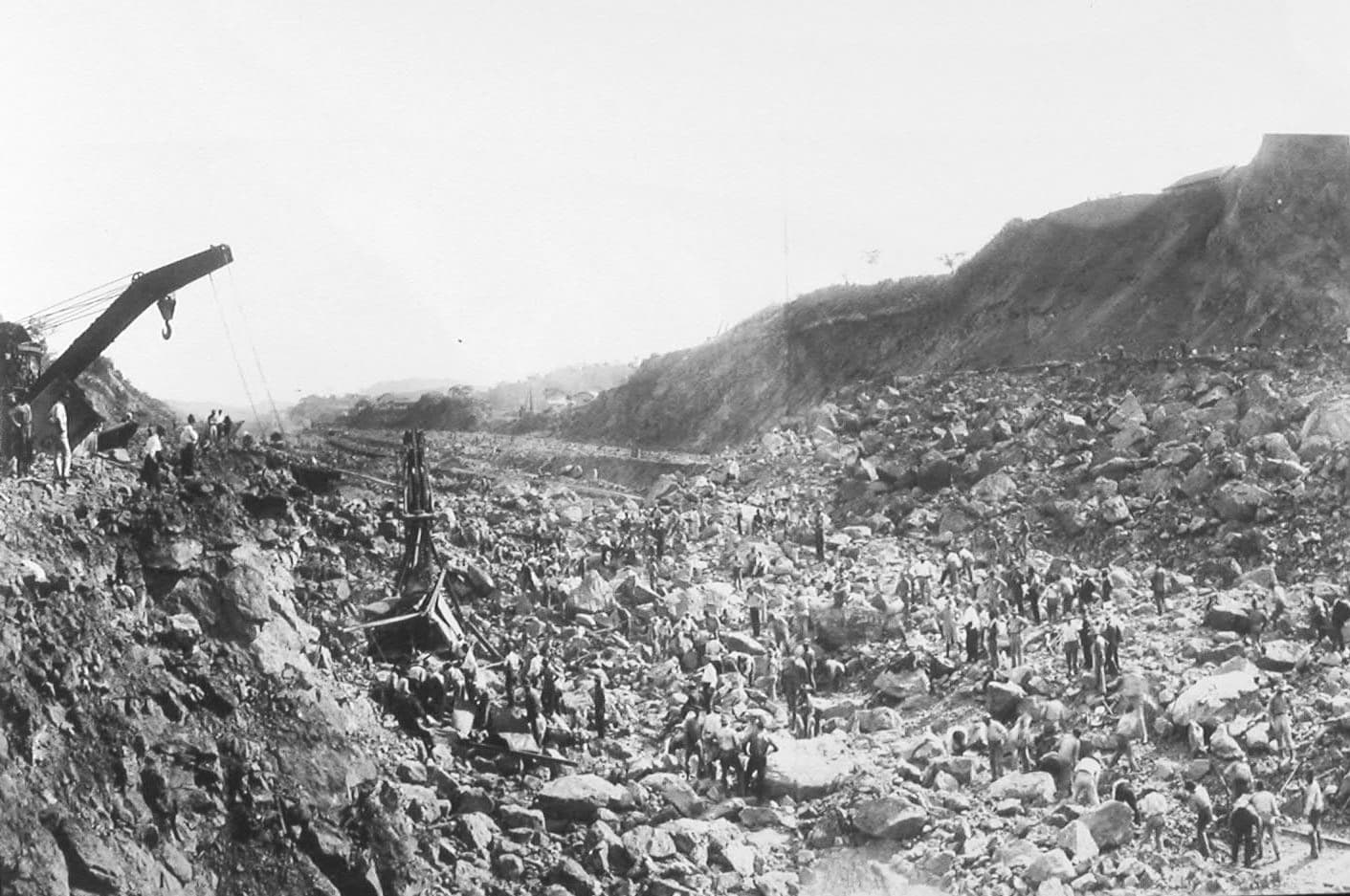
After its debut in 1914, it significantly shortened shipping times, and now accounts for about 5% of global seaborne trade. It remains one of the most ambitious engineering projects in history, requiring over three decades, 75,000 workers, and more than $5B in today’s dollars to build.
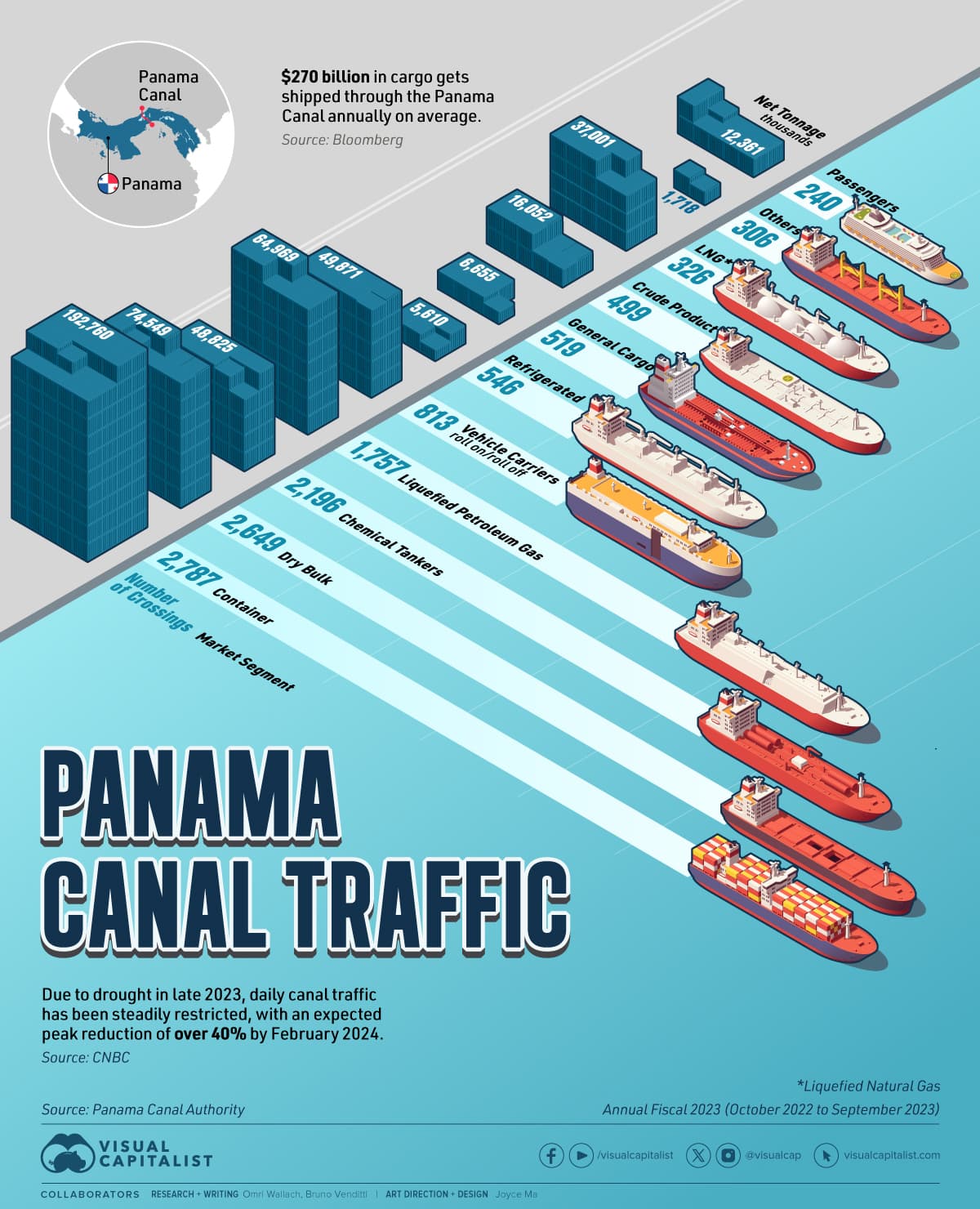
In 1977, President Jimmy Carter signed a treaty pledging to hand over control of the canal to Panama, ensuring the waterway would remain neutral. The canal passed from American to Panamanian control on December 31, 1999. Fees from vessels that use the canal—mostly container ships, but also those carrying cars, gas, refrigerated goods, and cruise passengers—add around $5B per year to Panama’s economy.
1440 Findings
Hours of research by our editors, distilled into minutes of clarity.



Explore World History
Weave together the many narratives of world history with our highly curated and expanding selection of diverse, fascinating resources designed to showcase the breadth and richness of Earth's story, from the earliest traces of human civilization to the dramatic developments of contemporary cultures.