Wampanoag
Overview
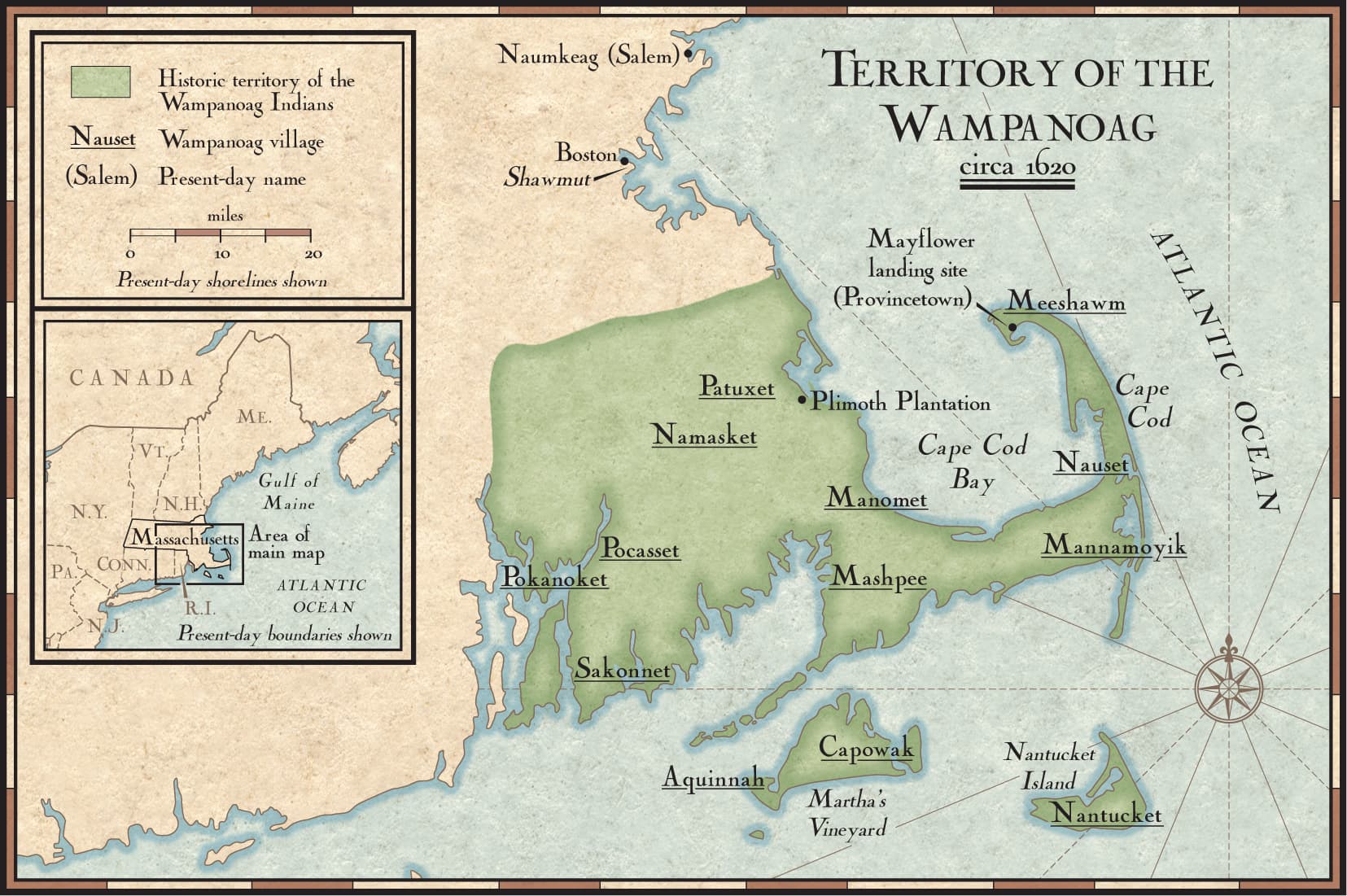
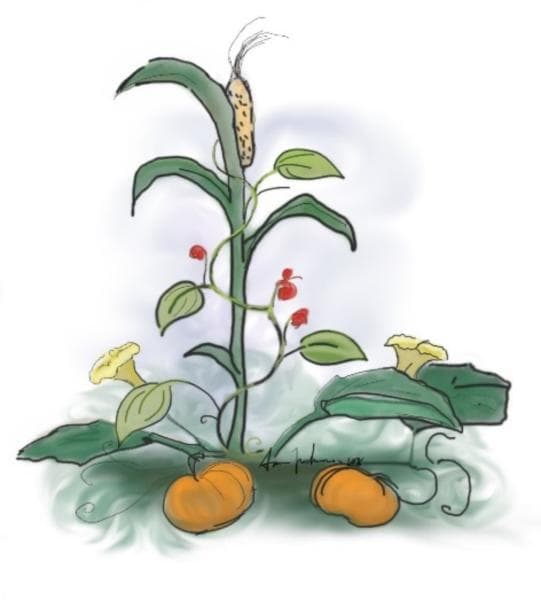
The Wampanoag Nation was a confederation of Indigenous peoples who lived in what is now eastern Massachusetts, Rhode Island, and parts of Connecticut for approximately 12,000 years. Their coastal, partly nomadic communities farmed, fished, and hunted, relying on a system of agriculture that featured corn, beans, and squash. Wampanoag society was largely matrilineal, with property passed through women, even as men often held formal political roles.
European contact in the early 1600s proved catastrophic: Diseases carried by traders and sailors killed an estimated two-thirds of the Wampanoag population in an event later called the Great Dying. One survivor, Tisquantum, later helped English settlers survive by teaching farming and fishing methods, after years of enslavement abroad and returning to find his community devastated.
A temporary alliance of 1621 collapsed as colonization expanded, culminating in King Philip’s War in 1675. The conflict decimated Native power through death, slavery, and displacement, reshaping New England permanently.
1440 Findings
Hours of research by our editors, distilled into minutes of clarity.




Explore World History
Weave together the many narratives of world history with our highly curated and expanding selection of diverse, fascinating resources designed to showcase the breadth and richness of Earth's story, from the earliest traces of human civilization to the dramatic developments of contemporary cultures.