British Empire
Overview
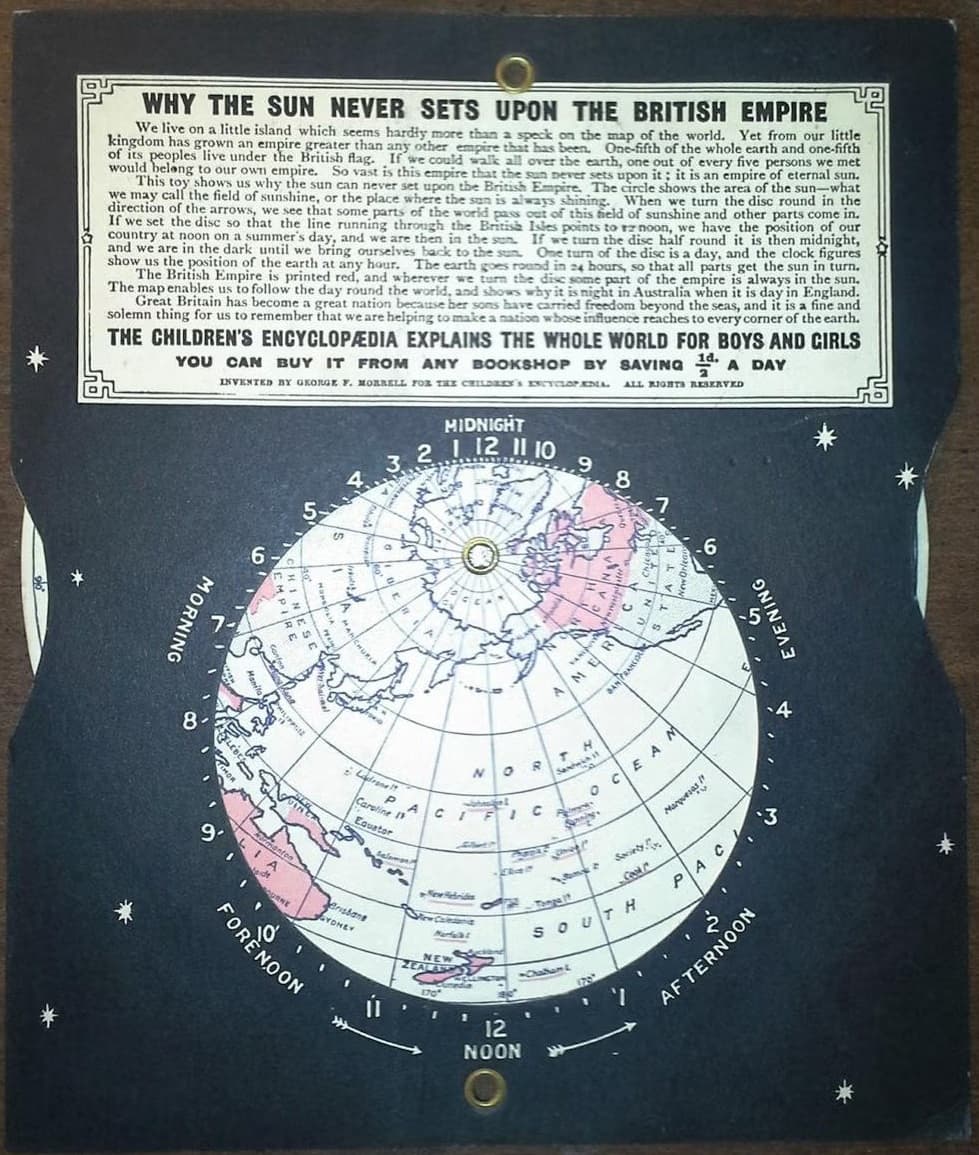
The British Empire, once the largest on Earth, was the world's first modern superpower. At its height in the early 1900s, it governed nearly one-quarter of the world's population—about 500 million people—stretching across every inhabited continent.
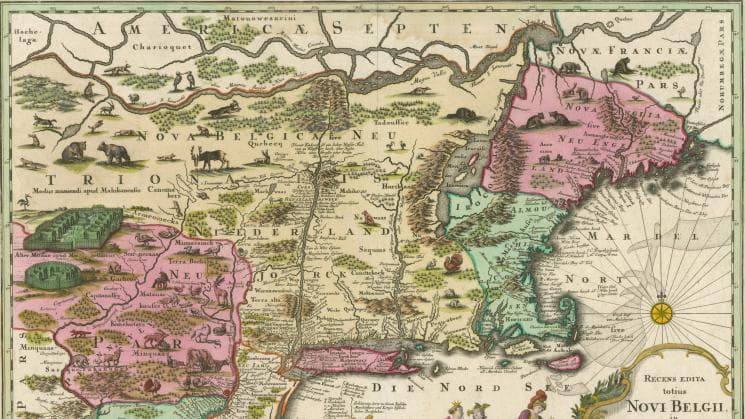
Britain's empire began forming in the late 16th century alongside Dutch, French, and Spanish rivals. Driven by competition for land, resources, and trade, it expanded through conquest, colonization, and commerce; its first colony was founded in 1585 off the coast of present-day North Carolina.
By the early 20th century, nationalist movements were rising across the empire. World War II further weakened Britain's capacity to maintain its holdings, and public support for colonial rule faded. India—long considered the empire's "crown jewel"—won independence in 1947, and by the 1960s, Britain signaled it would not resist African independence movements. The empire effectively ended in 1997 with the handover of Hong Kong to China.
1440 Findings
Hours of research by our editors, distilled into minutes of clarity.




Explore World History
Weave together the many narratives of world history with our highly curated and expanding selection of diverse, fascinating resources designed to showcase the breadth and richness of Earth's story, from the earliest traces of human civilization to the dramatic developments of contemporary cultures.