Lunar New Year
Overview
An estimated 2 billion people celebrate Lunar New Year, closely associated with the Spring Festival and Chinese New Year. The 15-day festival begins with the first new moon of the lunar calendar, sometime between Jan. 21 and Feb. 20. This adheres to the Chinese lunisolar calendar.
Lunar New Year is a national holiday in some countries, including China, Indonesia, and Singapore, though many other cultures have similar Lunar New Year celebrations. The holiday is regarded as the largest annual human migration in history.
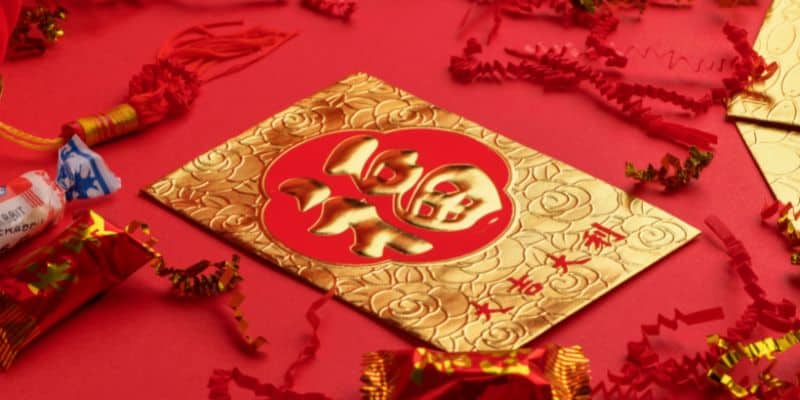
The celebration begins on New Year's Eve with a family reunion feast. Throughout the festival, noisy fireworks are lit to scare away Nian, a mythical beast, and dancers perform with colorful dragon puppets that symbolize wisdom, power, and wealth. People also exchange hóngbāo, or small red envelopes containing money. The final day of celebration corresponds with the full moon and ends with a spectacular display of colorful lights and lanterns.
1440 Findings
Hours of research by our editors, distilled into minutes of clarity.



Explore Society & Culture
Take a deep dive into the topics shaping our shared norms, values, and institutions. Art, music, and sports. Literature, architecture, and TV. Film, food, and philosophy. If it defines who we are as a society or how we express ourselves as a culture, then we're exploring it here.
Featured Topics
- Barbecue
- Beat Generation
- Bob Dylan
- Broadway
- Bruce Springsteen
- Burning Man
- The Burrito
- Country Music
- Dystopian Literature
- Flannery O’Connor
- Frank Lloyd Wright
- Girl Groups
- Hip-Hop
- James Beard Awards
- Memes
- National Football League
- National Parks
- Netflix
- Opera
- Rock 'N' Roll
- Salvador Dalí
- 'Saturday Night Live'
- Shakespeare
- 'The Star-Spangled Banner'
- Steven Spielberg
- Title IX
- True Crime
- Vacationing
- Walt Whitman