Salvador Dalí
Overview
Spanish artist Salvador Dalí's flamboyancy and peculiarity make him one of the most recognizable artists in history and a leader in the surrealist art movement. He is best known for his contributions to the post-WWI movement of surrealism, which rebelled against traditional institutions and ways of thinking.
Dalí's personal obsession with Sigmund Freud, particularly his writings on dreams and the importance of the unconscious mind, profoundly impacted his work. He produced more than 1,500 paintings and a vast array of other works in literature, film, fashion, sculpture, and photography while cultivating a public image that inspired both admiration and horror.
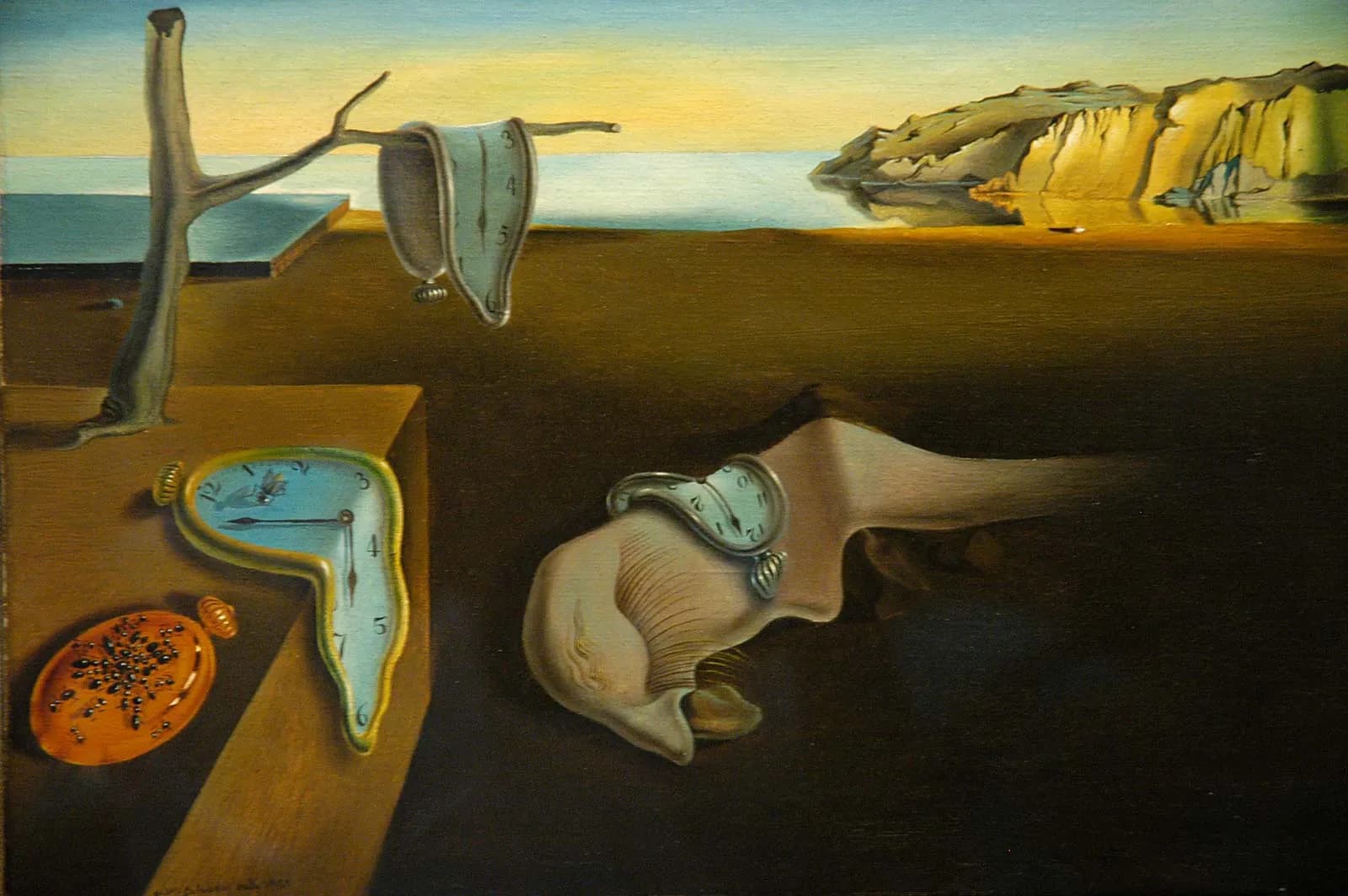
His most famous work, "The Persistence of Memory," features melting clocks draped over a series of objects within a grand landscape that historians believe reflect moments, places, and periods in Dalí's life.
1440 Findings
Hours of research by our editors, distilled into minutes of clarity.




Explore Society & Culture
Take a deep dive into the topics shaping our shared norms, values, and institutions. Art, music, and sports. Literature, architecture, and TV. Film, food, and philosophy. If it defines who we are as a society or how we express ourselves as a culture, then we're exploring it here.
Featured Topics
- Barbecue
- Beat Generation
- Bob Dylan
- Broadway
- Bruce Springsteen
- Burning Man
- The Burrito
- Country Music
- Dystopian Literature
- Flannery O’Connor
- Frank Lloyd Wright
- Girl Groups
- Hip-Hop
- James Beard Awards
- Memes
- National Football League
- National Parks
- Netflix
- Opera
- Rock 'N' Roll
- Salvador Dalí
- 'Saturday Night Live'
- Shakespeare
- 'The Star-Spangled Banner'
- Steven Spielberg
- Title IX
- True Crime
- Vacationing
- Walt Whitman