Flannery O’Connor
Overview
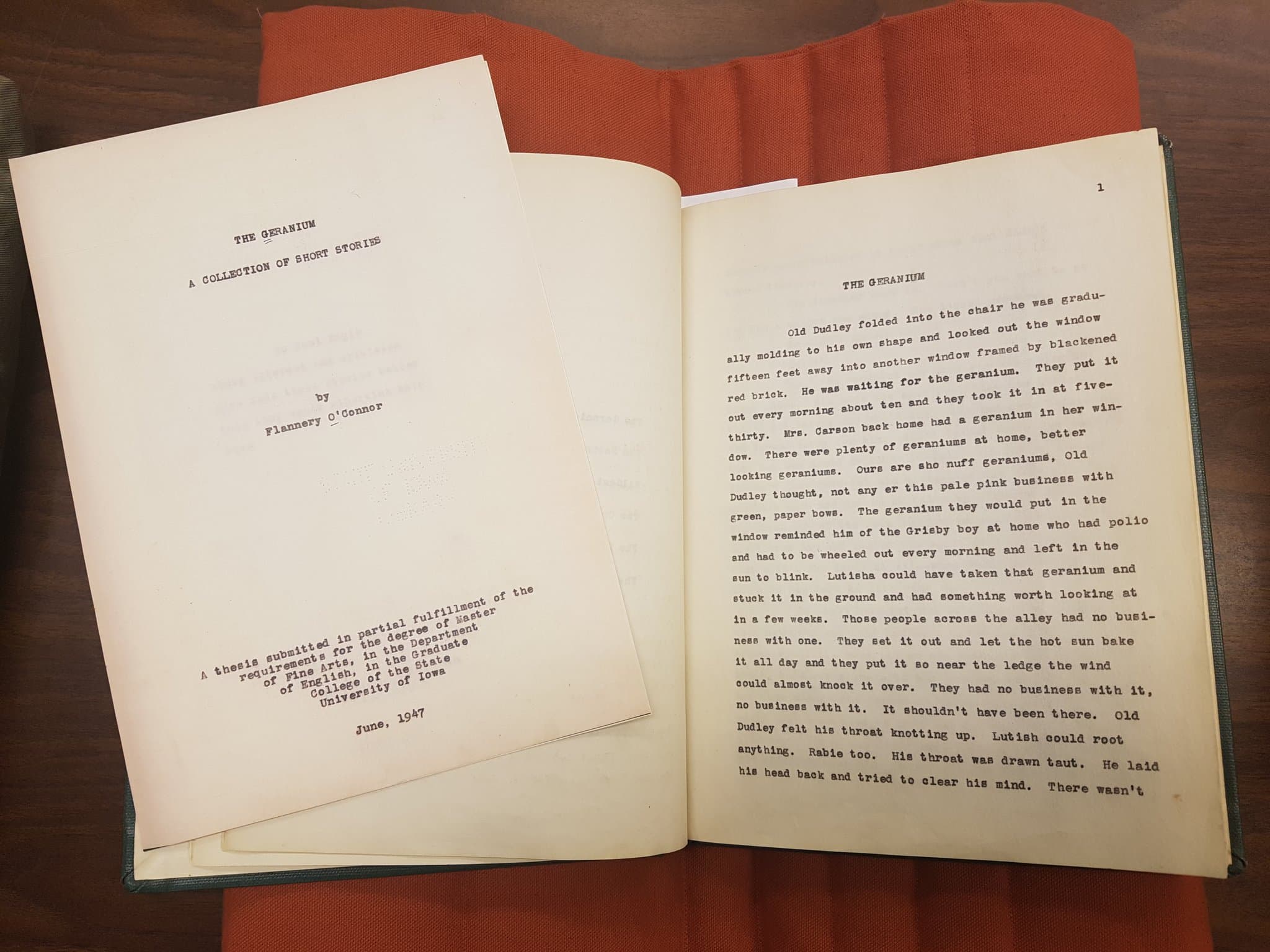
Flannery O’Connor was a 20th-century American writer who wrote 31 short stories and two novels. She was awarded three O. Henry Awards, the most prestigious honor for a short story writer, and posthumously awarded the National Book Award for her “Collected Stories.”
O’Connor’s stories often feature Southern outcasts thrust into bizarre situations. The Deep South is presented as a shadowy place, filled with scheming figures posing as upstanding citizens and smug intellectuals receiving their comeuppance. O’Connor’s faith also informed her writing. Prophets, preachers, and vocal nonbelievers often clashed in her fiction, with strange stories that explored the ways the “Christ-haunted” South was reckoning with its legacies of slavery and segregation.
While her private views on race have led some to discount her writing, O’Connor’s work is still widely taught in high school and college classrooms, with many critics contending that she is among the greatest American writers.
1440 Findings
Hours of research by our editors, distilled into minutes of clarity.




Explore Society & Culture
Take a deep dive into the topics shaping our shared norms, values, and institutions. Art, music, and sports. Literature, architecture, and TV. Film, food, and philosophy. If it defines who we are as a society or how we express ourselves as a culture, then we're exploring it here.
Featured Topics
- Barbecue
- Beat Generation
- Bob Dylan
- Broadway
- Bruce Springsteen
- Burning Man
- The Burrito
- Country Music
- Dystopian Literature
- Flannery O’Connor
- Frank Lloyd Wright
- Girl Groups
- Hip-Hop
- James Beard Awards
- Memes
- National Football League
- National Parks
- Netflix
- Opera
- Rock 'N' Roll
- Salvador Dalí
- 'Saturday Night Live'
- Shakespeare
- 'The Star-Spangled Banner'
- Steven Spielberg
- Title IX
- True Crime
- Vacationing
- Walt Whitman