Heatstroke
Overview
Heatstroke is when the body's internal temperature has climbed to 104 degrees Fahrenheit or higher for a sustained period, and the body has lost its ability to cool itself. Without rapid treatment—typically an ice bath, placing ice packs in key regions of the body, or other cooling steps—it can result in multiorgan failure and death.
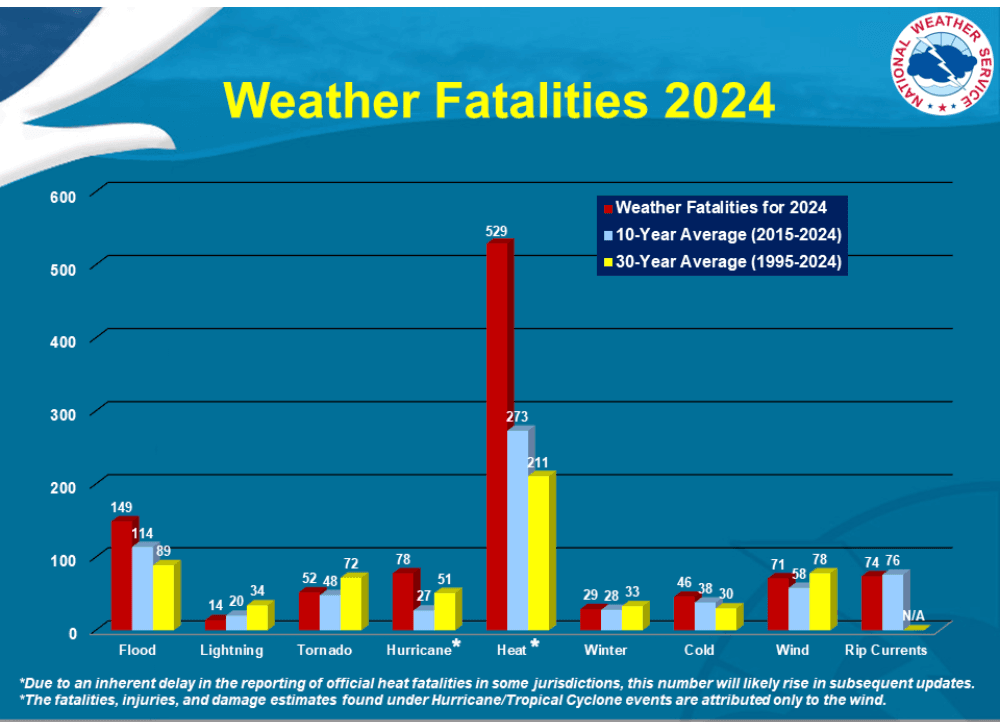
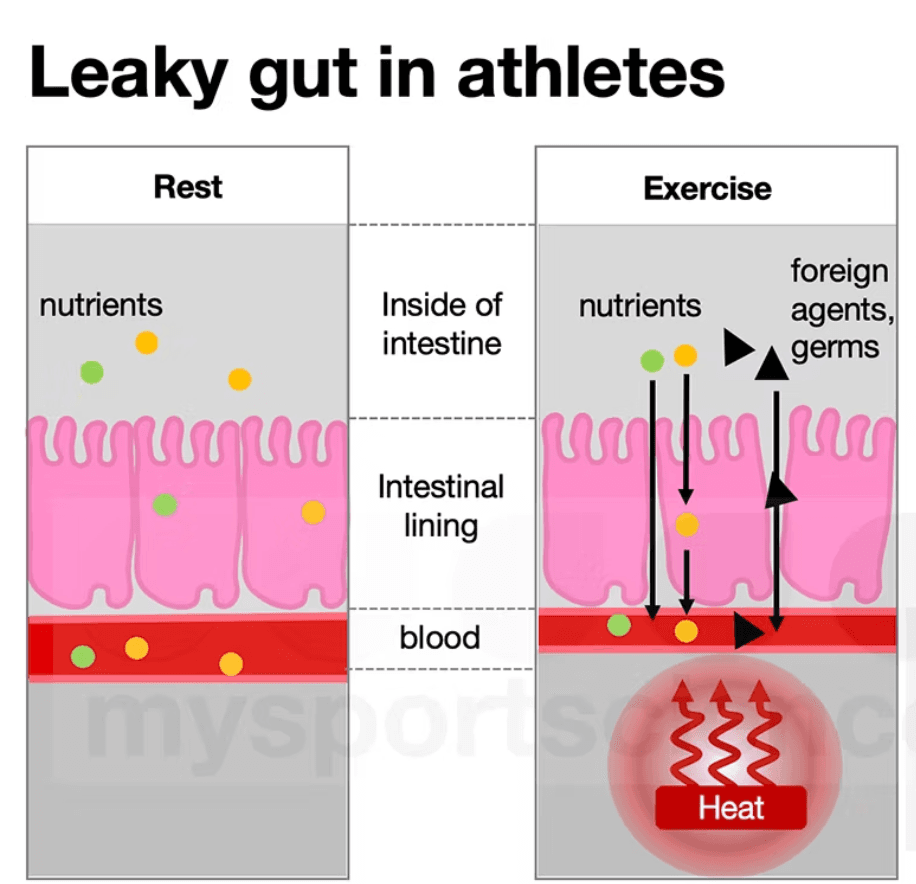
It's the top cause of US death in natural disasters, and mounting research shows that more extreme heat days are putting Americans at elevated risk of developing heatstroke and other heat-related illnesses. Young children and the elderly are particularly at risk because their bodies are not as adept at regulating heat. But exertional heatstroke from exercising in extreme heat is a leading cause of death among athletes and soldiers in training.
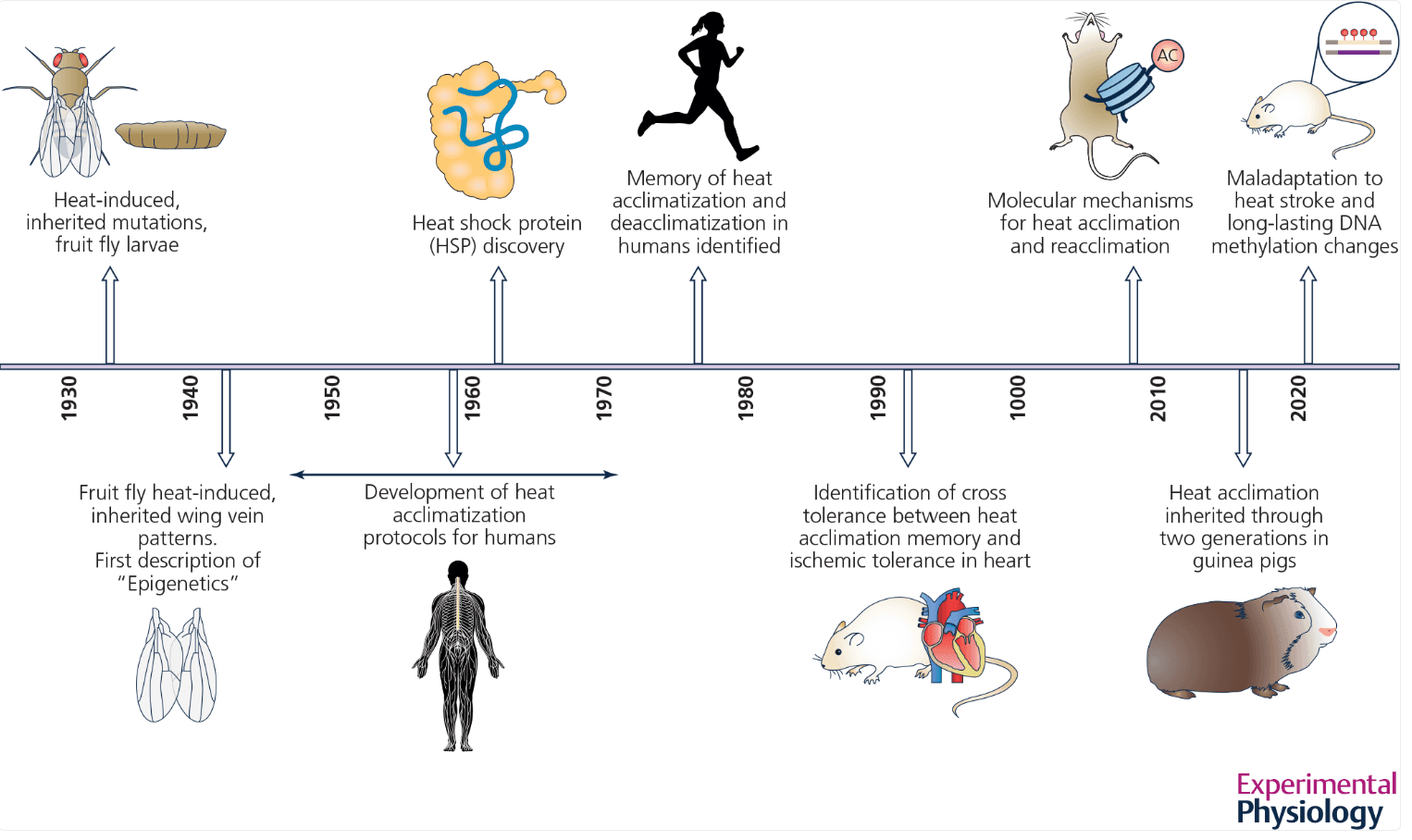
When the body can no longer cool itself, in the short term that can lead to cell degradation and an inflammatory response that damages organs, including the kidneys, liver, and brain. Recent research also furthers the idea that this condition causes longer-term epigenetic changes that predispose people to future health complications.
1440 Findings
Hours of research by our editors, distilled into minutes of clarity.







Explore Health & Medicine
Indulge your curiosity, from the inner workings of our bodies and minds to the latest in medical research and treatments, all aimed at enhancing your understanding of health, wellness, and medicine. Our resources are meticulously curated to offer precise and pertinent information to anyone interested in learning more about the medical sciences.