3D Printing

1440 Findings

Hours of research by our editors, distilled into minutes of clarity.

  • Pinned

    Artificial coral reef tiles built with 3D printing are helping restore ocean biodiversity

    In Hong Kong, nontoxic and biodegradable terracotta clay has been used to create foundational structures resembling brain coral. Natural corals have used these tiles to rebuild water ecosystems, achieving a 98% survival rate.
  • The most common type of 3D printer fabricates objects using plastic

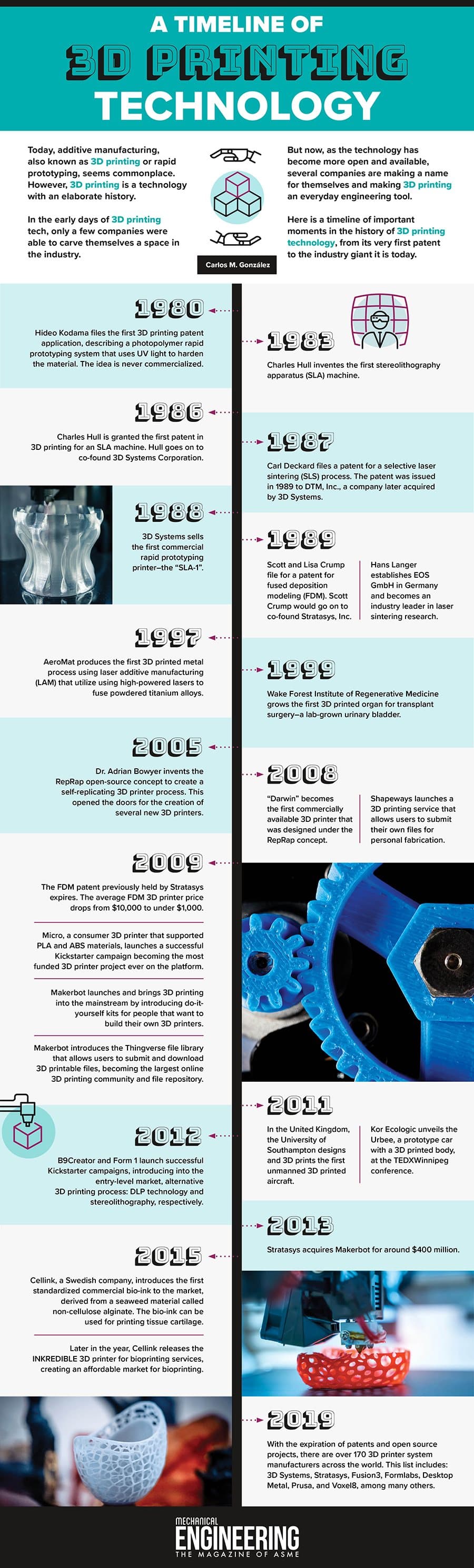
    At the consumer level, the most common printing method is fused deposition modeling, which builds objects by melting an extruding thermoplastic filament that is deposited in layers. For industrial applications, selective laser sintering, which uses a laser to fuse particles of polymer powder (e.g., nylon), is preferred.

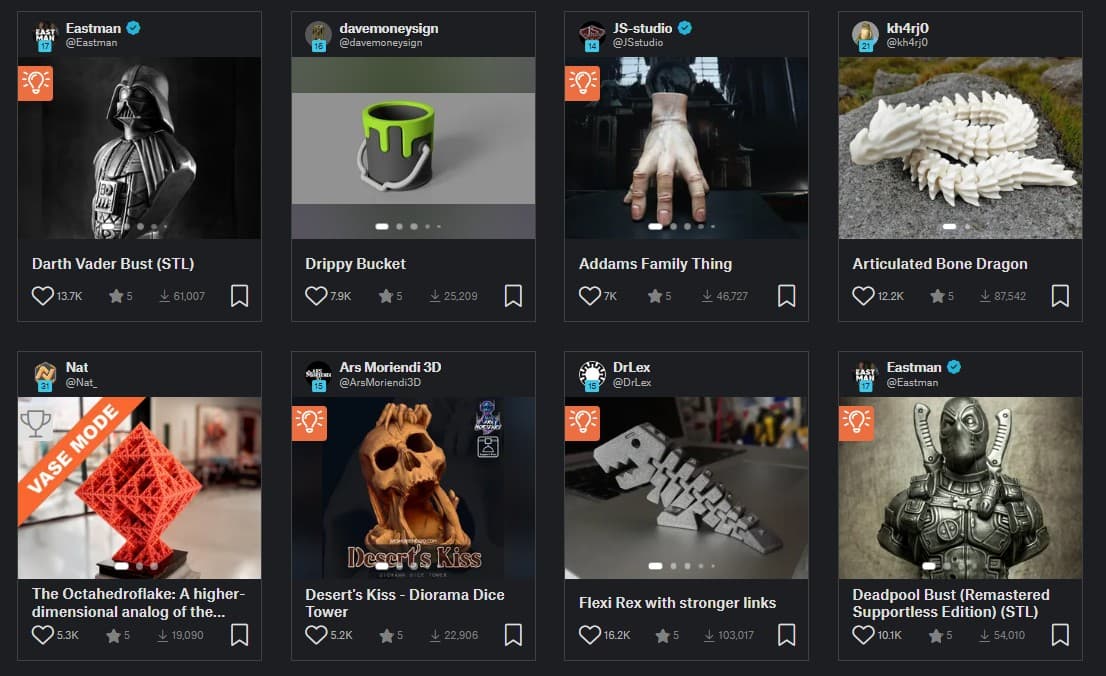
  • Explore a library of data files for 3D printing

    Data files are organized by category, including gadgets, learning, and fashion, with most available in .stl format, which is native to computer-aided design software, and presliced. Some files are also available in .3mf, an open-source file format developed as a universal standard for high-fidelity 3D printing.

  • 'Concrete toothpaste' has been used to 3D print homes

    In the greater Austin, Texas, area, a neighborhood of homes was fabricated using massive 3D printers at a rate of about one home every two weeks with just three laborers. Homes built with this material are extremely fire-resistant and may prove to be effective in hurricane-prone areas in the future.