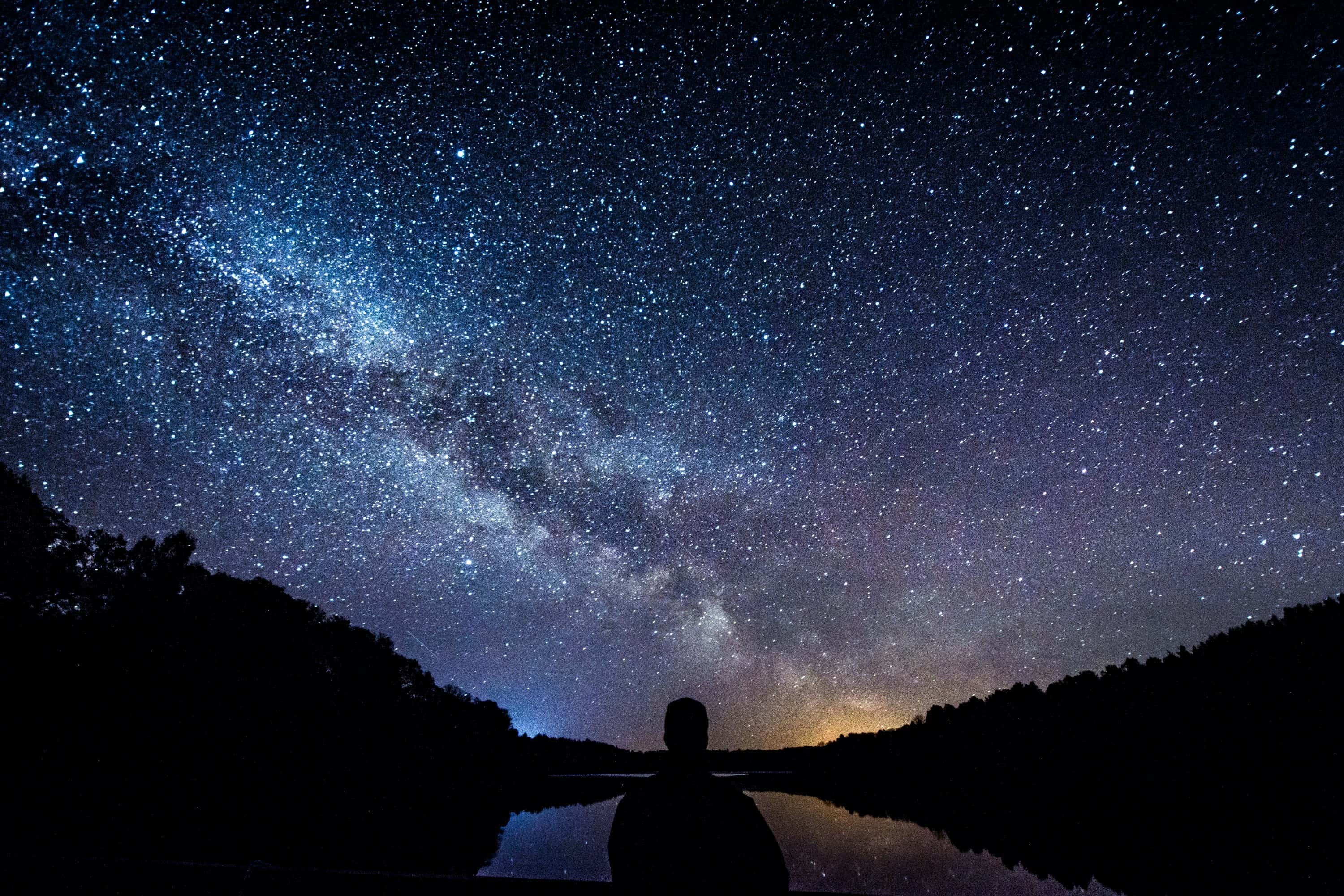
Person silhouetted against starry night sky above a calm lake surrounded by hills.

Science & Technology

Edited by Marco Daniel Machado

Dive into the dynamic world of science and technology, where curiosity has brought about extraordinary understandings of the universe and creativity has led to the breakthroughs and innovations that have transformed our world. Explore a wide range of topics, from the natural and physical sciences to cutting-edge technologies and the people who shaped them, each of which is accompanied by carefully curated resources meant to inform, engage, and inspire those eager to uncover the nature of reality.

Content on 1440 is curated and distilled by our team of human editors.
Read our use of AI for more details.


Posted by

Nuclear power relies on chain reactions involving uranium-235, but because the isotope's concentration in natural ores is too low to sustain these reactions, enrichment is needed to produce more highly concentrated fuel.

Posted by

In 2025, the European Space Agency created the first artificial solar eclipse in space when one spacecraft cast a shadow onto another spacecraft to enable observations of the sun's outermost atmosphere.

Posted by

With sufficiently sensitive hearing and powerful equipment, if a source of music traveled past someone at twice the speed of sound, they would hear the music backward.

Posted by

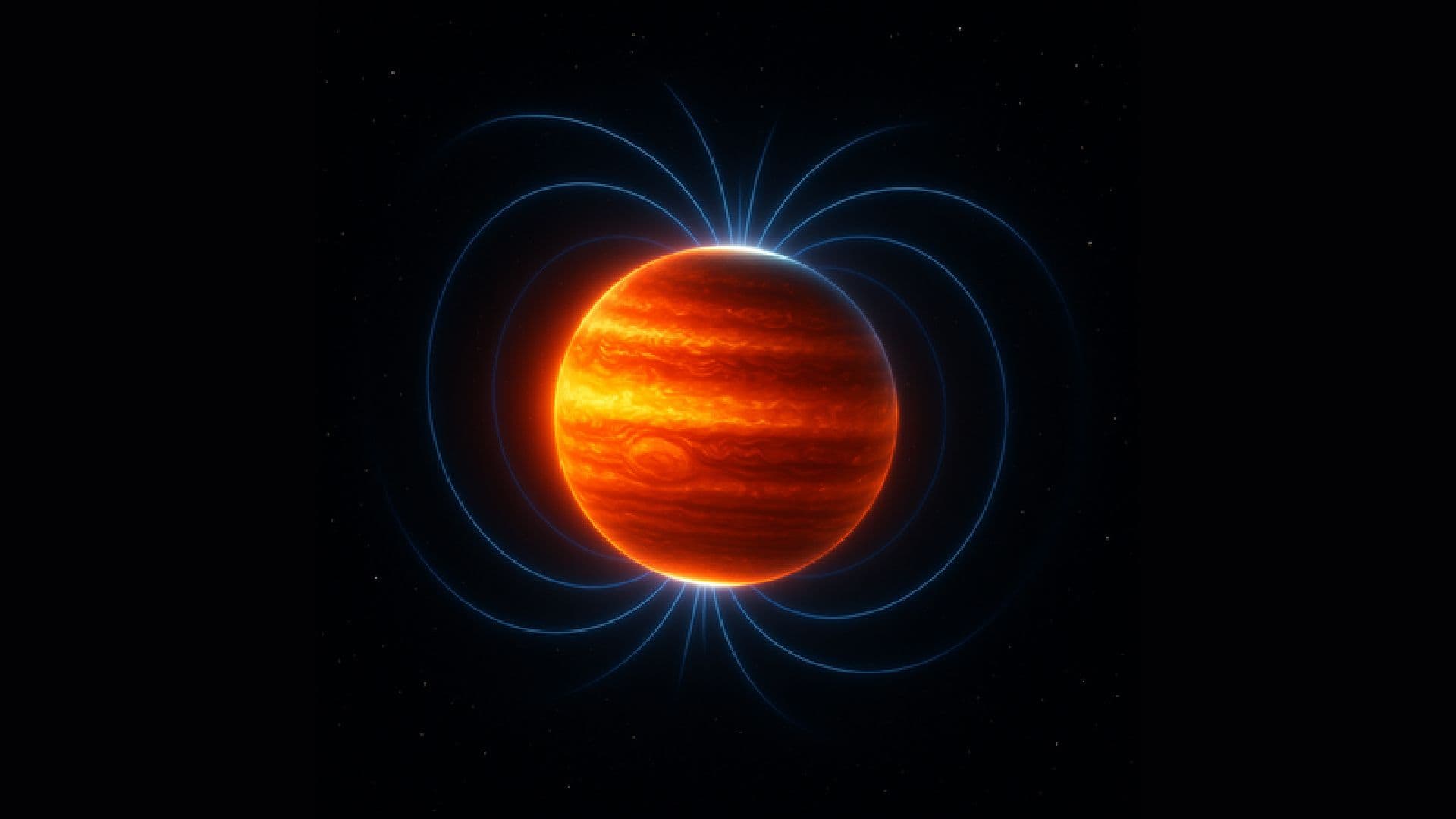
Brown dwarfs are nicknamed 'failed stars' because, while much more massive than planets, they lack sufficient mass to initiate nuclear fusion in their cores and become stars.

Posted by

Designing the pitches for the FIFA World Cup 2026 took turfgrass scientists about eight years, as they sought to create identical conditions for indoor and outdoor fields across North America at various altitudes and climates.

Posted by

The Mars Climate Orbiter—a $125M spacecraft designed to study Martian weather and climate—was lost because ground software used imperial units while onboard software used metric units.

Posted by

Certain objects are magnetic because their electrons' magnetic moment—an intrinsic quantum property—align within the object in specific patterns.

Posted by

The bullwhip was the first human-made object to break the sound barrier, producing a small sonic boom heard as a crack when flicked quickly.

Posted by

In 1900, the remains of an Antikythera mechanism—a 2,000-year-old hand-powered model of the solar system and the oldest example of an analog computer—were uncovered in a shipwreck off the coast of Greece.

Posted by

A dog's nose can be up to 100,000 times more sensitive than a human's, and each possesses a secondary organ for smelling, which helps learn about other dogs when they sniff each other's butts.

Posted by

Washing dishware before putting it in a dishwasher may reduce the appliance's effectiveness because it dynamically adjusts wash time and temperature based on a sensor that detects dirtiness.

Posted by

Watch a visualization of what it would look like to move along Earth's surface as fast as the International Space Station, or about 23 times the speed of sound.

Posted by

Quicksand—a mixture of sand with clay or silt soaked in water that gives way when enough pressure is applied—is denser than the human body, meaning you may escape it by floating horizontally.

Posted by

By separating light with tools such as prisms, scientists can reveal the presence and composition of celestial matter by identifying color fingerprints unique to specific elements and molecules.

Posted by

No map of the Earth is perfect because each introduces inaccuracies in the shape, size, or orientation of landmasses and oceans by trying to flatten the planet's curved surface.

Posted by

Earth's magnetic field can trap high-energy charged particles produced by the sun and distant cosmic events in doughnut-shaped rings called Van Allen belts.

Posted by

Since 2019, a free-floating robotic system named Astrobee has helped astronauts with routine tasks on the International Space Station.

Posted by

American oceanographic cartographer Marie Tharp's discovery of the Mid-Atlantic Ridge, which supported the idea that continents move over time, was initially dismissed as 'girl talk.'

Posted by

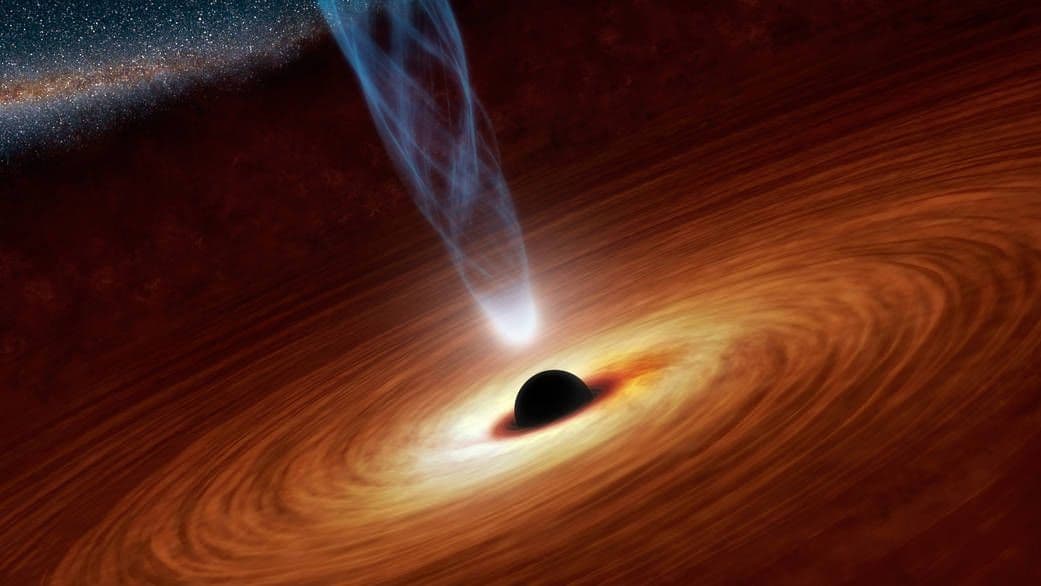
A black hole with the mass of the observable universe would be larger than the observable universe, leading some theorists to suggest that we may live inside a black hole.

Posted by

Oxygen is produced in the International Space Station from recycled water, which is split into hydrogen and oxygen gases using an electric current.

Posted by

On planets in systems with two stars, such as the fictional Tatooine from 'Star Wars,' observers would see overlapping rainbows and double rainbows.

Posted by

Nuclear fusion, where the nuclei of two atoms are combined, can produce near-limitless clean energy, but requires extreme conditions to kickstart because of the natural repulsion of atomic nuclei.

Posted by

The world's first webcam was invented in the early 1990s by scientists at Cambridge Computer Laboratory to monitor a coffee pot for researchers working in different labs on various floors.