Posted by
As of 2025, LUX-ZEPLIN is the world's most sensitive dark matter experiment, which is designed to indirectly detect a potential candidate for the invisible form of matter.
Findings
Additional insights we found via SLAC National Accelerator Laboratory
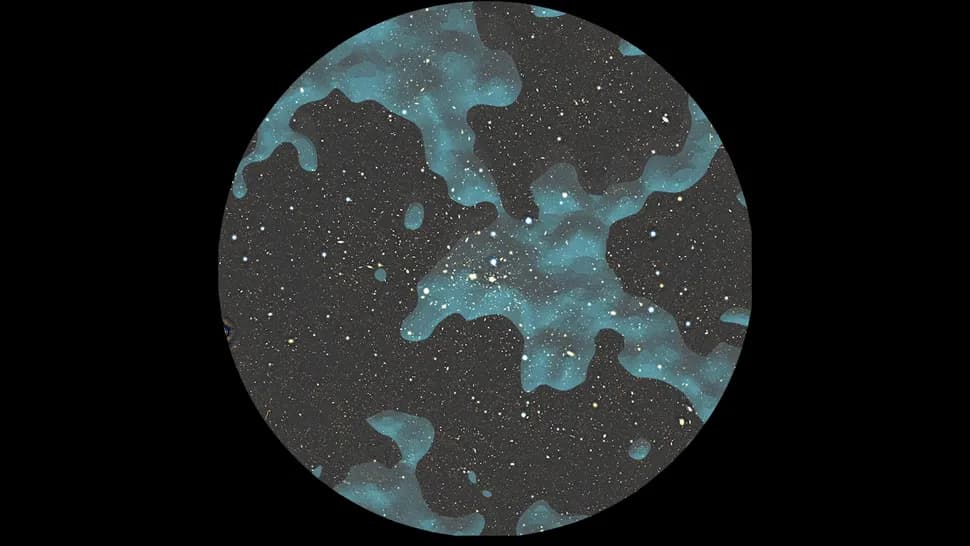
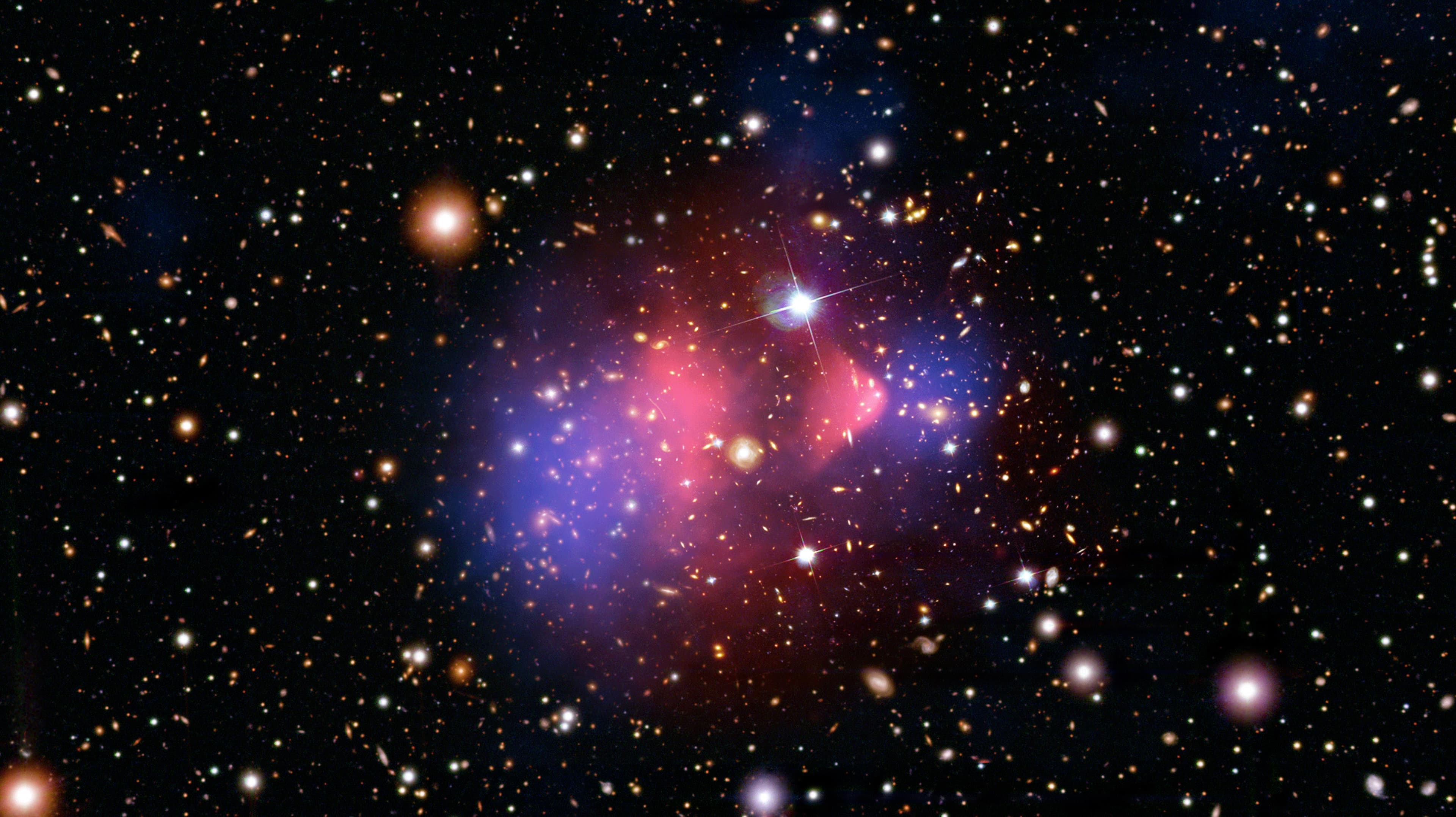
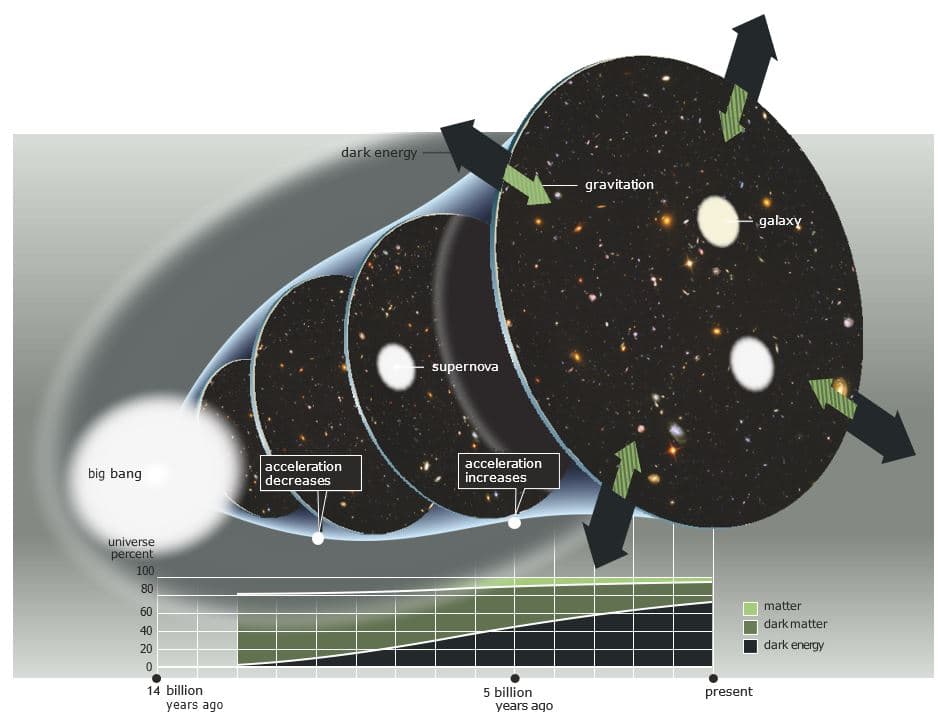
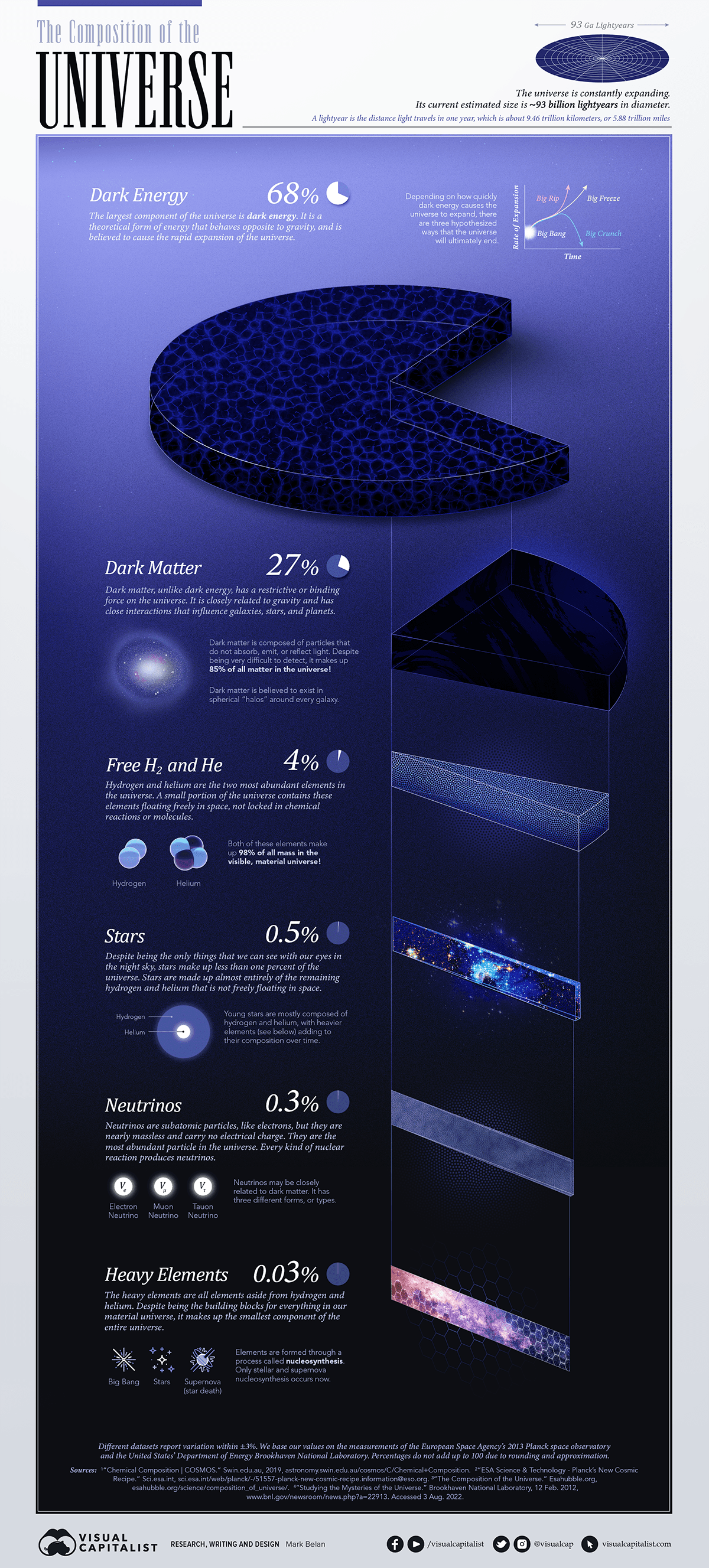
Dark matter is invisible because it does not interact with light, but observational data suggest it is more than five times as abundant as normal matter, and it is thought to play a major role in the large-scale structure of the universe through its gravitational pull.
Among the possibilities for what dark matter is are WIMPs, or weakly interacting massive particles, a class of subatomic particles that includes hypothetical particles such as neutralinos and "superpartner" versions of known particles, like the sneutrino—the supersymmetric partner of the neutrino.
The LZ experiment contains a tank of 10 tons of neutral, liquid xenon, and if a WIMP strikes a xenon nucleus in the tank, the interaction produces a detectable light signal and electrons, with the latter producing an additional light signal after striking the top of the tank, driven there by the electric field.
The LUX-ZEPLIN experiment—short for Large Underground Xenon and ZonEd Proportional scintillation in LIquid Noble gases—is located almost a mile underground in a retired South Dakota gold mine to shield the sensitive equipment from cosmic radiation, though some still makes it through.
Researchers consider only signals from the inner 80% of the xenon tank and use the outer 20% as shielding, since one of the major challenges of the LZ experiment is isolating a potential dark matter signal from those produced by interactions of particles released by radioactive elements in the surrounding environment.
To minimize unwanted signals, the xenon tank in the LZ experiment is surrounded by a layer of xenon "skin" and a layer of medical-grade titanium, which is embedded in a tank filled with a xenon-like liquid within a larger tank with 70,000 gallons of water.
Similar Posts
Here’s what we found related to above. Click through to dive even deeper.















You've reached the end.