West Nile Virus
Overview
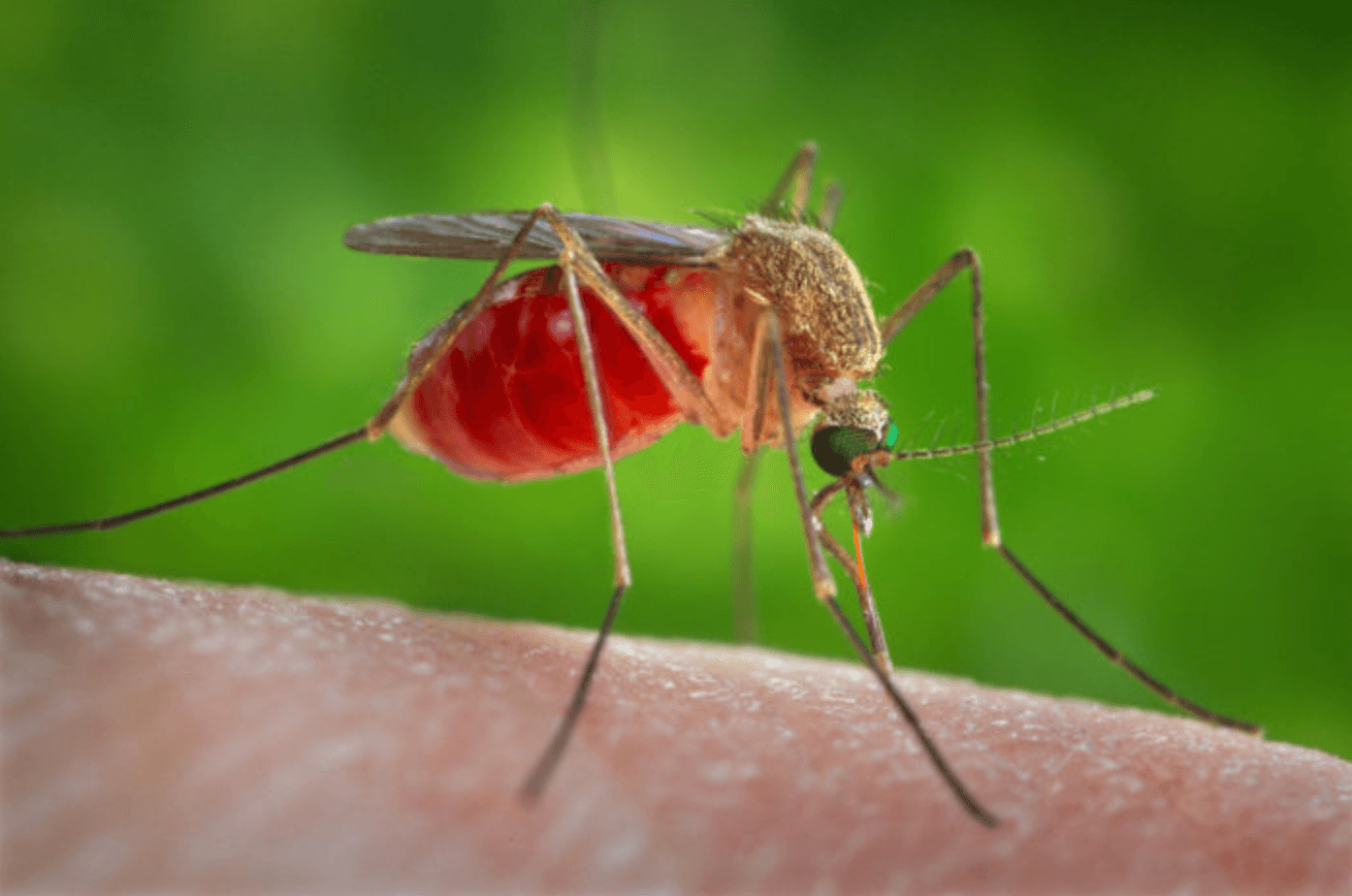
West Nile virus primarily affects birds and is spread via mosquito bites. Yet the virus can make the jump to humans when infected mosquitoes bite us. Though humans aren't typically symptomatic, roughly one in five infected people feel sick from the virus, and it rarely causes severe, life-threatening brain health complications, including encephalitis and meningitis.
The virus was first identified in the blood of an infected human in Uganda in 1937 and soon hopscotched to Europe. It wasn't detected in the US until the summer of 1999, when it caused a human outbreak and killed nearly 5,500 crows in just four months. The virus has spread widely and is found in 48 US states. Beyond humans, birds, and mosquitoes, the virus has mostly been detected in horses.
There are vaccines to protect birds and horses, but none for humans. The lack of a market for a human vaccine—since so many people are asymptomatic—is one major development hurdle. But in 2025, the US experienced a 40% spike in its West Nile human caseload, due in part to warmer temperatures and increased rainfall. More than 1,400 people had severe infection complications.
1440 Findings
Hours of research by our editors, distilled into minutes of clarity.




Explore Health & Medicine
Indulge your curiosity, from the inner workings of our bodies and minds to the latest in medical research and treatments, all aimed at enhancing your understanding of health, wellness, and medicine. Our resources are meticulously curated to offer precise and pertinent information to anyone interested in learning more about the medical sciences.