Posted by Dina Fine MaronMay 18Scientists found that if cats ate infected rodents, they could get West Nile in lab experiments.Show 2 more findings ZoomExperimental Infection of Cats and Dogs with West Nile Virus - PMCNational Library of Medicinehttps://pmc.ncbi.nlm.nih.gov/articles/PMC3322759/
Posted by Dina Fine MaronMay 18West Nile has been detected in at least 2 species of reptiles, including American alligators.Show 3 more findings ZoomAre birds the only species that is susceptible to West Nile Virus infection?USGShttps://www.usgs.gov/faqs/are-birds-only-species-susceptible-west-nile-virus-infection
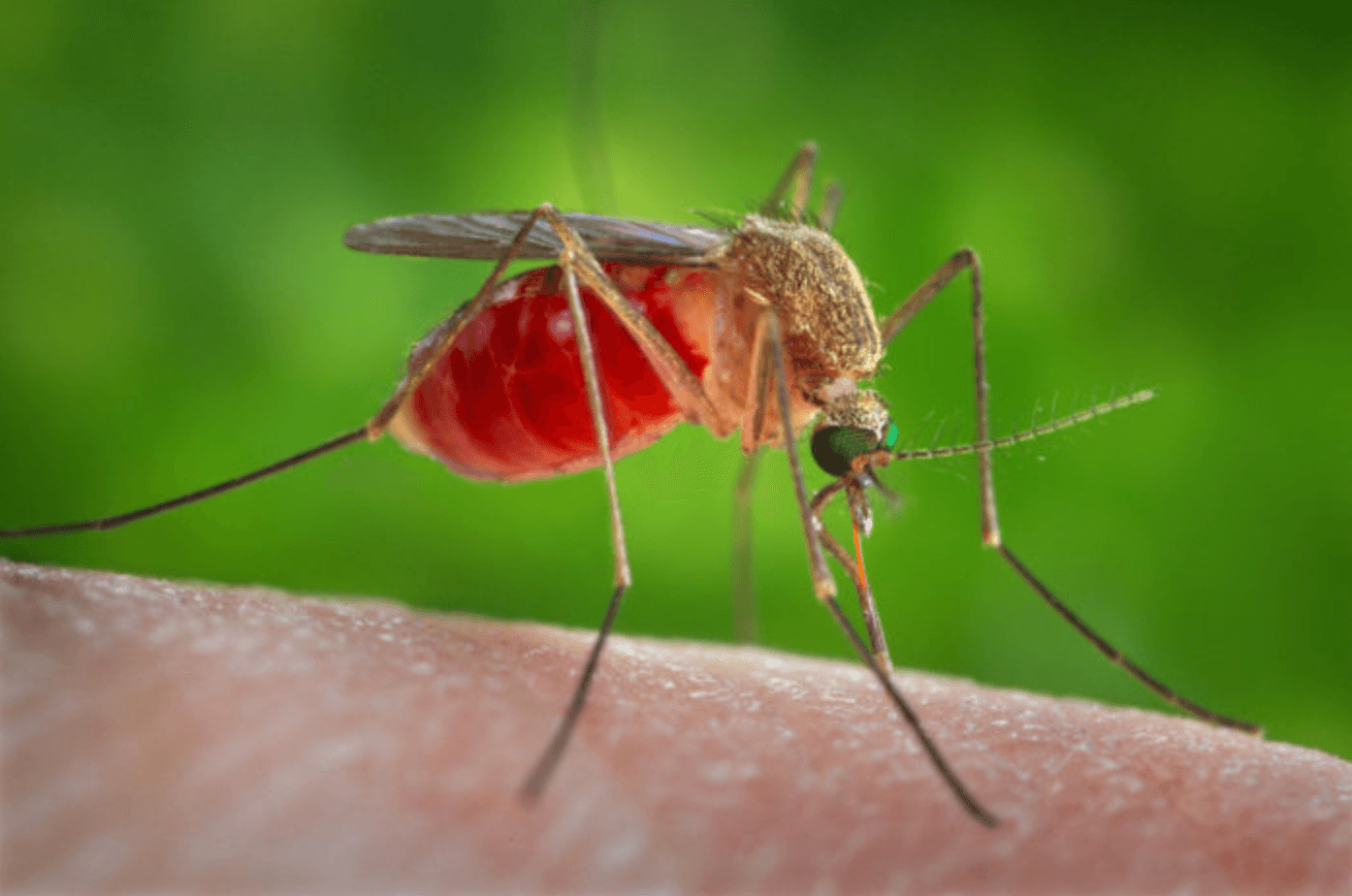
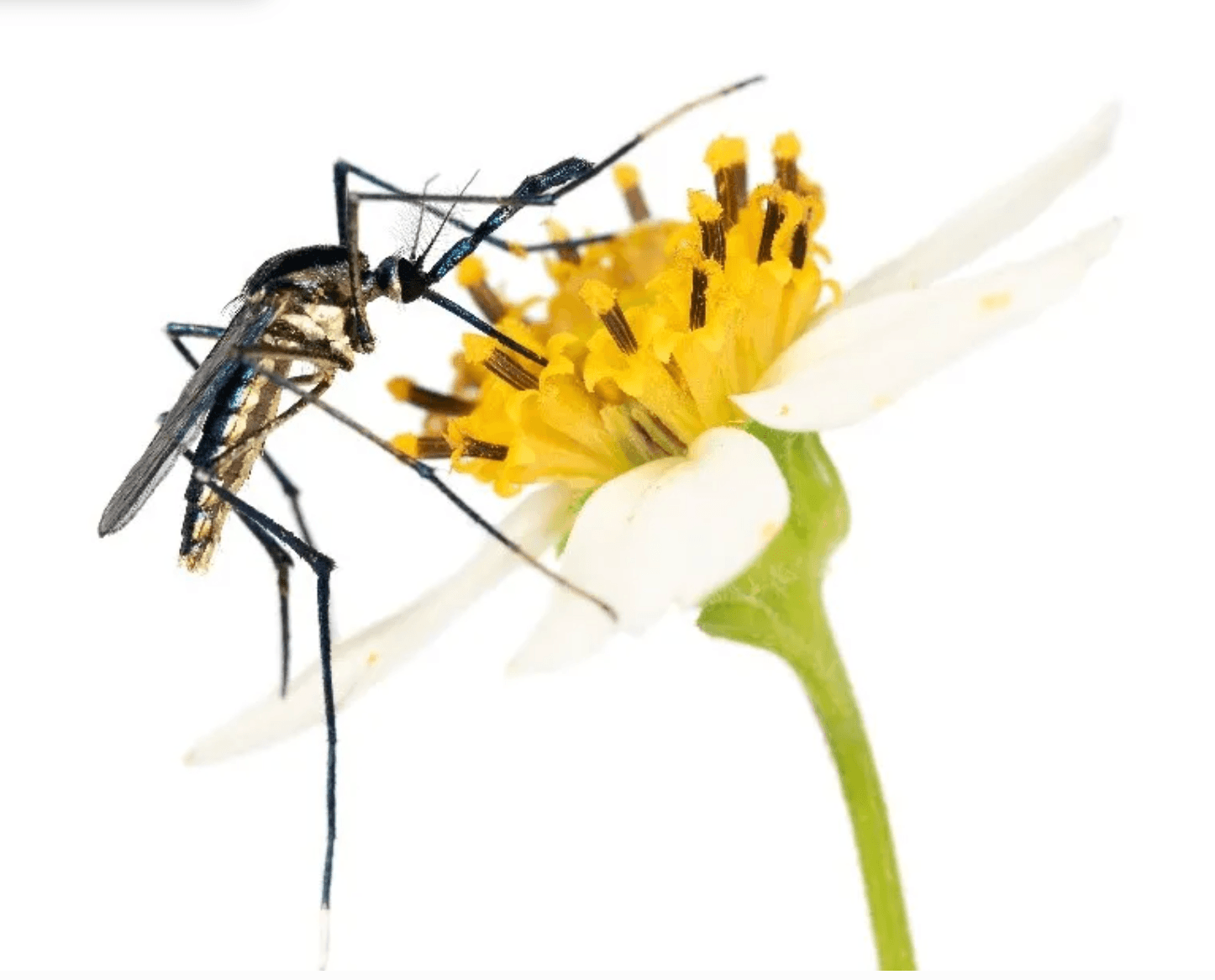
Posted by Dina Fine MaronMay 18West Nile Virus is maintained in nature, even without human infectionsMosquitoes pick up the virus when they feed on birds, and then pass it to other birds with their bite, delivering it via virus-laden saliva. Hundreds of different North American bird species can harbor the virus—even if they don't all get sick from it.Ep 84 West Nile virus: The Crow in the Coal MineThis Podcast Will Kill Youhttps://open.spotify.com/episode/1aBWjq5G9ojCI9oaLMkCsy
Posted by Dina Fine MaronMay 18Horses can—rarely—get West Nile, tooThe animals can contract the virus via infected mosquito bites, but for horses there are four vaccines available. Though West Nile's often asymptomatic or mild in horses, the disease can sometimes be deadly, killing via severe neurological inflammation. There are no reported instances of people becoming sickened by infected horses or vice-versa. ZoomWest Nile VirusUniversity of California Davis Weill School of Veterinary Medicinehttps://ceh.vetmed.ucdavis.edu/health-topics/west-nile-virus
Posted by Drew SteigerwaldApr 30How a scientist discovered West Nile is spread by birdsListen to Tracey McNamara, former chief pathologist at the Bronx Zoo, detailing her surprising late 1990s discovery that established West Nile virus is spread by birds. Financing animal disease surveillance studies, she says, saves human lives and surveillance gaps may fuel missed opportunities to identify dangerous diseases before they jump between species. ZoomHow monitoring animal health can predict human disease outbreaksTEDhttps://www.ted.com/talks/tracey_mcnamara_how_monitoring_animal_health_can_predict_human_disease_outbreaks
Posted by Dina Fine MaronMay 18Horses account for about 96% of known mammalian cases of West Nile virus infection beyond humans.Show 2 more findings 5:45Horse tests positive for West Nile virus in Yakima County | FOX 13 SeattleFox 13 Seattlehttps://www.youtube.com/watch?v=cmVZxRkw9xE
Posted by Dina Fine MaronMay 18Long-term memory issues among West Nile survivors may be from the body's immune response, not the viral infection.Show 2 more findings ZoomMemory loss caused by West Nile virus explained | WashU MedicineWashington University in St. Louishttps://medicine.washu.edu/news/memory-loss-caused-west-nile-virus-explained/
Posted by Marco Daniel MachadoMay 22, 2025West Nile virus found in the UK for the first timeThe West Nile virus, which mainly spreads between birds and mosquitoes, was detected in the UK for the first time. While no evidence exists for any human infections, climate change may be expanding mosquitoes—and the diseases they carry—farther north. ZoomWest Nile virus detected in UK mosquitoes for first timeBBChttps://www.bbc.com/news/articles/c77115e0645o
Posted by Dina Fine MaronMay 18Most cases of West Nile virus are asymptomatic in peopleAbout 1 in 5 infected people develop symptoms from West Nile, including symptoms such as fatigue, head and body aches, and vomiting. But around 1% of patients develop severe complications such as encephalitis or meningitis, which can be life-threatening. Those who are most likely to become severely ill are people over age 60.West Nile | Johns Hopkins Center for Immunization ResearchJohns Hopkins Bloomberg School of Public Healthhttps://centerforimmunizationresearch.org/our-vaccine-research/flavivirus-immunization-research-and-education/west-nile
Posted by Dina Fine MaronMay 18There's no cure for West Nile virus—and infection can leave patients with permanent symptoms.Show 2 more findings 4:11West Nile Virus is here. Fight the bite.ABC10https://www.youtube.com/watch?v=4u32tDGbiTM
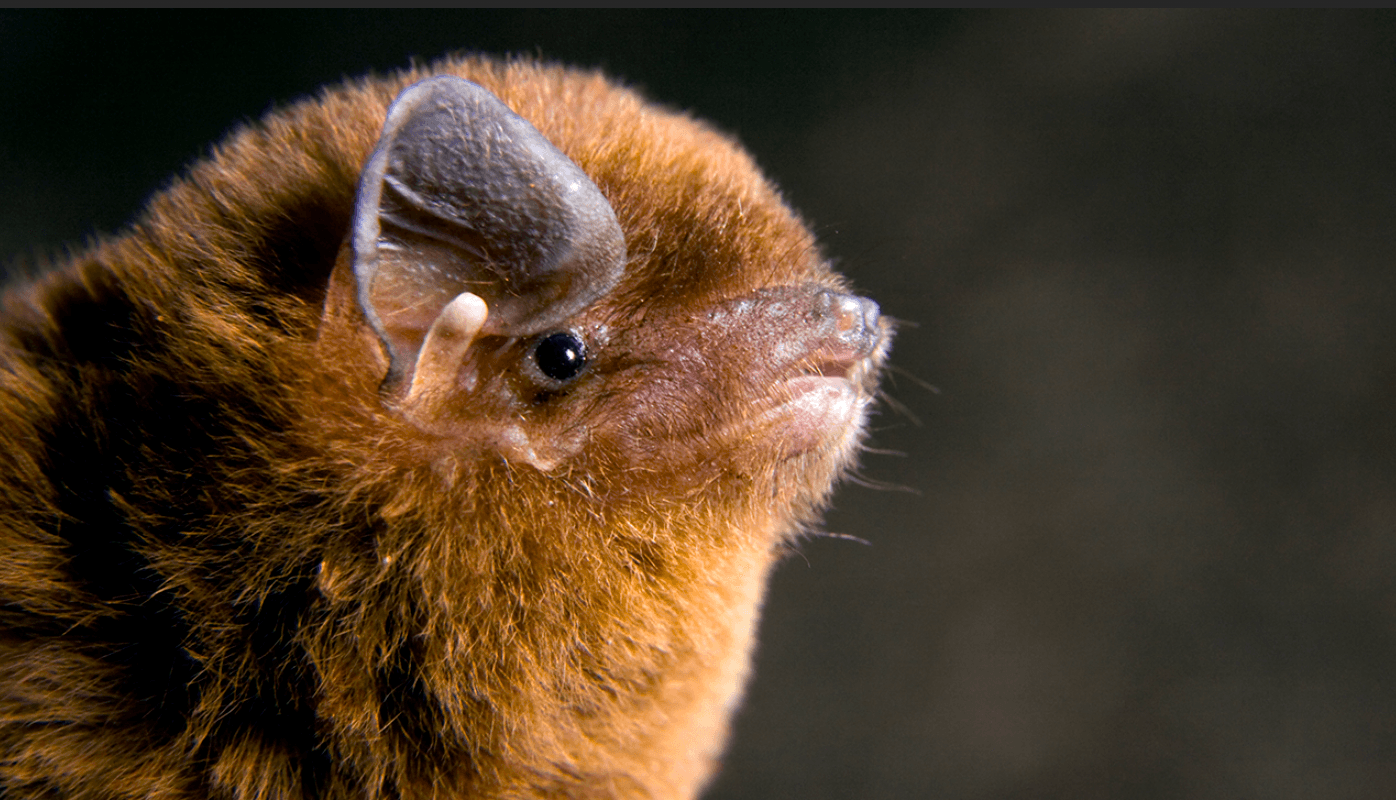
Posted by Dina Fine MaronMay 20Using mosquitoes to vaccinate bats could curb the spread of deadly diseases.Show 2 more findingsEcological vaccination: A strategy to prevent zoonotic spillover from batsLimited AccessSciencehttps://www.science.org/doi/10.1126/sciadv.aec0269
Posted by Dina Fine MaronMay 18West Nile virus was detected in UK mosquitoes for the first time in 2023Fragments of the virus were detected in mosquitoes that were being collected in Britain for the first time in 2023, but the UK government considers the overall risk to people to be low. As of spring 2026, there have never been detected locally-acquired cases of the disease. ZoomFirst detection of West Nile virus in UK mosquitoesUK governmenthttps://www.gov.uk/government/news/first-detection-of-west-nile-virus-in-uk-mosquitoes
Posted by Dina Fine MaronMay 18Robins are a major host for West Nile in North America, even though other species more readily spread the disease.Show 2 more findings ZoomFrom Birds to People: The West Nile Virus StoryHHMI BioInteractivehttps://www.biointeractive.org/classroom-resources/birds-people-west-nile-virus-story
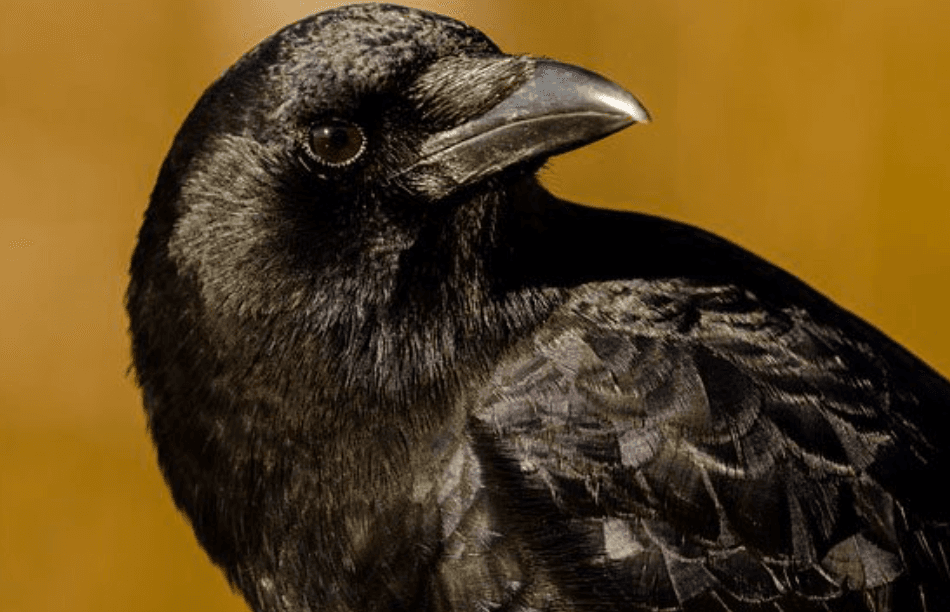
Posted by Dina Fine MaronMay 18Nearly 5,500 crows died during four months in 1999 from West Nile in NYC.Show 2 more findings ZoomCounting Crows: The Impact of the West Nile VirusCornell Lab of Ornithologyhttps://www.allaboutbirds.org/news/counting-crows-the-impact-of-the-west-nile-virus/
Posted by Dina Fine MaronMay 18West Nile is named after the district in Uganda where it was first isolated from a patientIn 1937, scientists isolated the virus from a woman in the West Nile District of Uganda. It's since been detected in much of Africa, Eastern Europe, West Asia, the Middle East, and was first detected in US patients during an outbreak in 1999.Birds, Migration and Emerging Zoonoses: West Nile Virus, Lyme Disease, Influenza A and Enteropathogens - PMCNational Library of Medicinehttps://pmc.ncbi.nlm.nih.gov/articles/PMC1069015/
Posted by Dina Fine MaronMay 18Horses have four licensed West Nile vaccines—but humans have noneA major hurdle for West Nile vaccine development is the lack of a market for it since so many people are symptomatic for the infections. Still, a growing number of infections, including a 40% spike in 2025, may change that calculation. ZoomSummary of human West Nile virus vaccine meeting, 2024: Investigating barriers to developmentVaccinehttps://www.sciencedirect.com/science/article/abs/pii/S0264410X25012356
Posted by Dina Fine MaronMay 18West Nile was reported in 47 states in 2025, with more than 1,400 people severely affectedTracking numbers from the CDC indicate that the virus spread widely that year, with more than 2,000 reported human cases and many states seeing more than 25 sickened people. More than 1,400 people had neuroinvasive cases of the disease—meaning the virus had entered the nervous system, which can cause severe, potentially life-threatening illness. ZoomCurrent Year Data (2025)US Centers for Disease Control and Preventionhttps://www.cdc.gov/west-nile-virus/data-maps/current-year-data.html
Posted by Drew SteigerwaldAug 1, 2024Bats have evolved to carry viruses without getting sickBats—the likely animal reservoir for diseases including Ebola and coronavirus—tolerate viruses without getting sick. The secret lies in evolutionary adaptations allowing bats to become the world’s only flying mammal and to thrive under immense physiological stressors. 7:49How bats carry deadly diseases without dyingVoxhttps://www.youtube.com/watch?v=Xkuh6JqDiQc
Posted by Dina Fine MaronMay 18US West Nile case numbers were up 40% in 2025 across the United States though theories vary to explain this surge.Show 2 more findings 1:45Health officials warn of rising West Nile virus casesNBC Newshttps://www.youtube.com/watch?v=Bd8kVjeLaCc
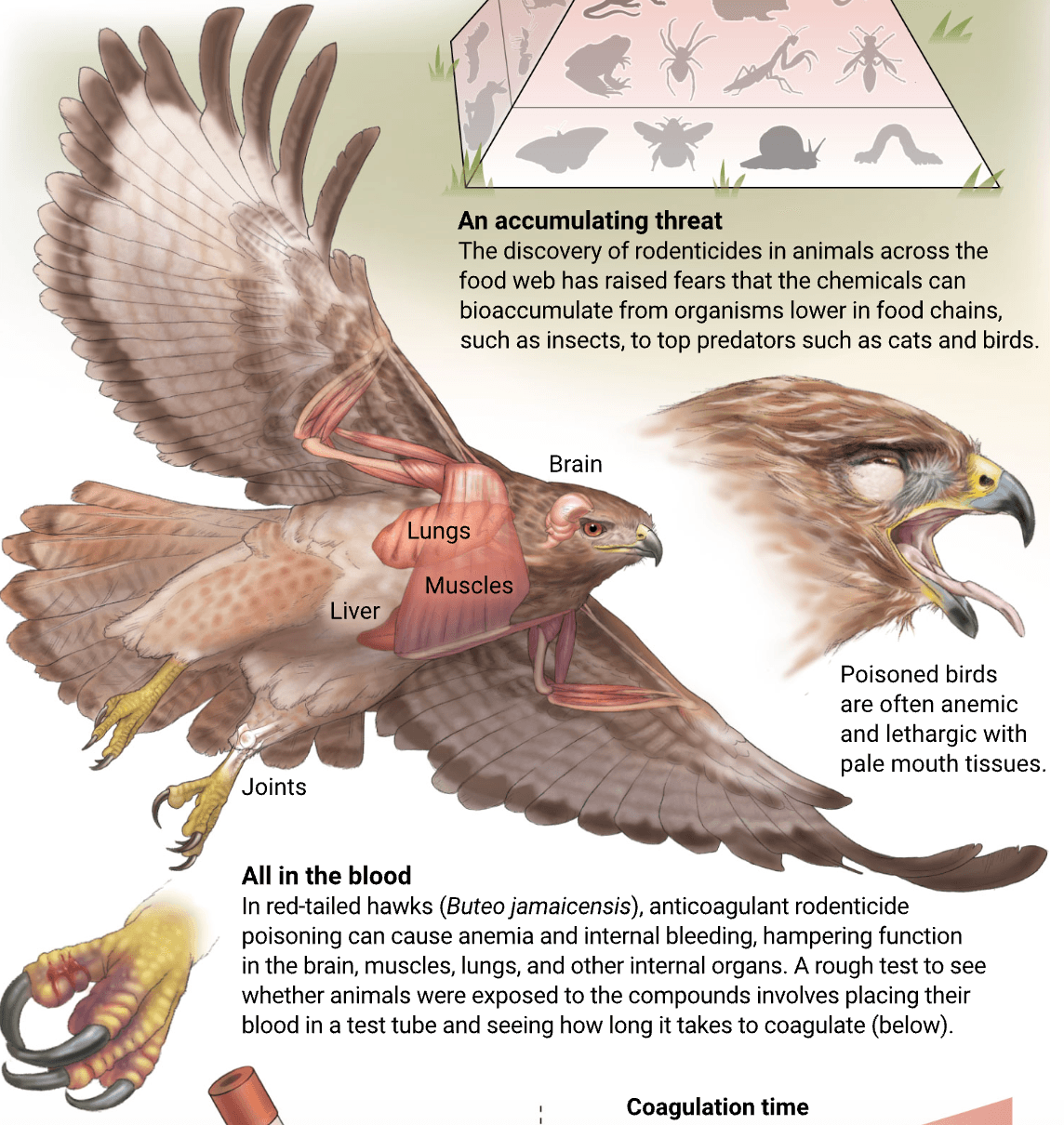
Posted by Dina Fine MaronJun 25Supertoxic rat poisons are wreaking havoc on unintended targets, including predator birds, mammals, amphibians, crustaceans, and insects. Show 3 more findings Zoom‘It’s really scary’: How rat poisons are wreaking havoc on raptors and other wildlifeSciencehttps://www.science.org/content/article/really-scary-rat-poisons-wreaking-havoc-raptors-wildlife
Posted by Dina Fine MaronMay 20Mosquito-borne illnesses have killed two captive orcas at SeaWorld since they became water park attractions. Show 3 more findings ZoomStudy highlights risk of mosquito borne illnesses to captive orcaPhys.orghttps://phys.org/news/2013-05-highlights-mosquito-borne-illnesses-captive.html
Posted by Teddy BurkhardtAug 10In 1933, the influenza virus was first identified through 'ferret flu' experiments, which proved that the disease was viral—not bacterial.Show 4 more findings Zoom80 years ago today: MRC researchers discover viral cause of flu | Michael BresalierThe Guardianhttps://www.theguardian.com/science/the-h-word/2013/jul/08/influenza-virus-discovery-mrc-nimr
Posted by Dina Fine MaronJun 29Powassan virus, a rare tick-borne disease named after the Canadian town where it was discovered in 1958, is on the rise in the northeastern United States, and it kills roughly 10% to 15% of patients with symptomatic disease.Show 3 more findings ZoomA tick virus now surging in New England can be traced back to an Ontario 4-year-old's death in 1958Yahoo Newshttps://www.yahoo.com/news/science/articles/tick-virus-now-surging-england-041900533.html?guccounter=1&guce_referrer=aHR0cHM6Ly93d3cuZ29vZ2xlLmNvbS8&guce_referrer_sig=AQAAAN4Gf8bXwGDV1u-BhX5Ql-A6yLuju1ej5z3rB6HX-YwvZFXvnM_kiBbvAnI8rTE1hkJvTMX2T0cO2GJxZlJ1s3Z1CMvpSwByxdUNd5vxigEUl0ggL87kvIkdorzvgtdj0eKGqoBO5j6fwr8ImZURVCIFeE4er4Mp45ZsEMPG9V8I
Posted by Dina Fine MaronAug 16, 2025Birds, rodents, monkeys, lizards, bats, apes, and livestock can all get malaria—just like humans. Show 1 more finding ZoomDo any animals get malaria? | Discover WildlifeDiscover Wildlifehttps://www.discoverwildlife.com/animal-facts/do-any-animals-get-malaria
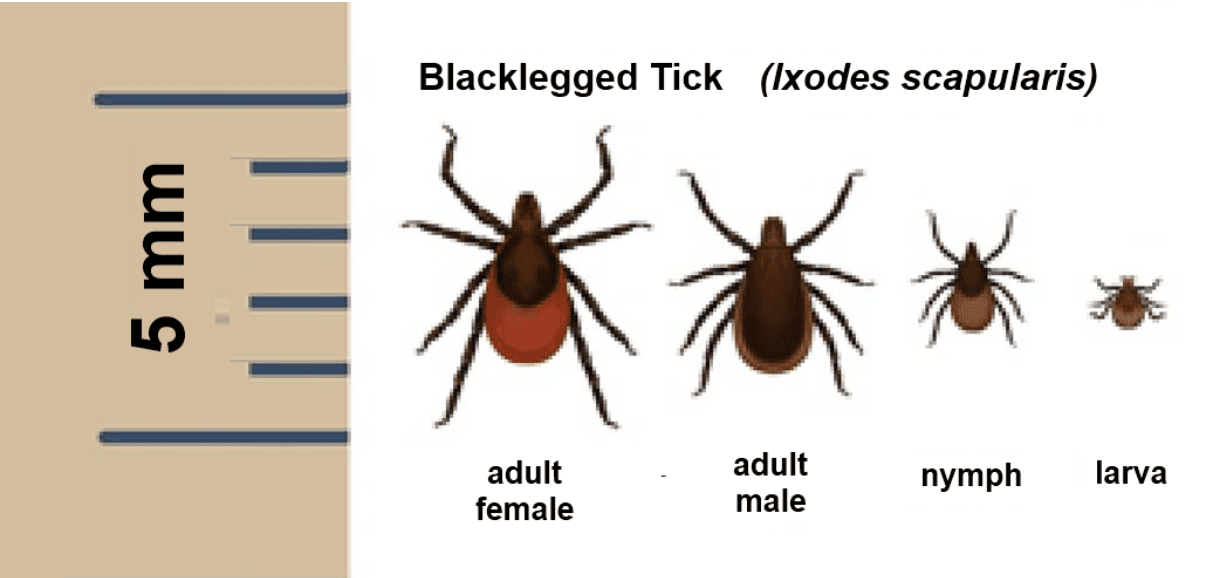
Posted by Dina Fine MaronMar 16Deer don't get infected with Lyme disease—but ticks do feed on themAdult ticks feed on white-tailed deer and also lay eggs on the animals, but the deer don't get sick with Lyme disease. Research published in 2023 offered new insights into why deer don't get sick from Lyme disease: It appears that the quadruped may have specific not-yet-identified immune system proteins in their blood serum that kill the bacterium.CBChttps://www.cbc.ca/player/play/audio/1.6841971
Posted by Dina Fine MaronMar 13More than 20 mosquito-borne and tick-borne diseases are found in the USChildren, older adults, and people with compromised immune systems are at particular risk of poorer health outcomes from these diseases. But dog owners and outdoor enthusiasts are among those at particular risk of contracting these illnesses, which include Lyme disease, Zika, and the condition Alpha-gal Syndrome.US Centers for Disease Control and Preventionhttps://www.cdc.gov/vector-borne-diseases/risk-factors/index.html
Posted by Drew SteigerwaldSep 6, 2024Zoonotic diseases: Pathogens that jump from animals to humansSuch diseases may be caused by a variety of pathogens—viruses, bacteria, fungi, or parasites—and can originate in creatures ranging from ticks and mosquitoes to pigs and bats. Because they develop in animals and are often new to human immune systems, zoonotic diseases have severe consequences for public health. 4:34The Growing Risk of Zoonotic Diseases1440 Originalshttps://www.youtube.com/watch?v=fvRYfGTCCNM
Posted by Dina Fine MaronMay 29Watch how viruses like Ebola can spill over from animals to humans—and vice-versa.Show 3 more findings ZoomSpillover - Zika, Ebola & Beyond | Episode 1PBShttps://www.pbs.org/video/spillover-zika-ebola-beyond-spillover-zika-ebola-beyond/
Posted by Dina Fine MaronJun 1, 2023Rabies is nearly 100% fatal once symptoms appearRabies, a viral disease attacking the central nervous system, is nearly always fatal once symptoms appear. It spreads through the infected animal saliva (typically through bites) and causes encephalitis, leading to severe neurological symptoms and death. See how the lyssavirus—the bugs behind rabies—work once inside the body. 9:00The Deadliest Virus on EarthKurzgesagt – In a Nutshellhttps://www.youtube.com/watch?v=4u5I8GYB79Y
Posted by Teddy BurkhardtMar 13, 2025Rabies kills more than 50,000 worldwide each yearRabies transmission to humans typically comes from an infected animal, and death was very common before recent protocols were developed (post-exposure prophylaxis). The virus is neurotropic, which means it has an affinity for nerve tissue, and moves quickly from broadly infecting the body to destroying the brain. 5:00What Happens When a Human Gets Rabies?https://www.youtube.com/watch?v=0PHoioJ2ViY
Posted by Dina Fine MaronMay 20Read the 2012 study about captive orcas and the threat of mosquito-borne illnessWritten by orca trainers who went on to become scientists, it states mosquitoes bite orcas at night when the animals hang out close to the surface. What's more, antibiotics used to keep captive orcas healthy also may depress their immune response, boosting the risks of them being unable to fight off diseases like West Nile Virus and encephalitis, which have killed orcas at US water parks.Journal of Marine Animals and Their Ecologyhttps://endcap.eu/wp-content/uploads/2015/06/Jett-Ventre-2012-Orca-captivity-vulnerability-to-mosquito-transmitted-viruses.pdf
Posted by Dina Fine MaronAug 19Scientists are using CRISPR to genetically modify felines so they don't trigger allergies in humans.Show 3 more findings 0:59Hypoallergenic Cats with CRISPRMuseum of Sciencehttps://www.youtube.com/watch?v=keqOAJ0dIHw
Posted by Dina Fine MaronMay 18Hear from a NYC public health official who led the first US investigation into West Nile about the challenges investigators faced and their working theories about that outbreak.Show 2 more findingsWest Nile Virus Comes to America...and Stays!Inspired to Healhttps://open.spotify.com/episode/0UP7BRGRMO3t63sf23sWRK
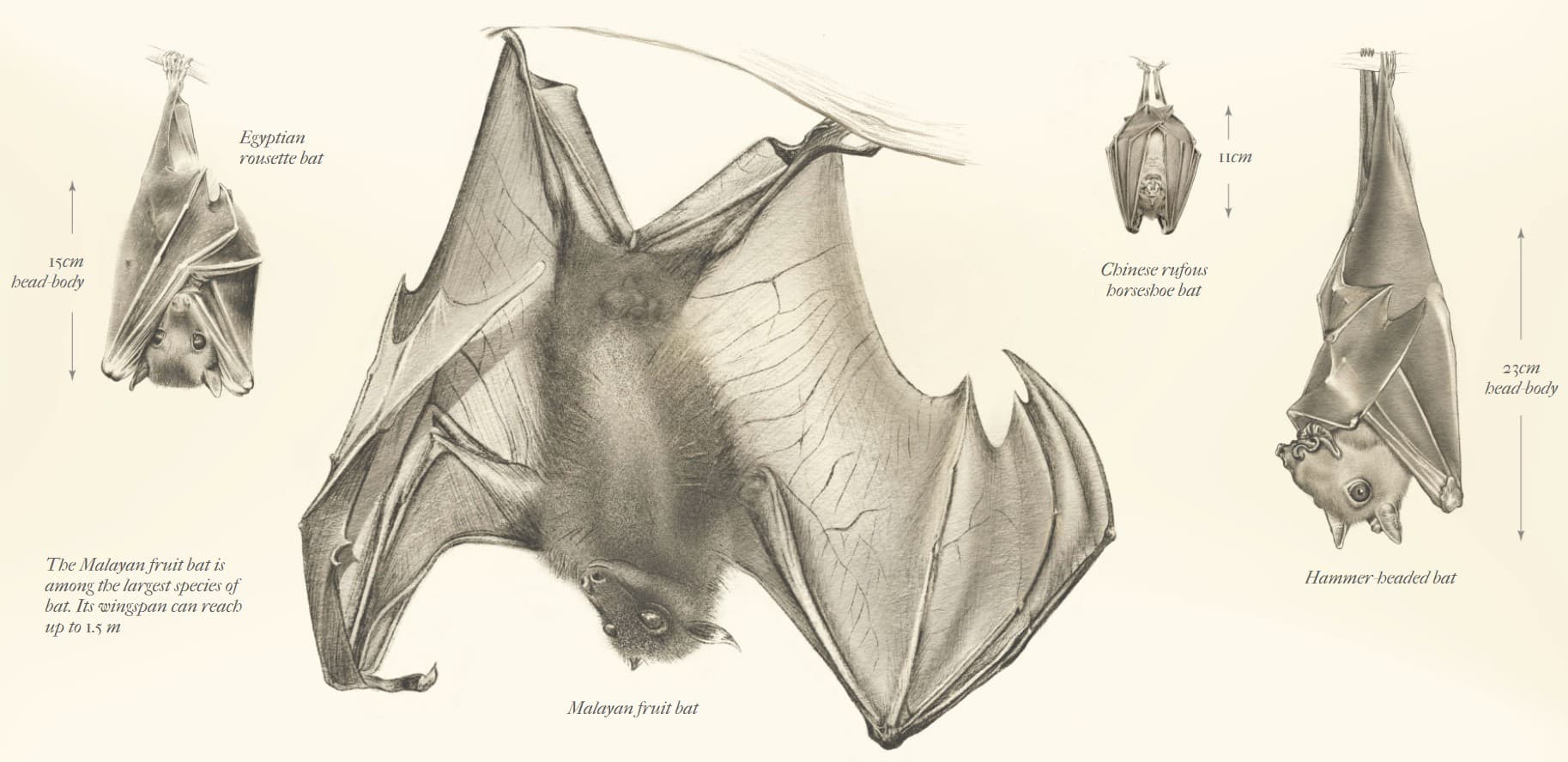
Posted by Dina Fine MaronMar 9Bats are uniquely suited to act as reservoirs of viruses.Some of the deadliest diseases to jump from animals to humans originate in bat species. This rich visualization explores the diversity of bats and the factors that make them efficient vectors for harboring and transmitting disease, from their long lifespans to their migration patterns. ZoomBats and the origin of outbreaksReutershttps://graphics.reuters.com/HEALTH-CORONAVIRUS/BATS/qzjpqglbxpx/
Posted by Dina Fine MaronJul 13Explore this interactive visualization of illnesses known to jump from animals to people, and learn how these zoonotic diseases spread.Show 3 more findings ZoomZoonotic WebComplexity Science Hubhttps://vis.csh.ac.at/zoonotic-web/
Posted by Drew SteigerwaldAug 1, 2024Increasing contact between humans and wild animals is driving zoonotic threatsZoonotic diseases, which spread from animals to humans, present one of the most significant emerging threats worldwide. Scientists have identified around 200 viruses capable of infecting humans, and unfortunately, the number of such diseases are on the rise—at least 60% of all emerging infectious diseases are zoonotic in origin. 2:28Zoonotic diseases, like monkeypox and COVID-19, are on the rise | JUST THE FAQSUSA TODAYhttps://www.youtube.com/watch?v=Ss5y_ii796o
Posted by Dina Fine MaronMar 16Genetic engineering mice is one idea to reduce Lyme disease transmissionWild white-footed mice are the main carriers of Lyme. A research team is hoping to genetically engineer mice, using CRISPR, to make the animals immune to Lyme. They're proposing a field trial where they would insert a gene with an antibody to Lyme infection to break the disease transmission cycle on a private island and then try it in Nantucket if that goes well. Simply killing the mice isn't an option because it would upend food webs. Unlike traditional vaccines, this "heritable immunization" would pass from one generation of mice to the next. 13:2260 Minuteshttps://www.youtube.com/watch?v=Dc3GOEIpJY4
Posted by Dina Fine MaronMar 13See this diverse list of vector-borne diseasesHuman illnesses caused by parasites, viruses, and bacteria, and transmitted by a living organism—often small, bloodsucking ones like mosquitoes, ticks, and sandflies—are known as vector-borne diseases. That carrier is called a vector. These diseases disproportionately affect the poorest populations in tropical and subtropical areas.World Health Organizationhttps://www.who.int/news-room/fact-sheets/detail/vector-borne-diseases
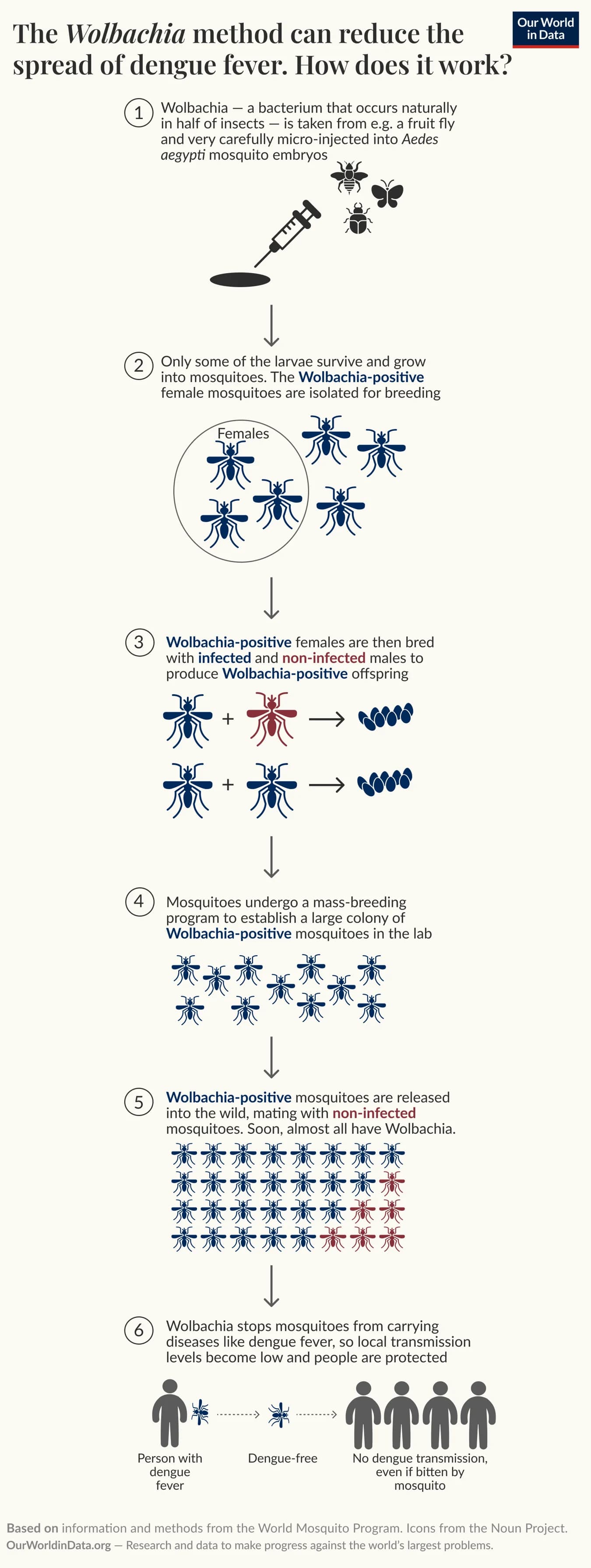
Posted by Teddy BurkhardtMay 15Explore inside a mosquito factory where millions of mosquitoes are bred weeklyIn Medellin, Colombia, scientists are infecting Aedes aegypti mosquitoes with Wolbachia, a bacterium that wouldn't otherwise infect the species, but does block its ability to transmit dengue, Zika, yellow fever, and chikungunya. In the wild, infected mosquitoes would breed with wild mosquitoes, pass down Wolbachia, and thus reduce disease transmission. 13:22I Visited a Mosquito FactoryPBS Terrahttps://www.youtube.com/watch?v=AI3HE7BcIBk
Posted by Dina Fine MaronFeb 16Humans are the only known reservoir of poliovirusThe virus has not been found in any other species, which makes humans the only known reservoir for polio. In laboratory settings, nonhuman primates have also been infected with the virus, but there's no evidence that they contract the virus in nature.https://wwwnc.cdc.gov/eid/article/4/2/98-0202_article