Nutrition

Overview

Nutrition is the science that explores the relationship between the nutrients in the foods we consume and the role they play in our bodies. It has the power to influence most aspects of our health and wellbeing, from energy levels and immune function to longevity and disease prevention.

1440 Findings

Hours of research by our editors, distilled into minutes of clarity.

  • Should you eat an all-meat diet?

    The carnivore diet is reportedly a way of eating inherited from human ancestors, a tale that has roots in anthropology's early days. This article explores the all-meat diet's ancestral claims and what happens if you cut vegetables and fruits from...
  • What do vitamins actually do?

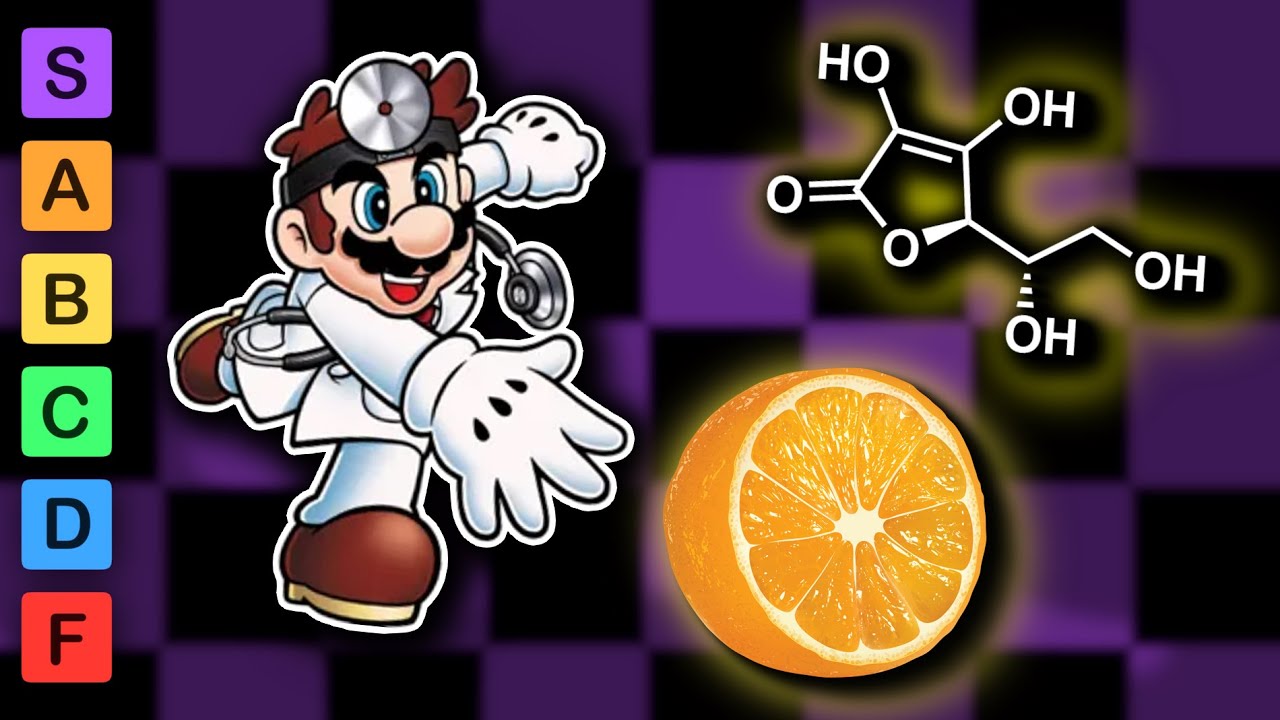
    Vitamins are molecular tools the body needs to carry out regular cellular processes, such as wound healing. This 45-minute video dives into the science behind vitamins and their role in the body. There are 13 essential vitamins that must be...

    Video

    What do vitamins actually do?

  • Human ancestors ate a paleo diet (and it had carbs)

    During the Paleolithic era, which lasted from about 2.5 million to 10,000 years ago, ancient humans and their relatives were hunters and gatherers. Some have taken this to mean that these people must've survived off a diet heavy in meat and low in carbs. This article details how research on modern hunter-gatherer populations shows that's not true. Historically, hunter-gatherers ate what was around, meaning their diets varied by region and season and often featured carbohydrates like honey and root vegetables. This approach holds true for similar communities today.

  • The stages of fasting

    What happens to the body when it goes without caloric intake? This article overviews the immediate physical effects of fasting. Within a day of going without food, the body will have used up its glucose stores and ordered the liver and muscles to convert their glycogen (glucose storage) into usable glucose. By the second day, glycogen stores will run out, forcing the body to use fat as energy. This process is known as ketosis.

  • Why processed foods can be so addictive

    In recent years, many critics have voiced their concerns about the food industry and how ultra-processed foods affect our health. Despite our awareness of these issues, processed foods are still incredibly hard to remove from our diet. In this podcast by The Guardian, Dr. Chris van Tulleken explains how “junk food” is created to get us hooked, how it negatively affects us, and what we can do to improve our eating habits.

Next page

Explore Health & Medicine

Discover a broad spectrum of topics, from fundamental anatomy to the latest in medical research and treatments, all aimed at enhancing your understanding of health, wellness, and our bodies. Our resources are meticulously curated to offer precise and pertinent information to students, professionals, and anyone interested in learning more about the medical sciences. Dive in to stay informed, make well-informed health decisions, and explore the intriguing world of medicine.

View All Health & Medicine