Mosquitoes
Overview
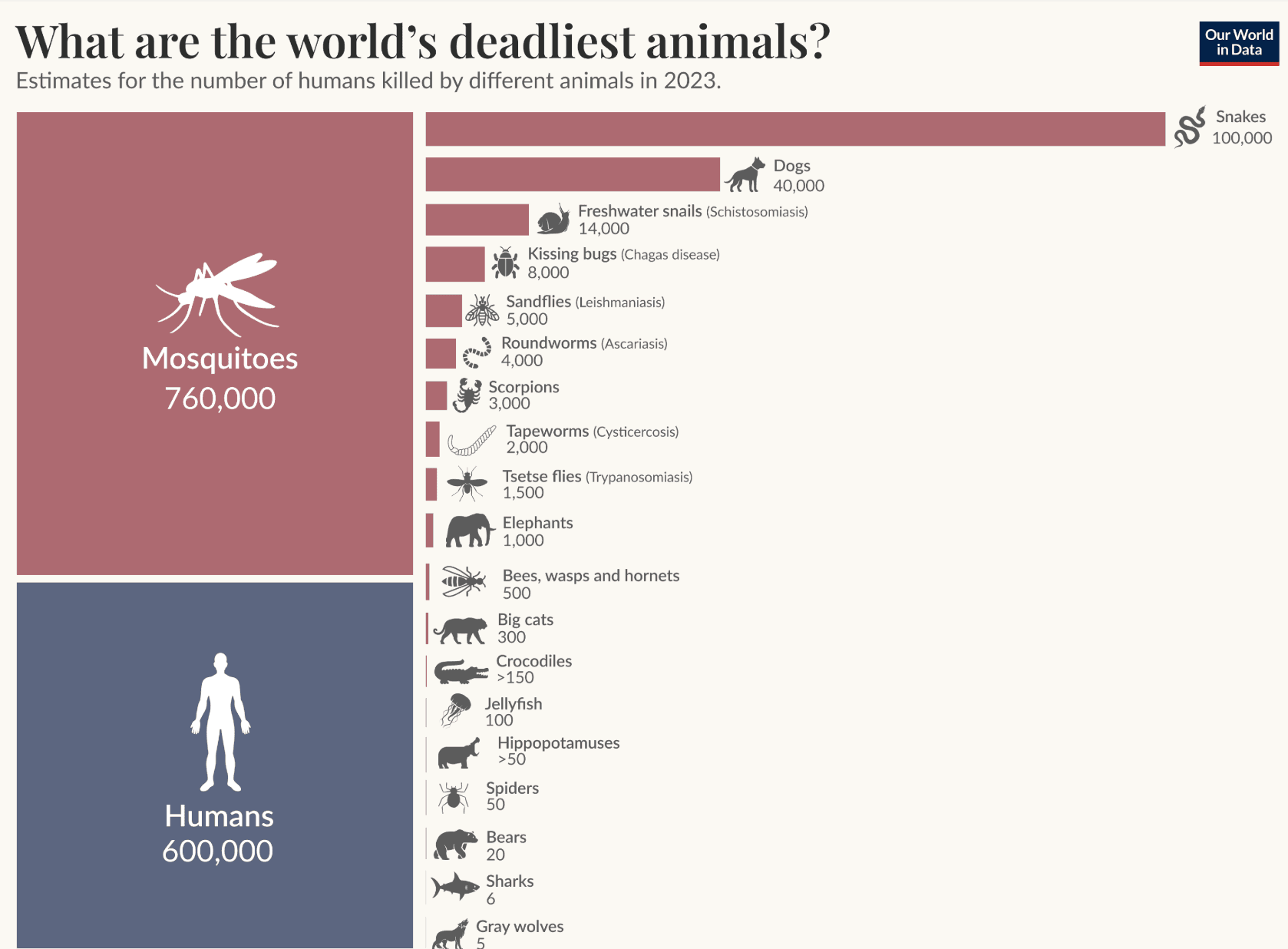
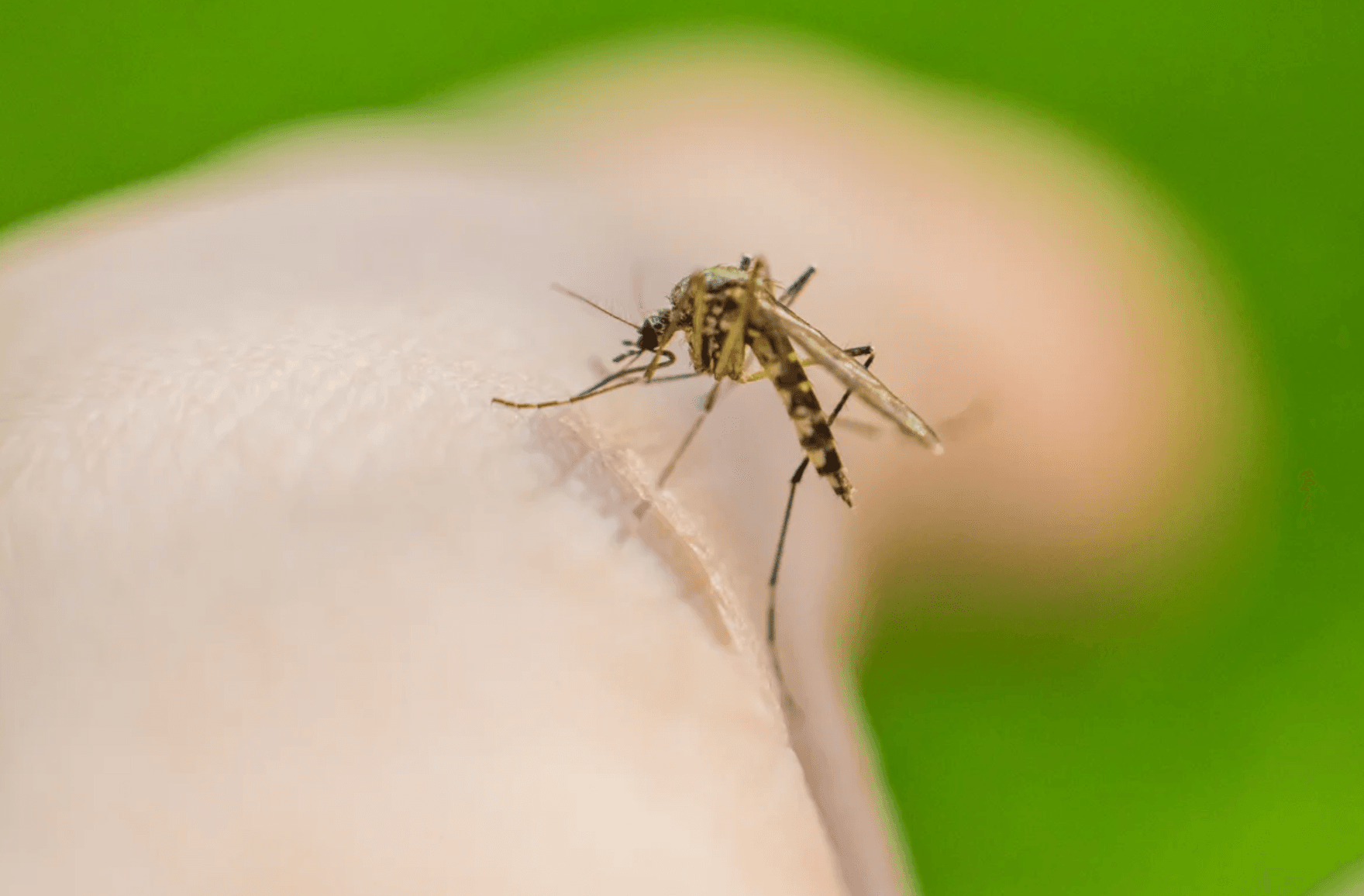
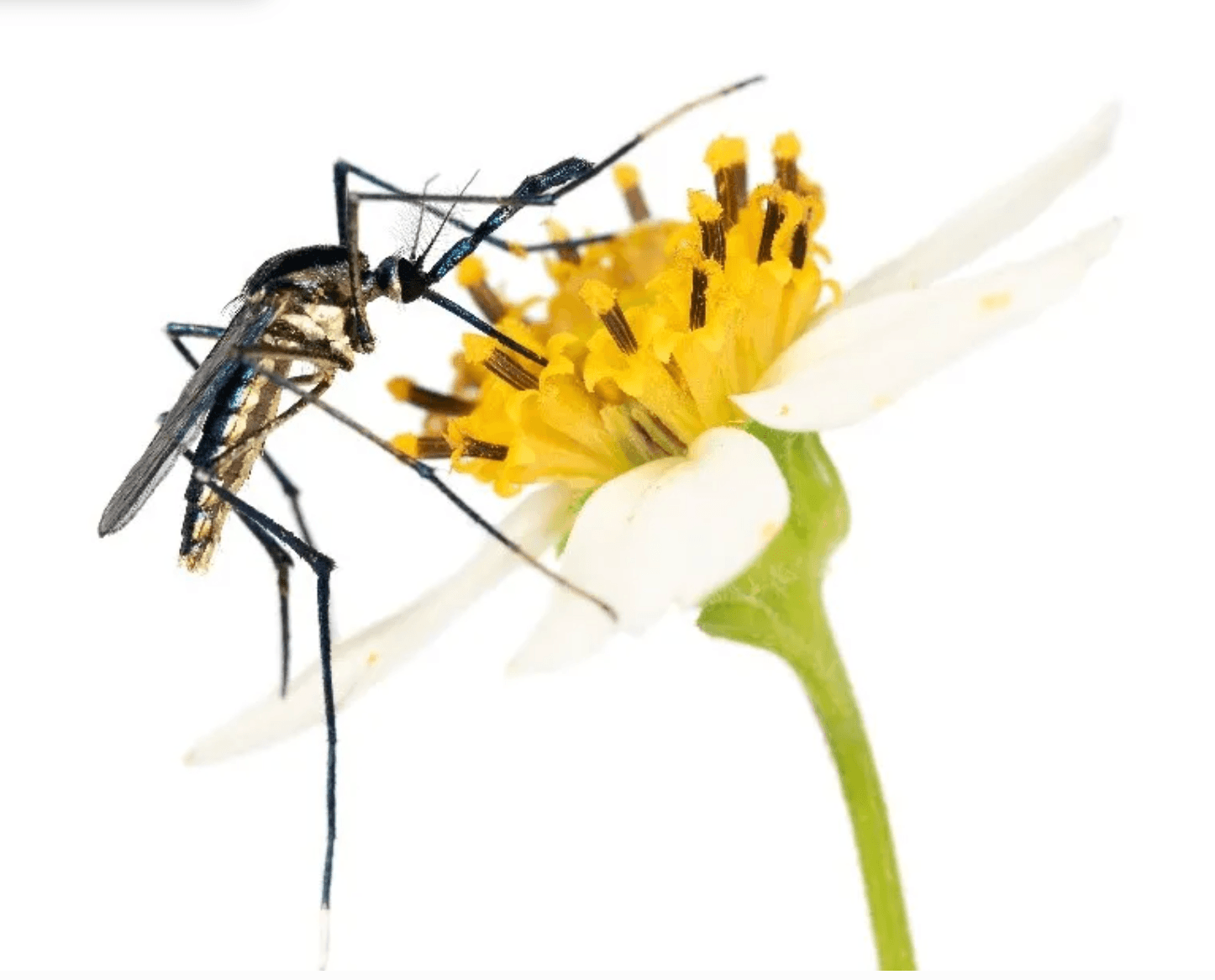
Mosquitoes kill more people than any other animal in the world: about 760,000 people annually. Though there are more than 3,500 species of mosquitoes and only a very small fraction of them bite humans, the diseases that skeeters carry can be very deadly. Malaria, dengue, West Nile virus, and more sicken and kill humans and other animals, too. Only females bite humans, and they suck our blood because they need blood proteins to sustain their eggs.
The bugs have been spotted on every continent but Antarctica. Their range is expanding with climate change, and mosquitoes were most recently documented in 2025 in Iceland—the last mosquito-free country until that point. Even as mosquitoes spread to new locales and the bugs develop resistance to insecticides, scientific advances are creating new mosquito control options.
Gene-editing technology could now theoretically render female mosquitoes infertile to wipe out disease-carrying species, though concerns remain about effectively limiting this engineered trait to target species. Infecting mosquitoes with the Wolbachia bacterium is another option under consideration, since the naturally-occuring microbe blocks transmission of various diseases.
1440 Findings
Hours of research by our editors, distilled into minutes of clarity.







Explore Health & Medicine
Indulge your curiosity, from the inner workings of our bodies and minds to the latest in medical research and treatments, all aimed at enhancing your understanding of health, wellness, and medicine. Our resources are meticulously curated to offer precise and pertinent information to anyone interested in learning more about the medical sciences.