Malaria
Overview
Malaria is one of the deadliest diseases in human history. In 2024 alone, there were roughly 282 million cases and 610,000 deaths, most of which occurred in Africa. The disease is particularly lethal for young children. Its symptoms include fever, chills, seizures, and headaches.
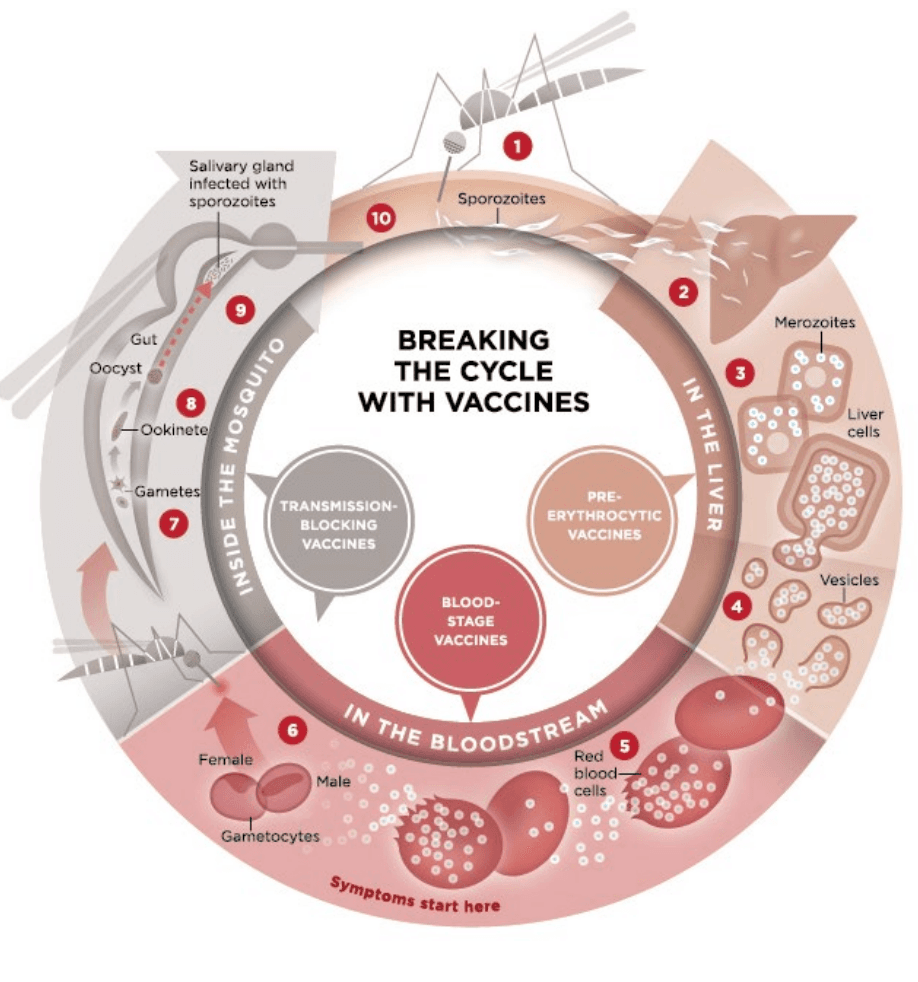
It's caused by Plasmodium parasites and spreads through mosquito bites. This occurs when Anopheles mosquitoes bite an infected human and contract the parasite, the parasite develops in the gut of the mosquito, and the mosquito later bites another person—releasing the parasite into the bloodstream. Even after malaria treatment, infection can sometimes return because the Plasmodium parasite may not be completely eliminated.
Malaria prevention includes using insecticides to avoid bites and taking antimalarial drugs before traveling to malaria-endemic areas. Yet expanding mosquito ranges, growing insecticide resistance, and Plasmodium antimalarial resistance are ongoing challenges. Recently, malaria vaccines have been recommended by the World Health Organization for children living in malarial zones, but the multishot regimens have limited effectiveness. Genetically engineering mosquitoes to be malaria-resistant or infertile is an area researchers are investigating, alongside further vaccine development.
1440 Findings
Hours of research by our editors, distilled into minutes of clarity.








Explore Health & Medicine
Indulge your curiosity, from the inner workings of our bodies and minds to the latest in medical research and treatments, all aimed at enhancing your understanding of health, wellness, and medicine. Our resources are meticulously curated to offer precise and pertinent information to anyone interested in learning more about the medical sciences.