Posted by Dina Fine MaronMar 13Mosquitoes even have olfactory receptors on their sperm.Show 2 more findings 3:06How Mosquitoes Find HumansThe Explained Channelhttps://www.youtube.com/watch?v=6BlbGFYya5w
Posted by Dina Fine MaronMay 20Genetics may account for nearly 67% of mosquito attractiveness.Show 2 more findings ZoomGenes Make Some People More Attractive to MosquitoesSmithsonian Magazinehttps://www.smithsonianmag.com/science-nature/genes-make-some-people-more-attractive-mosquitoes-180955075/
Posted by Dina Fine MaronMar 13Mosquitoes drink a maximum of 0.01 milliliters of blood in a single meal.Show 2 more findingsBe Amazedhttps://open.spotify.com/episode/04cZWGIicXg1Bp1PEoI1fn
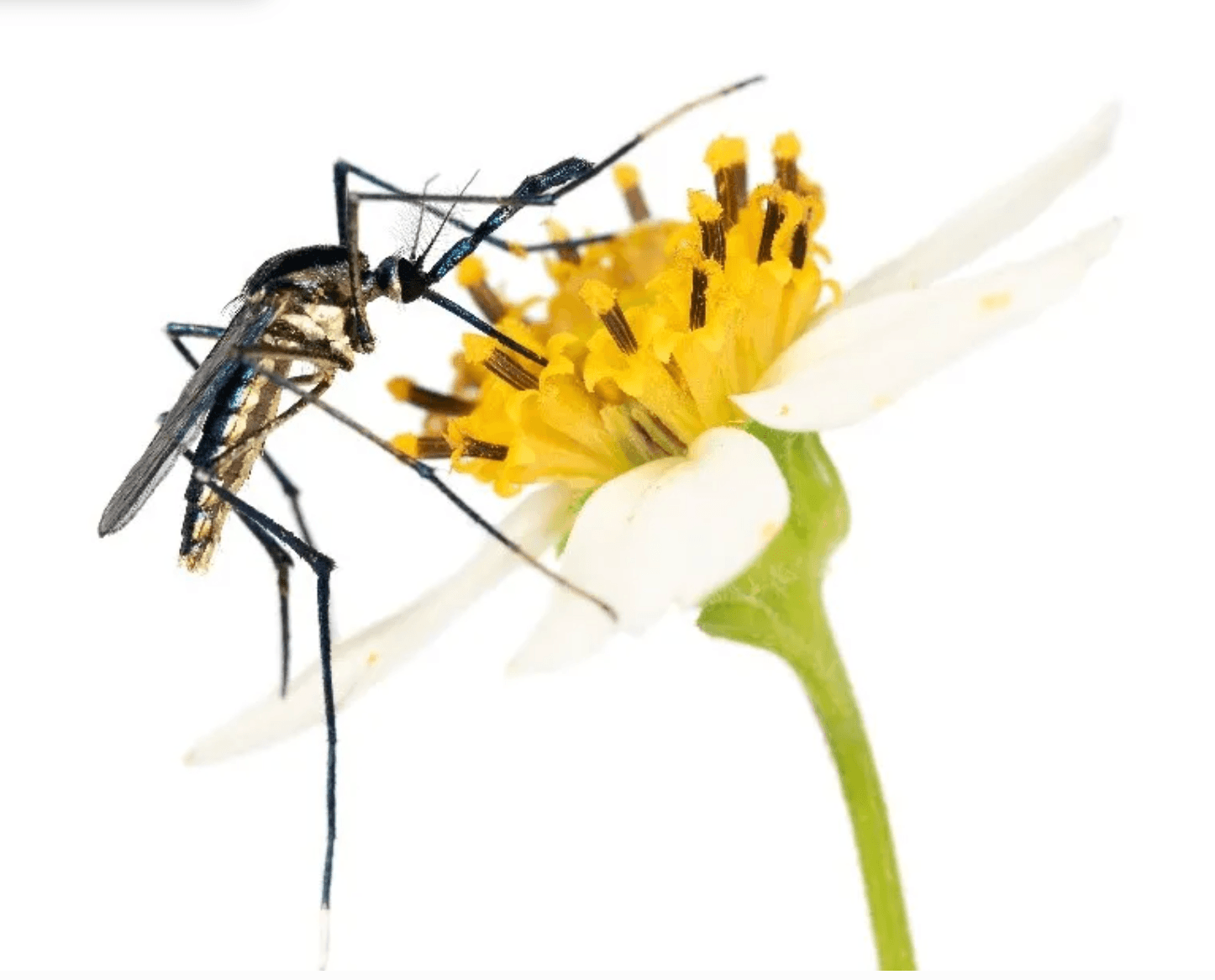
Posted by Dina Fine MaronMar 13Some mosquitoes are key pollinators—and eat disease-carrying mosquitoes.Show 3 more findings ZoomThe Secret Lives of Mosquitoes, the World’s Most Hated InsectsSmithsonian Magazinehttps://www.smithsonianmag.com/blogs/national-museum-of-natural-history/2021/08/19/secret-life-worlds-most-hated-insect/
Posted by Dina Fine MaronMay 20Twin studies helped scientists understand why mosquitoes like some of us more than othersA combination of carbon dioxide output, skin chemistry, genetic factors, hormones, and clothing choice can make us particularly vulnerable to mosquito bites. Watch how mosquitoes responded to one man in the video versus his wife, a research approach typically conducted with identical and fraternal twins to test mosquito attractiveness. 12:10Veritasiumhttps://www.youtube.com/watch?v=38gVZgE39K8
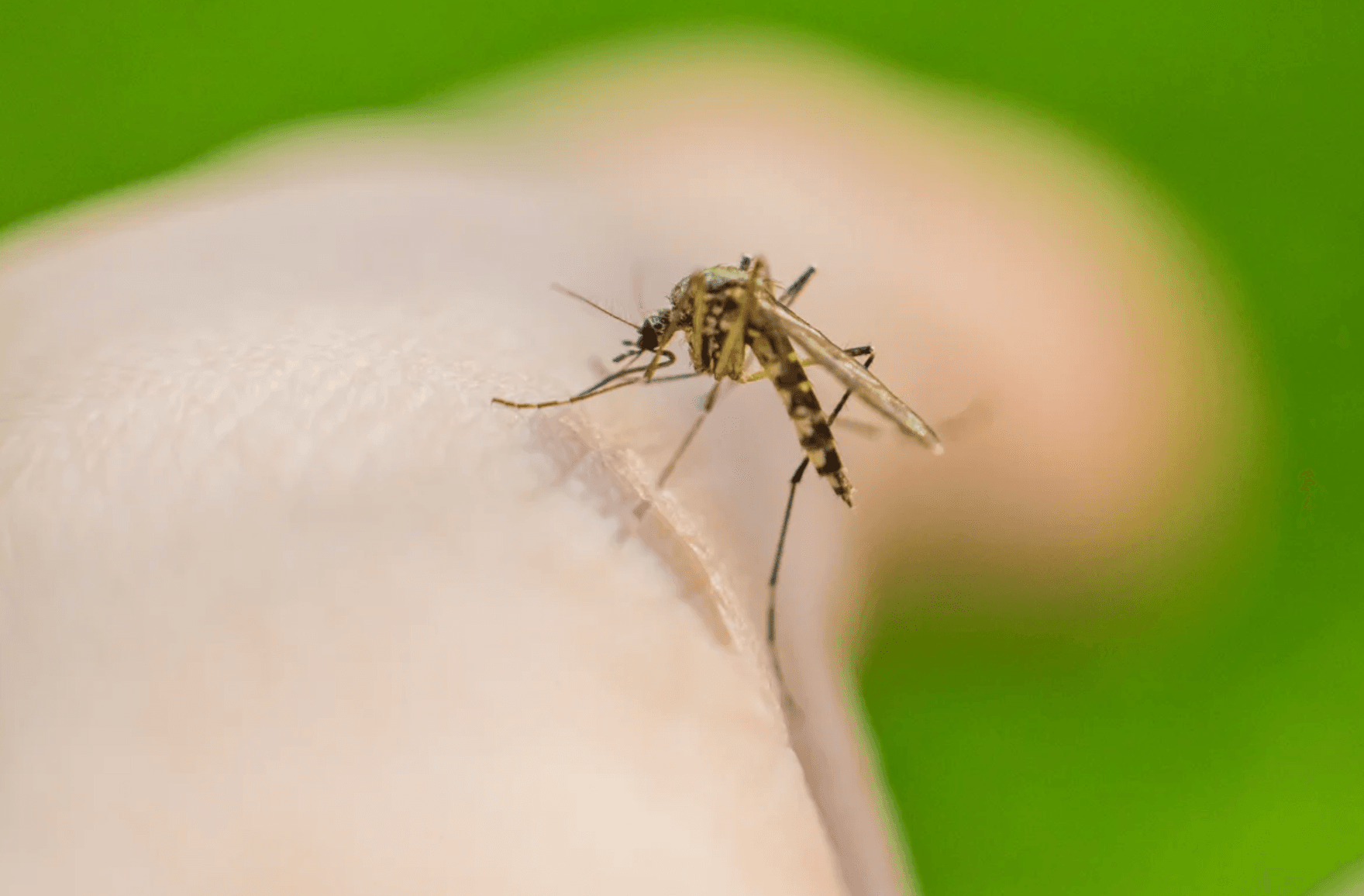
Posted by Dina Fine MaronMar 17Female Anopheles mosquito bites are the primary way malaria spreads.Show 2 more findingsUS Centers for Disease Control and Preventionhttps://www.cdc.gov/malaria/causes/index.html
Posted by Teddy BurkhardtApr 28Mosquito saliva acts as an anticlotting agentThe bug's piercing mouthpart, the proboscis, is actually several tubes—one for sucking, one for spitting. But the chemicals in its spit actually help its blood meal to flow, combating its victim's ability to clot at the puncture site. ZoomWhat causes the itch in mozzie bites? And why do some people get such a bad reaction?The Conversationhttps://theconversation.com/what-causes-the-itch-in-mozzie-bites-and-why-do-some-people-get-such-a-bad-reaction-243044
Posted by Dina Fine MaronMay 20Pregnancy makes someone more attractive to the mosquito species that transmits malaria.Show 2 more findings 4:43Why mosquitoes bite some people more than others - Maria Elena De ObaldiaTED-Edhttps://www.youtube.com/watch?v=V6rRifwIaio
Posted by Dina Fine MaronAug 3Humans have taste receptors throughout the body, including in the testes and lungs, but we don't taste what they detect because those areas lack taste buds.Show 2 more findings ZoomGut feelingsBig Thinkhttps://knowablemagazine.org/content/article/health-disease/2018/gut-feelings
Posted by Dina Fine MaronJun 29Fruit fly sperm are gigantic—about 40 times larger than human sperm, according to scientific research published in June 2026.Show 2 more findings ZoomFruit fly sperm is enormousPopular Sciencehttps://www.popsci.com/environment/fruit-fly-sperm-enormous/
Posted by Dina Fine MaronMay 20Genetic analysis suggests Anopheles mosquitoes fed on humans some 1.8 million years ago.Show 3 more findings ZoomMosquitoes may have evolved a taste for human blood thanks to Homo erectusLimited AccessScientific Americanhttps://www.scientificamerican.com/article/mosquitos-may-have-evolved-a-taste-for-human-blood-thanks-to-homo-erectus/
Posted by Dina Fine MaronMay 20Mosquitoes stop flying at wind speeds equivalent to the swishing of a horse's tail.Show 2 more findings ZoomHundreds of hungry mosquitoes, a student volunteer and a mesh suit helped us figure out how these deadly insects reach their targetsThe Conversationhttps://theconversation.com/hundreds-of-hungry-mosquitoes-a-student-volunteer-and-a-mesh-suit-helped-us-figure-out-how-these-deadly-insects-reach-their-targets-278486
Posted by Dina Fine MaronFeb 19Many parts of the body, including the testicles, have bitter, sweet, and umami receptorsTaste receptors—the tiny cells that report the chemical makeup of external stimuli to the brain—in the testicles don't "taste" in the same way as the gustatory ones you use to determine if there's enough sugar in your tea. Research suggests that these "teste" receptors can sense bitter, sweet, and umami compounds and use that chemical input to control physiological processes or (literally) change direction. (Some users may experience a paywall.) ZoomTaste perception: from the tongue to the testishttps://academic.oup.com/molehr/article/19/6/349/1061673
Posted by Marco Daniel MachadoSep 15, 2025Some female fireflies mimic the signals of other species to lure in and eat themThe genus Photuris does not produce its own defensive pheromones to ward off predators, so it has developed mimicry to attract males of firefly species that do. Unsuspecting males are consumed after these chemicals—lucibufagins—are extracted. 3:33So ... Sometimes Fireflies Eat Other Fireflies | Deep Lookhttps://www.youtube.com/watch?v=oWdCMFvgFbo
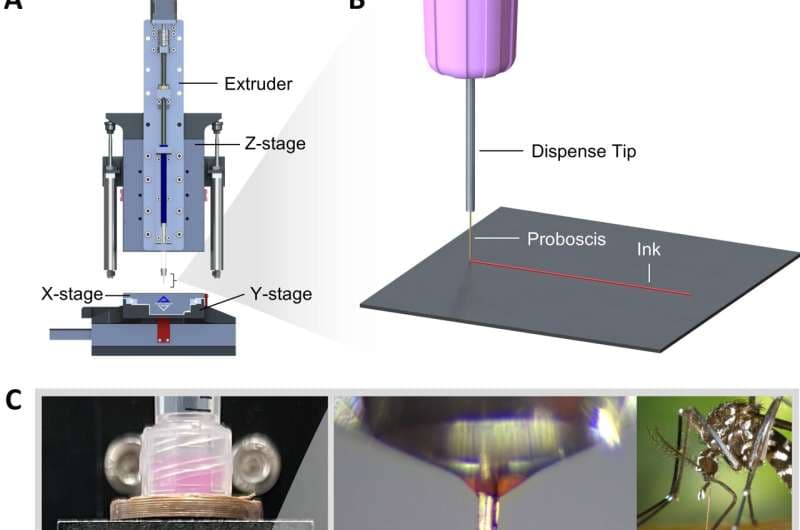
Posted by Marco Daniel MachadoMar 4Mosquito necroprinting uses an insect's mouthpart as the printer nozzleMosquitoes are abundant, and their nozzles are 32-100 times cheaper to harvest than to create from scratch out of metal or glass. By coating the organic nozzle to increase its strength, researchers are employing necroprinting to create tiny structures at better resolutions than commercial alternatives. ZoomWelcome to “necroprinting”—3D printer nozzle made from mosquito’s proboscisArs Technicahttps://arstechnica.com/science/2025/12/welcome-to-necroprinting-3d-printer-nozzle-made-from-mosquitos-proboscis/
Posted by Marco Daniel MachadoMar 12Spiders may manipulate captured male fireflies into mimicking female mating signalsRather than killing a male firefly captured in its web, the Araneus ventricosus spider bites into it, which researchers believe injects a venom that disrupts normal flashing behavior and produces a form of mimicry to attract additional males. (Some readers may experience a paywall.) ZoomThis Spider Uses a Light Show to Trick Eager Male Fireflies Into Its Web (Published 2024)The New York Timeshttps://www.nytimes.com/2024/08/19/science/spider-firefly-flash-web.html?unlocked_article_code=1.lE8.M81m.6b0-2jRbSZRv&smid=url-share
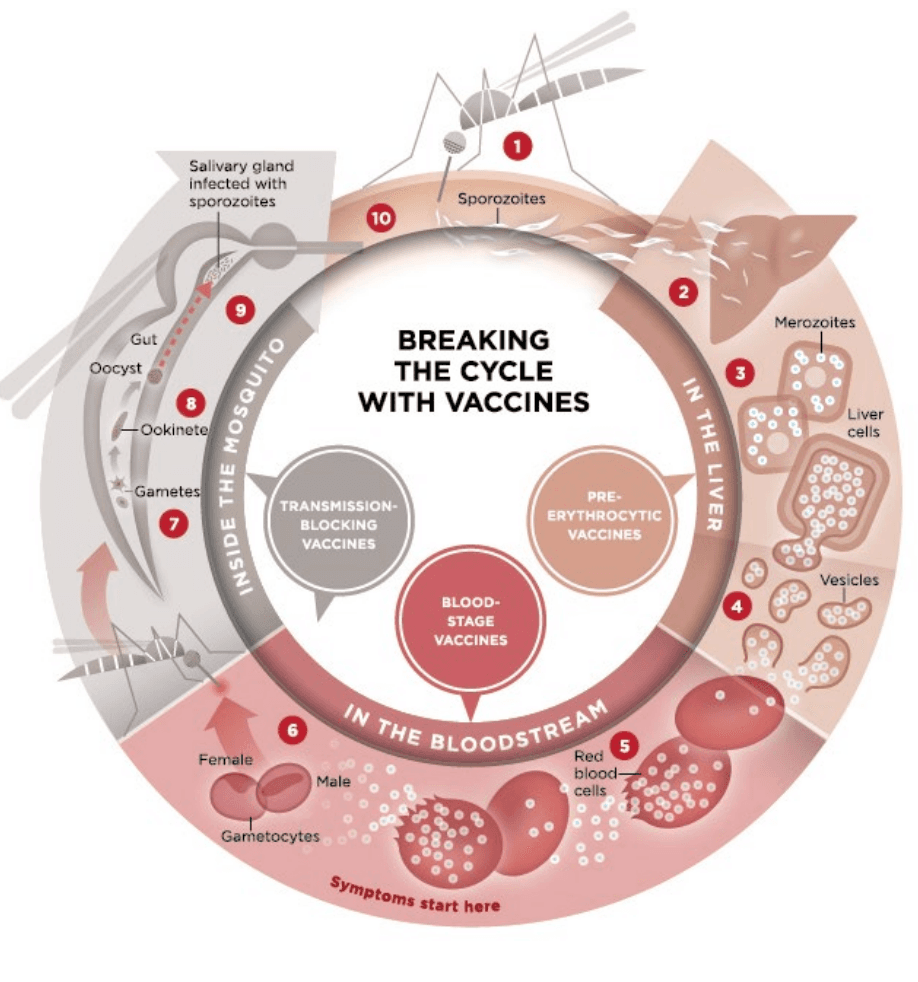
Posted by Dina Fine MaronMar 17See this graphic of the complex malaria transmission lifecycle.Show 3 more findings ZoomMalaria parasite life cycle infographicPATHhttps://www.path.org/our-impact/resources/malaria-parasite-life-cycle-infographic/
Posted by Dina Fine MaronMar 13Researchers are breeding genetically modified mosquitoes to be malaria-resistant.Show 3 more findings 2:31Reutershttps://www.youtube.com/watch?v=mR4chu4PYyM
Posted by Dina Fine MaronMar 17Anopheles mosquitoes are developing resistance to insecticides.Show 2 more findings ZoomNew tools saved a million lives from malaria last year but progress under threat as drug resistance risesWorld Health Organizationhttps://www.who.int/news/item/04-12-2025-new-tools-saved-a-million-lives-from-malaria-last-year-but-progress-under-threat-as-drug-resistance-rises
Posted by Dina Fine MaronMay 20Learn about the basic anatomy of mosquitoesThis short explainer video breaks down the mosquito's general body components, highlighting how mosquitoes breathe, fly, and more. It also touches on how experts can tell different mosquito species apart. 4:56Mosquito AnatomyLouisiana State Universityhttps://www.youtube.com/watch?v=_RowUXPTWT0
Posted by Dina Fine MaronMar 13Wolbachia is also being used to slash mosquito numbersThe naturally occurring bacterium does not naturally infect Aedes aegypti mosquitoes, but communities in locations including California and Texas have released male mosquitoes infected with Wolbachia and reported a significant drop in subsequent mosquitoes: When infected males mate with uninfected wild females, the eggs don't hatch.US Centers for Disease Control and Preventionhttps://www.cdc.gov/mosquitoes/mosquito-control/mosquitoes-with-wolbachia.html
Posted by Marco Daniel MachadoJul 16A dog's nose can be up to 100,000 times more sensitive than a human's, and each possesses a secondary organ for smelling, which helps learn about other dogs when they sniff each other's butts.Show 3 more findings 2:28But Why Do Dogs Smell Each Other's Butts?Reactionshttps://www.youtube.com/watch?v=PZlJ8XfwiNg
Posted by Dina Fine MaronMar 13Mosquitoes are the world's deadliest animal, but gene drives could kill them.Show 2 more findings 5:27Ethical dilemma: Should we get rid of mosquitoes? - Talya HackettTED-Edhttps://www.youtube.com/watch?v=H7i9Anh0_Dg
Posted by Dina Fine MaronJan 9, 2024Octopuses have taste receptors along their tentaclesOctopus suction cups are filled with modified sensory receptors that can bind with a greater variety of materials and transport a wider array of information, such as flavor, from tactile stimuli. These structures allow the animal to search for food as it crawls the ocean floor. 8:17Mutated neuroreceptor lets octopuses taste with their armsNaturehttps://www.youtube.com/watch?v=Ng4sQvLDRPI
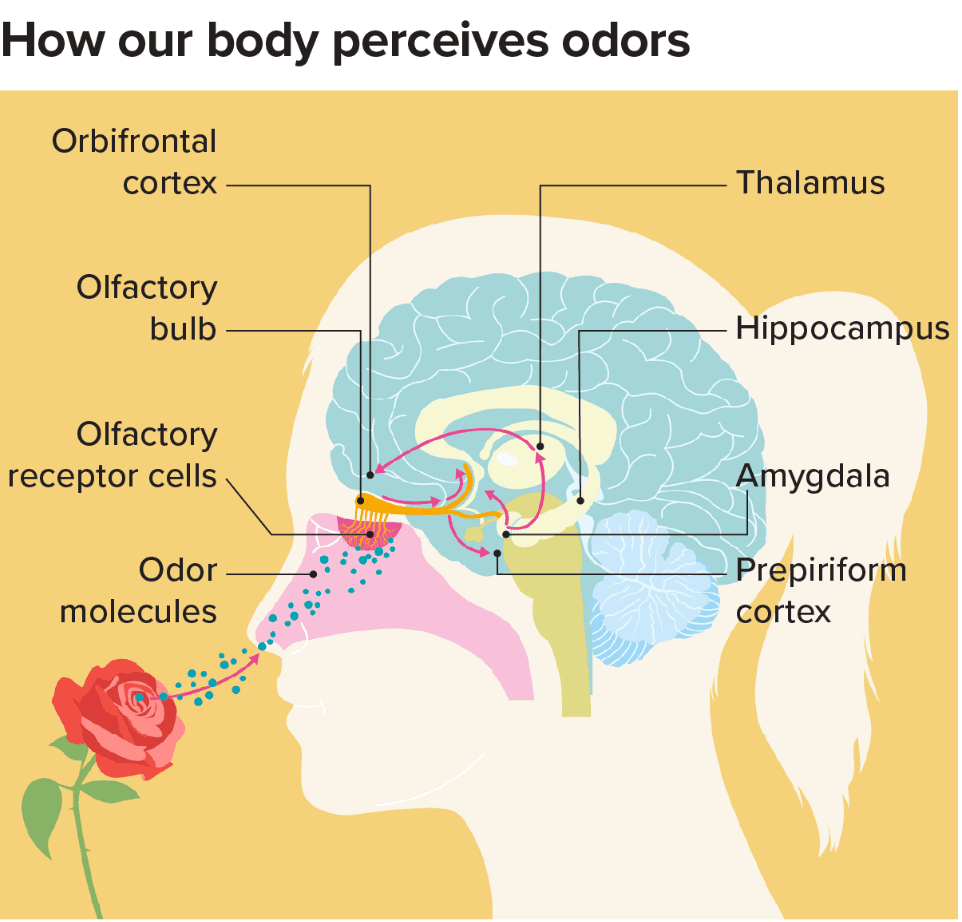
Posted by Dina Fine MaronMar 24Our sense of smell affects what foods taste like and how we perceive itScent stimulates our olfactory sensor neurons high in the nasal cavity, and the brain attaches labels to those scents. But when we eat, chemicals from the foods travel from our mouths and throat to those neurons. We have roughly 400 odor receptors, and they can be used to decipher more than 10,000 different odors (or more than one trillion by some calculations), including the nuances of different foods. 2:55TED-Edhttps://www.youtube.com/watch?v=3NFTa9kTVRU
Posted by Dina Fine MaronMay 18West Nile Virus is maintained in nature, even without human infectionsMosquitoes pick up the virus when they feed on birds, and then pass it to other birds with their bite, delivering it via virus-laden saliva. Hundreds of different North American bird species can harbor the virus—even if they don't all get sick from it.Ep 84 West Nile virus: The Crow in the Coal MineThis Podcast Will Kill Youhttps://open.spotify.com/episode/1aBWjq5G9ojCI9oaLMkCsy
Posted by Teddy BurkhardtMay 15Explore inside a mosquito factory where millions of mosquitoes are bred weeklyIn Medellin, Colombia, scientists are infecting Aedes aegypti mosquitoes with Wolbachia, a bacterium that wouldn't otherwise infect the species, but does block its ability to transmit dengue, Zika, yellow fever, and chikungunya. In the wild, infected mosquitoes would breed with wild mosquitoes, pass down Wolbachia, and thus reduce disease transmission. 13:22I Visited a Mosquito FactoryPBS Terrahttps://www.youtube.com/watch?v=AI3HE7BcIBk
Posted by Dina Fine MaronMay 20How we helped make Aedes aegypti mosquitoes such a problemMosquito genome sequencing data suggests that Aedes aegypti mosquitoes first started specializing on human blood around 5,000 years ago—when climates shifted and humans started domesticating plants in Africa and stored large amounts of water that may have attracted the bugs. 9:48We Helped Make Mosquitoes A ProblemPBS Eonshttps://www.youtube.com/watch?v=aYH-KYdgXag
Posted by Dina Fine MaronMar 24Newborns have a strong sense of smellBabies are drawn to their mother's smell—and the particular odor of their mother's breast milk—within days, even as their vision remains blurry for months after birth. In the womb, the olfactory center also forms in the early stages of development.https://www.chop.edu/pages/newborn-senses
Posted by Dina Fine MaronJan 9, 2024How bitter taste receptors help guard against infectionReceptors for "bitter" tastes evolved to detect potentially harmful plant chemicals, such as nicotine. The receptors also trigger bacteria-fighting responses, including waving hairlike projections to bat away bacteria, ordering the release of bacteria-killing nitric oxide, and calling for antimicrobial protein reinforcements. ZoomHow Bitter Taste Receptors Defend the Body against Bacteriahttps://academic.oup.com/emph/article/9/1/431/6395358
Posted by Dina Fine MaronFeb 17Hereditary hyperosmia is the official term for being a super-smellerSome sniffers with this rare trait may be more sensitive to pleasant smells, while others may be more attuned to unpleasant scents. Some research suggests that certain genetic mutations are associated with a heightened sense of smell.The Conversationhttps://theconversation.com/four-reasons-why-some-people-become-super-smellers-from-pregnancy-to-genetic-differences-141404
Posted by Dina Fine MaronMar 24Humans can track smells on the ground quite well—our ability to crawl is a limiting factorAs part of a scientific bet, neurobiology researchers dragged a chocolate bar across the grass and sought to see if a human could track it—she could. This led to a more in-depth experiment on human olfactory capabilities and behavior when other senses were blocked.Huberman Labhttps://ai.hubermanlab.com/clip?sids=chunk_82310
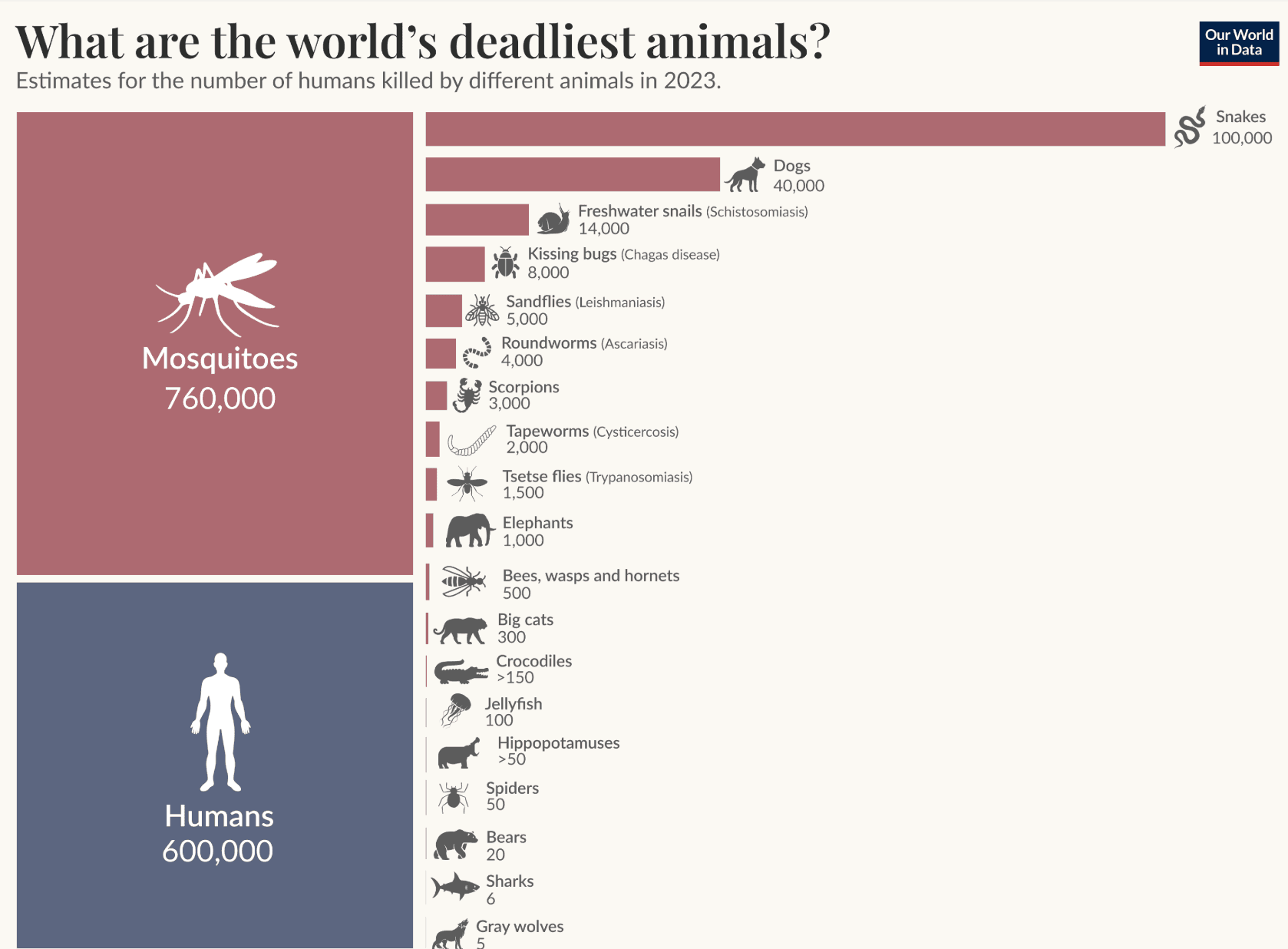
Posted by Dina Fine MaronMar 10Mosquitoes top the ranking of the world's deadliest animals.Show 3 more findings ZoomWhat are the world’s deadliest animals, and can we protect ourselves against them?Our World in Datahttps://ourworldindata.org/deadliest-animals
Posted by Dina Fine MaronMar 24Humans may be able to distinguish more than one trillion scentsThat's according to one estimate published in 2014. This figure far exceeds earlier estimates of a human smelling ceiling around 10,000 odors. The newer figure is derived from experiments in which volunteers agreed to sniff varying scents. Researchers mixed odor components and had volunteers sniff the brews to detect subtle scent differences. (Some users may experience a paywall.)Sciencehttps://www.science.org/content/article/human-nose-can-detect-trillion-smells
Posted by Dina Fine MaronMay 20Mosquito-borne illnesses have killed two captive orcas at SeaWorld since they became water park attractions. Show 3 more findings ZoomStudy highlights risk of mosquito borne illnesses to captive orcaPhys.orghttps://phys.org/news/2013-05-highlights-mosquito-borne-illnesses-captive.html
Posted by Dina Fine MaronMar 24A stand-in 'nose' may help people with anosmia to smell certain odorsIn a 2025 paper, researchers reported they'd created a proof-of-concept device that bypasses typical olfactory pathways and instead exploits an alternative—the trigeminal nerve in the nose—to detect a few strong scents. The nerve typically helps detect the temperature of inhaled air or the presence of irritants. (Some users may experience a paywall.)Sciencehttps://www.science.org/content/article/artificial-nose-tells-people-when-certain-smells-are-present
Posted by Marco Daniel MachadoJan 2Malaria mosquitoes in a lab were wiped out using CRISPRScientists at Imperial College London disabled a gene in female Anopheles gambiae mosquitoes to make them infertile and propagated the infertility mutation at unnaturally high rates using a gene drive. The entire population collapsed within a dozen generations, showing promise for subsequent with mosquitoes in mimicked tropical environments. ZoomCRISPR gene editing drives caged mosquitoes to extinctionhttps://cen.acs.org/biological-chemistry/biotechnology/CRISPR-gene-editing-drives-caged/96/i39
Posted by Teddy BurkhardtJun 30What if we killed every mosquito on Earth?Mosquitoes aren't just annoying, they're deadly. they're also responsible for an estimated 725,000 deaths worldwide, every year. Would it be so bad if we found a way to wipe them out completely? Real scientists have gamed out this hypothetical scenario, concluding it actually wouldn't be that bad. This five-minute video breaks down one way this could happen. 5:52What If We Killed Every Mosquito On Earth?https://www.youtube.com/watch?v=LIYEhcOn0a4
Posted by Dina Fine MaronMar 13Scientists still don't know why DEET is such an effective bug repellentThis chemical, used to keep ticks, fleas, mosquitoes, and other nuisance bugs away, is used by an estimated one-third of the US population and has been available to consumers since 1957. Researchers theorize that multiple mechanisms may be at work to deter bugs, including perhaps masking or confusing bugs' olfactory receptors.Consumer Reportshttps://www.consumerreports.org/health/insect-repellent/how-safe-is-deet-insect-repellent-safety-a4952100929/