Nutrition

Overview

Nutrition is the science that explores the relationship between the nutrients in the foods we consume and the role they play in our bodies. It has the power to influence most aspects of our health and wellbeing, from energy levels and immune function to longevity and disease prevention.

1440 Findings

Hours of research by our editors, distilled into minutes of clarity.

  • Do you need a multivitamin?

    In 2013, several researchers declared multivitamins dead, stating that so-called supplements had no clear benefits and might be harmful. But the science isn't so clear-cut. This article explores the question of who would benefit from...

  • Should you eat an all-meat diet?

    The carnivore diet is reportedly a way of eating inherited from human ancestors, a tale that has roots in anthropology's early days. This article explores the all-meat diet's ancestral claims and what happens if you cut vegetables and fruits from...

  • The stages of fasting

    What happens to the body when it goes without caloric intake? This article overviews the immediate physical effects of fasting. Within a day of going without food, the body will have used up its glucose stores and ordered the liver and muscles to convert their glycogen (glucose storage) into usable glucose. By the second day, glycogen stores will run out, forcing the body to use fat as energy. This process is known as ketosis.

  • Hidden sugar can affect your health

    Sugar is likely found in more foods and beverages than you think, which could be silently and negatively affecting your health. While it's easy to spot sugars in soft drinks, candy, and ice cream, its varied names (like evaporated cane juice, for example) can make it difficult to identify on food labels. The USDA doesn't currently have a daily recommendation for sugar, but the World Health Organization advises limiting sugar to 25 grams a day. Watch this four-minute video to learn more about where sugar is hiding and how it can affect your body.

    Video

    Sugar: Hiding in plain sight - Robert Lustig

  • It seems like we shouldn’t have to say this: Cheese is not like crack

    While news reports may claim cheese is addictive, the facts behind the research show cheese and crack have little in common. It appears that highly processed foods with high levels of sugars and fat, rather than cheese specifically, are most closely associated with addictive-like behaviors. In fact, cheese ranked lower than foods like pizza, chocolate, and fries in terms of its addictiveness.

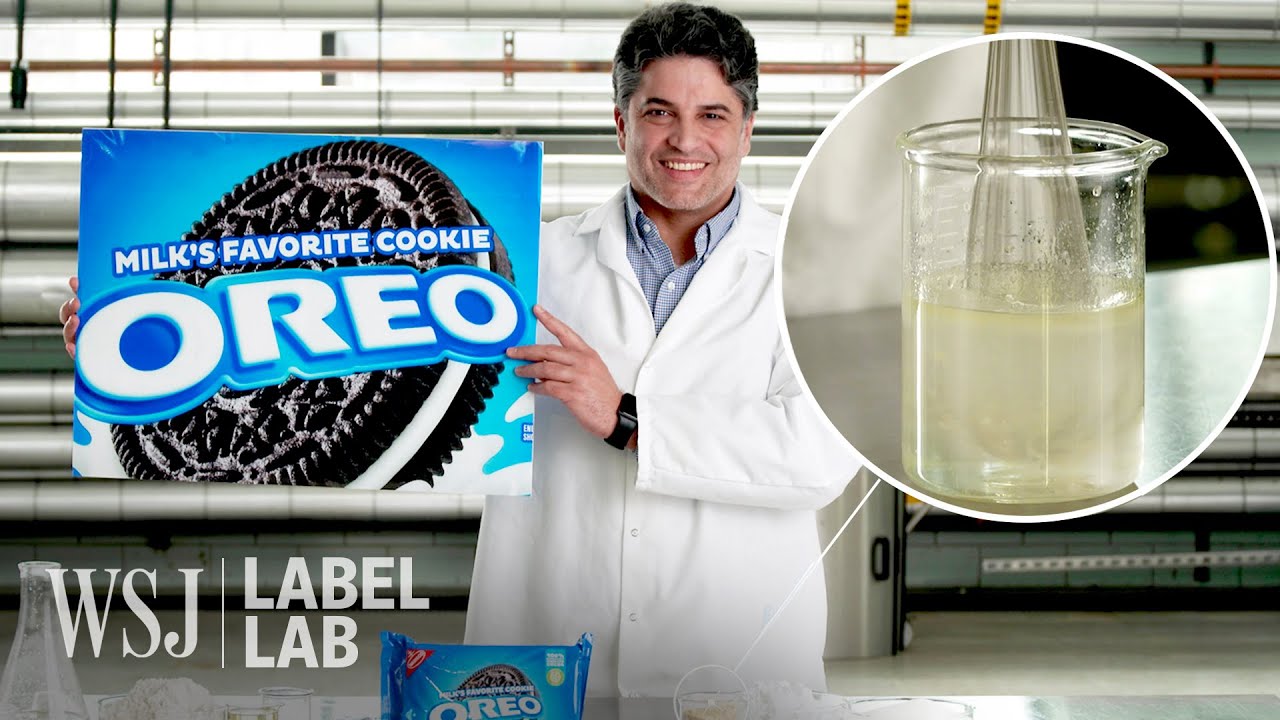
  • What's inside an Oreo?

    If you look at the ingredient list on your Oreo packaging, you may discover that you don't recognize—or can't even pronounce—some of the listed ingredients, let alone know what they're used for! For instance: Did you know that soy lecithin helps makes oil and water mix? Or that cocoa processed with alkali becomes darker and less acidic? A food scientist breaks down what's inside an Oreo in this seven-minute video.

    Video

    What's inside an Oreo?

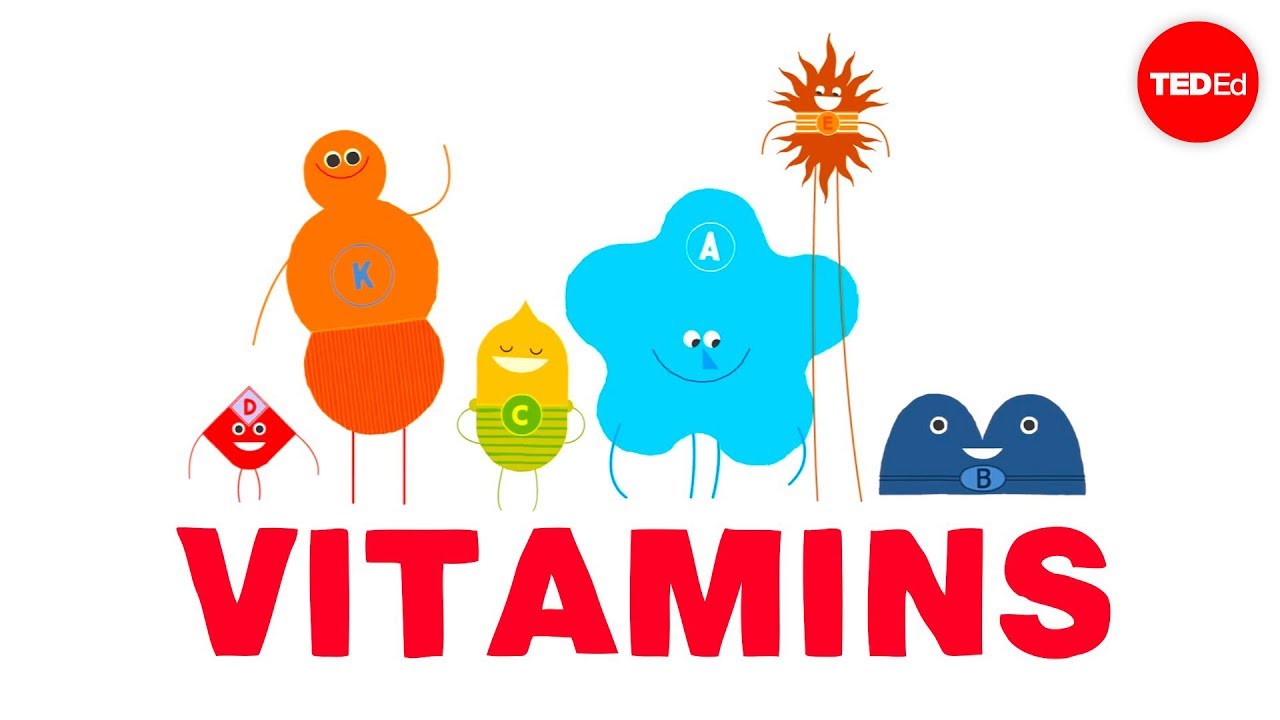
  • How does the body get vitamins?

    Humans need to regularly consume small amounts of vitamins to keep functioning. This five-minute illustrated video details how vitamins work once they enter the bloodstream. There are two types of vitamins: water-soluble, meaning they dissolve in...

    Video

    How does the body get vitamins?

Next page

Explore Health & Medicine

Discover a broad spectrum of topics, from fundamental anatomy to the latest in medical research and treatments, all aimed at enhancing your understanding of health, wellness, and our bodies. Our resources are meticulously curated to offer precise and pertinent information to students, professionals, and anyone interested in learning more about the medical sciences. Dive in to stay informed, make well-informed health decisions, and explore the intriguing world of medicine.

View All Health & Medicine