The anatomy of our hair follicles explains goose bumps
The arrector pili muscle contracts when we’re cold or scared, causing hairs to stand up and the skin to form the bumps known as goose bumps. This reaction is typically involuntary.
Discover a broad spectrum of topics, from fundamental anatomy to the latest in medical research and treatments, all aimed at enhancing your understanding of health, wellness, and our bodies. Our resources are meticulously curated to offer precise and pertinent information to students, professionals, and anyone interested in learning more about the medical sciences. Dive in to stay informed, make well-informed health decisions, and explore the intriguing world of medicine.
Hours of research by our editors, distilled into minutes of clarity.
The arrector pili muscle contracts when we’re cold or scared, causing hairs to stand up and the skin to form the bumps known as goose bumps. This reaction is typically involuntary.
A hemorrhagic stroke occurs when a faulty blood vessel within the brain bleeds. Though this is less common than an ischemic stroke, it is often far more deadly. This in-depth resource from the American Stroke Association provides a comprehensive overview of the two main subtypes of hemorrhagic stroke along with a useful animation of the condition.
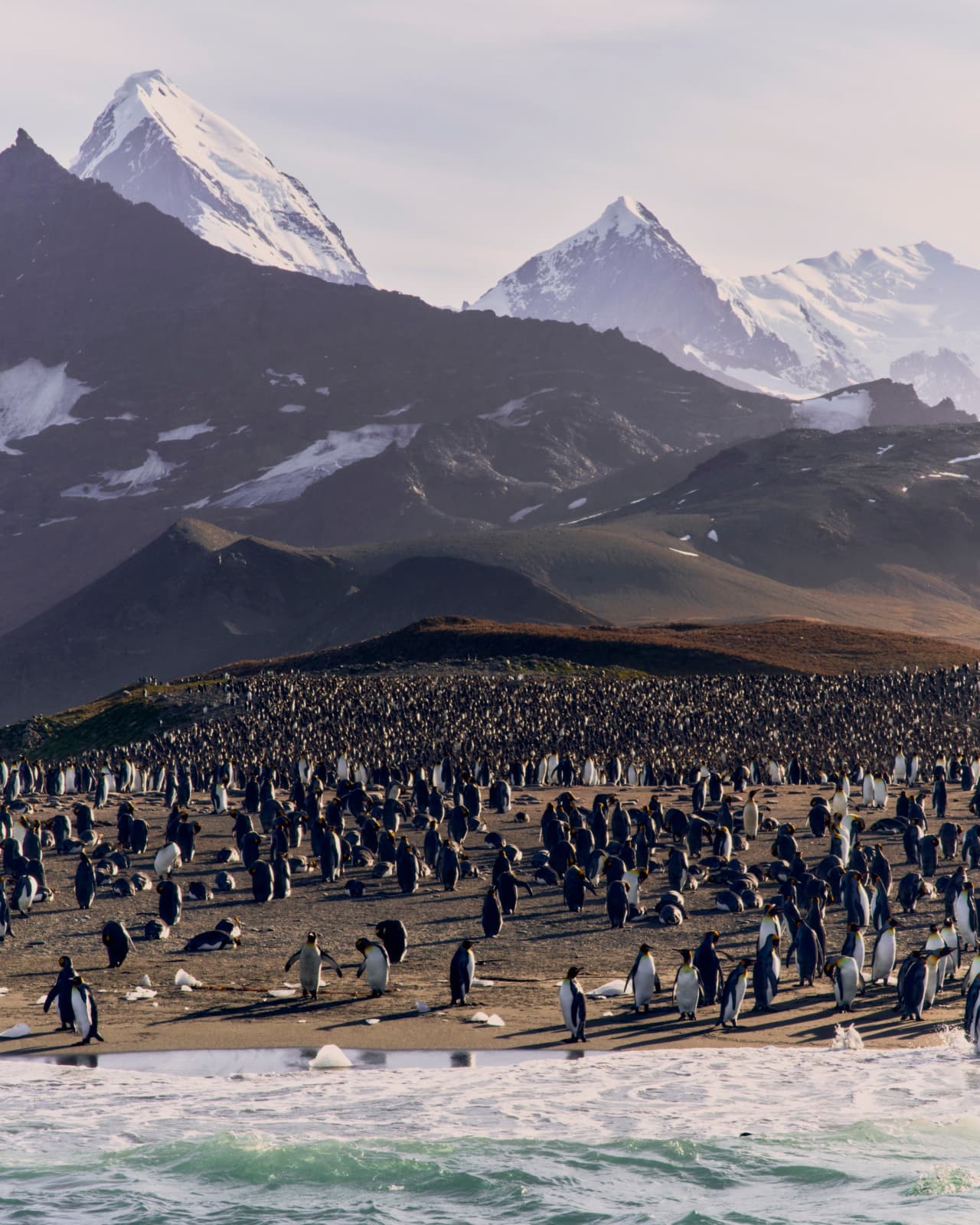
The rapid global spread of H5N1 bird flu—from remote Antarctic islands to US farms—shows how animal spillover, driven by human activity and ecological disruption, is accelerating pandemic risk across species long before sustained human transmission begins.
Though goose bumps can be associated with changes in skin temperature, the biggest gaps in our understanding are around measuring goose bumps from nonthreatening exposures. These bumps can often occur without our detection, and we have trouble correctly identifying them. The relationship between emotionally induced chills and goose bumps can also be tenuous.
Doctors do not recommend at-home allergy test kits because their results may be inaccurate and confusing, and lead people to make lifestyle changes that are not warranted. Tests that require sending in a hair sample, for example, will not be helpful because hair does not have the relevant antibodies that blood testing would detect.
While studies have shown it can damage DNA and potentially cause cancer in mice, humans absorb and metabolize acrylamide at different rates, introducing uncertainty in the research's applicability to humans. Some international health agencies have nonetheless recommended avoiding darker roasts when cooking starchy foods.
Herd immunity refers to a population whose vaccination rates against a given virus are high enough that transmission dies out before the bug can find the next unvaccinated person to infect. Rates needed to achieve this depend on how contagious a virus is. This video gives a quick visual explanation of how it works.
The species studied early in the field's history had long generation periods—usually years for plants and decades for large animals. With quick generations of microbes, scientists can speed up the evolutionary process, with projects like the LTEE in California running for 40 years and generating 80,000 generations of E. coli.
Inspired by how fine hairs stand on the skin with goose bumps, researchers have recently created artificial skin that raises artificial goose bumps when exposed to a laser. This type of precise, localized, and controllable system could potentially fuel later development of programmable machines that could be used for information storage.
Nothing is better than going outside and soaking up real sunlight. However, this is harder in winter, especially in very cold and cloudy regions. SAD lamps are designed to project 10,000 lux—a unit of illuminance, or how much light actually hits a surface (rather than how much is produced, like watts). This video discusses product options and practical considerations.