Tinnitus
Overview
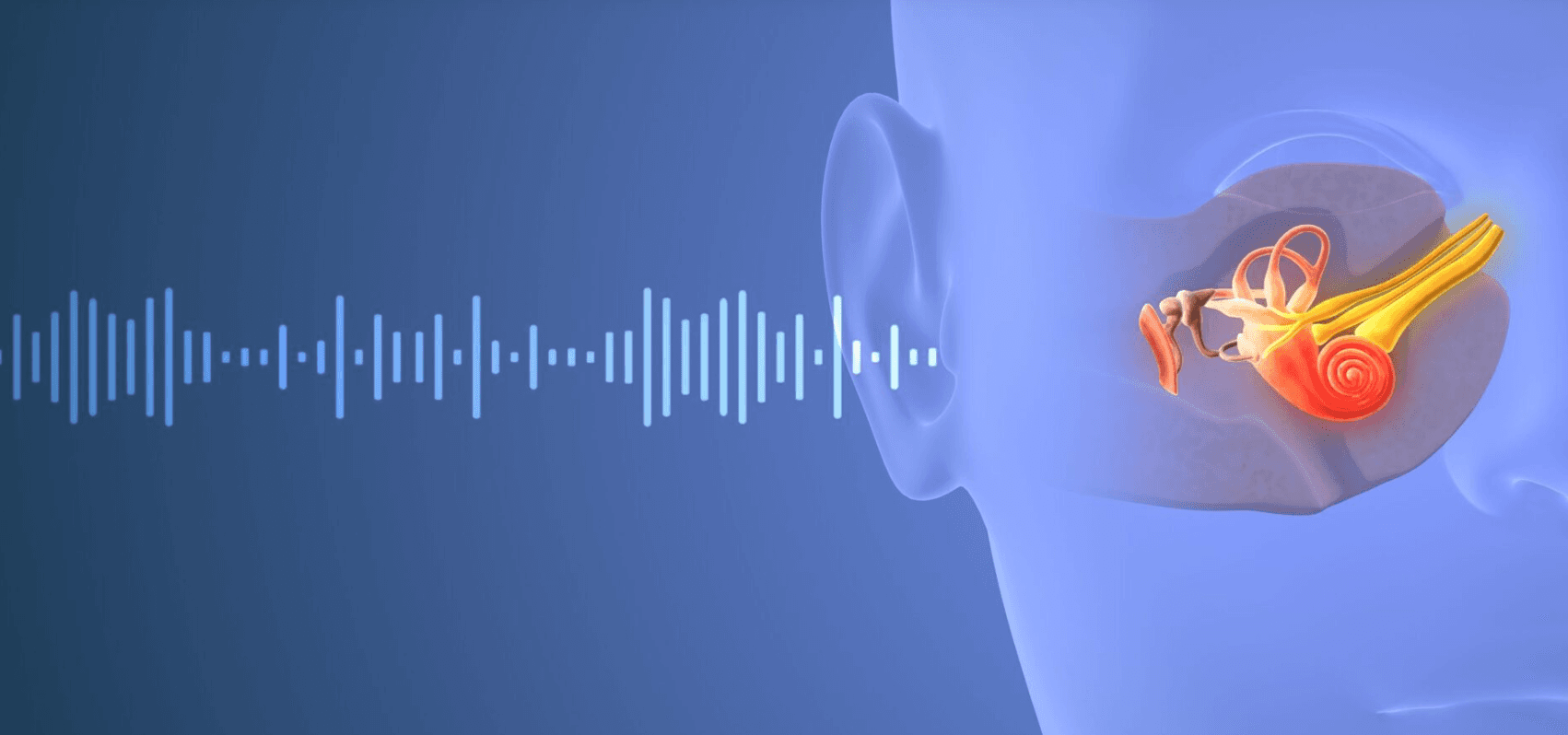
Tinnitus (pronounced "ti-NITE-us" or "TINN-ah-tus") is the perception of any ringing, hissing, humming, or buzzing sound without any external source. Rarely, it's a pulsing rhythm aligned with the heartbeat. The impact of these phantom sounds can range from a minor inconvenience to a major debilitation, associated with an inability to sleep, work, or go about daily life. While there's no known cure for tinnitus, it sometimes resolves on its own.
The condition, named after the Latin verb tinnire, meaning "to ring," occurs in 10% to 15% of the population and is often associated with hearing loss. Earwax buildup and jaw joint disorders can also contribute. The ancient Egyptians documented a similar condition as "bewitched ear," and famous tinnitus sufferers include Charles Darwin, Ludwig van Beethoven, and the musician Eric Clapton.
Research suggests hearing loss-associated tinnitus may be the brain's signal to the inner ear to turn up the volume amid reduced noise, paving the way for future therapies targeting nerve signaling. Current management strategies train the brain to distract itself, often with sound generators or hearing aids that amplify environmental noise.
1440 Findings
Hours of research by our editors, distilled into minutes of clarity.



Explore Health & Medicine
Indulge your curiosity, from the inner workings of our bodies and minds to the latest in medical research and treatments, all aimed at enhancing your understanding of health, wellness, and medicine. Our resources are meticulously curated to offer precise and pertinent information to anyone interested in learning more about the medical sciences.