Stem Cells
Overview
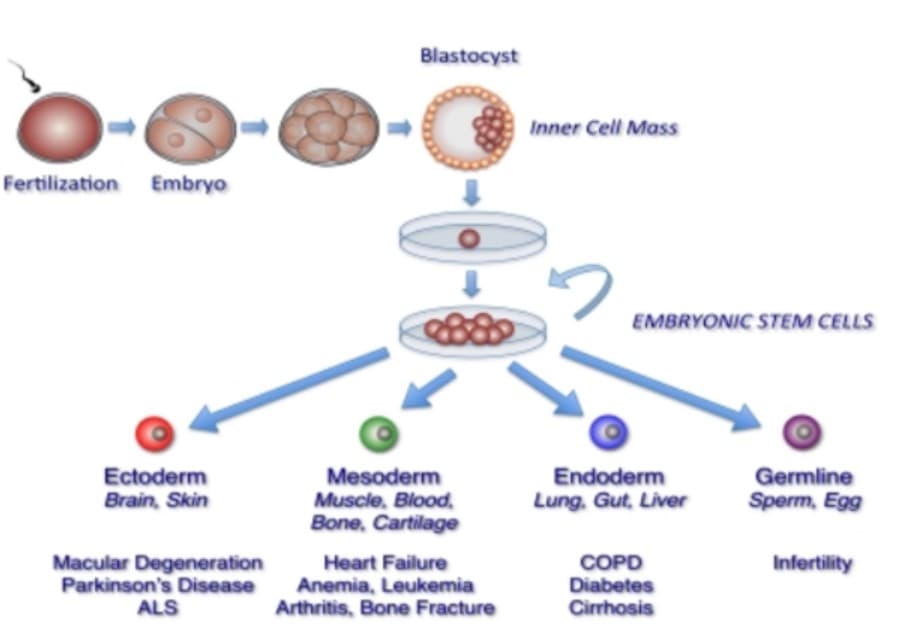
Stem cells are different from other cells because they are capable of both creating copies of themselves and producing other types of cells—such as those found in our brains, bones, or muscles—which can’t make copies of themselves.
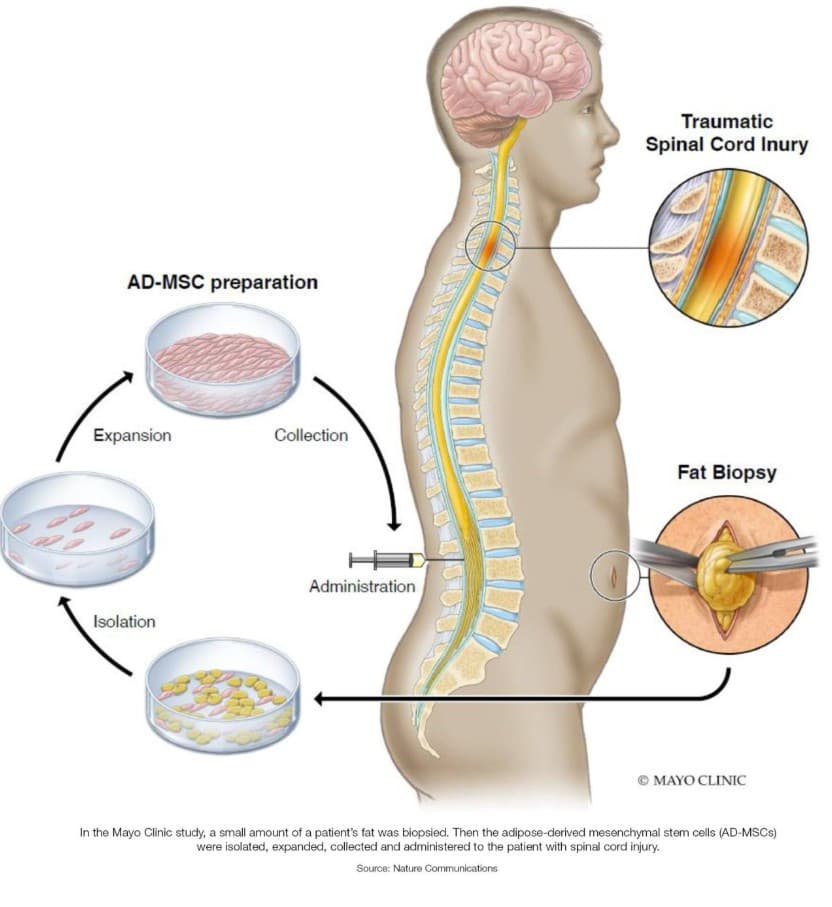
During development, stem cells form the cells that create our biological systems. But stem cells are also essential to bone marrow transplants, and may hold the key to possible new treatments for everything from diabetes to spinal cord injuries.
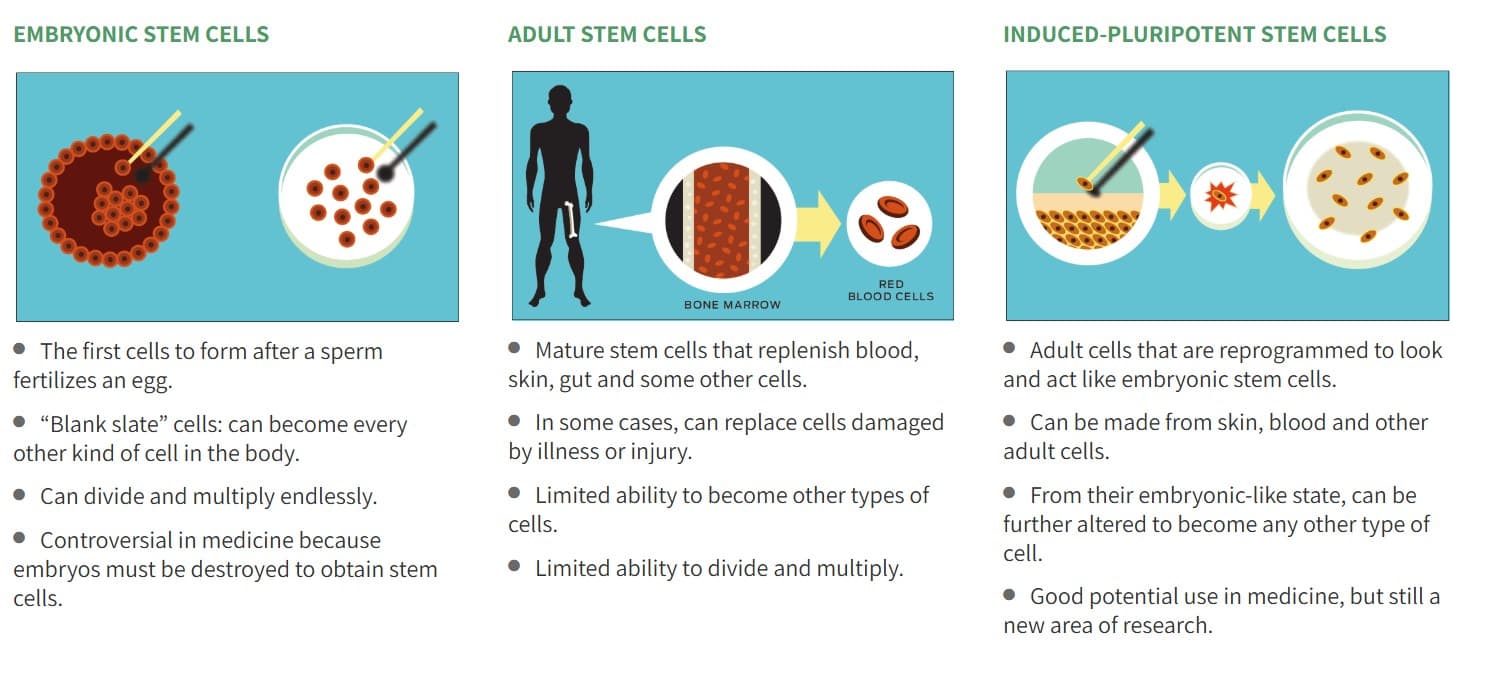
Stem cells do two things remarkably well. First, they are capable of renewing themselves and churning out more stem cells. Second, some stem cells are “pluripotent,” meaning they are capable of developing into many additional types of cells. Stem cells are generally divided into three categories: embryonic, adult, and induced pluripotent cells.
1440 Findings
Hours of research by our editors, distilled into minutes of clarity.


Explore Health & Medicine
Indulge your curiosity, from the inner workings of our bodies and minds to the latest in medical research and treatments, all aimed at enhancing your understanding of health, wellness, and medicine. Our resources are meticulously curated to offer precise and pertinent information to anyone interested in learning more about the medical sciences.