Vector-Borne Diseases
Overview
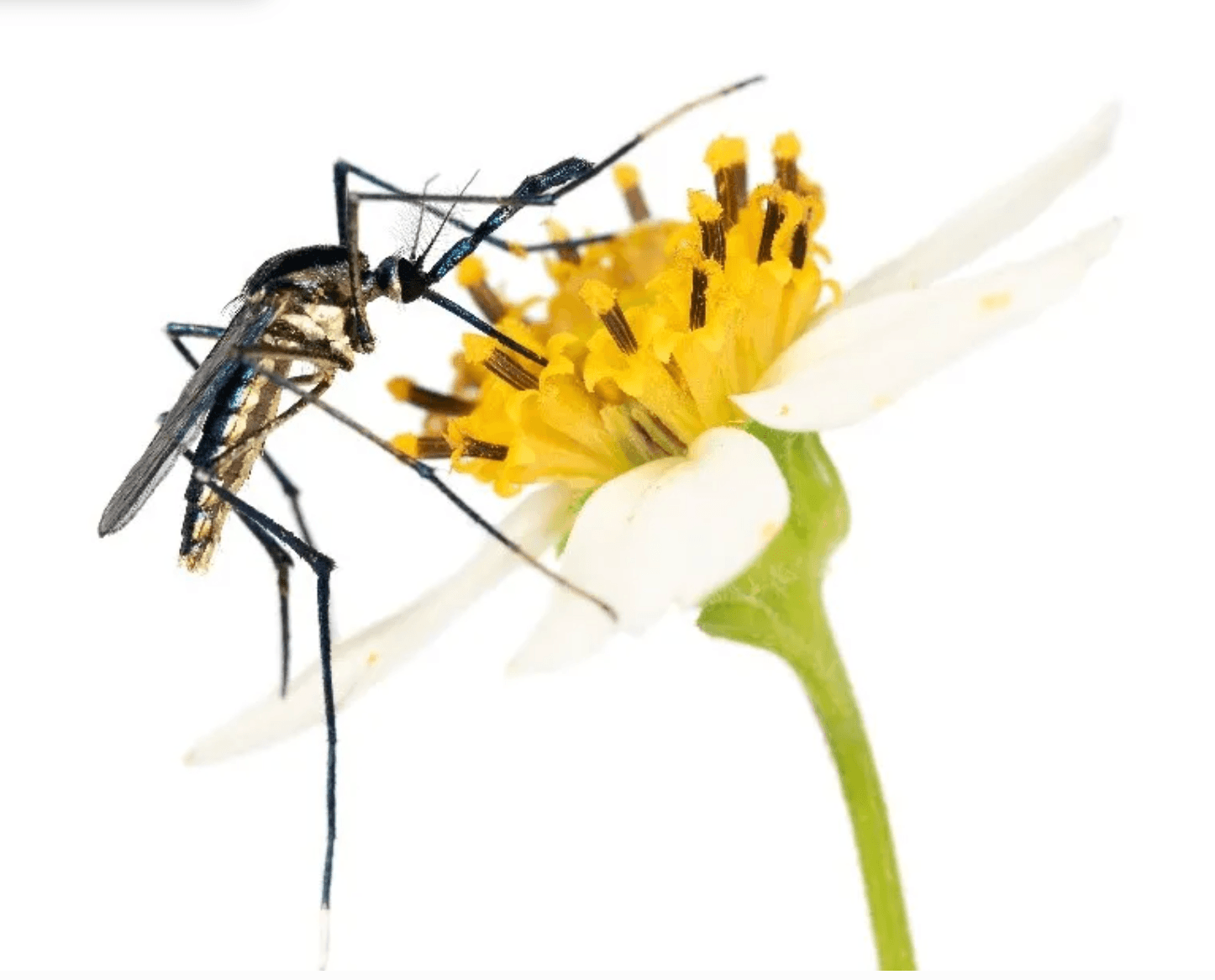
Vector-borne diseases are caused by pathogens like parasites, viruses, and bacteria, and spread to humans by a carrier—formally called a vector. Vectors are often blood-sucking organisms such as mosquitoes, ticks, and sandflies. Malaria, dengue, and Lyme are common vector-borne diseases.
More than half of the world's population is at risk of contracting vector-borne diseases, but they disproportionately affect poor populations in tropical and subtropical areas. In total, they kill more than 700,000 people each year.
Vaccinations, window screens, insecticides, and clearing stagnant water all help to prevent many of these infections. Beyond vaccination research, ongoing gene-editing work in the lab seeks to slash the transmission of vector-borne disease, possibly by rendering disease-carrying mosquitoes infertile. Other proposed solutions include infecting mosquitoes with naturally occurring bacteria called Wolbachia to either reduce specific mosquito populations entirely or block viral replication in mosquito tissues, thereby helping fight diseases including dengue, Zika, and chikungunya.
1440 Findings
Hours of research by our editors, distilled into minutes of clarity.



Explore Health & Medicine
Indulge your curiosity, from the inner workings of our bodies and minds to the latest in medical research and treatments, all aimed at enhancing your understanding of health, wellness, and medicine. Our resources are meticulously curated to offer precise and pertinent information to anyone interested in learning more about the medical sciences.