Overview

Fungi are nature's decomposers, recycling ecosystem nutrients. Distinct from plants and animals, fungi are everywhere on Earth, including the water, soil, air, and our bodies.

1440 Findings

Hours of research by our editors, distilled into minutes of clarity.

  • Most fungal pathogens can't survive the heat of our bodies

    Fungal pathogens typically struggle to survive human body temperatures, but researchers hypothesize that global warming conditions will force fungi to adapt to hotter temperatures, with implications for their ability to also survive within our bodies. That type of evolutionary adaptation would lead to more dire health threats for humans.

  • Fungal diseases cost the US around $19B annually

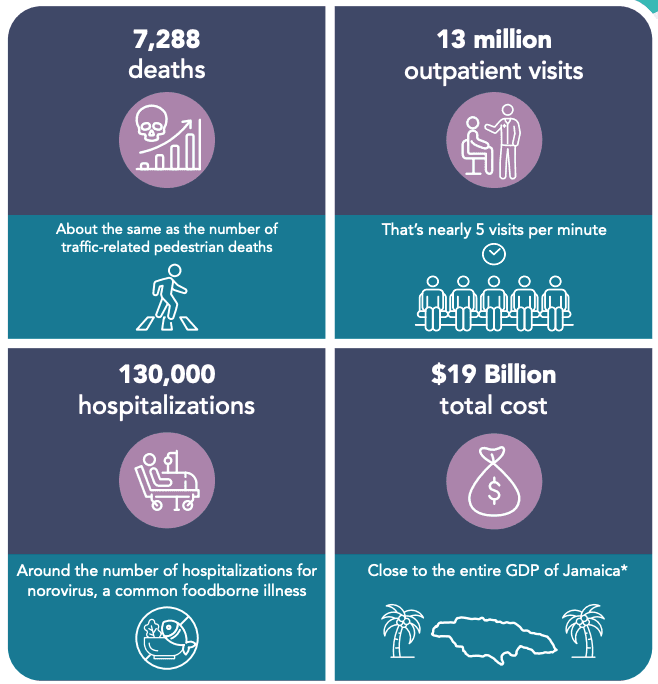
    Estimates derived from health insurance claims, death certificates, and hospitalization data suggest that fungus is a significant medical issue. Each year, fungal diseases kill some 7,300 people—roughly the same number of deaths attributed to motor vehicles striking pedestrians. Around 130,000 people are hospitalized with fungal diseases, and the total national cost from fungal diseases is estimated to be about $19B—a figure that roughly matches Jamaica's entire gross domestic product.

  • 19 fungal pathogens are of key concern to world health officials

    In 2022, this global health body issued its first-ever list of top fungal threats to human health. It said fungal threats are spreading and occurring more frequently. The WHO’s list included 19 fungal pathogens to watch, and said that the most dangerous ones to public health are Cryptococcus neoformans, Aspergillus fumigatus, Candida albicans, and Candida auris. There are only a handful of classes of medication currently available to combat fungal pathogens, with few others in the pipeline even though antimicrobial resistance is growing.

  • Cryptococcus neoformans, a growing threat, causes infections in the brain and lungs

    This inhalable, microscopic pathogen is found worldwide. It rarely causes illness, but it can take root in those with compromised immune systems, including people with advanced HIV/AIDS. Symptoms of cryptococcal infection—such as a stiff neck, vomiting, and confusion—can begin weeks or months after breathing in spores, though sometimes symptoms won’t appear for years. There are no known cases of transmission between people or between people and animals.

  • Most people breathe fungal spores daily without getting sick

    Most people breathe in hundreds of Aspergillus fumigatus spores daily without getting sick—it’s a common microscopic fungus in our environment. But people who are severely ill, including those who have undergone an organ transplant, are at risk of developing infections from these spores.

  • Candida auris spreads easily in healthcare facilities and causes high death rates

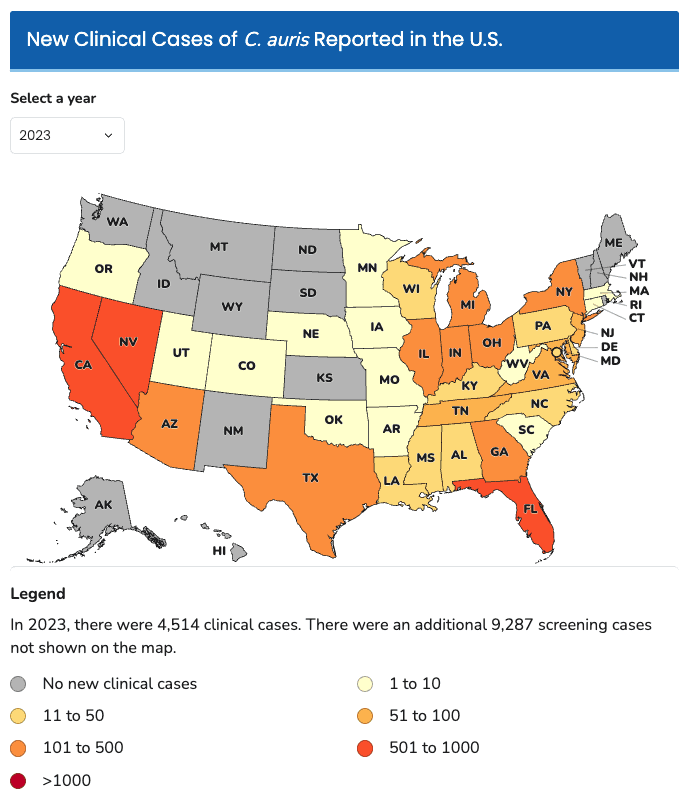
    This fungus has spread rapidly in healthcare settings since the first US case was reported in 2016, and it has grown increasingly resistant to echinocandins, the antifungal medicine most commonly used to treat it. Often, it’s resistant to multiple antifungal drugs, contributing to its high death toll. It can most readily infect those with invasive medical devices like intravenous catheters and those with frequent or long-duration stays in healthcare facilities.

  • Fungi make people sick when they invade and survive in otherwise healthy human tissue

    We breathe in airborne spores frequently, but they often don't make us sick. This video details how certain concerning fungal changes can occur and discusses the role of mycologists—scientists who study fungi—in helping to improve human health.

  • Hit show 'The Last of Us' was based on the real-life Cordyceps fungus

    Though it depicted a fictional world with a collapsed society due to a fungal pandemic, this television series (based on an earlier video game) helped raise awareness about fungal threats. It even prompted the US Centers for Disease Control and Prevention to publicly comment on it—clarifying the show’s plausibility. The mind-controlling fungal species in the show is based on a real-life Cordyceps species, a fungus that modifies its host’s behavior before killing it.

Explore Health & Medicine

Discover a broad spectrum of topics, from fundamental anatomy to the latest in medical research and treatments, all aimed at enhancing your understanding of health, wellness, and our bodies. Our resources are meticulously curated to offer precise and pertinent information to students, professionals, and anyone interested in learning more about the medical sciences. Dive in to stay informed, make well-informed health decisions, and explore the intriguing world of medicine.

View All Health & Medicine