Posted by
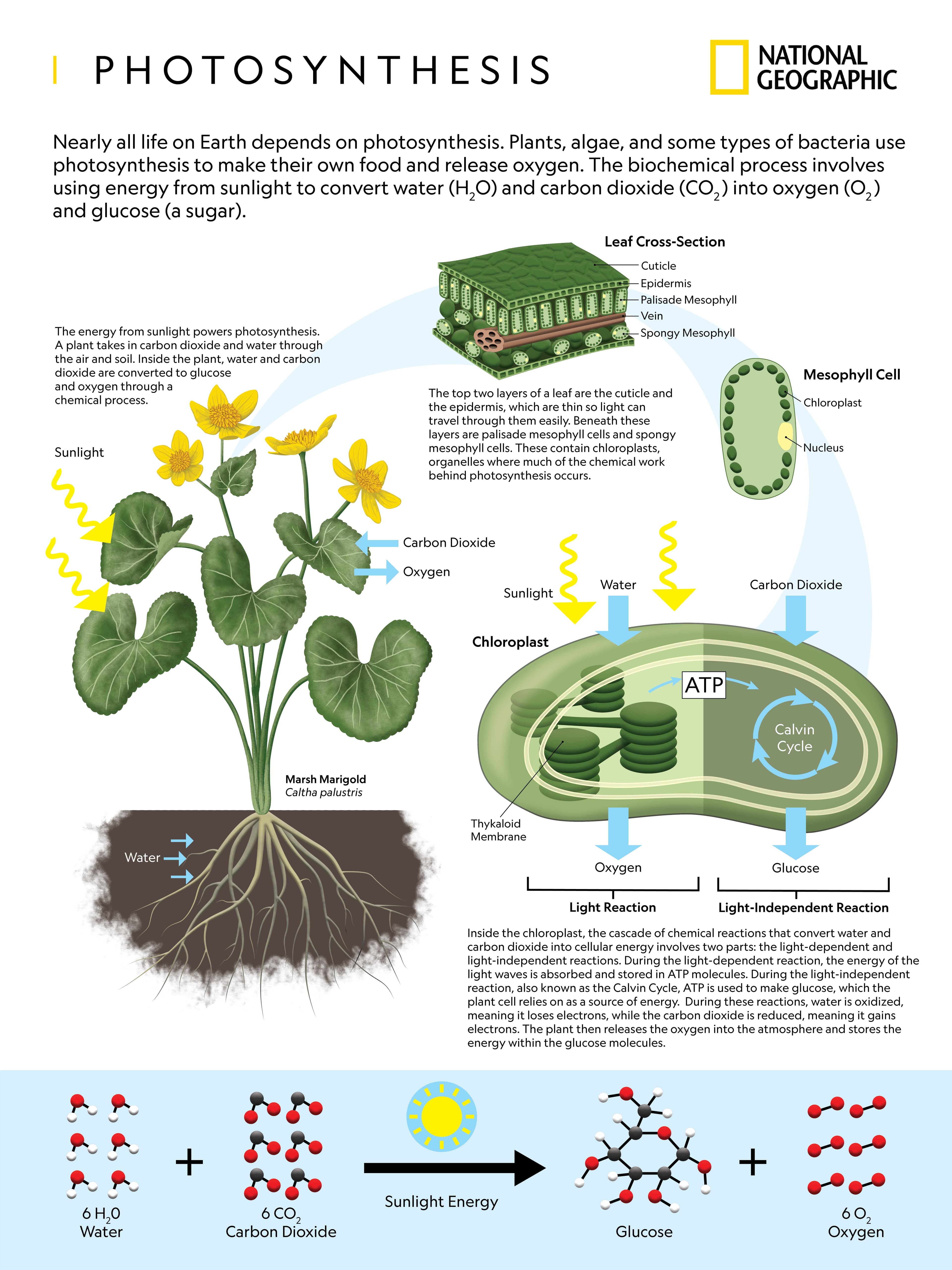
Red light therapy—a treatment harnessing a specific form of energy that penetrates the top layers of skin—is marketed for skincare and wellness, but has its roots in NASA plant growth research.
Findings
Additional insights we found via Health vs. Hype
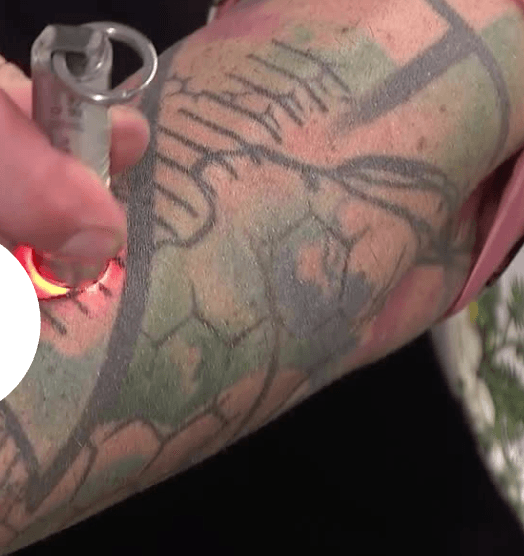
Red light refers to light at 630 to 700 nanometers, which penetrates the top layers of skin, but does not travel deeper into the body.
A dermatologist interviewed on this podcast produced by the American Medical Association explains that when red light hits the skin, it can improve mitochondrial efficiency to boost energy, reduce inflammation, and promote the release of nitric oxide, which helps dilate blood vessels.
Red light therapy may also help activate genes that produce collagen and elastin, potentially promoting skin health.
Much of the research on red light therapy has focused on treating a painful side effect of chemotherapy called mucositis, which is inflammation in the mouth and throat. Red light therapy can help alleviate that symptom by reducing swelling and helping promote healing. However, red light therapy may not work for other inflammatory conditions, such as psoriasis or arthritis, and research on broader inflammation applications remains limited.
Red light therapy masks won't penetrate deep enough to address joint inflammation or nervous system issues.
Blue light, which targets the very top layer of the skin, targets molecules that are made by the bacteria that cause acne on the skin, called porphyrins. The light helps produce substances toxic to the bacteria, thereby reducing acne.
Small studies suggest red light may also help treat acne, but rigorous studies are lacking.
Similar Posts
Showing 1440 posts similar to “Red light therapy—a treatment harnessing a specific form of energy that penetrates the top layers of skin—is marketed for skincare and wellness, but has its roots in NASA plant growth research.”
















You've reached the end.