Society & Culture

Art, music, sports, entertainment, movies, and many other subjects—these elements define who we are as a society and how we express ourselves as a culture. Take a deep dive into the topics shaping our shared norms, values, institutions, and more.

1440 Findings

Hours of research by our editors, distilled into minutes of clarity.

  • New Year's Eve

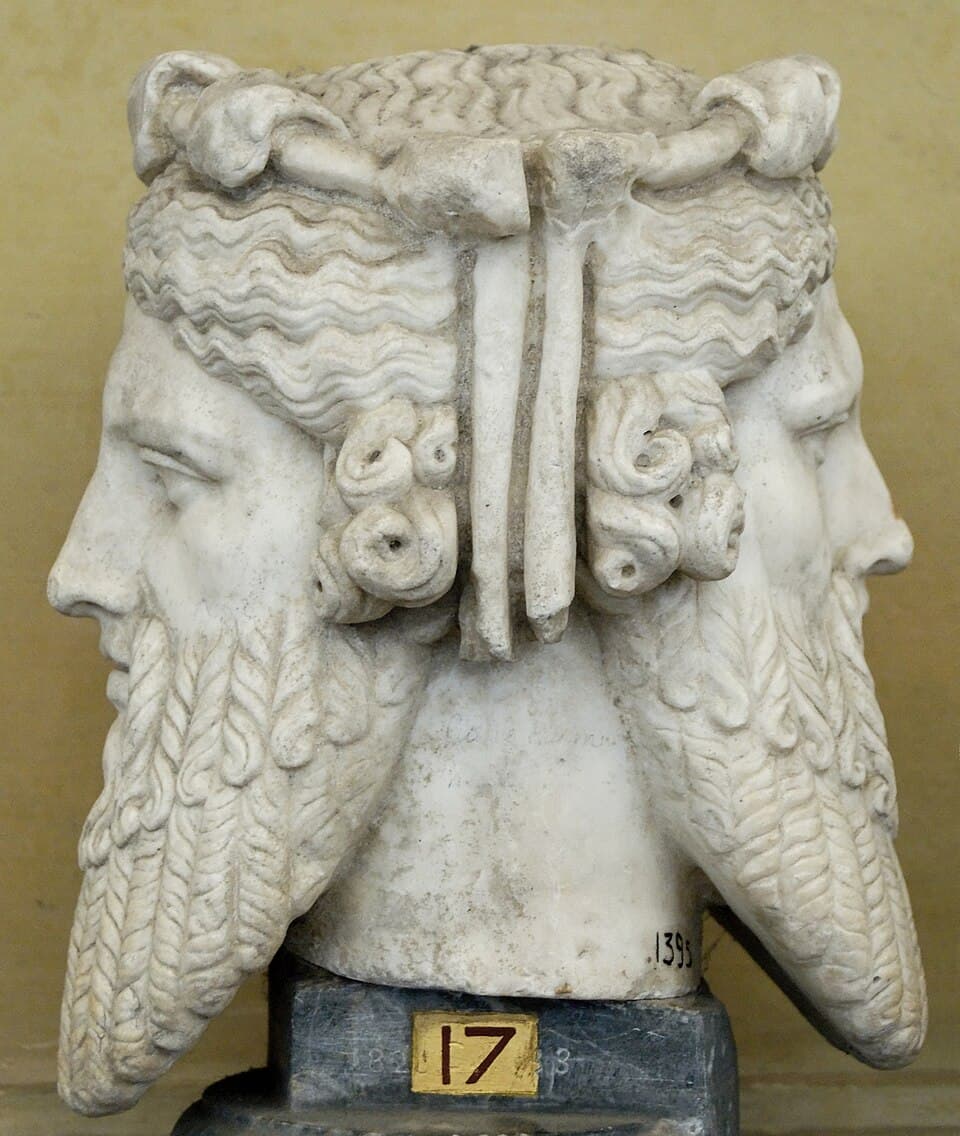
    January is named after Janus, the Roman god of transitions

    In 46 BCE, Julius Caesar introduced the Julian calendar, which established Jan. 1 as the beginning of the new year. The month was named after Janus, the Roman god of transitions, who had two faces—one looking back at the past, the other forward to the future. While the Babylonians also made promises as part of their celebration of the new year, the Roman tradition became more focused on looking backwards to plan for the coming year.
  • Satire

    Kurt Vonnegut's satire embraced dark humor

    Books like "Cat’s Cradle" and "Slaughterhouse Five" satirized the international appetite for war, which the 20th-century writer found both horrifying and hilarious. It’s a combination that some called “gallows humor,” a classification Vonnegut himself remembered Sigmund Freud describing. “One of the examples Freud gives is a man about to be hanged,” Vonnegut once recalled, “and the hangman says, ‘Do you have anything to say?’ The condemned man replies, ‘Not at this time.’”

  • Satire

    Satirists sometimes use ironic personas

    Satirists often embody a character to mock the kind of person who would believe what they argue are ridiculous ideas. One famous example was Stephen Colbert on “The Colbert Report,” who satirized right-wing pundits like Bill O’Reilly through a bombastic persona. When O’Reilly asked whether that meant he was owed money, Colbert responded with more satire: “There’s a difference between imitation and emulation … If you imitate someone, you owe them a royalty check. If you emulate them, you don’t.”

  • Yoga

    Bikram Choudhury's abuse dismantled his yoga empire

    The guru popularized a form of hot yoga that followed a 26-point script. In the process, he became incredibly wealthy and ostentatious. In the early 2010s, formal accusations against him began, ranging from harassment to rape. He fled the US in 2017 to avoid paying his former lawyer a sexual harassment settlement. In the US, the "Bikram yoga" style has been divorced from its namesake but is still practiced, often as "hot yoga." Bikram still teaches yoga outside the country.

Next page