Phantom Limbs
Overview
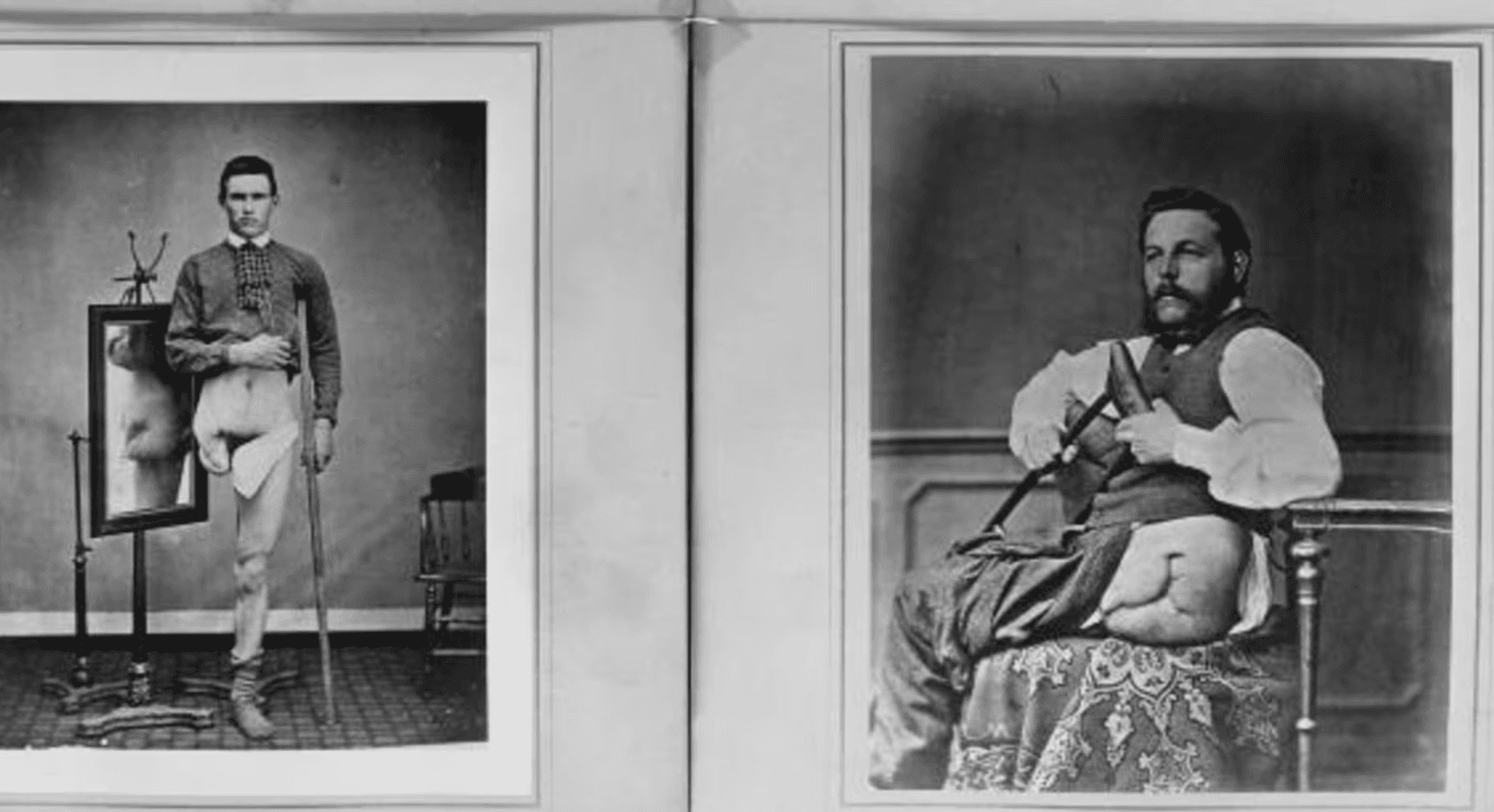
Phantom limbs are vivid, varied sensations that people may feel in body parts that are no longer present. Experienced by the majority of amputees, these errant feelings are subjective and may feel uncomfortable, itch, or cause pain. Though most commonly used to describe amputees' missing limbs, the term can also describe other missing body parts, including breasts after a mastectomy, missing teeth, and more.
First documented in the 16th century by a French clinician to describe the feeling that amputated limbs were still attached, the concept became more mainstream following a fictional story in The Atlantic written by a Civil War surgeon.
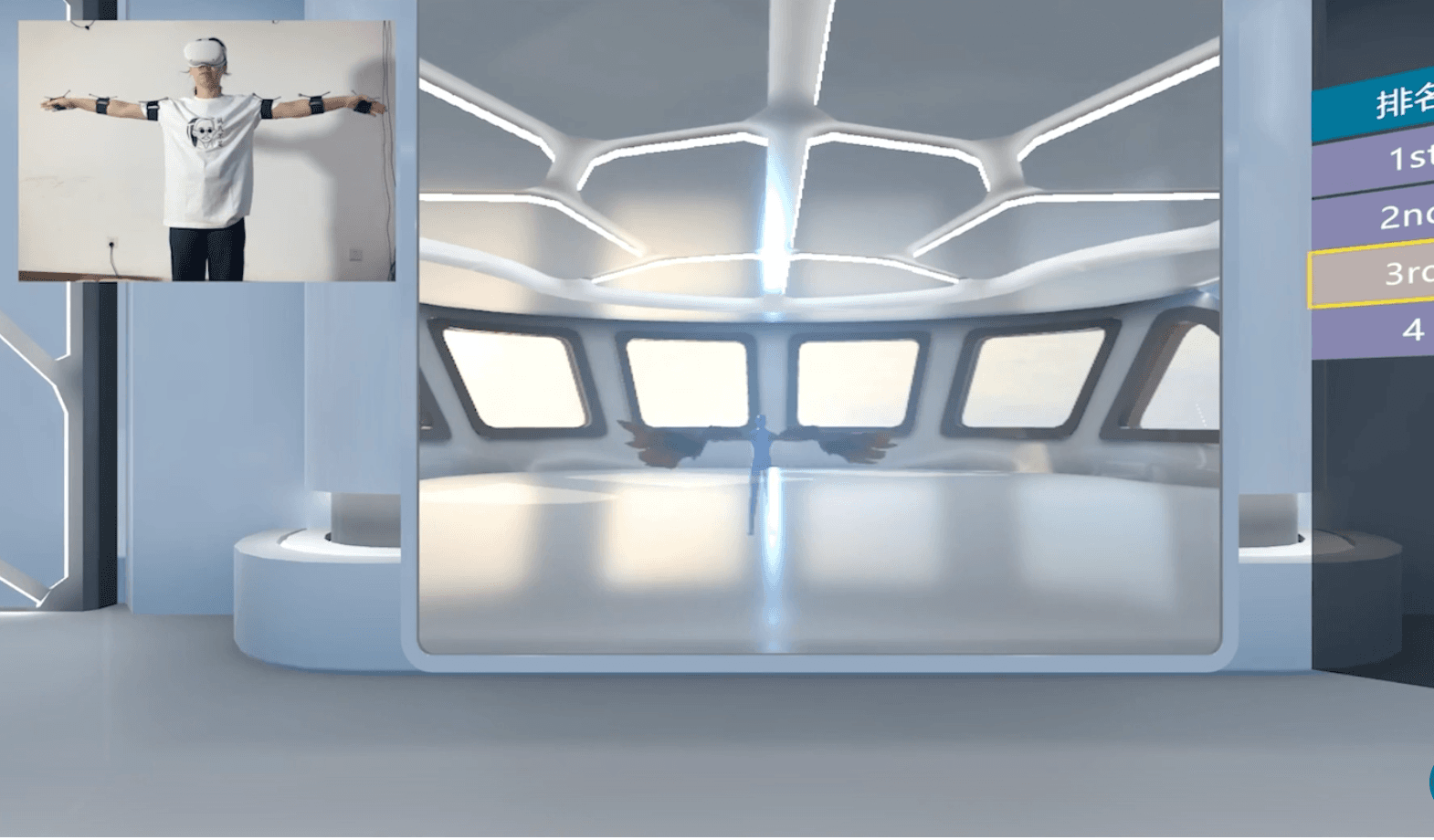
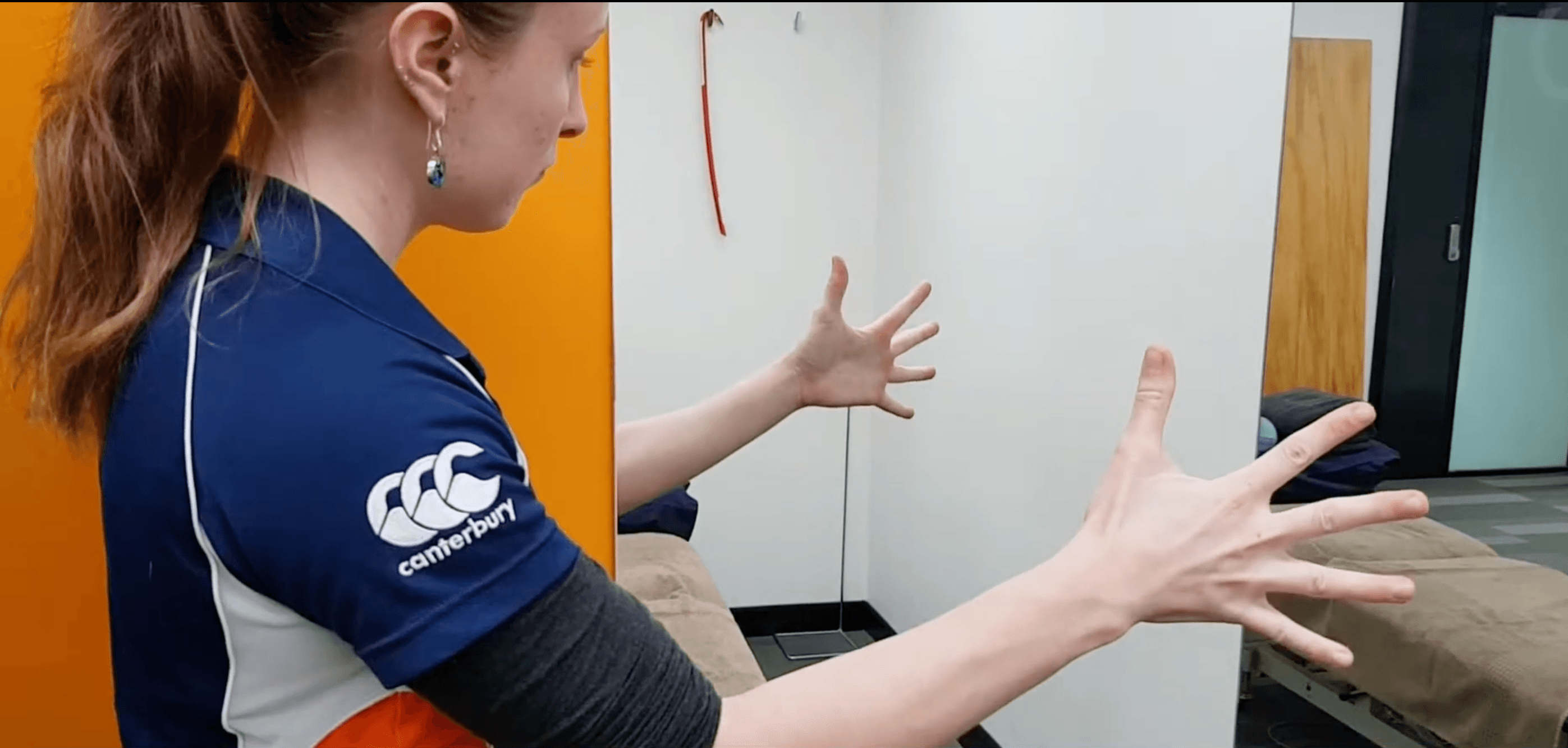
Researchers' understanding of why this phenomenon occurs is still evolving, with investigations spanning the brain and central nervous system and beyond into the peripheral nervous system. But one major way phantom pain is treated is with mirror box therapy, developed in the 1990s—essentially tricking the brain into thinking a still-attached limb is the missing one, and then moving the still-present limb in ways that may alleviate the uncomfortable or painful sensations. Virtual reality treatments that similarly trick the brain into thinking the missing limb is present and movable are also garnering increasing attention.
1440 Findings
Hours of research by our editors, distilled into minutes of clarity.









Explore Health & Medicine
Indulge your curiosity, from the inner workings of our bodies and minds to the latest in medical research and treatments, all aimed at enhancing your understanding of health, wellness, and medicine. Our resources are meticulously curated to offer precise and pertinent information to anyone interested in learning more about the medical sciences.