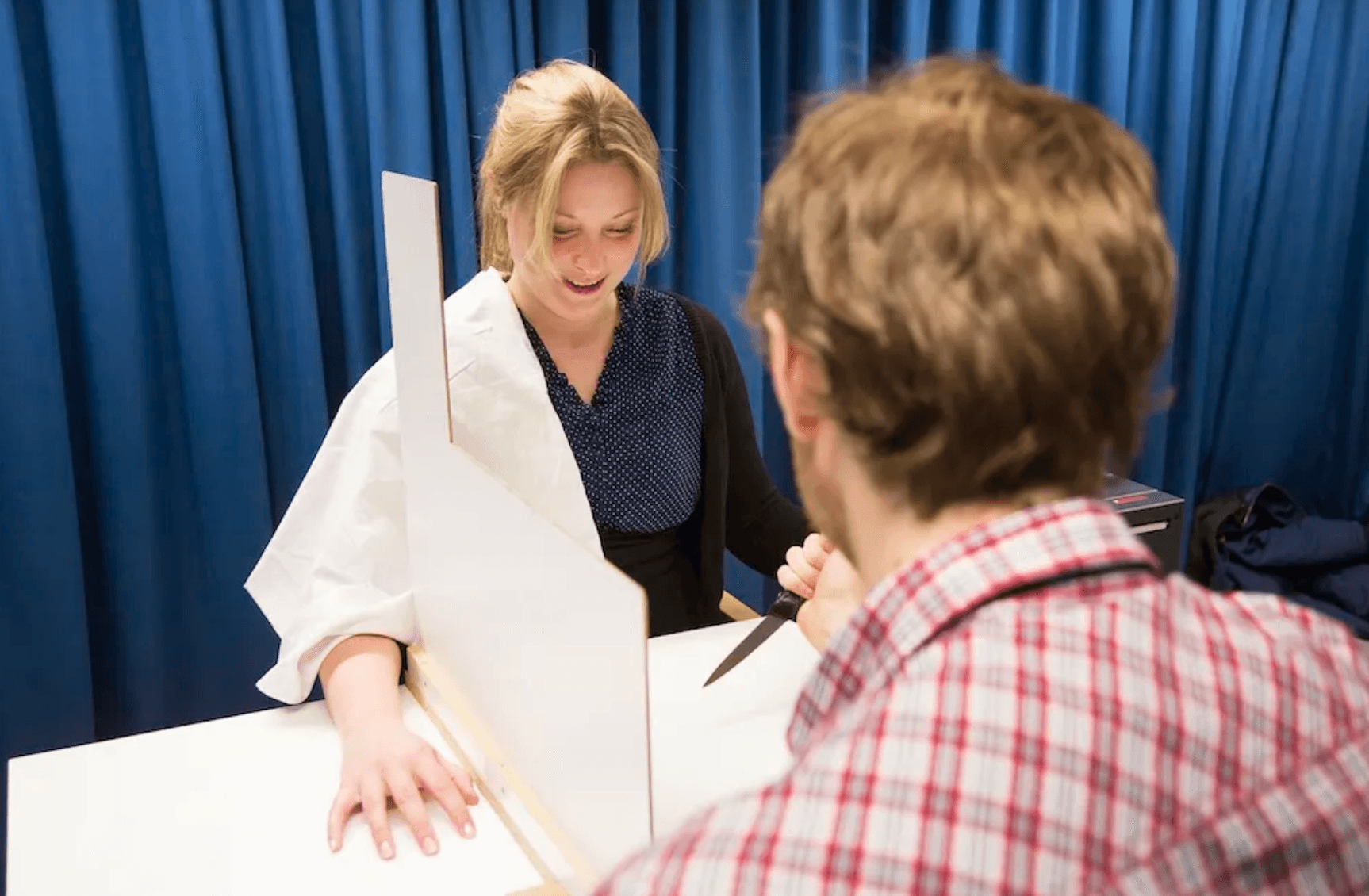
Posted by Dina Fine MaronJun 10Nonamputees can be tricked into thinking they have phantom limbs with rubber arm experiments.Show 4 more findings ZoomEven Non-Amputees Can Feel a Phantom LimbLive Sciencehttps://www.livescience.com/28694-non-amputees-feel-phantom-limb.html
Posted by Dina Fine MaronJun 10Phantom limbs aren't just limited to limbs—there are phantom breasts, teeth, and more, and these sensations are often painful.Show 2 more findings 1:582-Minute Neuroscience: Phantom LimbNeuroscientifically Challengedhttps://www.youtube.com/watch?v=GYxksqaLBxc
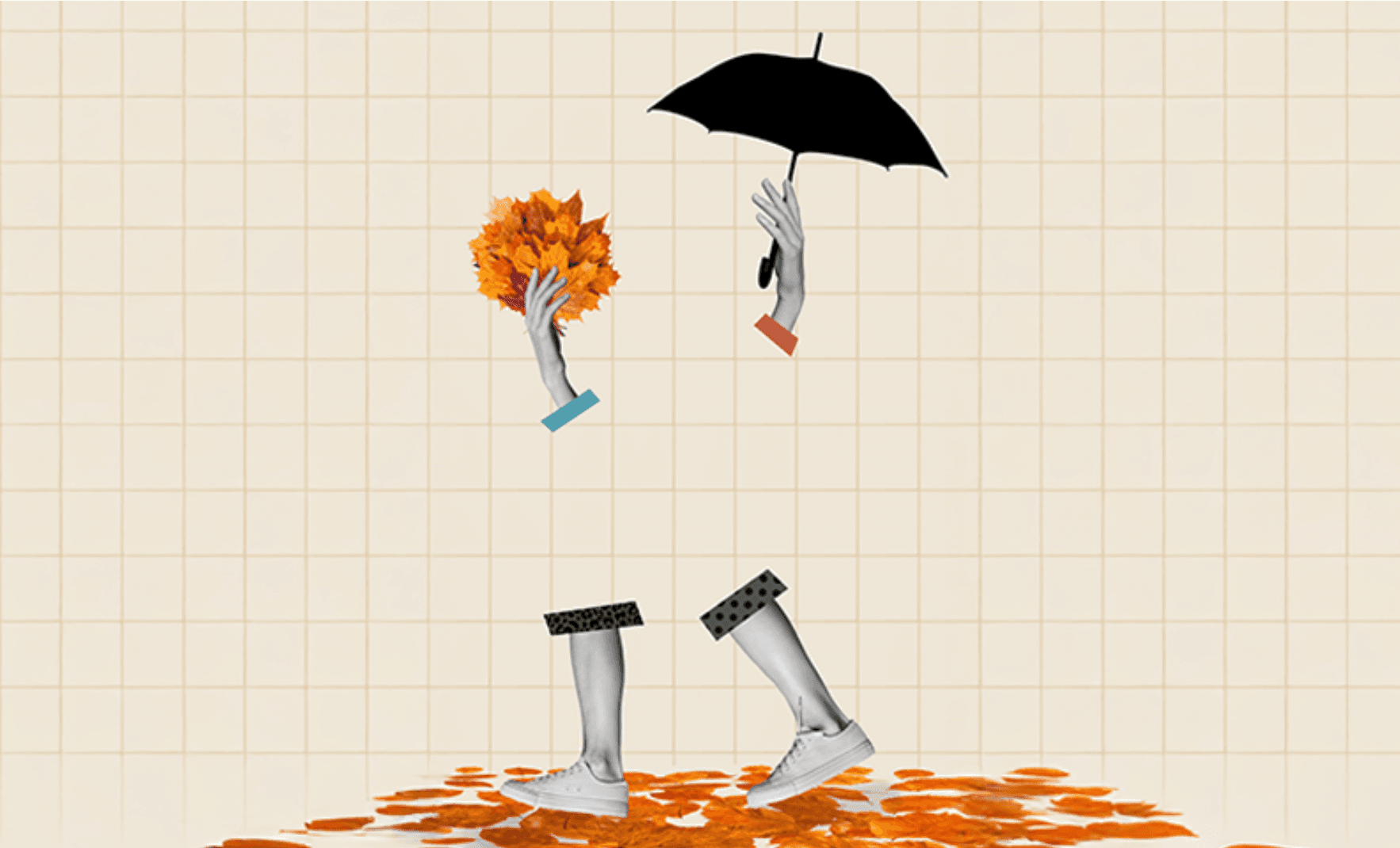
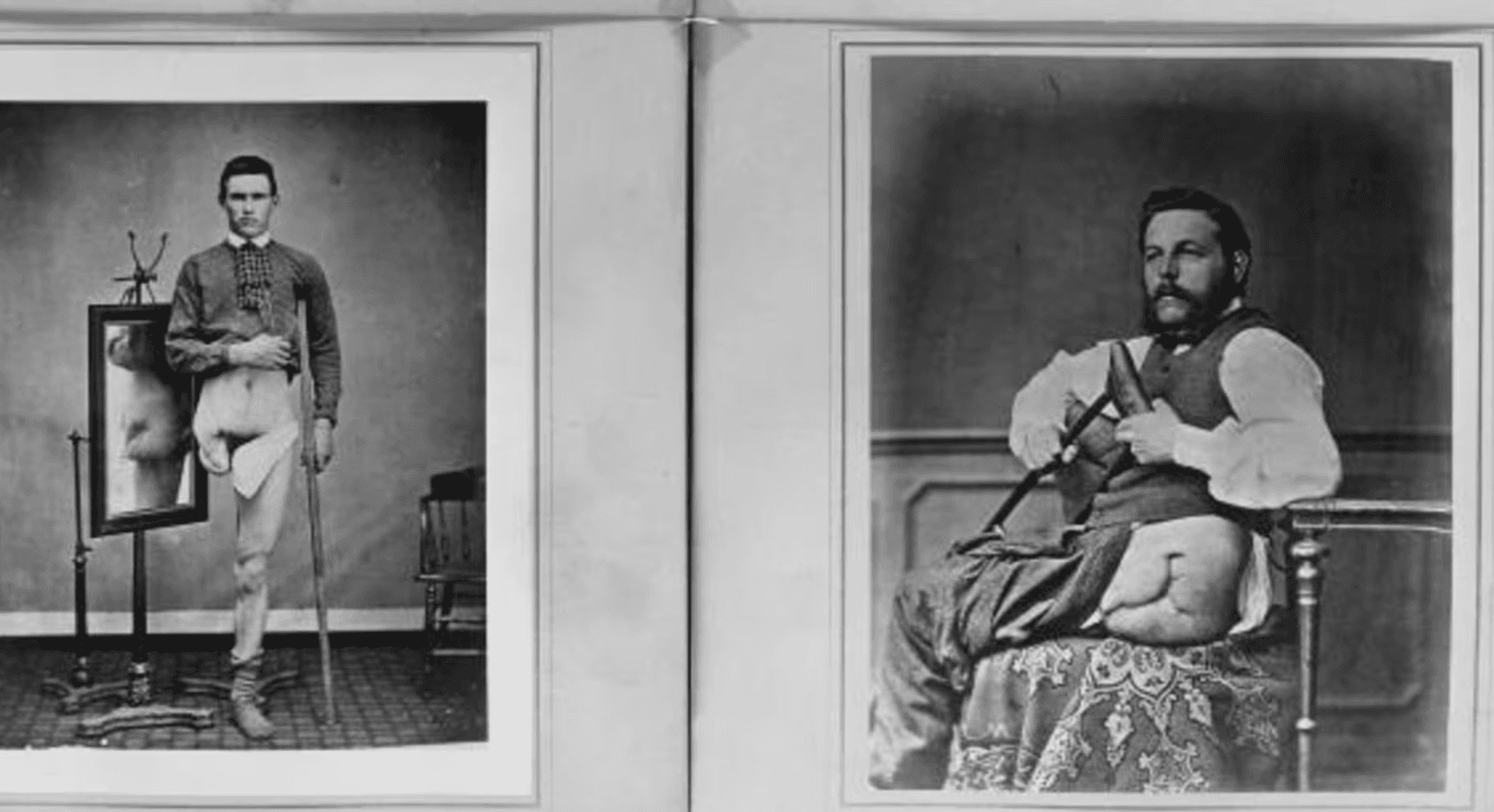
Posted by Dina Fine MaronJun 10The concept of phantom limbs, the perception that amputated limbs are still present, dates back to a French military surgeon in the 16th century.Show 2 more findings ZoomNautilushttps://nautil.us/how-phantom-limb-tricks-us-1233795
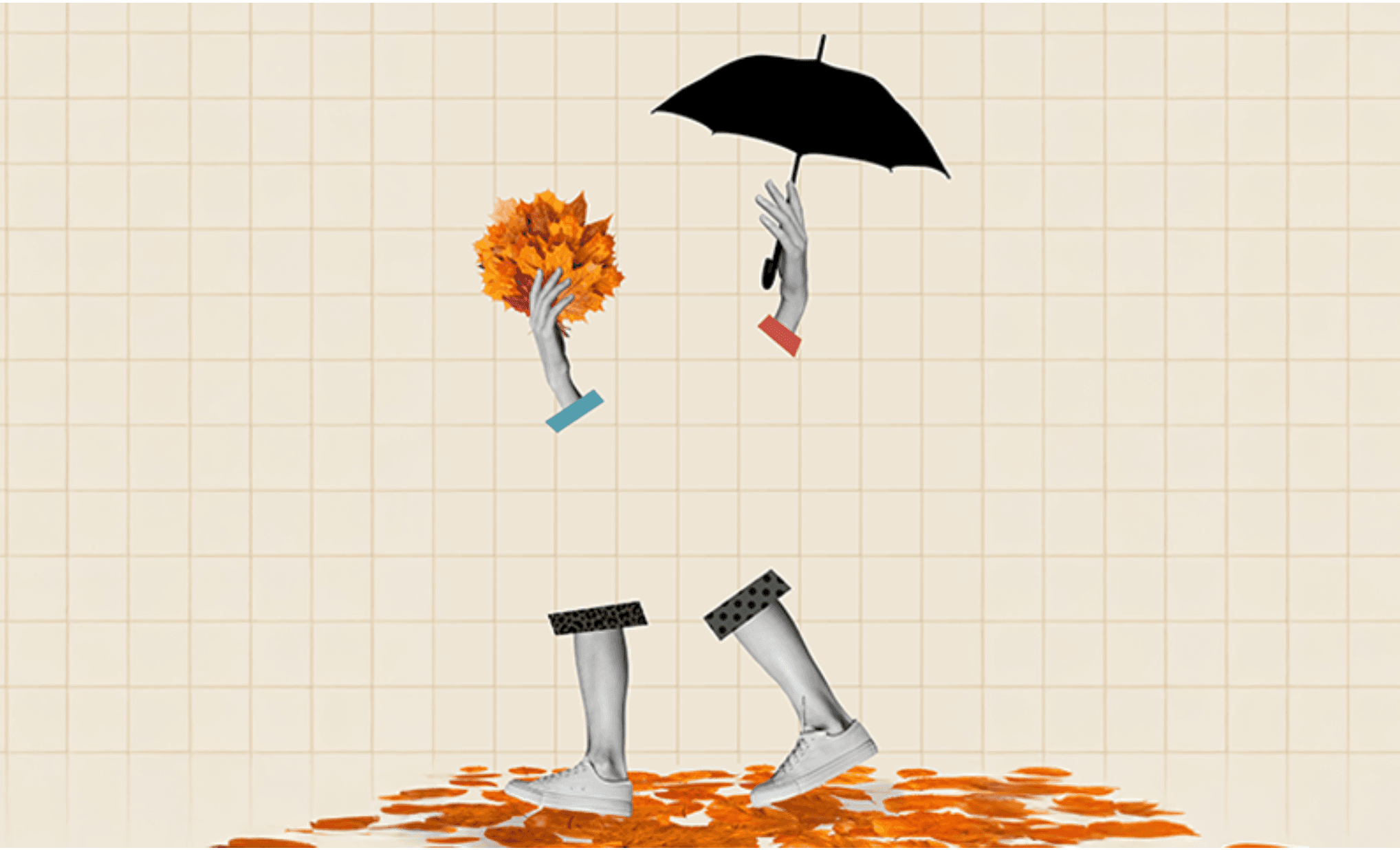
Posted by Dina Fine MaronMay 14The concept of phantom limbs, the perception that amputated limbs are still present, dates back to a French military surgeon in the 16th century.Show 2 more findings ZoomThe Source of Phantom Limb ExplainedNautilushttps://nautil.us/how-phantom-limb-tricks-us-1233795?giftLink=fe5ded36ec8bf6c2e6203d0df71f684d
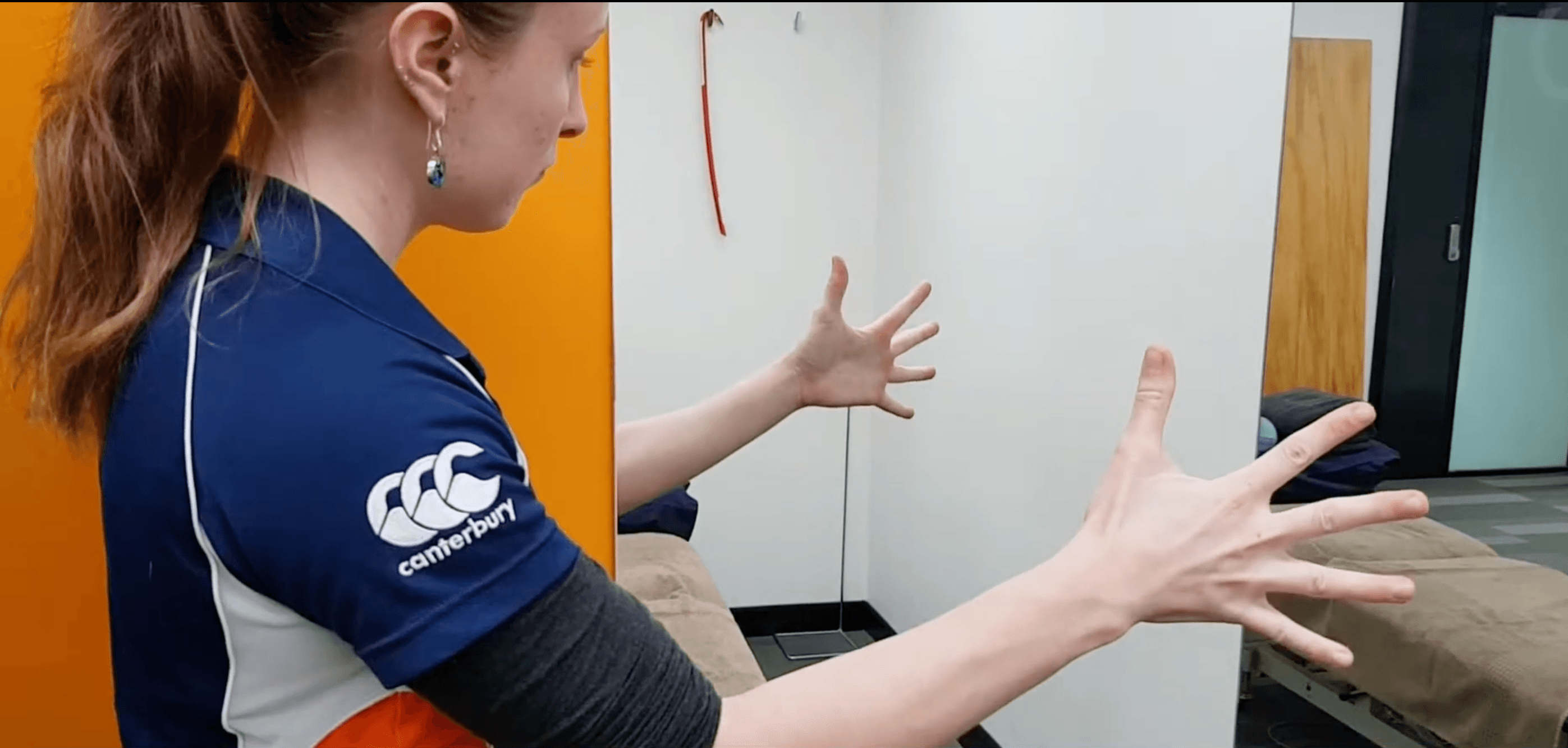
Posted by Dina Fine MaronJun 10Phantom limb pain may often match the pain or contortion of the injury that led to the limb loss.Show 2 more findings 36:37Control Pain & Heal Faster With Your Brain | Huberman Lab EssentialsHuberman Labhttps://www.youtube.com/watch?v=SjPJn4QP0dk
Posted by Dina Fine MaronJun 10Learn how a doctor successfully treated a patient's phantom limb pain with a mirror, tricking his brain into thinking his still-present arm was the missing paralyzed left one.Show 3 more findings ZoomWhere Am I? - TranscriptRadiolabhttps://radiolab.org/podcast/91524-where-am-i/transcript
Posted by Marco Daniel MachadoOct 6, 2025Research suggests the brain maintains connections to lost limbsDecades-old research suggested brain reorganization after amputations, but brain scans show unchanged limb representations. Phantom limb pain may result from such unchanged brain maps, which may enhance prosthetic limb control in brain-computer interface technology.In the brain, a lost limb is never really goneNPRhttps://www.npr.org/sections/shots-health-news/2025/08/27/nx-s1-5515601/brain-map-lost-limb-amputee-plasticity
Posted by Dina Fine MaronMay 14Recent research found that the brain doesn't seem to massively rewire following amputation—upending earlier beliefs about the cause of phantom limb pain.Show 3 more findings ZoomScientists have been wrong about phantom limbs for decades – new studyThe Conversationhttps://theconversation.com/scientists-have-been-wrong-about-phantom-limbs-for-decades-new-study-263547
Posted by Dina Fine MaronNov 9, 2011Read the 1866 story in The Atlantic that put phantom limbs on the map, a fictional story by a Civil War surgeon that was mistaken for being a true account by many readers.Show 2 more findings ZoomThe Case of George DedlowThe Atlantichttps://www.theatlantic.com/magazine/archive/1866/07/the-case-of-george-dedlow/308771/
Posted by Dina Fine MaronJun 10Readers thought the fictional Civil War vet George Dedlow, a character suffering from phantom limb pain in an 1866 story in The Atlantic, was real—and sent donations and stopped by the hospital to meet him.Show 1 more finding ZoomThe Civil War Doctor Who Proved Phantom Limb Pain Was Real | HISTORYHISTORYhttps://www.history.com/articles/the-civil-war-doctor-who-proved-phantom-limb-pain-was-real
Posted by Marco Daniel MachadoApr 22, 2024Mind-controlled bionic arms use nerve implants to restore sensation and movementUnlike traditional prosthetics that rely on surface electrodes or mechanical parts, this system uses implanted titanium and nerve-connected electrodes to enable a seamless brain-to-arm connection. Patients train in virtual reality with their implanted signals before using the physical prosthesis. 9:34How Mind-Controlled Bionic Arms Fuse To The Body | WIREDWIREDhttps://www.youtube.com/watch?v=Ipw_2A2T_wg
Posted by Dina Fine MaronJun 10Hear about life as an amputee and how mirror box therapy helped.Palliative care physician BJ Miller describes his phantom limb pain and itching after losing both legs and half an arm in an accident. Mirror box therapy eventually helped him, alongside physical therapy. This podcast also features neuroscientist VS Ramachandran who explains how he developed mirror box therapy in the 1990s.Special Bonus: Physician BJ Miller’s Recovery from Phantom Limb PainBrain and Lifehttps://www.brainandlife.org/podcast/physician-bj-millers-recovery-from-phantom-limb-pain
Posted by Dina Fine MaronMar 24Brain-reading devices are helping paralyzed people to touchIn clinical trials, implanted brain-computer interfaces are allowing dozens of individuals with paralysis to control prosthetics that are restoring a range of skills, including drinking coffee and feeding oneself. One area of related prosthetic research is creating a synthetic sense of touch—coupling the brain implant with pressure sensors in prosthetic robotic fingertips to enable an approximation of a sense of touch.Audio long read: The brain-reading devices helping paralysed people to move, talk and touchNaturehttps://open.spotify.com/episode/0QlXpmgQPFGnUoIdwhGAL1
Posted by Dina Fine MaronJun 10Listen to how bionic limbs are reshaping what it means to live as an amputee in this award-winning 2022 podcast series covering the stories of two amputees who struggled with shortcomings in prosthetic technology.Show 3 more findingsThe Prosthetic Experiencehttps://open.spotify.com/show/0lz2kKQ39NaToBwHfEiVWQ
Posted by Dina Fine MaronMay 20Amputees must navigate the challenging medical and economic aspects of limb support and replacement, but advances in technology and research may reduce these costs.Show 2 more findings40. Prosthetic LimbsThe Economics of Everyday Thingshttps://open.spotify.com/episode/0qfqBzl4bZafkYyoOAJMZg
Posted by Dina Fine MaronJun 10See what analysis of one man's amputated leg, donated to The Bone Museum, tells us about his otherwise invisible pain.Show 2 more findings 15:44He Chose to Amputate His Leg... Doctors DisagreedThe Bone Museumhttps://www.youtube.com/watch?v=yVPfC-DfHlE
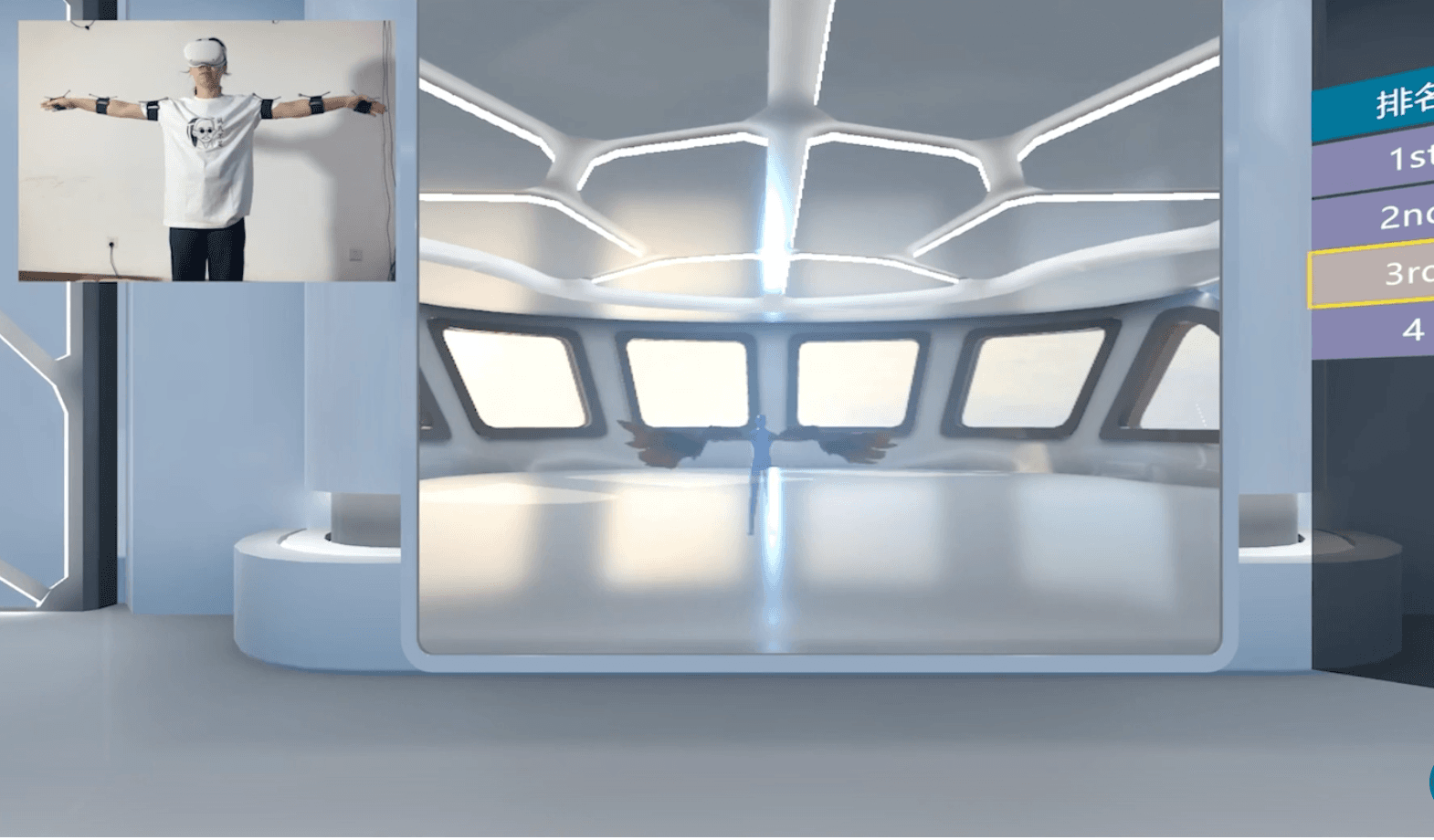
Posted by Dina Fine MaronMay 14After 25 people used virtual reality headsets to practice flying with virtual wings—flapping their arms—their visual cortex responded to the wings almost as if they were real arms, treating them as body parts.Show 2 more findings Zoom25 people learned to fly in VR. Here’s how the brain changedScience Newshttps://www.sciencenews.org/article/virtual-wings-brain-changes
Posted by Marco Daniel MachadoApr 22An essay exploring how living day-to-day with a brain implant helps restore a sense of identityCompanies like Neuralink are experimenting with volunteers who have lost control over their bodies. Many of the program's participants claim the most significant benefit from the tool is the ability to perform simple, mundane tasks, such as playing video games or shaking hands, rather than more obvious milestones like walking or eating. This essay explores what it's like, day to day, to use a brain implant.What It's Like to Live With an Experimental Brain Implant | IEEE SpectrumIEEE Spectrumhttps://spectrum.ieee.org/bci-user-experience
Posted by Dina Fine MaronJun 10Listen to an amputee describe what it was like in the aftermath of his partial foot amputation and how his chronic, extreme pain fueled his depression and his decision to attempt to alleviate the pain with the radical surgery.Show 2 more findingshttps://open.spotify.com/episode/4ENmK7wLPbPjxI9pyIhtRt
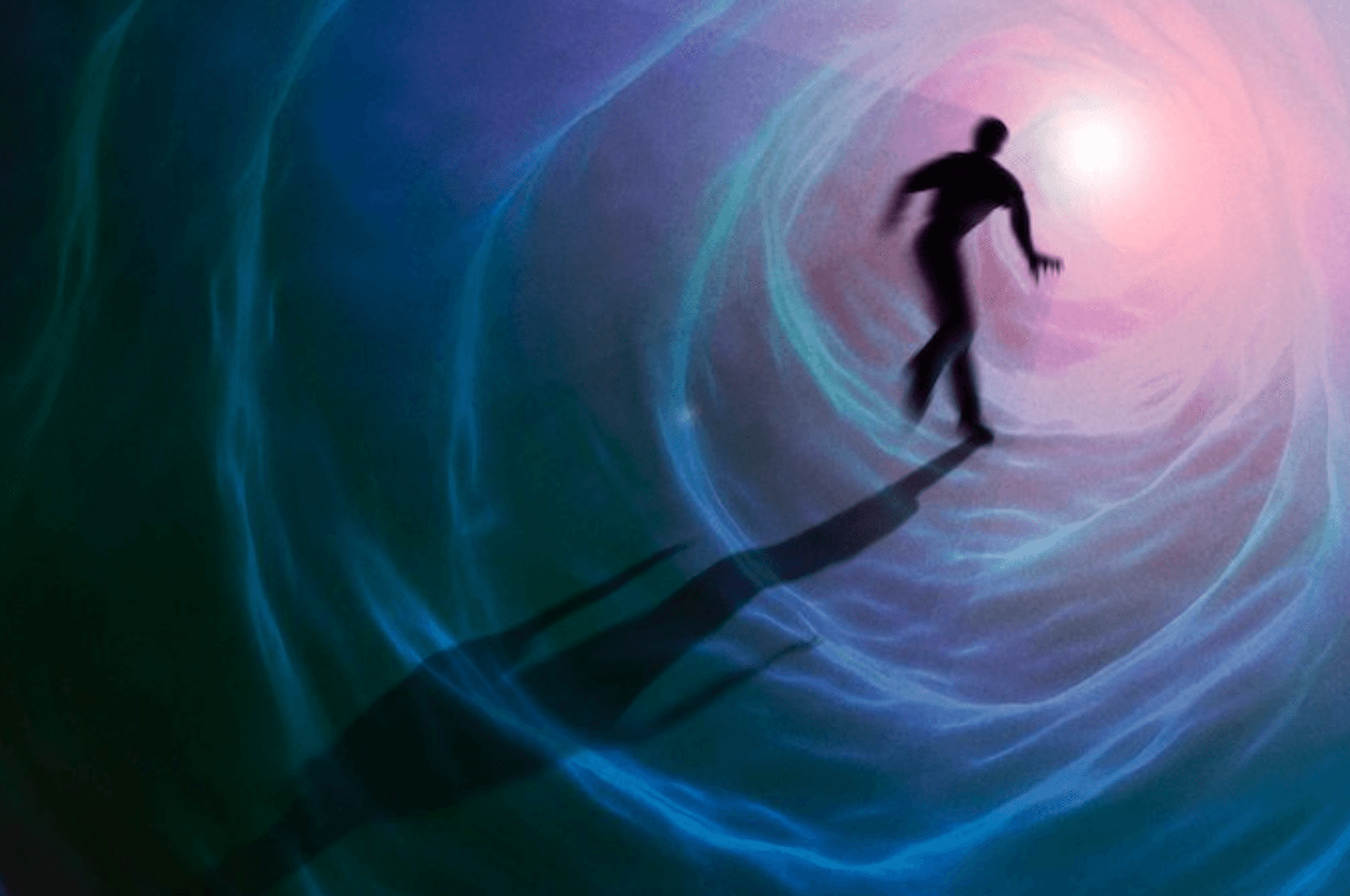
Posted by Dina Fine MaronAug 17The body's response to cardiac arrest has been linked to near-death experiences.Show 4 more findings ZoomWhat really happens during a near-death experiencePopular Sciencehttps://www.popsci.com/health/near-death-experience/
Posted by Dina Fine MaronMar 241 in 15 adults over age 40 experience phantom odorsThis phenomenon was measured in a 2018 study that examined the prevalence and risk factors for phantom odor perception. Older adults were less likely to experience these phantom odors as they age, just as their overall sense of smell declines. Women are more likely than men to perceive phantom odors.National Institute on Deafness and Other Communication Disordershttps://www.nidcd.nih.gov/news/2018/1-american-in-15-smells-odors-that-are-not-there
Posted by Teddy BurkhardtMay 17, 2024Hacking the body for a future that didn't happen Journalist Adi Robertson experimented with one of the most accessible biohacks: magnets. Having a tiny magnet in their right ring finger meant they could sense magnetic fields, attract small metal objects, and more. But magnets weaken over time, eroding this new sense. Such implants do more than offer a new way of interacting with the world, they also pose new complications, such as the inability to get an MRI. ZoomI hacked my body for a future that never cameThe Vergehttps://www.theverge.com/2017/7/21/15999544/biohacking-finger-magnet-human-augmentation-loss
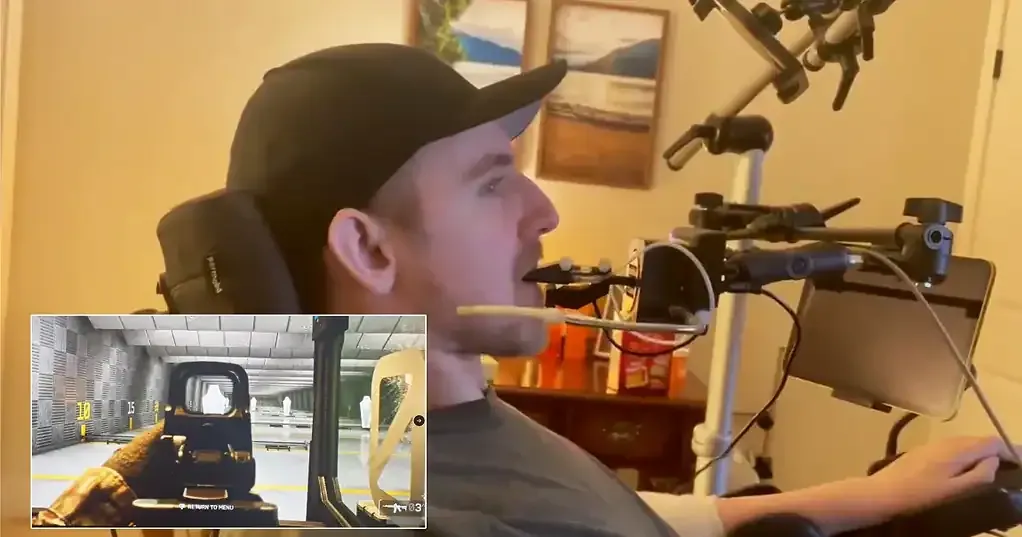
Posted by Marco Daniel MachadoMar 4Neuralink brain implants have enabled a paralyzed person to play video gamesAs one of twelve test subjects in Neuralink's PRIME study, Rob Greiner's implant translates his brain's activity into digital commands for the 'Battlefield 6' game. He can now also design 3D models and 3D-print objects using his thoughts. ZoomA Paralyzed Gamer Is Playing Battlefield Again Thanks to a Chip in His BrainZME Sciencehttps://www.zmescience.com/tech/a-paralyzed-gamer-is-playing-battlefield-again-thanks-to-a-chip-in-his-brain/
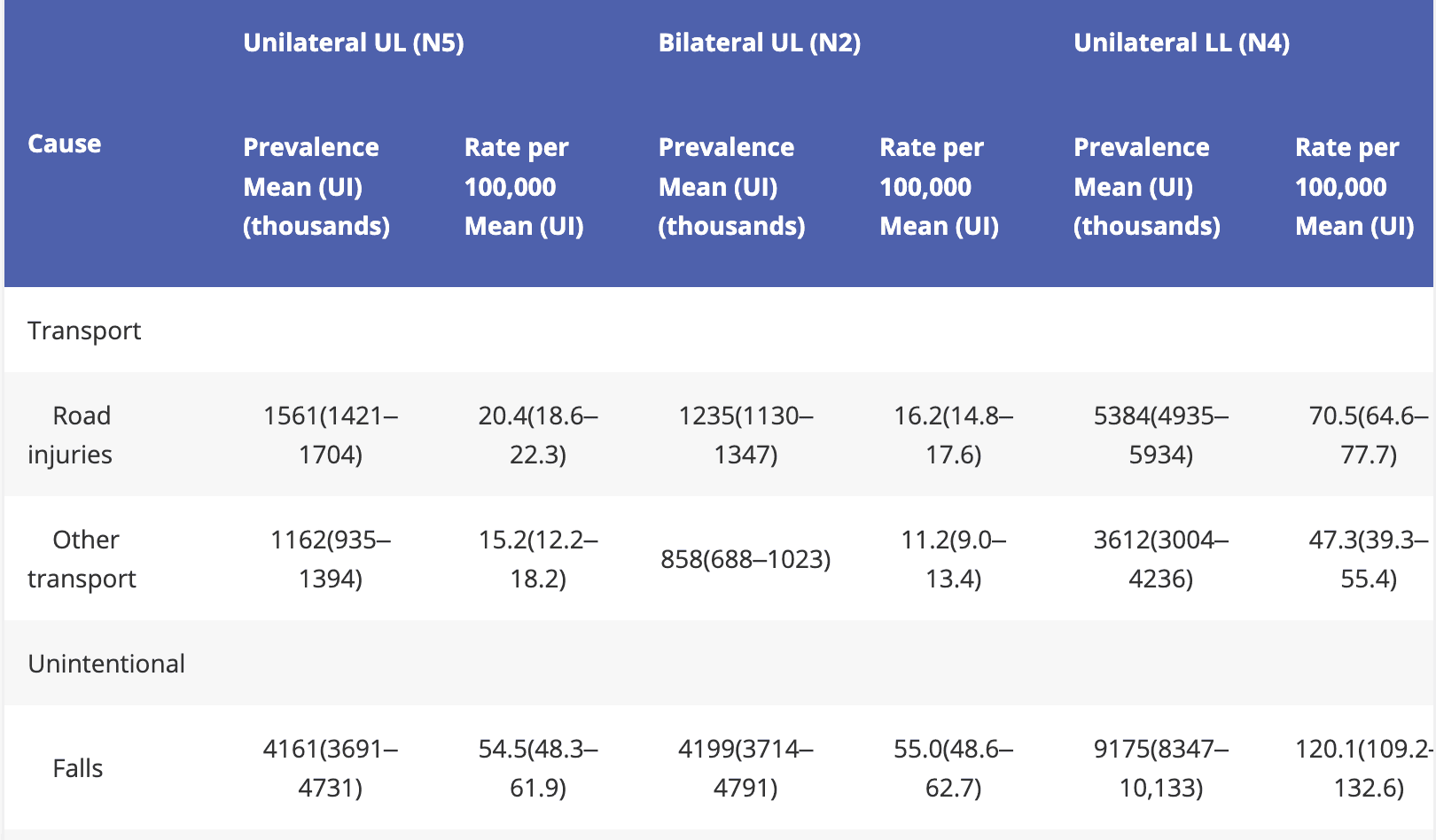
Posted by Dina Fine MaronJun 10Trauma-related amputations are primarily from falls, then car accidents and related traumas, followed by mechanical forces according to analysis based on global burden of disease data in 2017.Show 1 more finding ZoomGlobal prevalence of traumatic non-fatal limb amputationProsthetics and Orthotics Internationalhttps://www.healthdata.org/research-analysis/library/global-prevalence-traumatic-non-fatal-limb-amputation
Posted by Dina Fine MaronSep 25, 2023Some scientists argue NDEs are constructed by the brain, not actually experiencedDespite the powerful memories associated with NDEs, scientists question the idea that the experiences prove consciousness endures after death, opting instead to find physiological explanations for common reports of out-of-body experiences, euphoric and lucid thinking, and more. ZoomThe Afterlife Is in Our Headshttps://nautil.us/the-afterlife-is-in-our-heads-240441/
Posted by Dina Fine MaronMar 24We can sense touch even through a toolResearch published in 2019 indicates that the same brain regions involved in sensing touch on the body also process it when humans use a tool to do the touching. Essentially, it's acting as a sensory extension of the body. (Some users may experience a paywall.)The Brain Senses Touch beyond the BodyScientific Americanhttps://www.scientificamerican.com/article/the-brain-senses-touch-beyond-the-body/
Posted by Marco Daniel MachadoApr 25, 2024Brain implants are restoring movement and communication in early human trialsSeveral companies developing brain-computer interfaces have begun testing on humans with promising results. These implants have helped reanimate paralyzed limbs and enable communication, though ethical concerns remain about data privacy. ZoomBrain implants are here. Are they terrifying or exciting?https://the1a.org/segments/brain-implants-are-here-are-they-terrifying-or-exciting/
Posted by Dina Fine MaronMar 24Blindfolded people could identify objects by touch alone a week after encountering themThese touch memories are more complex and durable than previously thought. In research published in 2018, blindfolded volunteers touched over 150 household objects for about 10 seconds each, and afterward correctly identified the objects more than 90 percent of the time when presented with the object and a similar one. Participants still knew most of the objects a week later with about 85 percent accuracy. (Some users may experience a paywall.)A Touch to RememberScientific Americanhttps://www.scientificamerican.com/article/a-touch-to-remember/
Posted by Dina Fine MaronJan 16, 2024How does the body know where it is in space?Close your eyes and touch your nose. How did you know where your nose was? How could you tell where your hand was? That's proprioception, the sense that keeps your brain apprised of the body's position and movement. This article explains how this sense works, what happens when people don't have it, and what we know about it. ZoomThe silent “sixth” senseVoxhttps://www.vox.com/the-highlight/2019/11/22/20920762/proprioception-sixth-sense
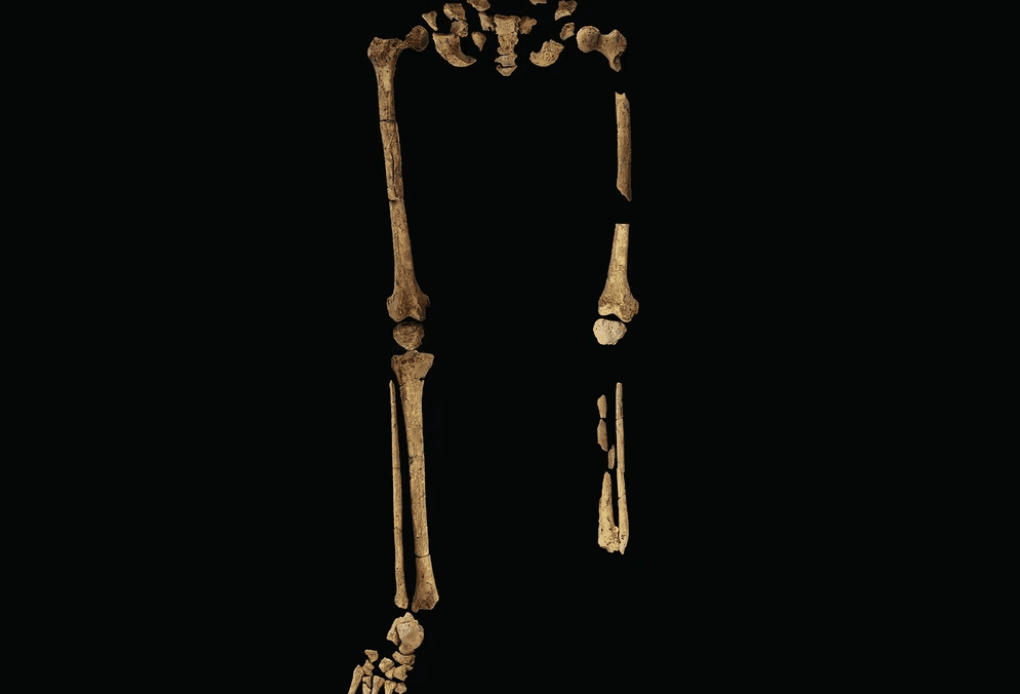
Posted by Dina Fine MaronJun 10Prehistoric hunter-gatherers performed amputations and appear to have provided post-op care, according to analysis of a recent fossil discovery from almost 31,000 years ago.Show 3 more findings ZoomEarliest Known Amputation Was Performed in Borneo 31,000 Years AgoSmithsonian Magazinehttps://www.smithsonianmag.com/science-nature/earliest-known-amputation-was-performed-in-borneo-31000-years-ago-180980710/
Posted by Dina Fine MaronJun 10An experimental bionic knee has been directly integrated into the user's muscle and bone—not an external socket—marking a significant prosthetic advancement.Show 1 more finding ZoomA bionic knee integrated into tissue can restore natural movementMassachusetts Institute of Technologyhttps://news.mit.edu/2025/bionic-knee-integrated-into-tissue-can-restore-natural-movement-0710
Posted by Dina Fine MaronAug 18Medical advances that manage to resuscitate people from comas and cardiac arrests have enabled new research into the brain activity of people experiencing near-death experiences and a new (contested) explanation about why they occur. Show 6 more findings ZoomThe New Science of the Near-Death ExperienceNautilushttps://nautil.us/the-new-science-of-the-near-death-experience-1279957
Posted by Dina Fine MaronFeb 16Leprosy doesn't cause fingers or toes to fall offThe nerve damage that results from infection sometimes causes loss of feeling in extremities so injuries like cuts or burns may be missed. In such cases, resulting infections can lead to digit loss. Fingers or toes can also appear to shorten with this disease because nerve damage can sometimes make muscles in fingers and toes so weak that they're reabsorbed by the body.US Centers for Disease Control and Preventionhttps://www.cdc.gov/leprosy/about/index.html
Posted by Dina Fine MaronAug 18A leading expert on near-death experiences, psychiatrist Dr. Bruce Greyson, says that during his decades of research on this topic, this area of research has become far more mainstream and accepted as a rigorous area of inquiry.Show 3 more findings 7:14Are near-death experiences real? Here’s what science has to say. | Dr. Bruce Greyson for Big ThinkBig Thinkhttps://www.youtube.com/watch?v=J5n2dzN1joU
Posted by Dina Fine MaronApr 25, 2024Using brain implants to restore visionSeveral companies are attempting to create brain-computer interfaces that skip over retinas and optic nerves to allow visual input to go straight to the brain, potentially restoring some sight to the blind. Clinical trial findings suggest restored sight is sparse and manifests differently than a sighted person might expect, appearing as specks of "light" clusters called phosphenes to help differentiate one's surroundings. ZoomThe Next Frontier for Brain Implants Is Artificial VisionWIREDhttps://www.wired.com/story/the-next-frontier-for-brain-implants-is-artificial-vision-neuralink-elon-musk/
Posted by Drew SteigerwaldMay 10, 2024Limb regeneration research may lead to treatments for arthritisFor scientists pursuing the cure for arthritis, the holy grail of discoveries lies in how to regrow healthy cartilage inside human joints. While this feat has so far resisted our best scientific attempts, there are plenty of other human tissues—such as the liver and fingertips—that will successfully regenerate. ZoomPersuading the Body to Regenerate Its LimbsThe New Yorkerhttps://www.newyorker.com/magazine/2021/05/10/persuading-the-body-to-regenerate-its-limbs
Posted by Dina Fine MaronJun 10Every 3.5 minutes in the US, a limb is amputated due to diabetes.Show 2 more findingsAmputation Prevention Alliance | ADAAmerican Diabetes Associationhttps://diabetes.org/advocacy/amputation-prevention-alliance
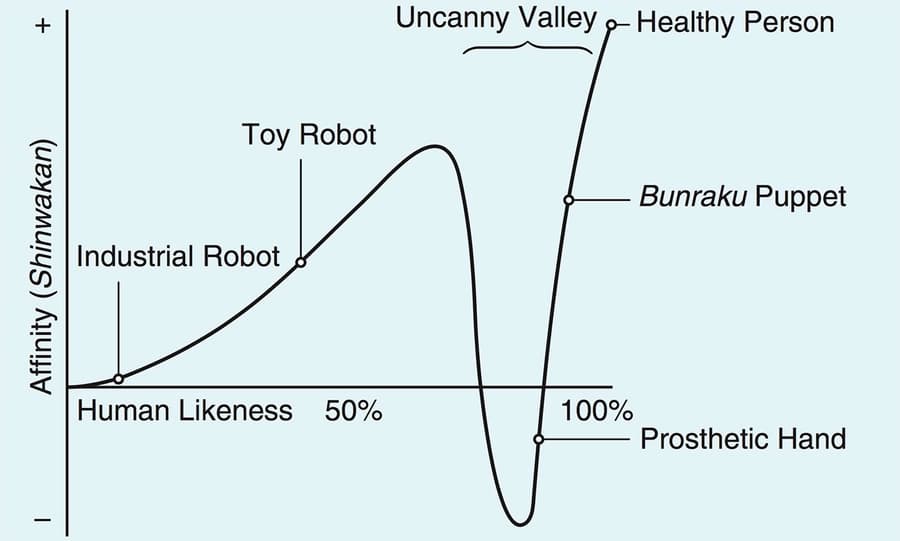
Posted by Marco Daniel MachadoJul 9While robots tend to become more appealing the more humanlike they appear, beyond a certain point, humans have exhibited uneasiness and fear—a phenomenon known as the uncanny valley.Show 2 more findings ZoomWhat Is the Uncanny Valley?IEEE Spectrumhttps://spectrum.ieee.org/what-is-the-uncanny-valley
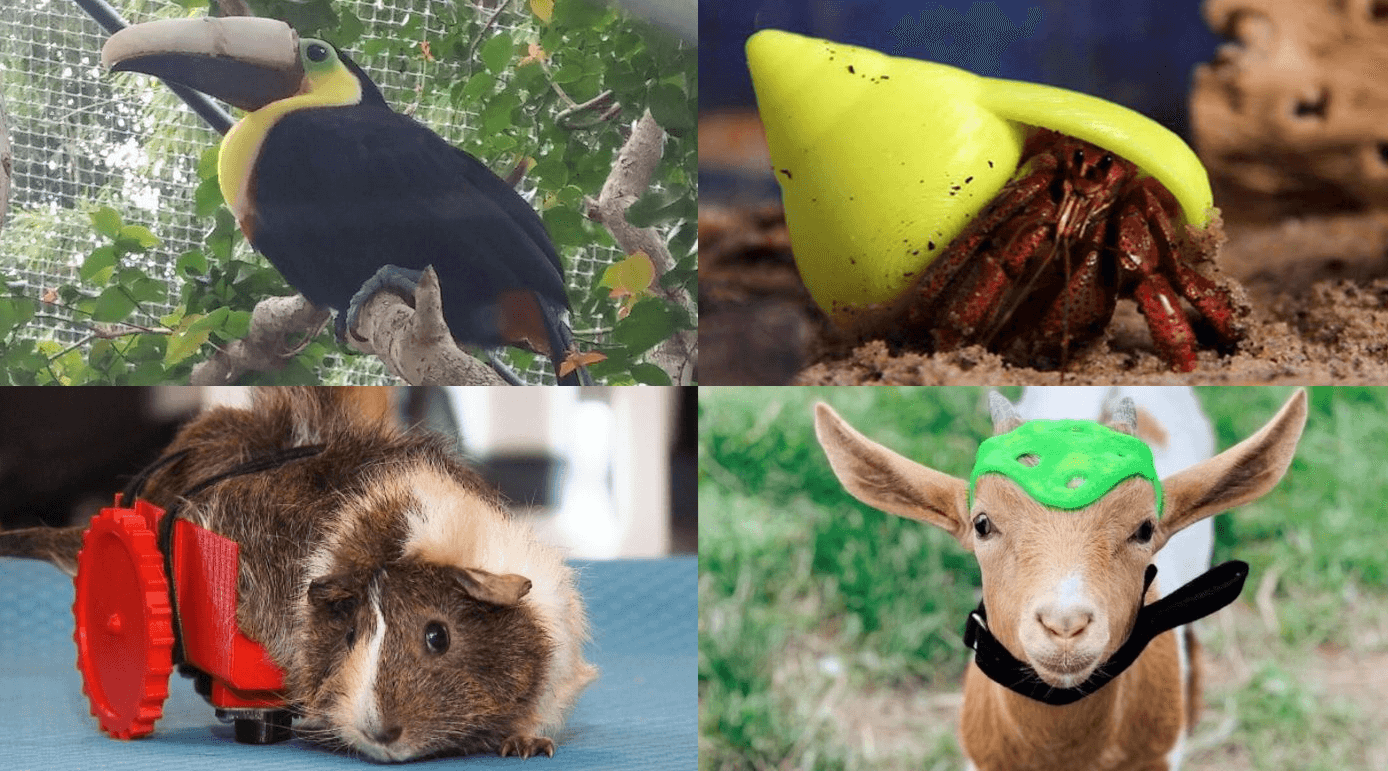
Posted by Marco Daniel MachadoJul 16Prosthetics and orthotics have been 3D printed to improve the lives of animalsShells for hermit crabs, wheelchairs for guinea pigs and dogs, and horseshoes for improved running performance have been created using 3D printers. Other artificial body parts made using this technology include a jaw for a loggerhead turtle, a beak for a toucan, and a tail for an American alligator. Zoomhttps://www.3dnatives.com/en/top-10-3d-printing-animals240520174/
Posted by Dina Fine MaronApr 29Neural implants blur the line between personal intention and machine executionA key ethical dilemma—the contemplation conundrum—explores whether implants might misinterpret mere imagination as intent to act. Neuroscientists have found no brain signal that clearly marks when someone decides to act, making intent hard to detect in neurotechnological systems. ZoomWhy Elon Musk's Neuralink brain implant reframes our ideas of self-identityBBChttps://www.bbc.com/future/article/20240416-why-elon-musks-neuralink-brain-implant-reframes-our-ideas-of-self-identity