Measles

1440 Findings

Hours of research by our editors, distilled into minutes of clarity.

  • Pinned

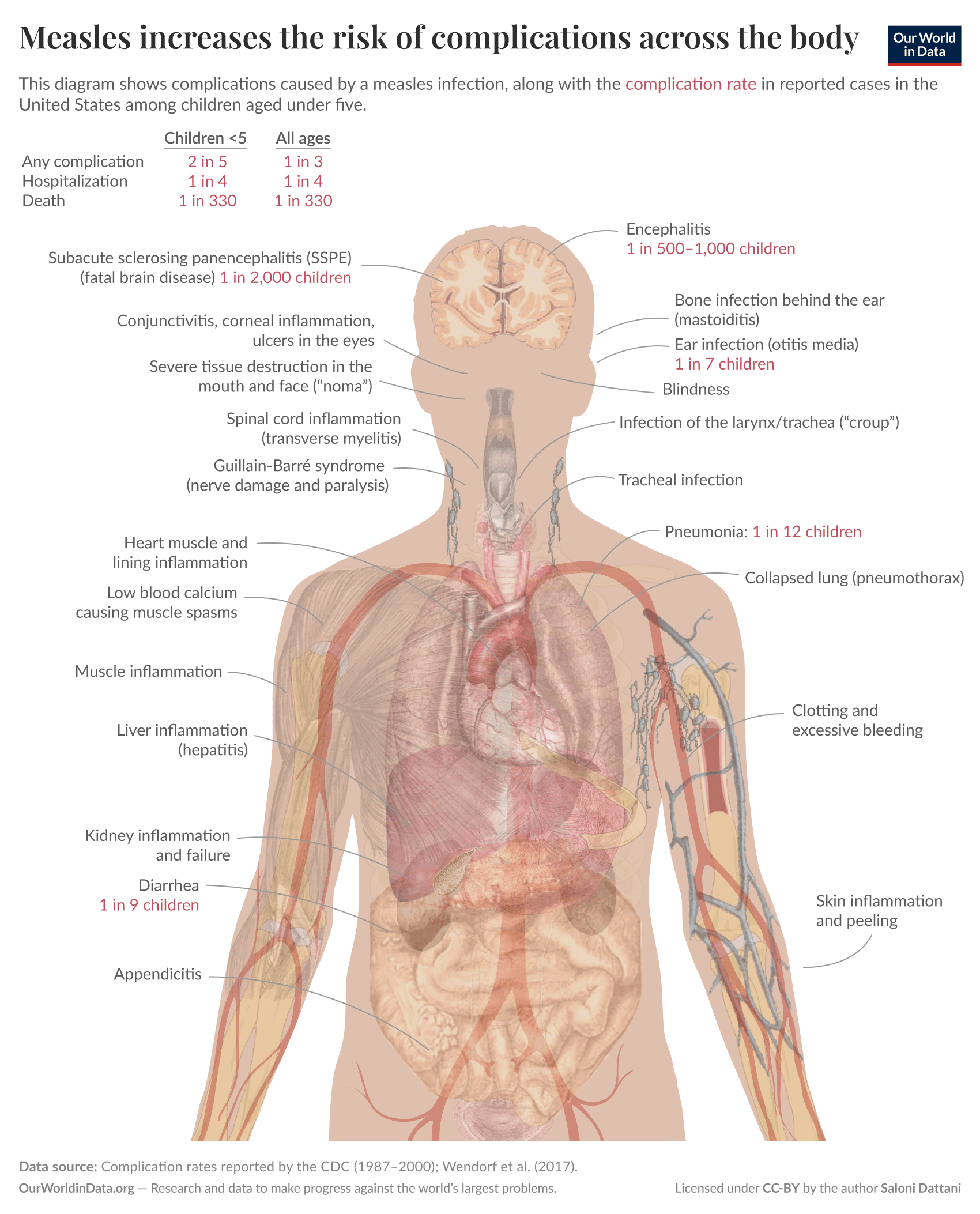
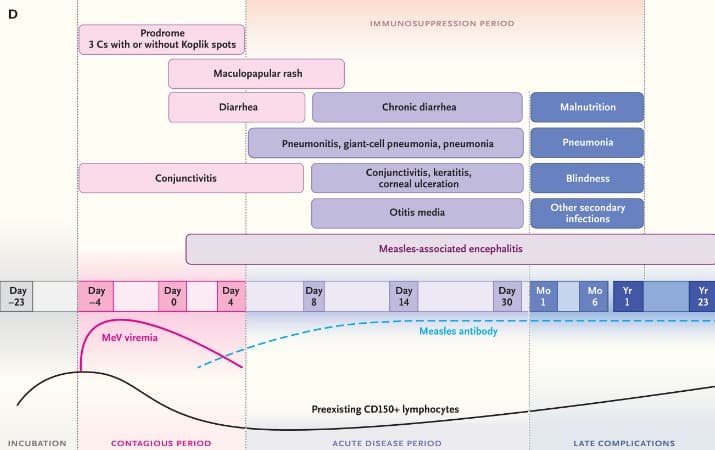
    Measles attacks the body’s immune system, leaving it vulnerable to secondary complications

    A measles infection begins in the lungs, where it hijacks cells known as macrophages and begins to replicate itself. It then uses a Trojan horse method to enter the lymph nodes, where it attacks vulnerable T and B cells. Symptoms include fever and rashes.

  • Measles attacks the body’s immune system, leaving it vulnerable to secondary complications

    A measles infection begins in the lungs, where it hijacks cells known as macrophages and begins to replicate itself. It then uses a Trojan horse method to enter the lymph nodes, where it attacks vulnerable T and B cells. Symptoms include fever and rashes.

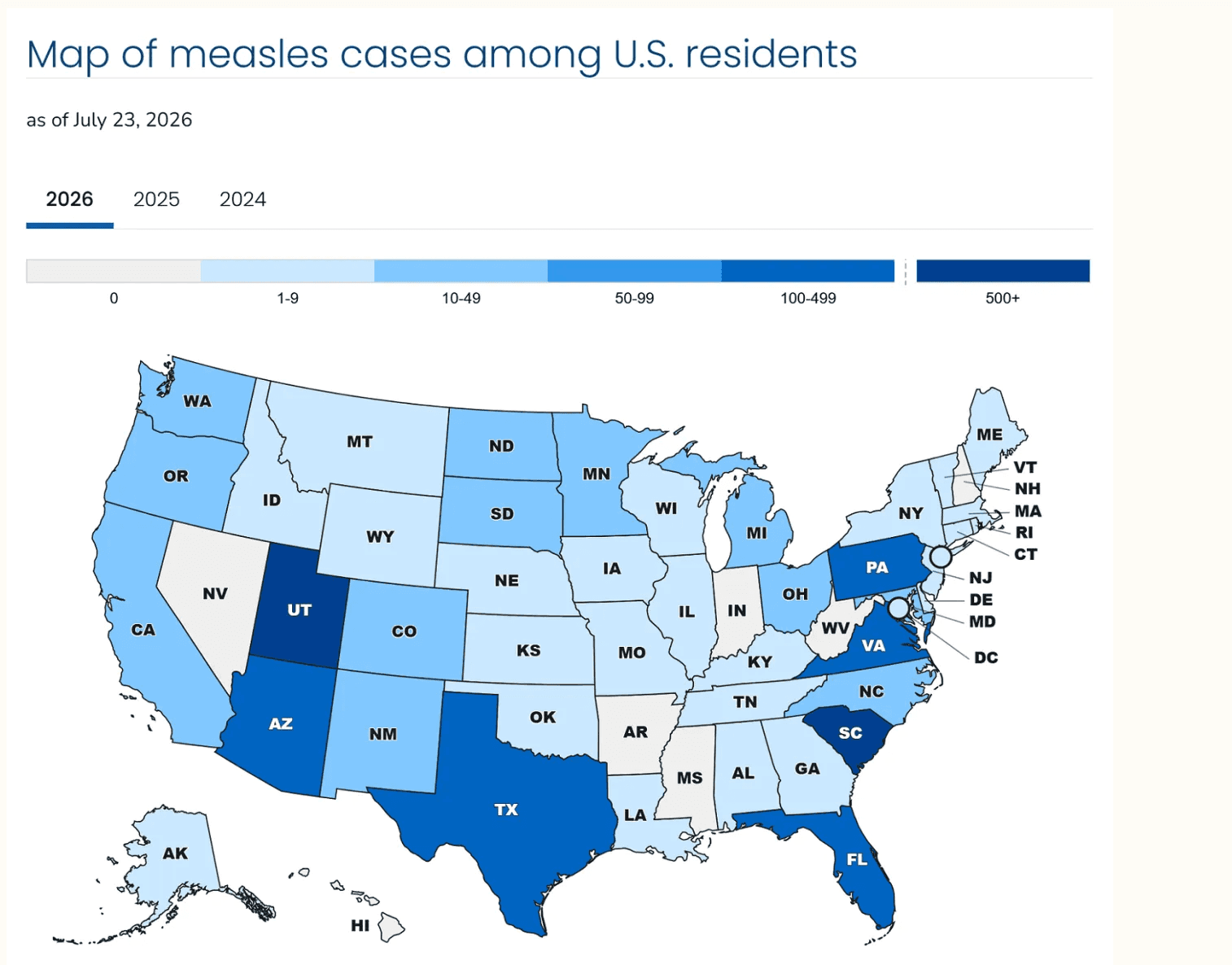
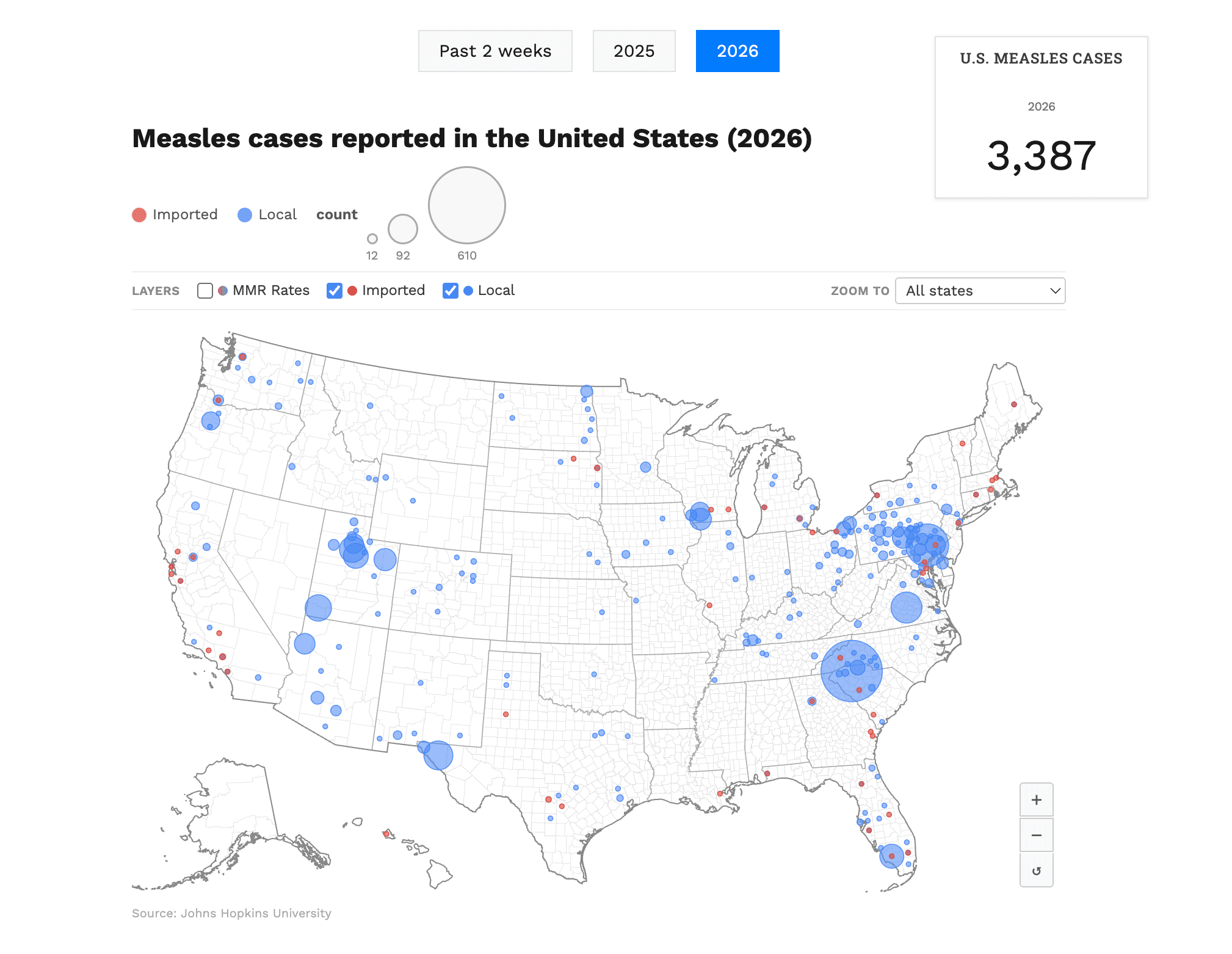
  • Current US measles outbreak data from the CDC

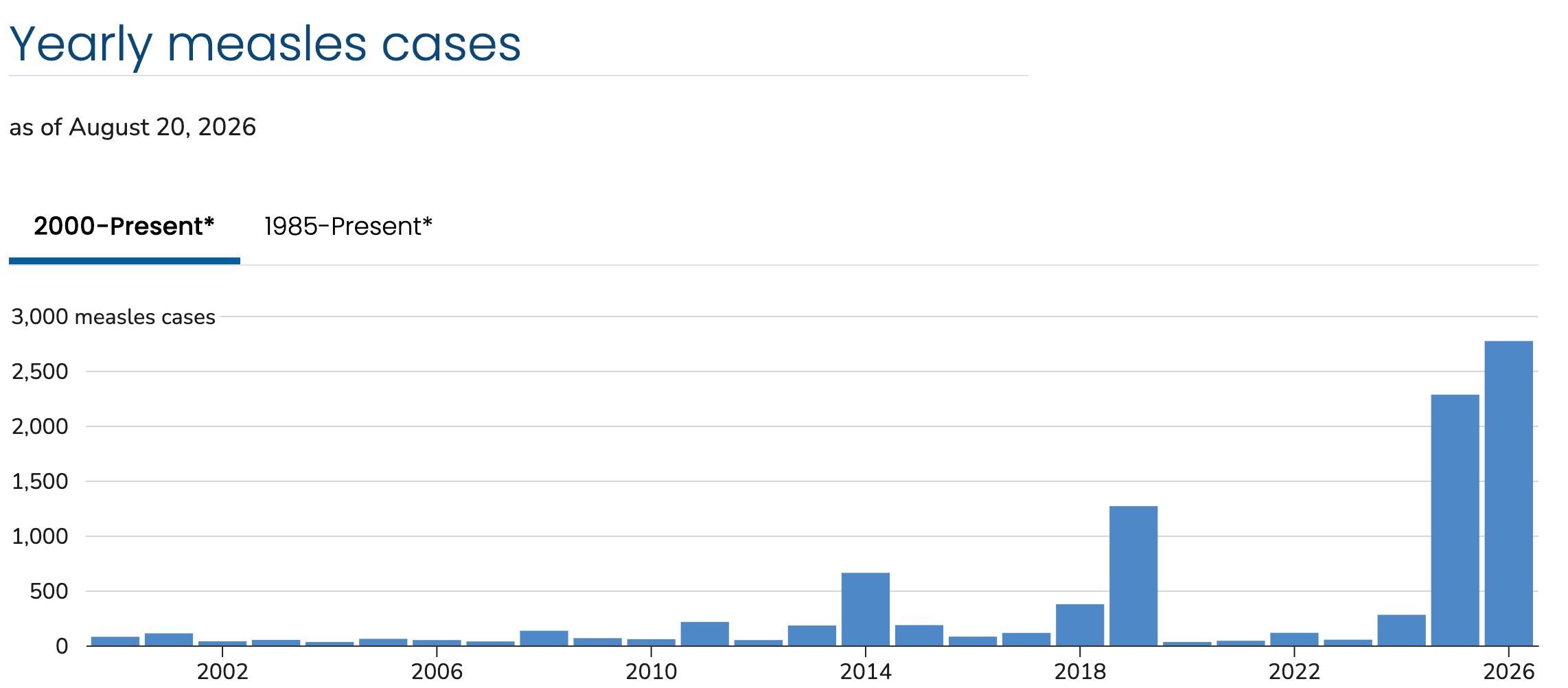
    This data portal from the Centers for Disease Control and Prevention tracks current cases, hospitalizations, and deaths from measles. A 2025 outbreak in Texas and New Mexico drove US cases to their highest levels since the early 1990s.

  • Measles is one of the most contagious preventable diseases

    The virus’s ability to persist in the air for up to two hours means an infected person could enter a room, leave, and two hours later infect someone else entering the room. Its location in the body’s upper respiratory tract also makes it easy for viral particles to be sneezed or coughed into the air.

  • The rare but deadly time bomb lurking after a measles infection

    Subacute sclerosing panencephalitis, also known as Dawson disease, is a progressive and fatal neurodegenerative condition caused by a dormant measles infection. Typically, patients recover from measles normally, with the symptoms of SSPE only appearing years or even decades later. The incidence rate in unvaccinated pediatric patients is estimated to be around one in 1,300.

  • A technical look at the measles virus and its life cycle

    The measles virus is made up of a single strand of RNA, packaged inside an envelope that varies in shape and size. A negative-sense paramyxovirus—the same family as mumps—the virus is encased in proteins that help it attach to immune cells inside the body.

Explore Health & Medicine

Discover a broad spectrum of topics, from fundamental anatomy to the latest in medical research and treatments, all aimed at enhancing your understanding of health, wellness, and our bodies. Our resources are meticulously curated to offer precise and pertinent information to students, professionals, and anyone interested in learning more about the medical sciences. Dive in to stay informed, make well-informed health decisions, and explore the intriguing world of medicine.

View All Health & Medicine